Will Hurricane Francine push snakes, rats & insects into your MS Coast home? What to know
READ MORE
Hurricane Francine
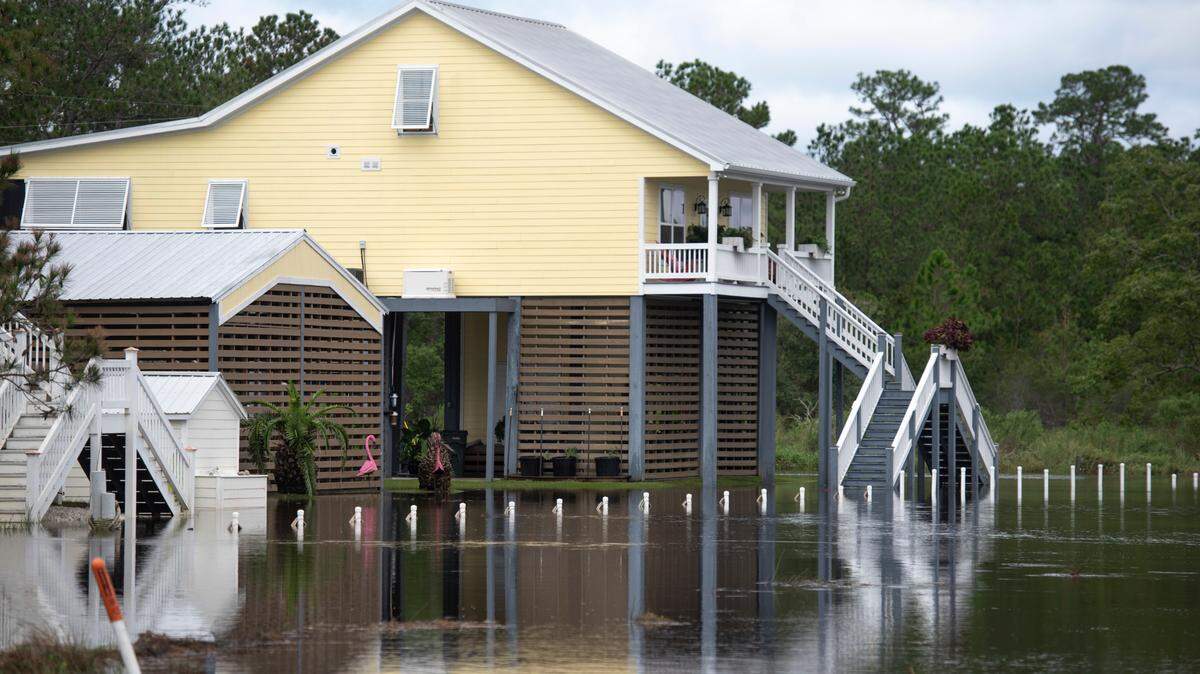
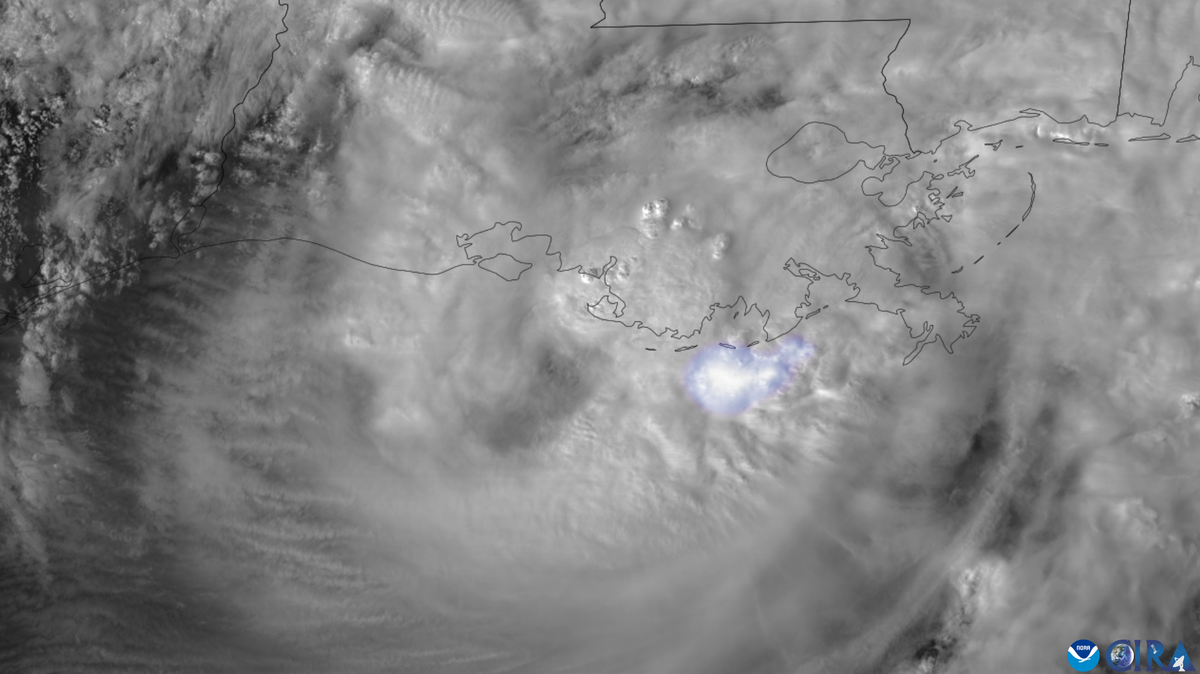
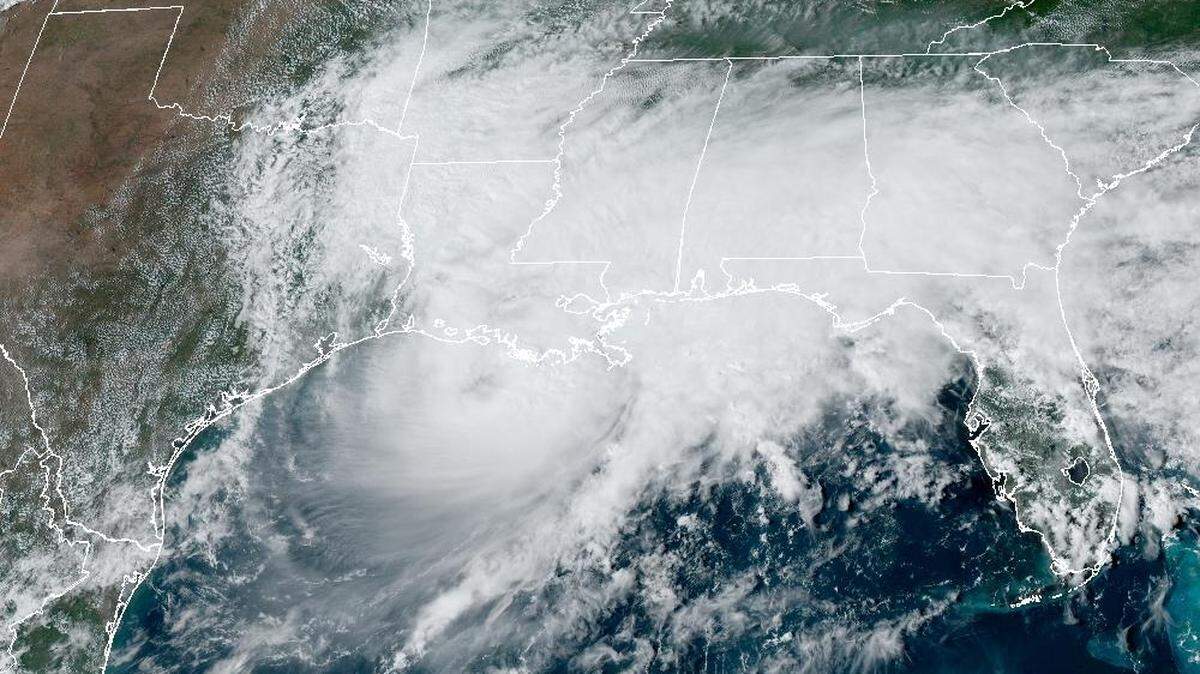
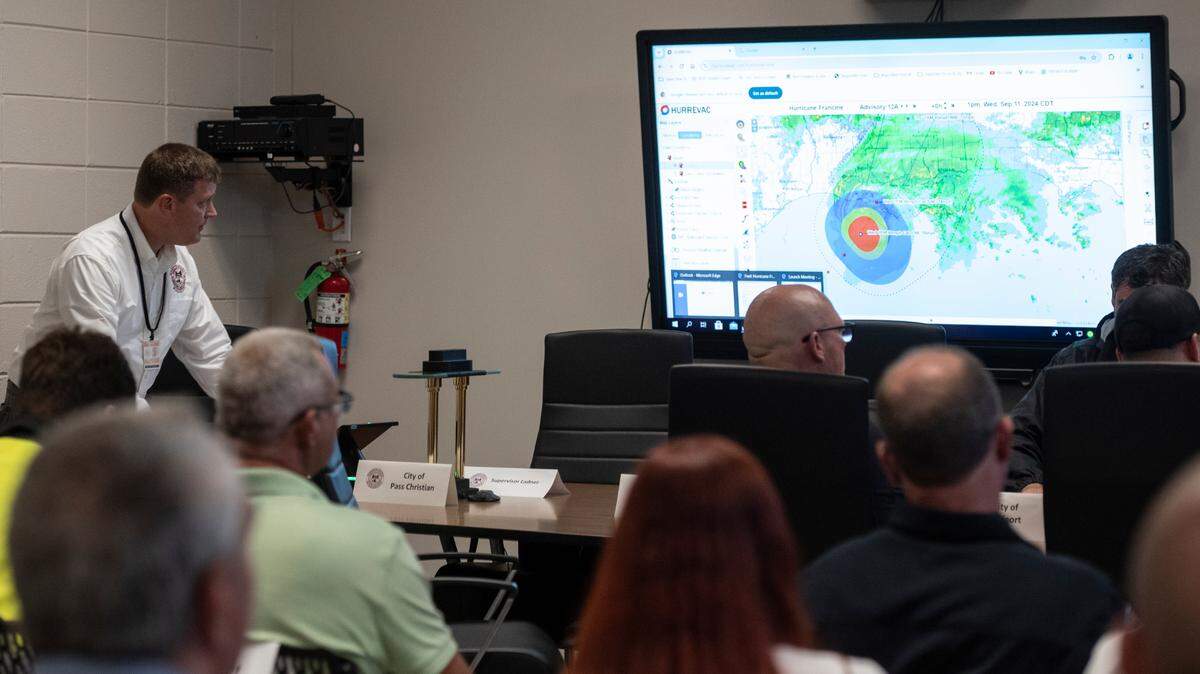
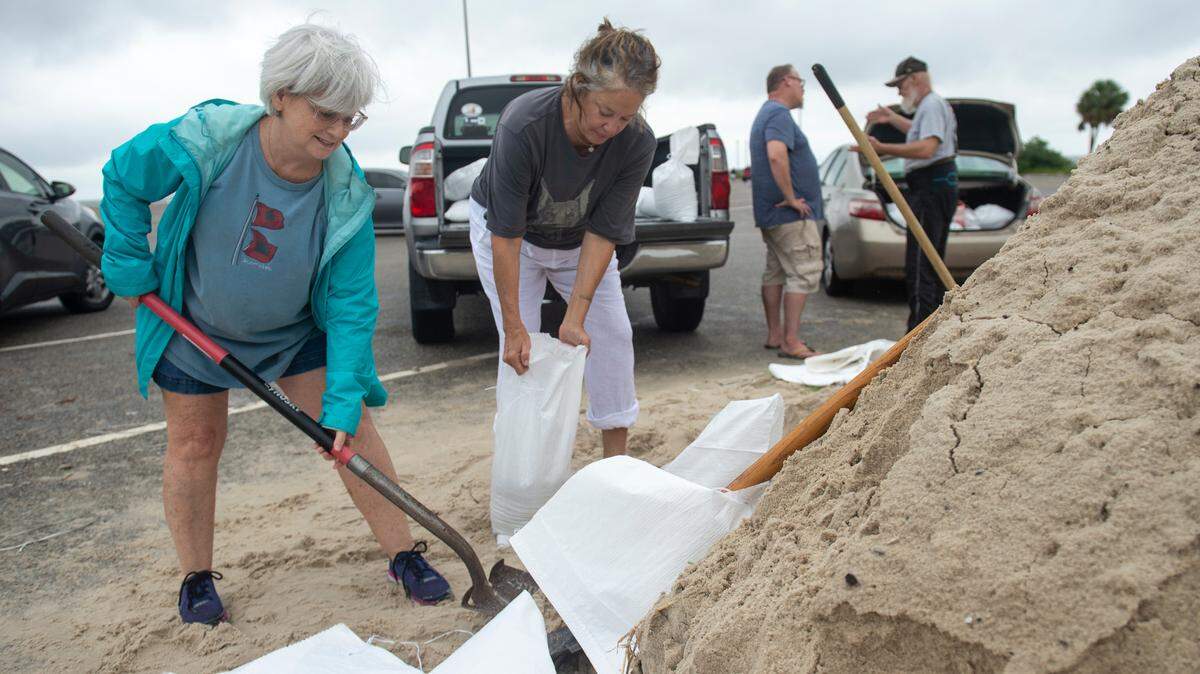
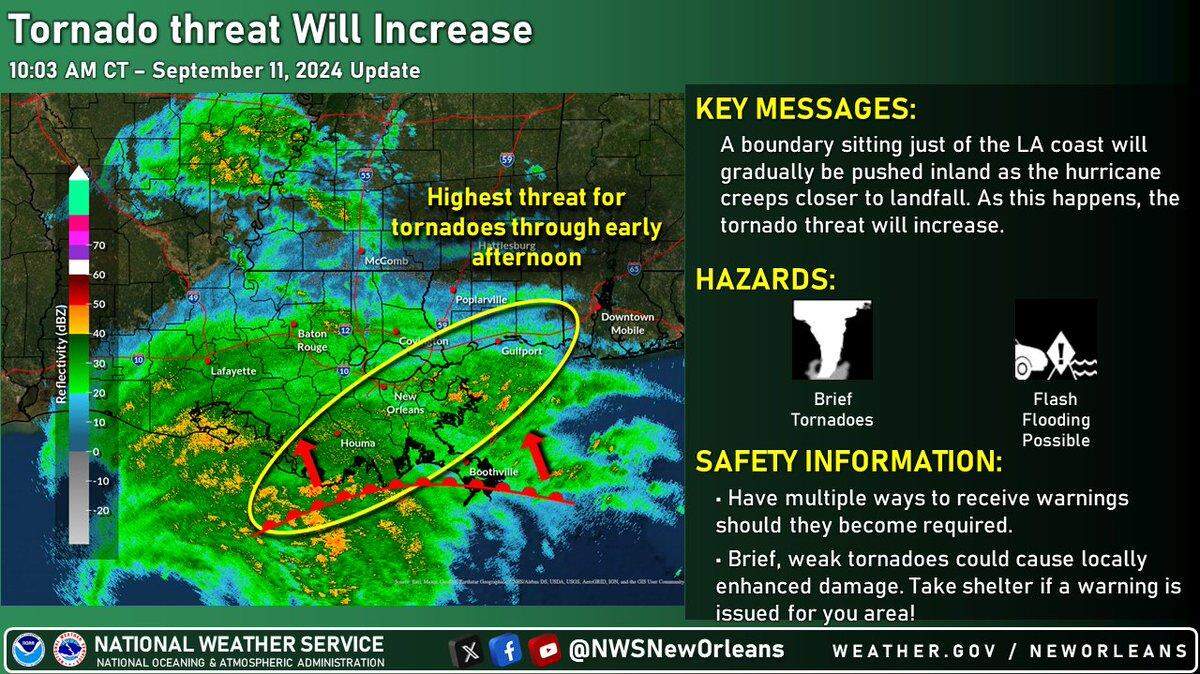
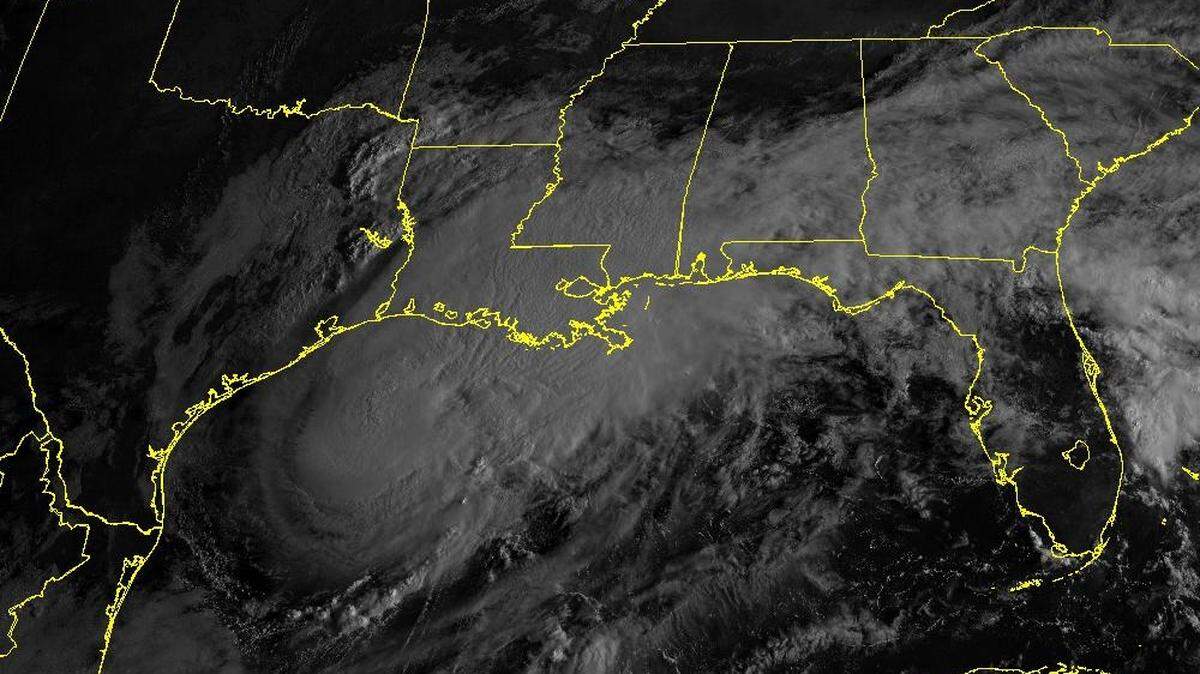
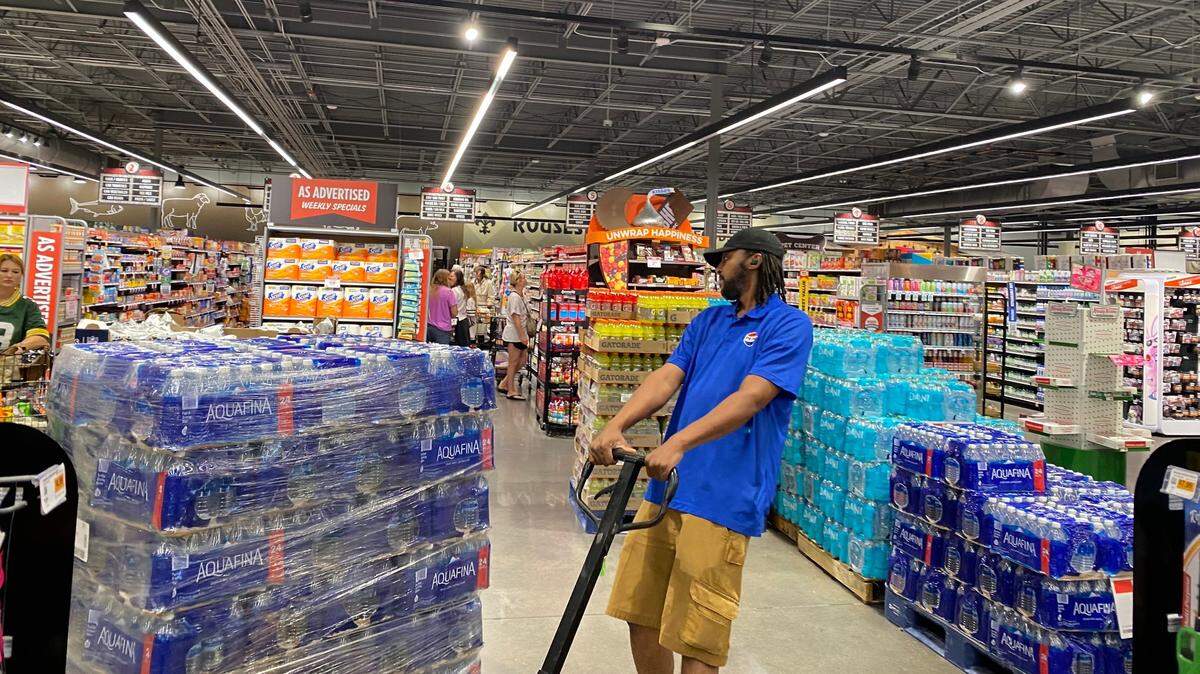
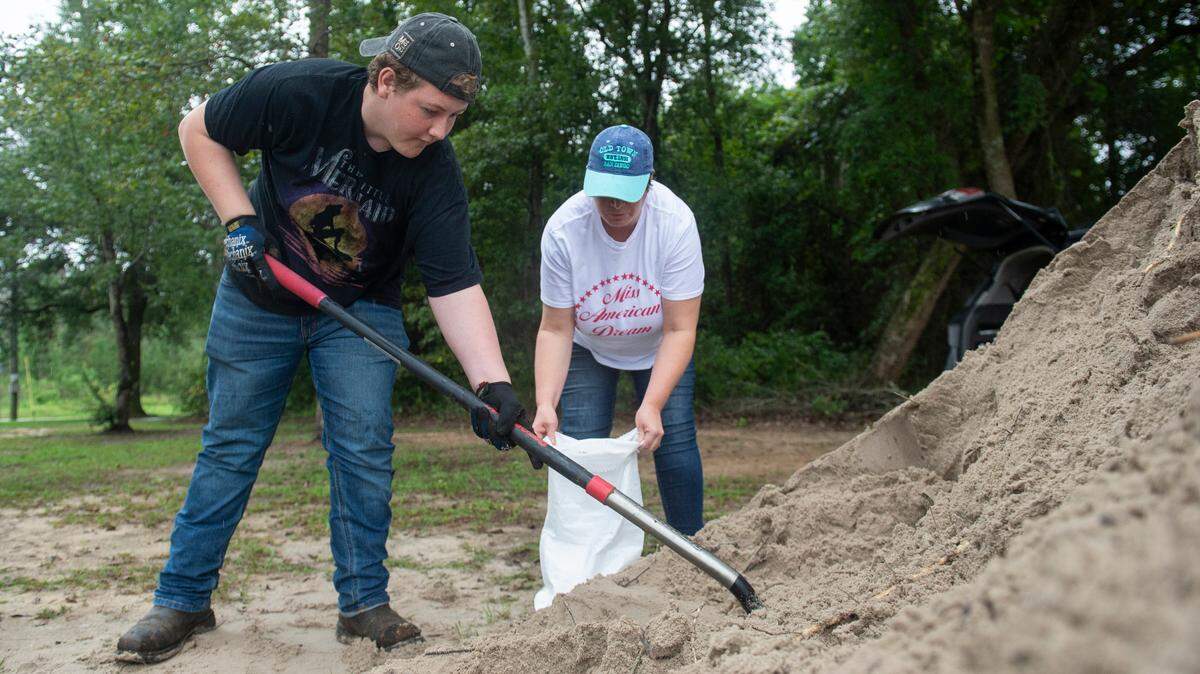
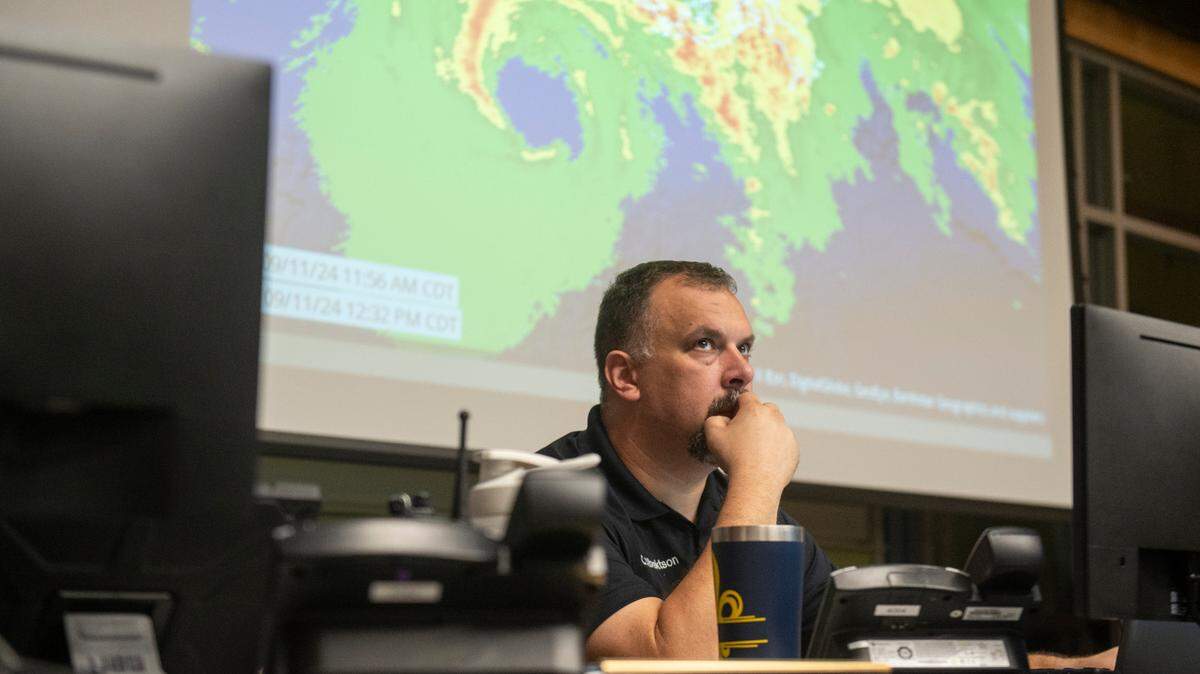
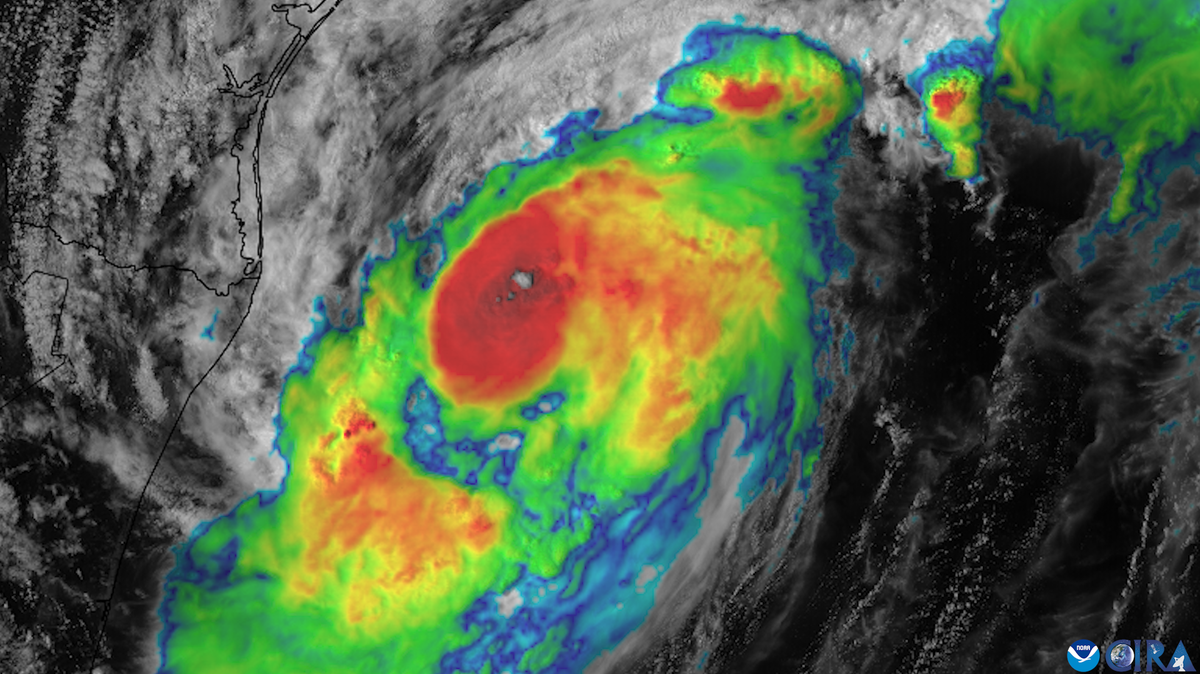
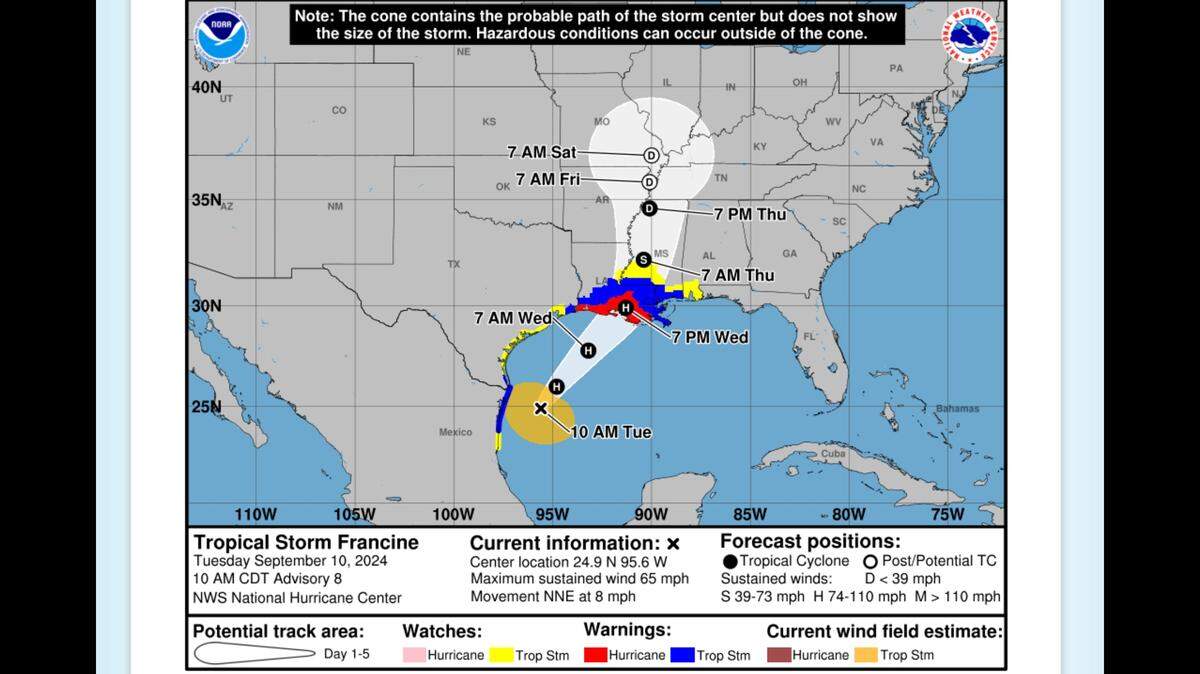
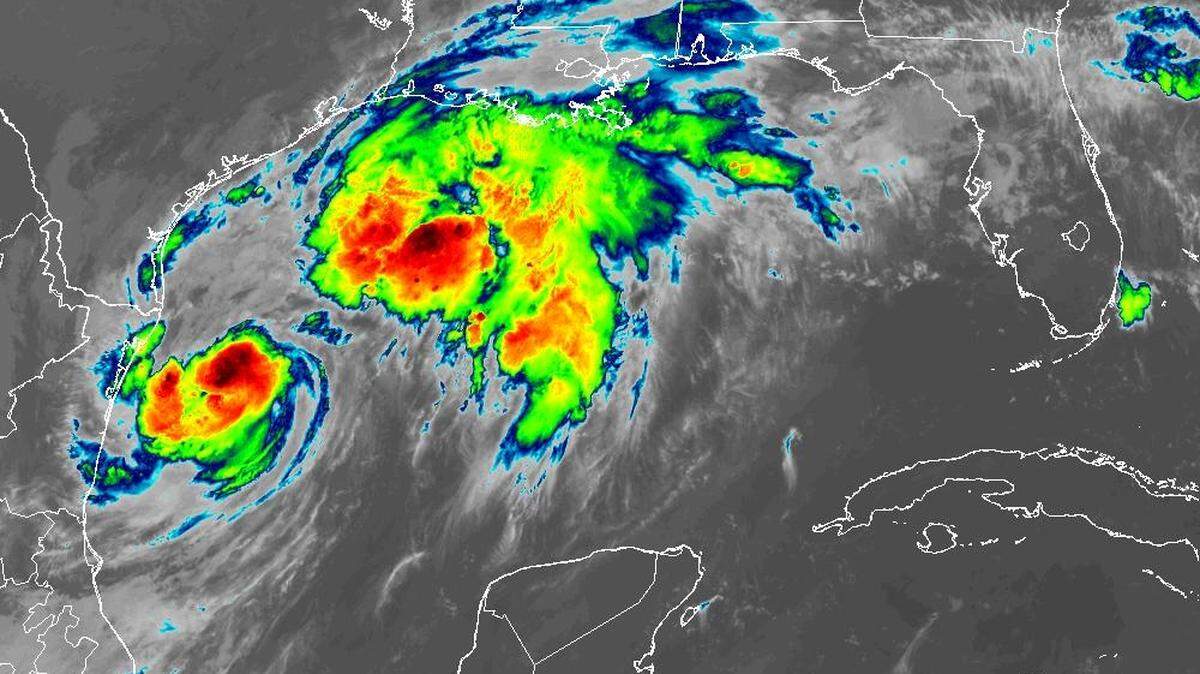
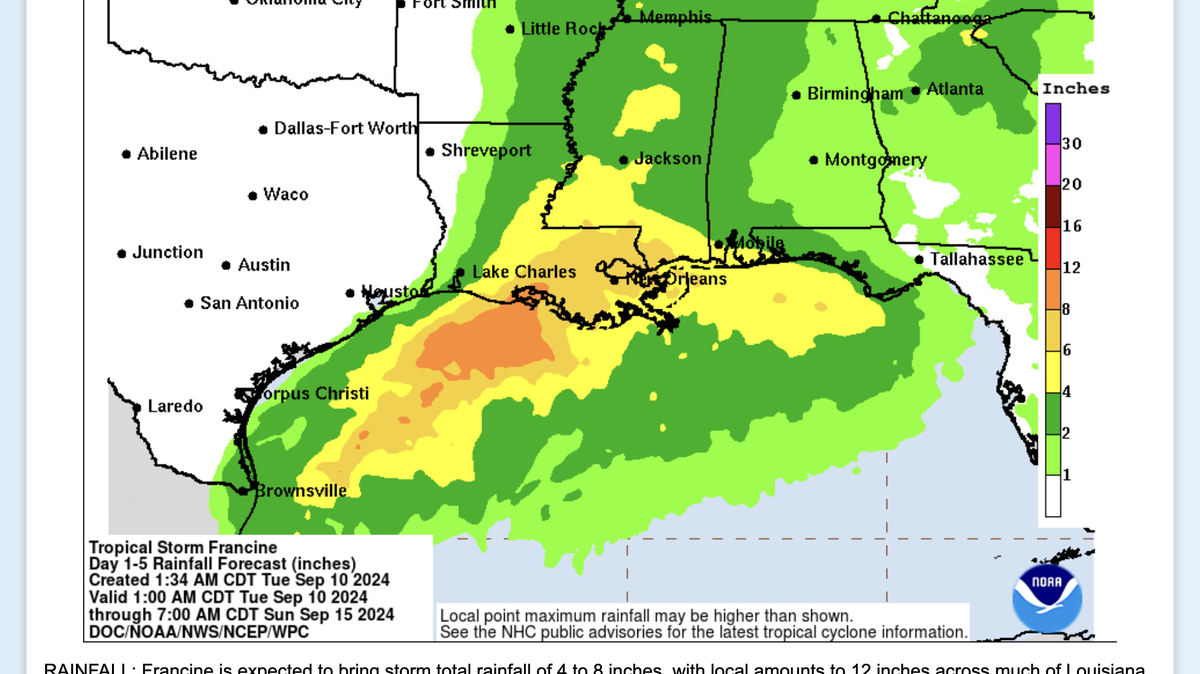
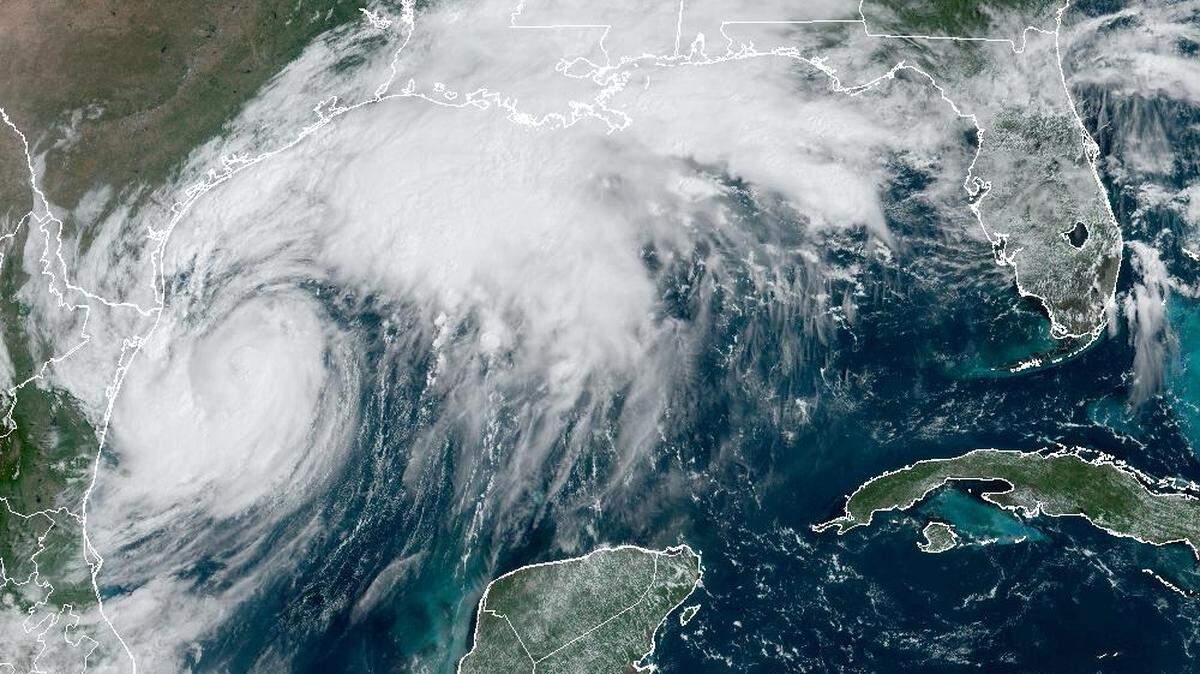
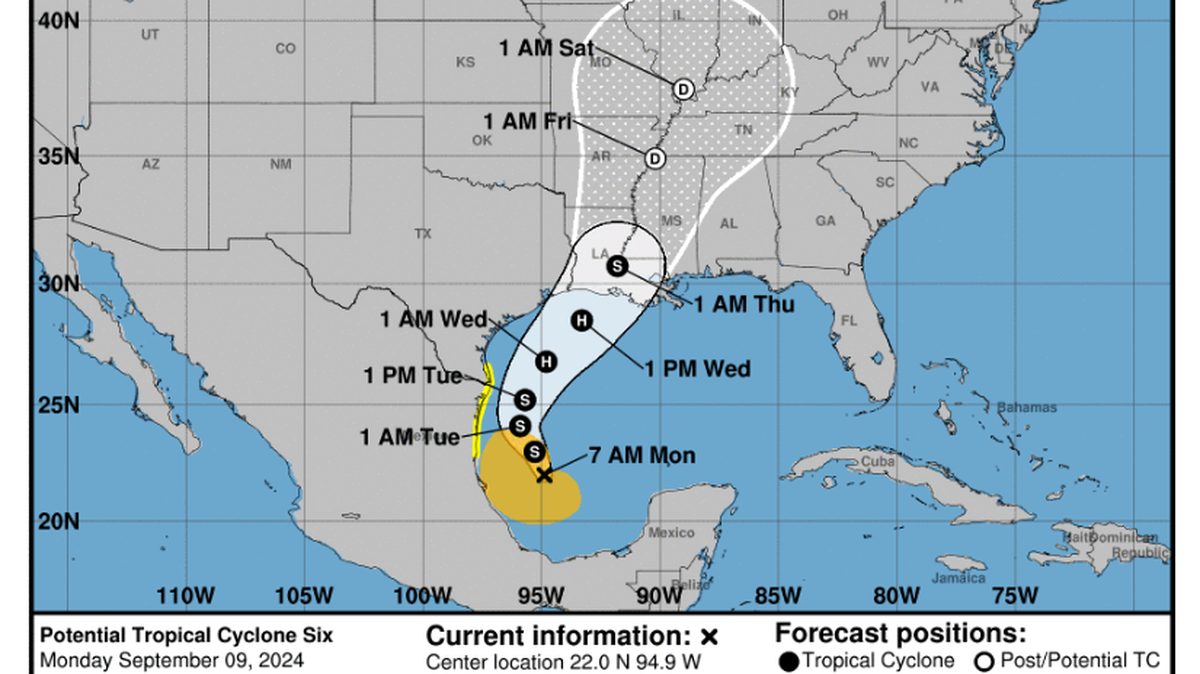
Francine is expected to make landfall Wednesday as a Category 1 hurricane. While the storm appears headed to the Louisiana coast, Southern and coastal Mississippi could see a risk of flash flooding, according to the National Weather Service.
Expand All
Hurricane Francine may send more than rain and gusts of wind your way. Storm conditions will have rodents running for shelter and insects breeding in the downed trees and standing water Francine leaves behind.
“In addition to loss of property and disruption of day-to-day operations, extreme weather can intensify an existing pest problem or surface a new one,” according to Orkin Pest Control.
Keep an eye out for these pests after the storm.
Mosquitos
You haven’t seen the last of these warm-weather critters. High humidity and heavy rains make perfect breeding grounds and increase the population in a few weeks.
Snakes
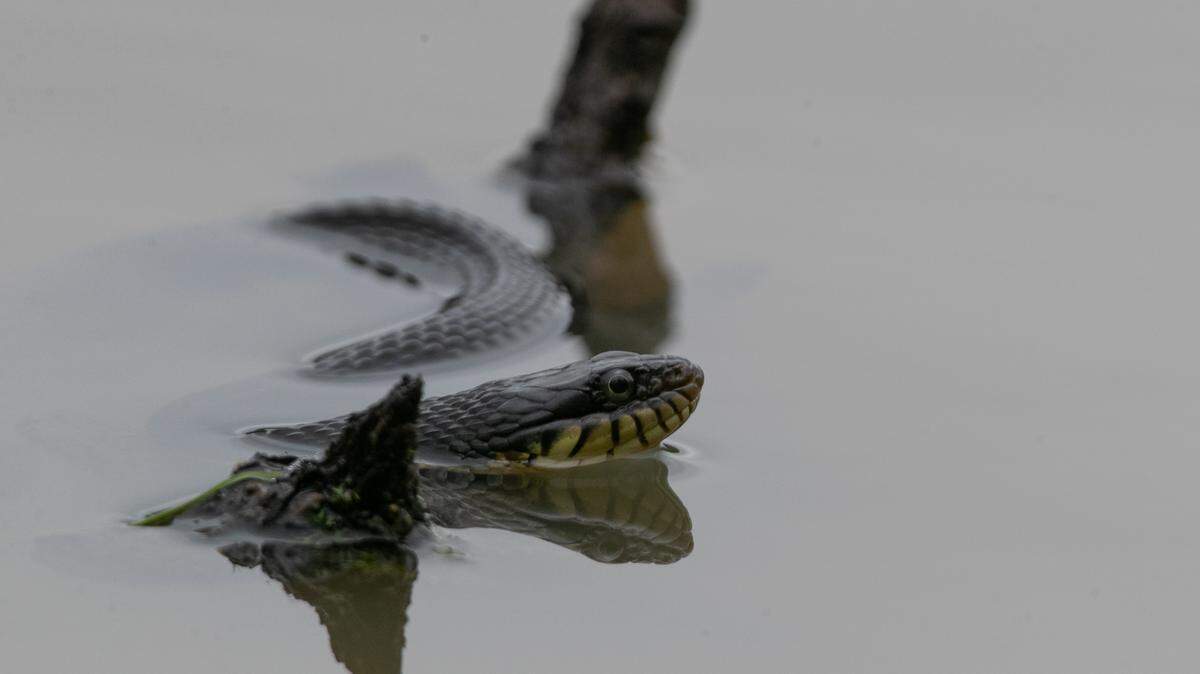
It may seem like snakes pop up out of nowhere after storms, because in some ways, they do.
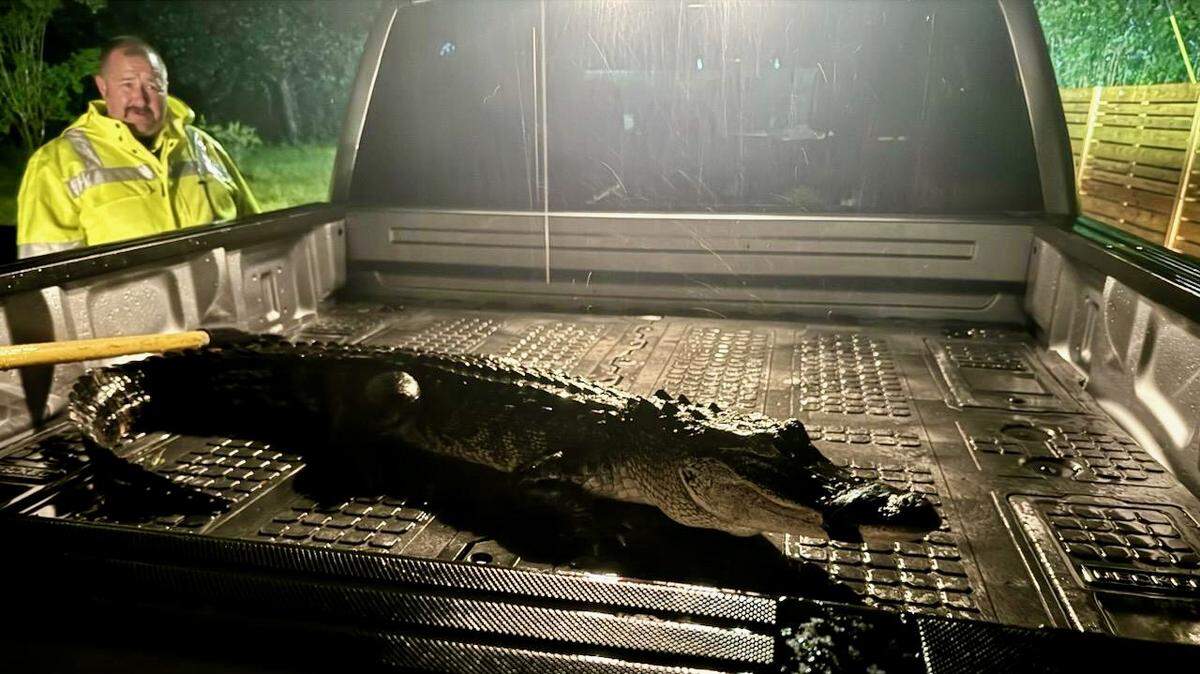
Floods can destroy snake habitats and carry snakes to unexpected places. If you see a snake, it’s best to stay cautious and let it move away on its own, suggested Bill Maily, area wildlife agent with Mississippi State University’s Extension Service.
“If a snake is in a house, I suggest homeowners get glue boards that they can put down on top of sheets to catch the snake,” Maily said.
He also said to be aware of a snake’s striking distance. Most can strike within two thirds of their length. In other words, a 3-foot snake can strike anything within two feet.
Carpenter Ants
Fallen trees, decaying wood material and debris will invite the destructive ants to your home. Rid-A-Bug Pest Control suggested you look for signs of carpenter ants in the following areas:
- Attic
- Crawlspace
- Basement
- Eaves
- Fascia
- Gutters
- Soffits
- Siding
- Shingles
Fire ants
One would think floods would wash away anthills and their occupants. No such luck.
“After a major flood, fire ants will leave their mounds and form rafts that they use to migrate to higher ground,” according to the pros at Rid-a-Bug. “Sometimes these rafts will end up attaching themselves to houses or rescue boats.”
Flies
If you lose power and have to empty your fridge, take extra care with the discarded food where flies can quickly breed.
“One of the filthiest pests around, house flies can become a post-hurricane problem due to displaced trash and organic debris,” according to Orkin Pest Control.
Wasps and bees
If any of the downed trees left by the storm had hives, nests or hornets, swarms of homeless insects will be scouting for new places to call home. Potential homes may include shrubs, eaves and overhangs of homes, trash cans and underground (where yellow jackets prefer to reside).
Termites
If you’ve had your home treated for termites, you aren’t completely out of the woods. Heavy storms can block baiting systems and wash away any pesticides you’ve sprayed on your home.
Fallen limbs and moving debris can also act as bridges to termites and other creepy crawlers.
If your home sustains any damage, don’t put off repairs. The damage can leave new paths of entry.
Rats and Mice
Storms may help rodents more than hinder them. Water surges can carry the little swimmers to new areas and your home’s storm damage can provide entry to shelter the rodents.
Cockroaches
Chris Gayomali, science and technology editor at The Week, once said roaches would outlive us all, “A few species here in America can already survive a thermonuclear holocaust, reproduce dozens of offspring at a time, and can live for weeks if their heads should happen to be inconveniently separated from their bodies.”
So, what’s a mere hurricane to a roach?
Roaches thrive in humidity and wet conditions and can easily survive storm conditions.
Like rodents and other insects, they will seek shelter from storms and make their way into your home through cracks and plumbing.
Tips for handling pests after storms
- Get rid of standing water
- Repair damage as soon as possible
- Shore up cracks and openings with silicone-based caulk
- Move debris away from your home
- Keep your garbage cans emptied or far from your house
- Have pest control services take care of infestations
This story was originally published September 11, 2024 at 12:39 PM.