Watch where you swim. These 9 critters sting or bite & may be lurking in MS Coast waters
If movies have taught us anything about oceanic life, it’s that all are not your friends.
Sure, you may be more likely to come across Flipper (Have you seen how much dolphins love riding wakes? Yes, it’s a thing.) than Jaws. But dangers persist.
So, here is your guide to the stingers and biters that could spoil your day in the water. Before you stick your toes into the gulf or jump into your favorite river, keep an eye out for these dangerous creatures.
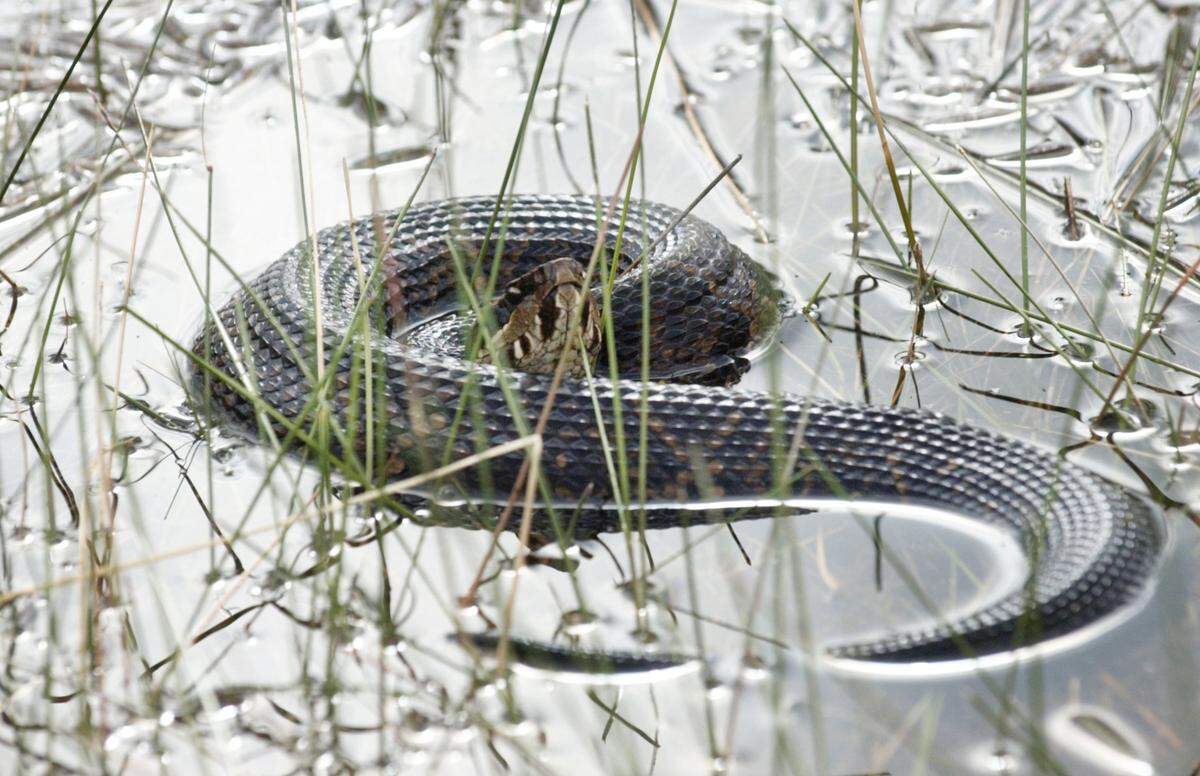
Cottonmouth snake
Also known as water moccasins, black moccasins or gapers, cottonmouths are the only venomous snake that can be found on land and water, according to the Wildlife Society. They are seen in rivers, streams, marshes, ponds and even drainage ditches.
Hardhead catfish
These catfish have a surprise for fishermen “lucky” enough to catch them. Texas Parks and Wildlife warn to take precautions when unhooking the fish. Their dorsal and pectoral fins have sharp spines covered with venomous slime.
“The slime layer covering the large barbed dorsal spine is mildly toxic,” according to TPWD. “A puncture will be followed by severe pain and swelling. The spine is also barbed, which makes withdrawal an additionally painful process.”
Lionfish
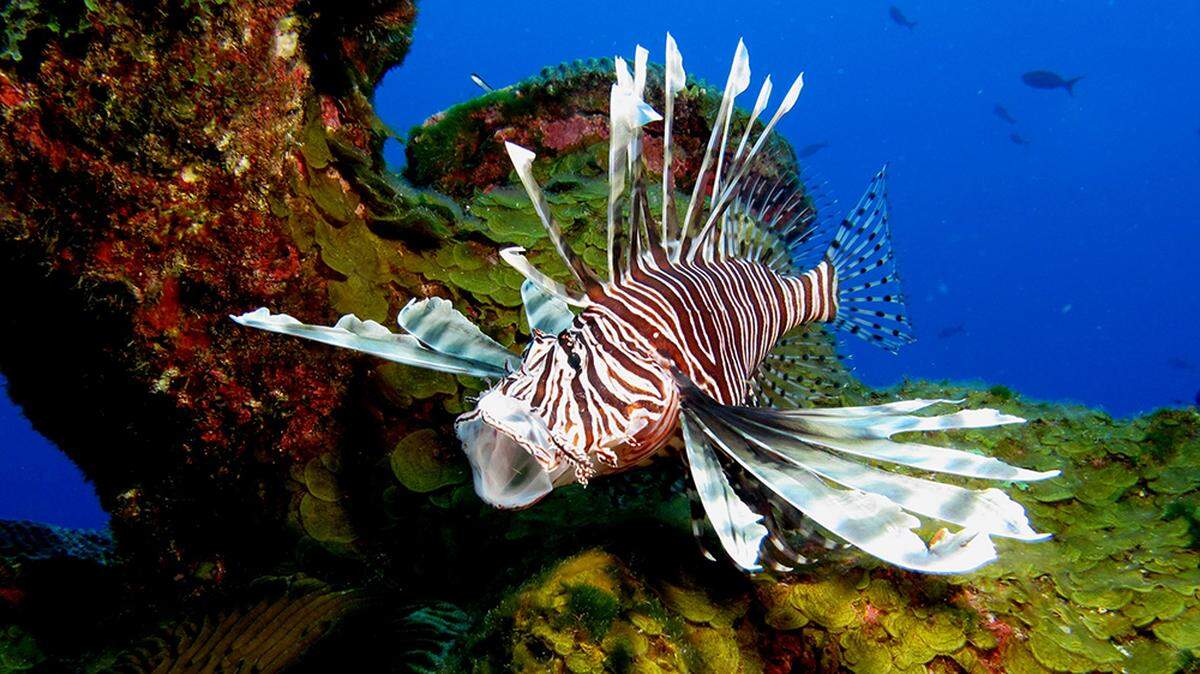
Lionfish aren’t native to the Gulf, but they have become an invasive part of the landscape in the past four decades. Scientists suspect they started out in someone’s fish tank and were dumped into the gulf once the owner realized how ill-suited they were for domestic life. Since then, there have been recorded sightings in Gulfport near the corner of Hwy. 90 and Cowan Road in 2013, in Gulfport at the courthouse pier in 2013 and off Ship Island in 2018, according to the United States Geological Survey.
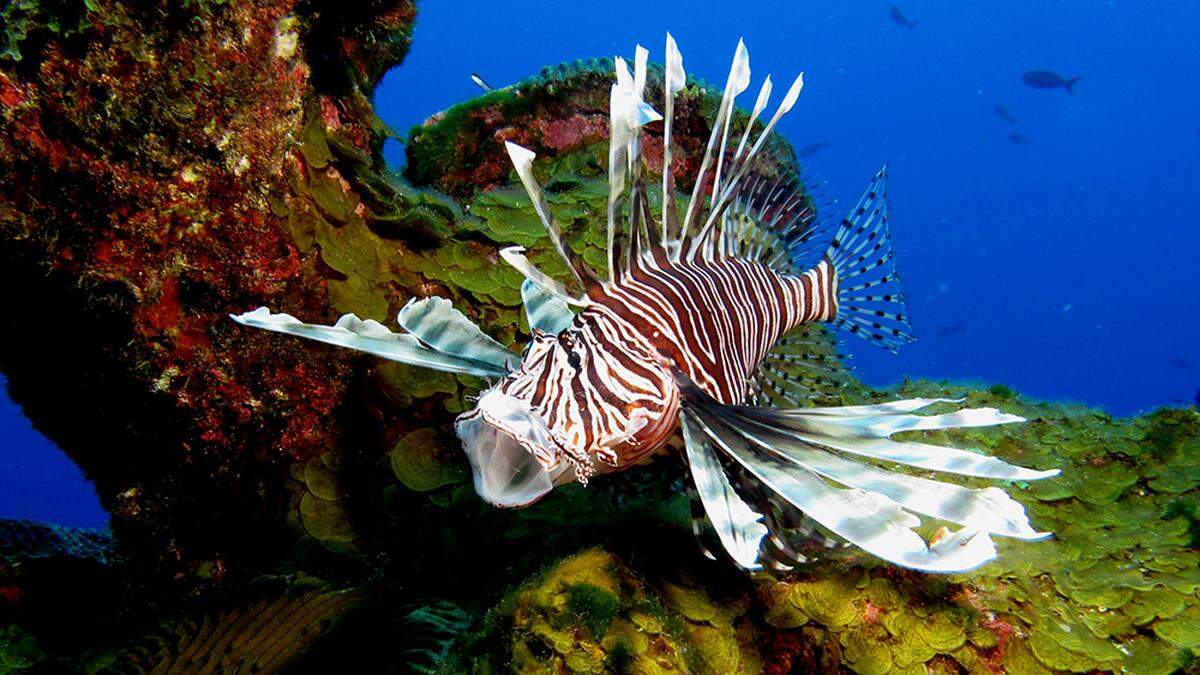
Like hardhead catfish, lionfish carry venom in their spines. “The spines of this species deliver a venomous sting that can last for days and cause extreme pain, sweating, respiratory distress, and even paralysis,” according to the National Oceanic and Atmospheric Administration. “Lionfish venom glands are located within two grooves of the spine.”
Portuguese man o’war
These predators may resemble jellyfish, but each of the gelatinous creatures are actually a colony of animals, not a single entity.
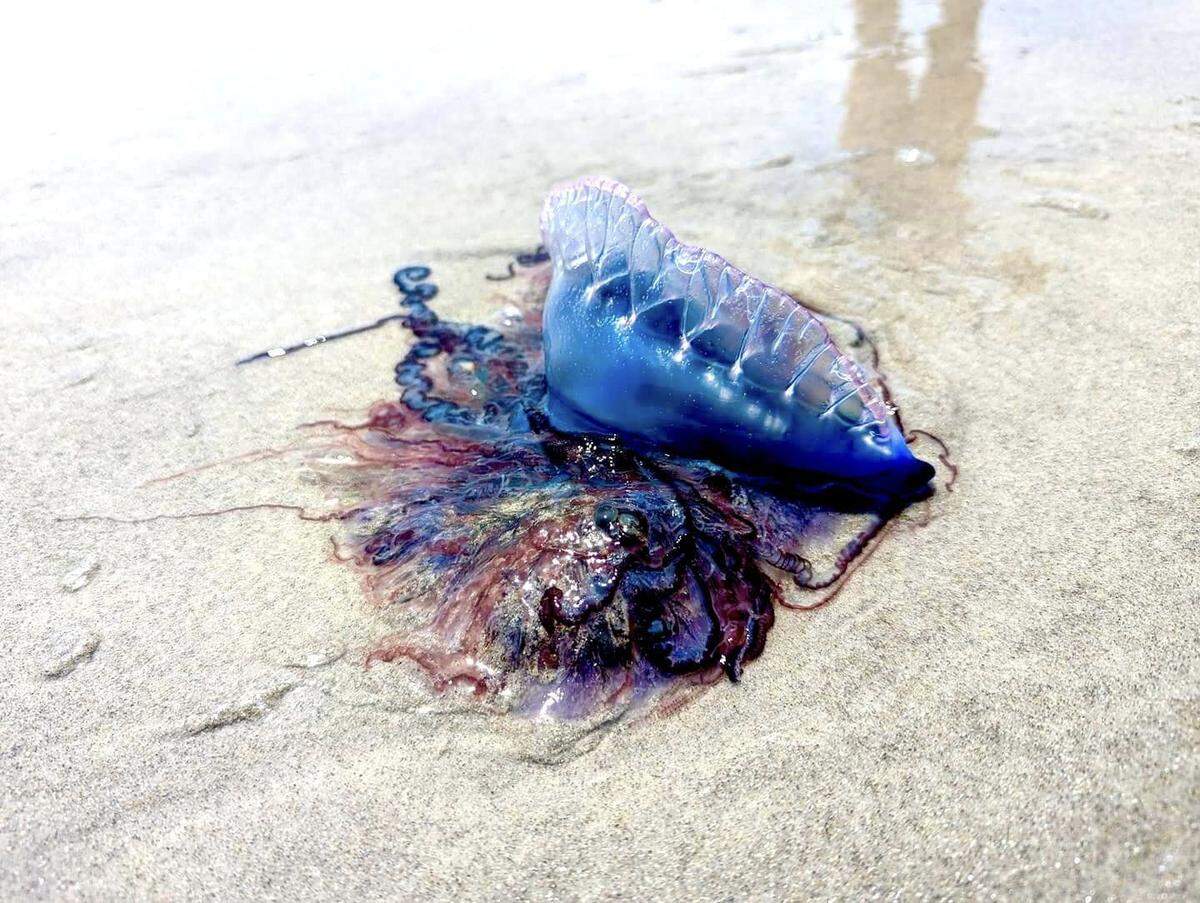
The man o’war was named after Spanish battleships because a portion of their long, tapering shape resembles the warships under full sail and floats above water, according to the NOAA.
The colonies won’t chase swimmers; they can’t swim. Man o’war float and let waves carry them ashore, where they can sting you even after lying on the shore for weeks. The painful stings aren’t deadly to people, but will cause welts.
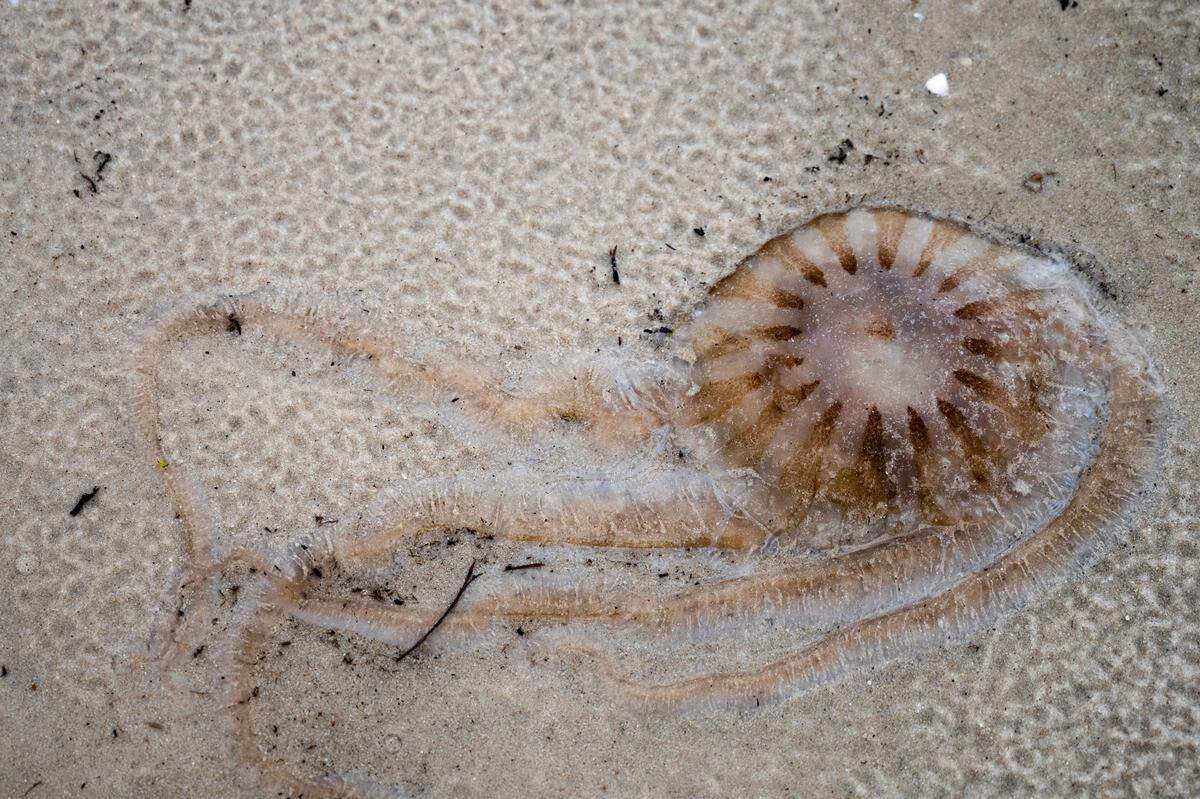
Jellyfish
Like the man o’war, jellyfish pack a painful sting. The ones that wash up on the beach are still capable of stinging you. Depending on the type of jellyfish and the severity of the reaction, a jellyfish sting can be deadly. Their venom can be “deadlier than a cobra’s,” said Isabel M. Agaze Gonzalez, a research scientist at UC Irvine.
Great Barracuda
When researchers studied barracuda attacks in the United States, they confirmed 19 in a 90-year period. To avoid being number 20, do not use shiny diving equipment or wear jewelry into the water. In separate incidents, two women were attacked in Hawaii because of the shiny barrettes they wore, reported Susan Scott, a marine journalist. The barracuda bit each in the scalp.
Avoid sudden movements if you spot a barracuda and just skip the spearfishing. Carrying speared fish is like waving a shish-kabob at them. You’re just inviting them to dinner — one that could include a bite of you. A barracuda bite can sever nerves, tendons and blood vessels.
Barracudas can also be dangerous to eat because they eat fish that have a toxin deadly to people.
Stingray
Stingrays aren’t aggressive, but will defend themselves when they sense a threat. Officials at the swim school Swim Jim advised shuffling your feet in the sand as you wade in the gulf to avoid scaring or stepping on stingrays.
The stings can be deadly, but very rarely are.
Shark
More than 15 shark species occupy the Gulf. Many are partial to shallow coastlines like the ones found along the Mississippi Coast, but how likely are they to attack?
According to the NOAA, the odds of a shark attack are pretty low, “only about a dozen of the more than 300 species of sharks have been involved in attacks on humans.”
Sharks are “opportunistic feeders,” according to NOAA. Their typical diet consists of crustaceans, mollusks and smaller fish. Larger sharks eat dolphins, seals, sea lions and other marine mammals.
What happens when the “opportunity” arises to feed on unsuspecting swimmers? Based on shark attack statistics, the opportunity rarely leads to attacks. Since 1879, only five shark attacks — two of them fatal — have been reported, according to Shark Attack Data.
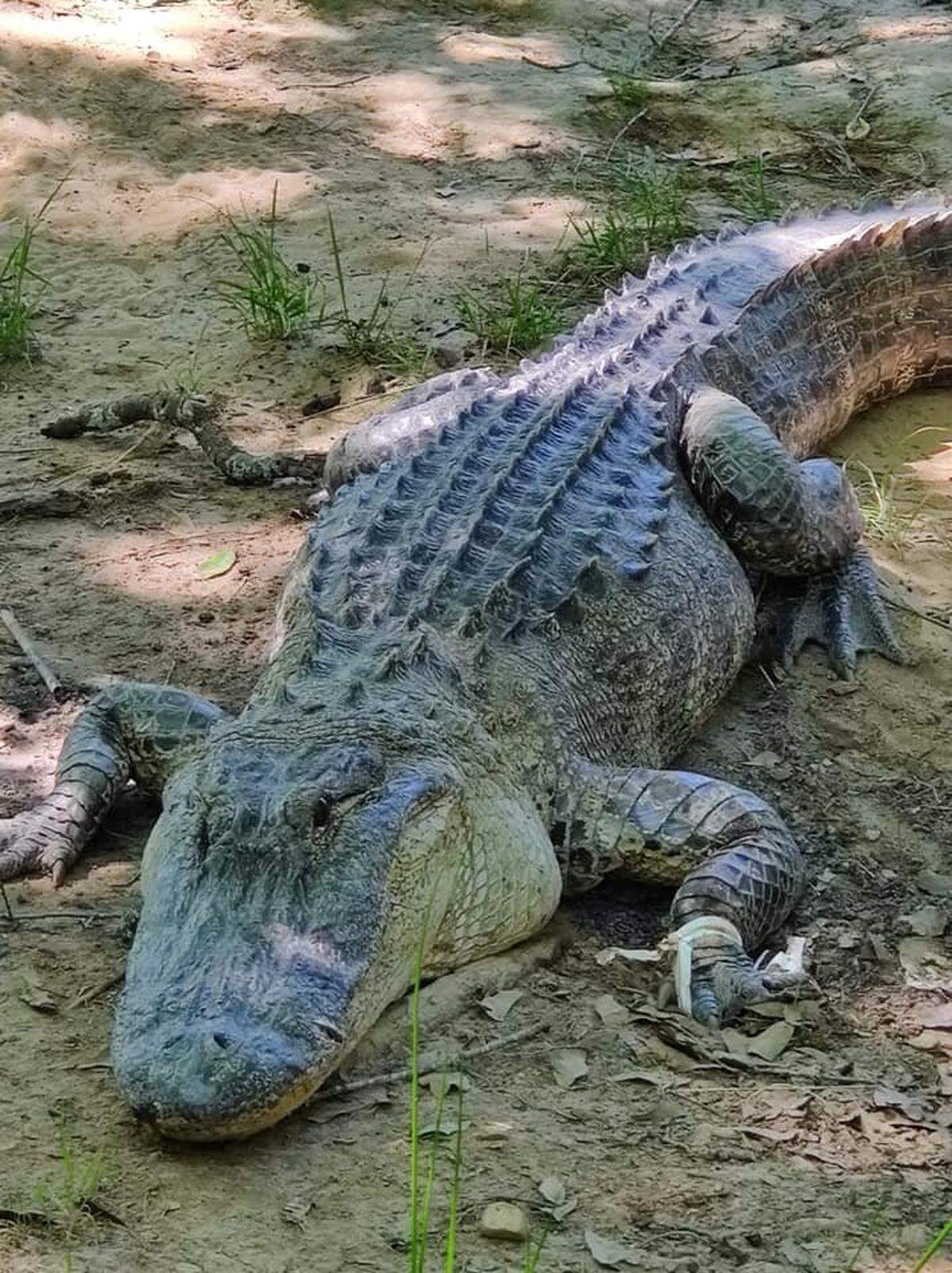
Alligator
American alligators can be found in every Mississippi County, but they are particularly fond of the coastal ones.
Southeast Mississippi (south of Hwy. 82) has the highest concentration of alligators in the state. Jackson County, the Pascagoula River basin and Pearl River have had several sightings.
Alligator attacks are rare, but not unheard of in Mississippi. None of the attacks have been fatal. The most recent one was in June 2022, when an alligator bit the hand of a 15-year-old at Red Creek.
This story was originally published June 28, 2024 at 5:00 AM.