The Mississippi Sound Coalition is courting allies in its David v. Goliath battle against the U.S. Army Corps of Engineers to save the Coast’s identity, environment and economy, its leaders said during a meeting Thursday.
“If you remember only one thing we say today, please remember this: The Mississippi Sound as we know it will be a dead sea within a generation if the United States of America doesn’t change the way it manages the Mississippi River,” Gerald Blessey, the coalition’s manager and co-counsel, told a group of 150 Gulf Coast Business Council members gathered Thursday.
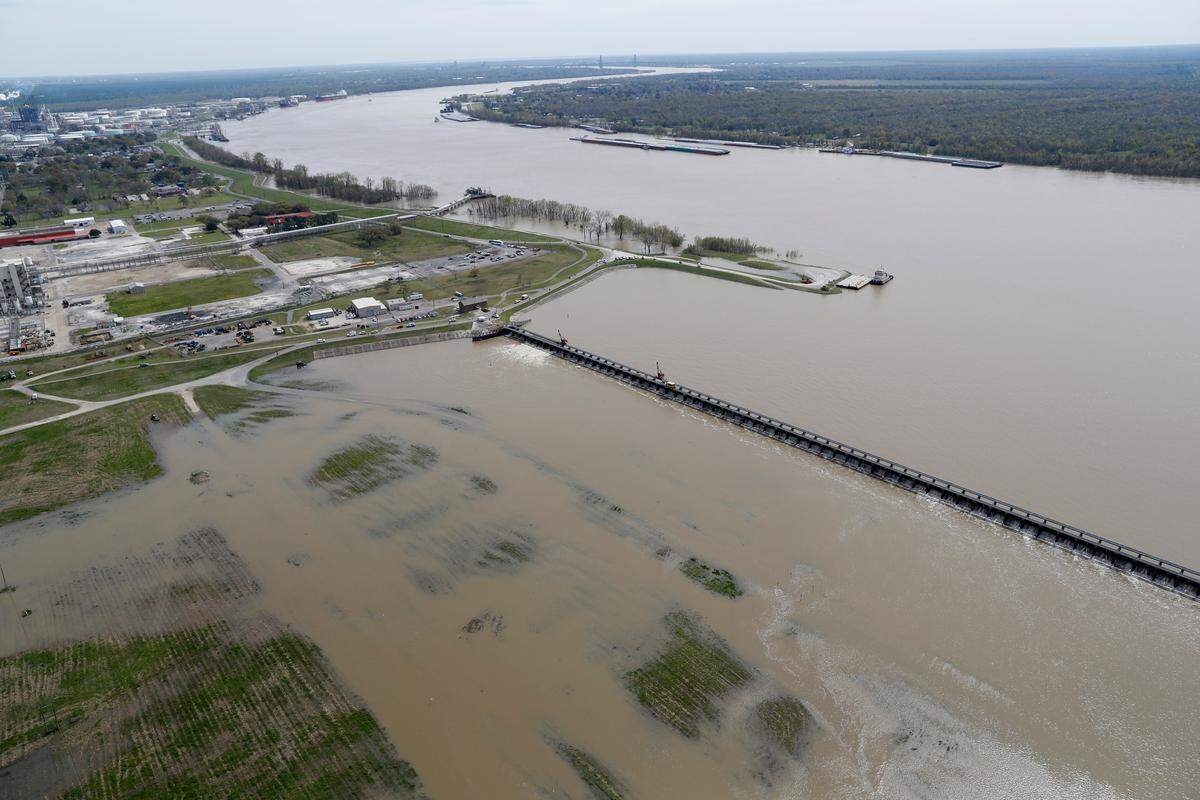
Blessey was referring to the Army Corps’ protocol, developed almost 100 years ago, to control Mississippi River flooding by releasing the polluted water through the Bonnet Carré Spillway into Lake Pontchartrain and the Mississippi Sound beyond.
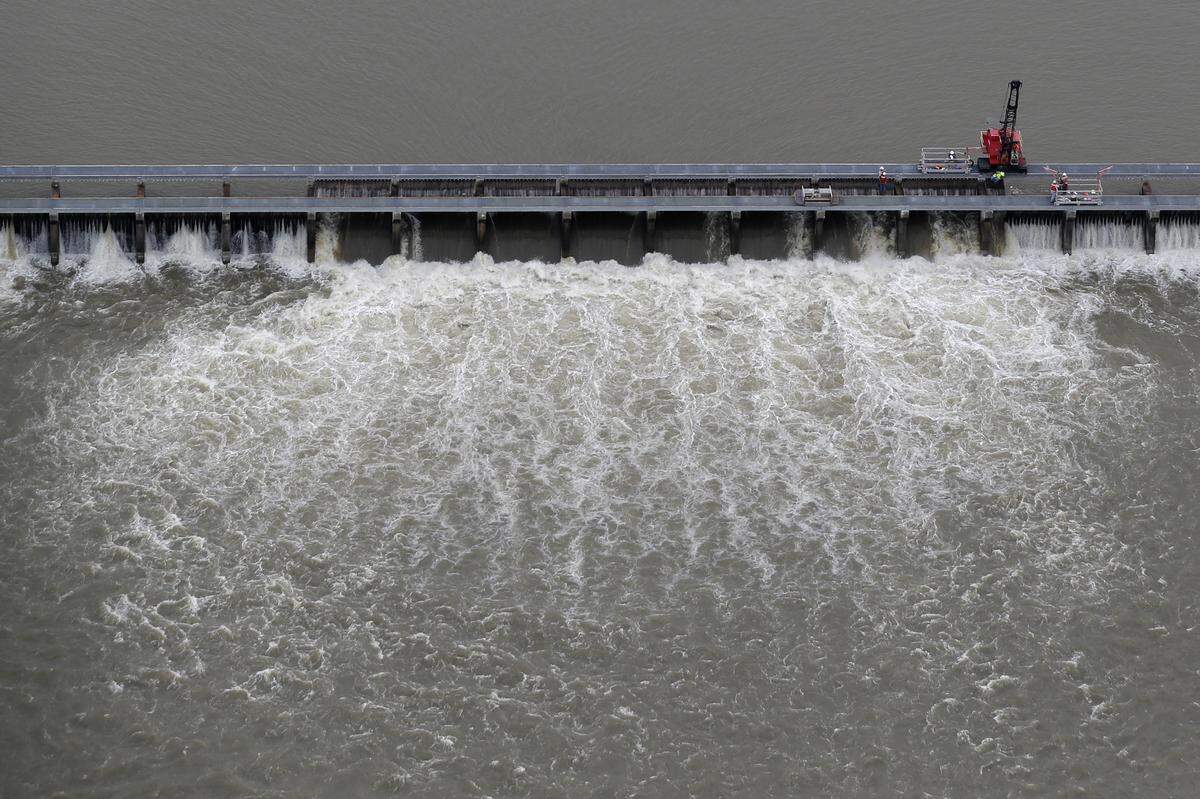
More frequent flooding in the last decade means the Bonnet Carré has opened a record number of times and, in 2019, for the longest period in history, 123 days. The result was disastrous for Coast tourism and the environment. All the oysters in the western Mississippi Sound died, as did at least 10% of the dolphin population. The Mississippi Sound closed for fishing and swimming through the height of tourist season because pollutants in the water created toxic algae blooms.
Workers in May 2019 open bays of the Bonnet Carré Spillway to divert rising water from the Mississippi River to Lake Pontchartrain, upriver from New Orleans, in Norco, Louisiana. This was the first time the spillway had opened twice in one year, for a record total of 123 days. The polluted river water eventually reached the Mississippi Sound, with devastating consequences. Gerald Herbert AP
La. river diversion threat looms
Yet the Corps’ focus on the river water’s impacts have historically focused on Louisiana waters. That is changing, thanks in part to the coalition’s efforts. The group of government and nonprofit entities has challenged the Corps in court, forcing the agency to consider the impacts of Bonnet Carré openings on the Sound.
The coalition believes the Corps should consider alternatives to full-throttle Bonnet Carré openings, including the release of floodwater through structures located further upriver.
However, the historic flood protocol remains in force and another threat looms: Louisiana wants to divert more river water in an effort to build up its eroding marshes with silt the water would deposit. That water also would make its way into the Sound, forever altering the mix of salt and freshwater that makes the estuary home to shrimp, fish, oysters, crabs, dolphins and other aquatic life.
The project is called the mid-Breton diversion. Ironically, it’s being funded with some of the same money from the BP oil spill that has been poured into Mississippi in failed attempts to revive the oyster population.
In this March 8, 2018 file photo, workers open the gates of the Bonnet Carre spillway, which diverts water from the rising Mississippi River, above right, to Lake Pontchartrain. The Corps has opened the spillway a record number of times in recent years to prevent flooding in New Orleans. Gerald Herbert AP
Business community enlisted to save MS Sound
Blessey and other coalition members implored business people to get involved in the fight to save the Sound.
“We lose the Sound, we lose our way of life,” said coalition chair and Harrison County Supervisor Marlin Ladner. “. . . We all know how important it is.”
Blessey asked that business people attend one of two public meetings scheduled for Tuesday, Feb. 27, in Bay St. Louis or offer comments through an online portal on a Lower Mississippi River Comprehensive Management Study the Corps is conducting. Comments can be submitted in writing to: USACE-MVN LMRComp C/O Project Management, 7400 Leake Ave., New Orleans, LA 70118, or by email to LMRComp@usace.army.mil.
The study will cover how the Corps should manage the lower Mississippi River, from Cape Girardeau, Missouri, to the Gulf of Mexico.
After the coalition’s presentation, Jamie Miller, executive director of the Gulf Coast Business Council, said members expressed interest in getting involved. As former executive director of the Mississippi Department of Marine Resources, Miller is familiar with the issues surrounding the Bonnet Carré and the Mississippi Sound’s importance to the Coast.
“Largely,” Miller told the Sun Herald, “I don’t think the business community has appreciated how desperate the issue has become.
“It’s not just an environmental catastrophe. It’s directly related to the economy, tourism, lodging, all the things we take for granted.
“We plan to participate where we can to make sure the entire Coast is aware of it.”
The business council claims 260 member companies, representing 75% of the Coast’s workforce.
A fisherman leaves Pass Christian harbor before sunrise, Monday, Jan. 18, 2016. One of the largest oyster beds in the country is off Pass Christian, but repeated openings of the Bonnet Carré Spillway have killed most of the oysters. Tim Isbell Sun Herald file
This story was originally published February 22, 2024 at 3:57 PM.
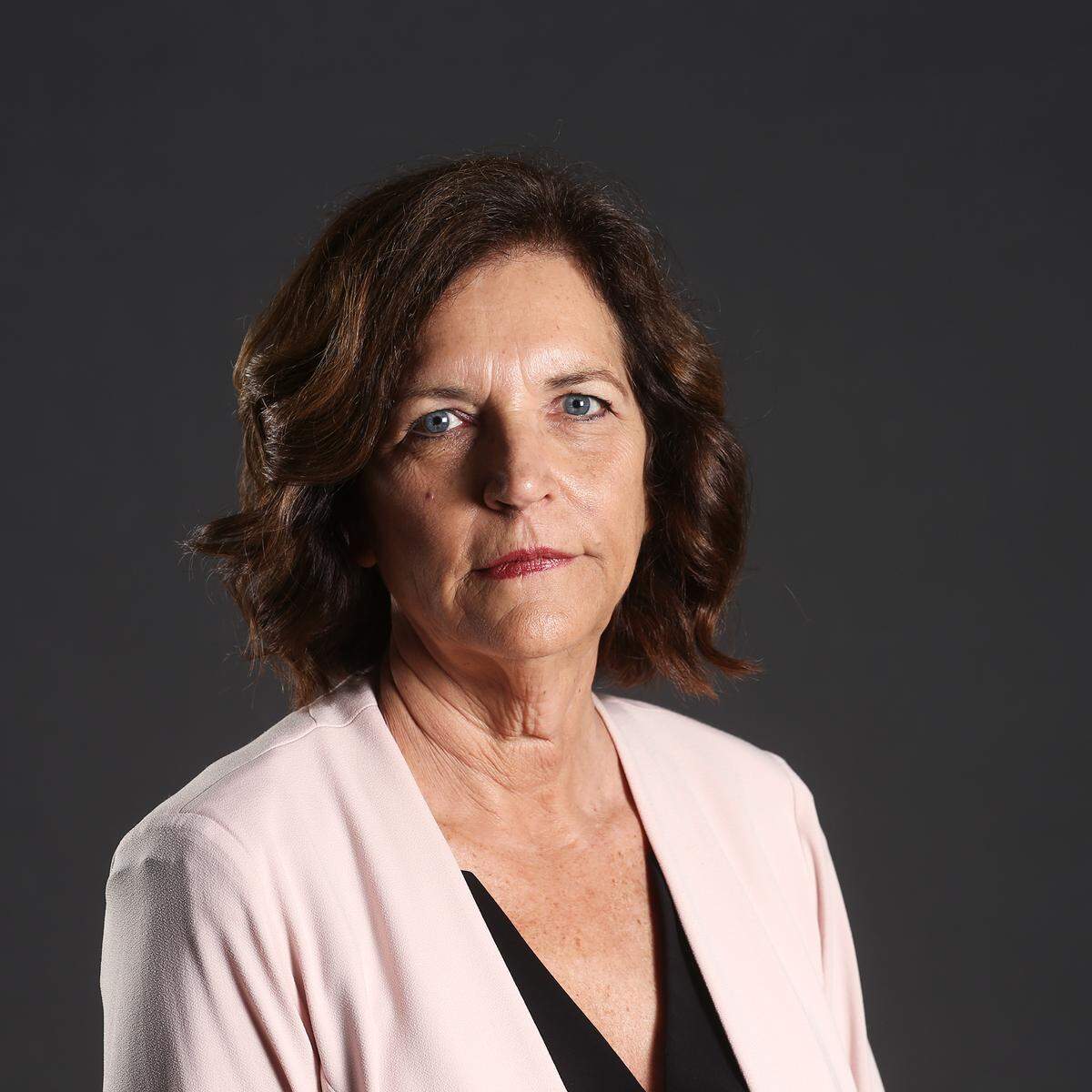
Anita, a Mississippi native, graduated with a journalism degree from the University of Southern Mississippi and previously worked at the Jackson Daily News and Virginian-Pilot, joining the Sun Herald in 1987. She specializes in in-depth coverage of government, public corruption, transparency and courts. She has won state, regional and national journalism awards, most notably contributing to Hurricane Katrina coverage awarded the 2006 Pulitzer Prize in Public Service.Support my work with a digital subscription