Judge rules Army Corps broke law with Bonnet Carré Spillway openings in Mississippi
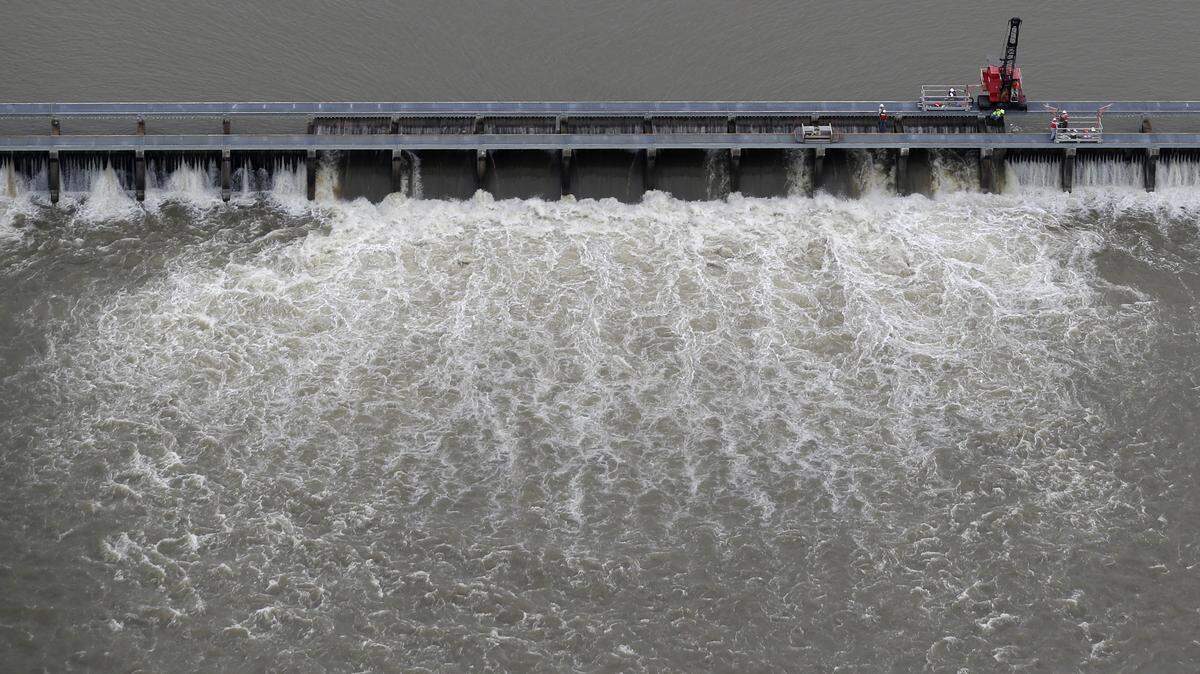
A federal judge says the U.S. Army Corps of Engineers violated federal law with Bonnet Carré Spillway openings, creating the threat of “imminent environmental harm” to fisheries in the Mississippi Sound.
U.S. District Judge Louis Guirola Jr. ruled in a lawsuit that the Army Corps violated the Magnuson-Stevens Act with Bonnet Carré openings because it failed to first consult the National Marine Fisheries Service.
The act requires the consultation because the Mississippi Sound is considered an “essential fish habitat.” It is home to dolphins, shrimp, oysters and many species of fish.
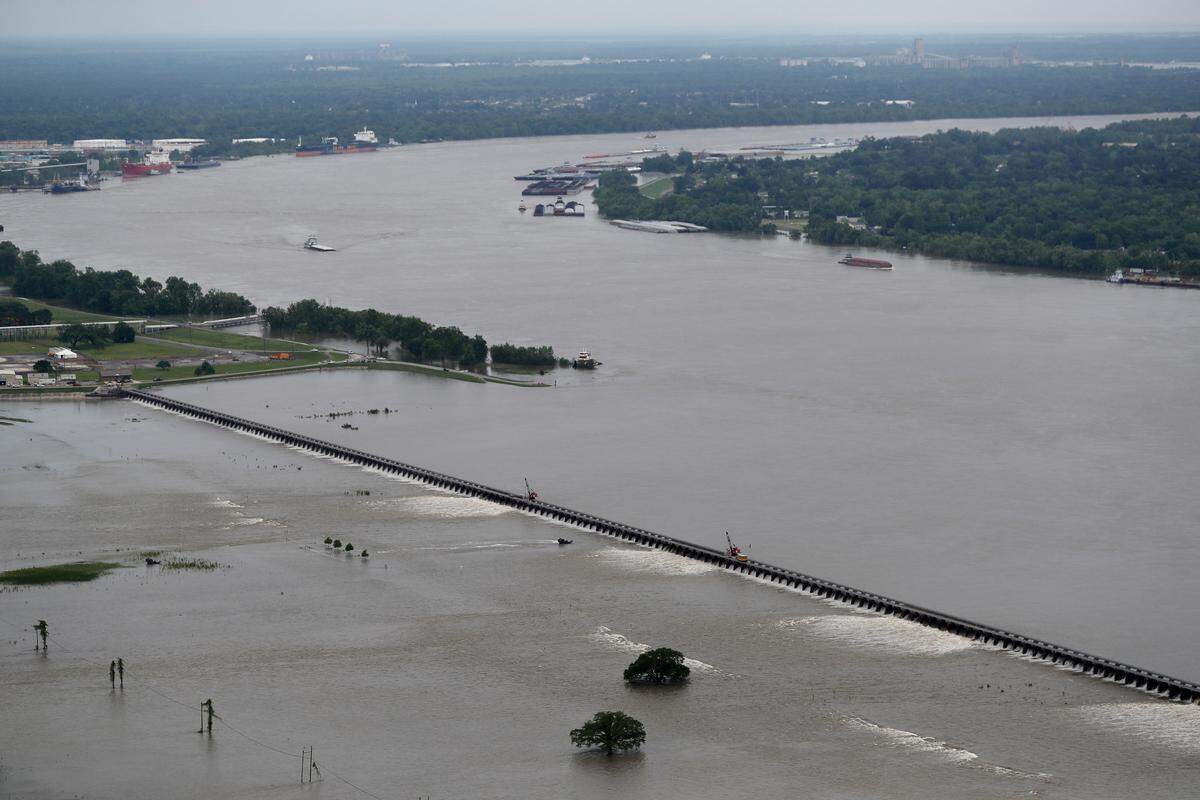
The Army Corps opens the Bonnet Carré under a federal protocol established in 1928 to prevent Mississippi River flooding in and around New Orleans.
River water flows into the Lake Pontchartrain and the Mississippi Sound beyond, reducing salinity levels necessary for oysters and other aquatic life. The river water also carries into the Sound nutrient-laden silt that pollutes the water and in 2019 caused a toxic algae bloom that closed the Sound to swimmers.
The Bonnet Carré has been opened 15 times since its completion in 1931. But six of those openings have occurred over the last 12 years, as flooding has become more frequent, with four of the openings between 2018-2020. Federal fisheries disasters were declared after the 2011 and 2019 openings.
Coast localities, along with representatives of the tourism and fishing industries, filed the lawsuit against the Corps in December 2019. The lawsuit followed the longest Bonnet Carré openings in history — 123 days — that covered the height of tourist season in 2019.
Guirola ordered the Army Corps to complete a consultation with the National Marine Fisheries Service by Sept. 30 about the impacts of spillway openings.
The judge said “persuasive” arguments about the damage the Bonnet Carré openings create were presented in sworn statements by commercial fisheries and tourism representatives, a scientist and Biloxi’s mayor.
Ryan Bradley, executive director of Commercial Fisheries United, said he got out of the oyster business after the 2019 Bonnet Carré opening. The opening killed about 95% of Mississippi Sound oysters because of low salinity levels. He said he also had to travel further for red snapper, increasing his costs.
“The 2019 spillway opening basically killed all of the recovering oysters and laid waste to millions of dollars in oyster restoration efforts,” Bradley wrote.
Linda Hornsby, representative of the Mississippi Hotel and Lodging Association, said that guests canceled or shortened stays on the Coast because of the 2019 opening. Biloxi Mayor Andrew “Fofo” Gilich described deserted beaches because of the algae blooms and said Biloxi’s tourism-driven economy suffered in other ways.
Will the ruling matter?
“It depends on whether the U.S. Army Corps of Engineers decides to work with the people of South Mississippi or against the people of South Mississippi,” said Robert Wiygul, an Ocean Springs attorney who filed the lawsuit.
He said the Army Corps has an opportunity to get advice from National Marine Fisheries on how to operate it’s flood-control system on the lower Mississippi River in a way that will not damage fisheries.
“This is an opportunity for the Corps of Engineers to be heroes, if they decide to take it,” he said.
The Army Corps of Engineers declined through a spokesman to comment because the litigation is ongoing. While Guirola closed the case, he will continue to monitor whether the Army Corps is following his order.
This story was originally published January 19, 2023 at 1:58 PM.