Louisiana’s plan to divert Mississippi River water is a death sentence for MS oysters
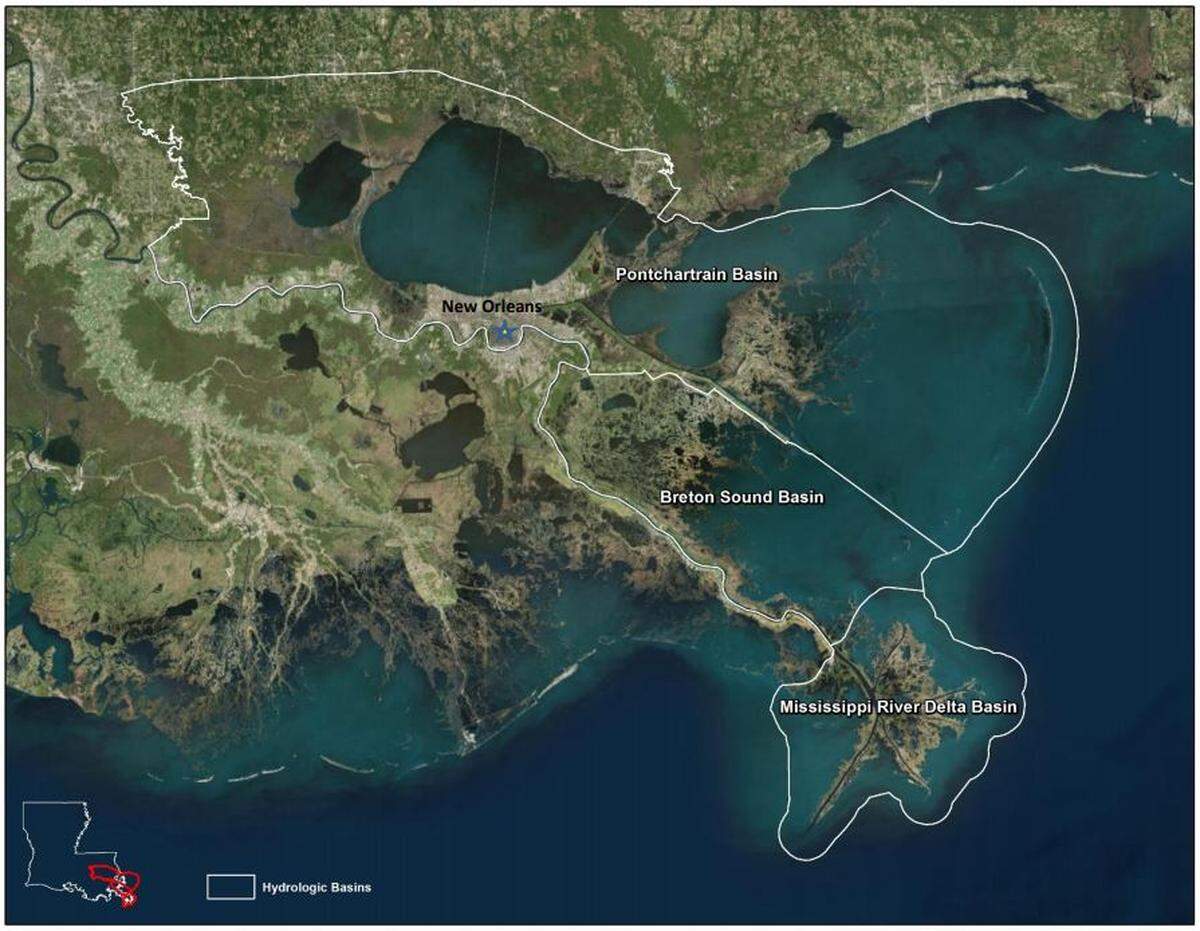
Most oysters in the western Mississippi Sound will likely die if Louisiana builds a structure to divert Mississippi River water into Breton Sound, a new scientific study shows.
Salinity in the Sound would drop below levels oysters can tolerate for 50 days or more each year in the Western Sound, where 97% of oysters have traditionally been harvested, the study says. To survive, oysters need the right mix of salt and freshwater, which the Sound has historically provided because of its mix of waters from the Gulf of Mexico and rivers and other waterways that feed into the Sound.
Oysters have historically been an economic mainstay for the Mississippi Gulf Coast. But they also are considered a keystone species because of the ecological benefits they provide. The filter feeders clean the water as they eat and their reefs serve as nurseries, feeding grounds and refuge for many aquatic species, including fish, shrimp and crabs.
Coast leaders say that Louisiana’s mid-Breton diversion threatens to permanently alter the Sound. They expect the study will provide ammunition to stop the plan or alter how the diversion would operate.
“I can tell you right now that it is not favorable to the Mississippi Sound for this to happen.” Joe Spraggins, executive director of the Mississippi Department of Marine Resources, told a group of political leaders, scientists and environmental advocates who gathered Thursday to hear about the study.
“Nobody made them look’ at MS
Scientists from the University of Southern Mississippi’s School of Ocean Science and Engineering ran a hydrodynamic model of the river diversion based on an 11-year average of Mississippi River flows. It is the first scientific study of how the mid-Breton diversion of the river would affect the Sound.
Louisiana’s studies of the proposed diversion have not extended to the Sound, said Jerry Wiggert, a professor and associate director of the ocean engineering school, and an author of the study.
“They just didn’t look because nobody made them look,” he said.
The hope among Coast officials is that the mid-Breton’s negative impacts on the Mississippi Sound will be considered as the U.S. Army Corps of Engineers completes an environmental study to decide whether the project should be approved.
Mid-Breton is one of two Mississippi River diversions Louisiana plans to rebuild wetlands that are rapidly vanishing. River sediment built up the land before levees cut off the flow. The diversion would be passive, feeding river water and sediment into Breton Sound based on the river’s height.
The Army Corps already has approved a river diversion into Barataria Bay southwest of New Orleans, but a decision on mid-Breton is not expected until late 2024.
Repeated openings of the Bonnet Carré Spillway to avoid river flooding of New Orleans have shown what too much river water does to the Sound. The water from the spillway reaches the Sound through Lake Ponchartrain.
Record 123-day openings in 2019 killed almost all the oysters in the western Sound and most of those in the rest of the waterway, which runs into Alabama. Oyster reefs in the western Sound have yet to recover.
This story was originally published February 10, 2023 at 9:50 AM.