Hurricane Katrina rearranged Coast life in big ways. 20 years later, here’s how
AI-generated summary reviewed by our newsroom.
- Hurricane Katrina caused $201.3B in damages, making it the costliest single U.S. disaster.
- Mississippi casinos moved to land after Katrina destroyed floating barge locations.
- Katrina spurred federal forecasting upgrades and growth in volunteer disaster response.
Meteorologist Richard Knabb was working his first season as a forecaster at the National Hurricane Center when Hurricane Katrina hit Category 5 status in the Gulf of Mexico.
He was pulling together updated forecasts on the overnight shift and had just seen the latest aircraft data. He called the hurricane hotline, alerting National Weather Service personnel in the Gulf to the hurricane’s status.
“When I told them what the aircraft had found and that it had reached Category 5, all I remember is complete silence on the line,” Knabb recalls. “You know, usually people react or have a comment or say something after that, but everybody was just kind of taking in the moment like, ‘Oh my goodness, this is maybe something unlike we’ve ever seen before.’ ”
Twenty years ago today, people on the Mississippi Gulf Coast and in New Orleans were about to endure the costliest natural disaster — and one of the five deadliest — in the nation’s history. On the Mississippi Coast, Katrina supplanted 1969’s ferocious Hurricane Camille as the worst hurricane residents thought possible.
Camille was a Category 5 hurricane at landfall near Waveland, with maximum sustained winds estimated at 175 mph.
Katrina made its third and final landfall at the mouth of the Pearl River, also near Waveland, with maximum sustained winds of 121 miles per hour. But what Katrina lacked in wind power, it compensated for in size. The hurricane wind field stretched 75 nautical miles east of the center, the National Hurricane Center’s final report says, while Camille’s hurricane-force winds extended 40 miles.
The storm surge in Camille was almost 25 feet — the highest ever recorded — in Pass Christian. Katrina topped that record with a storm surge of almost 28 feet, also on Mississippi’s southwestern shores.
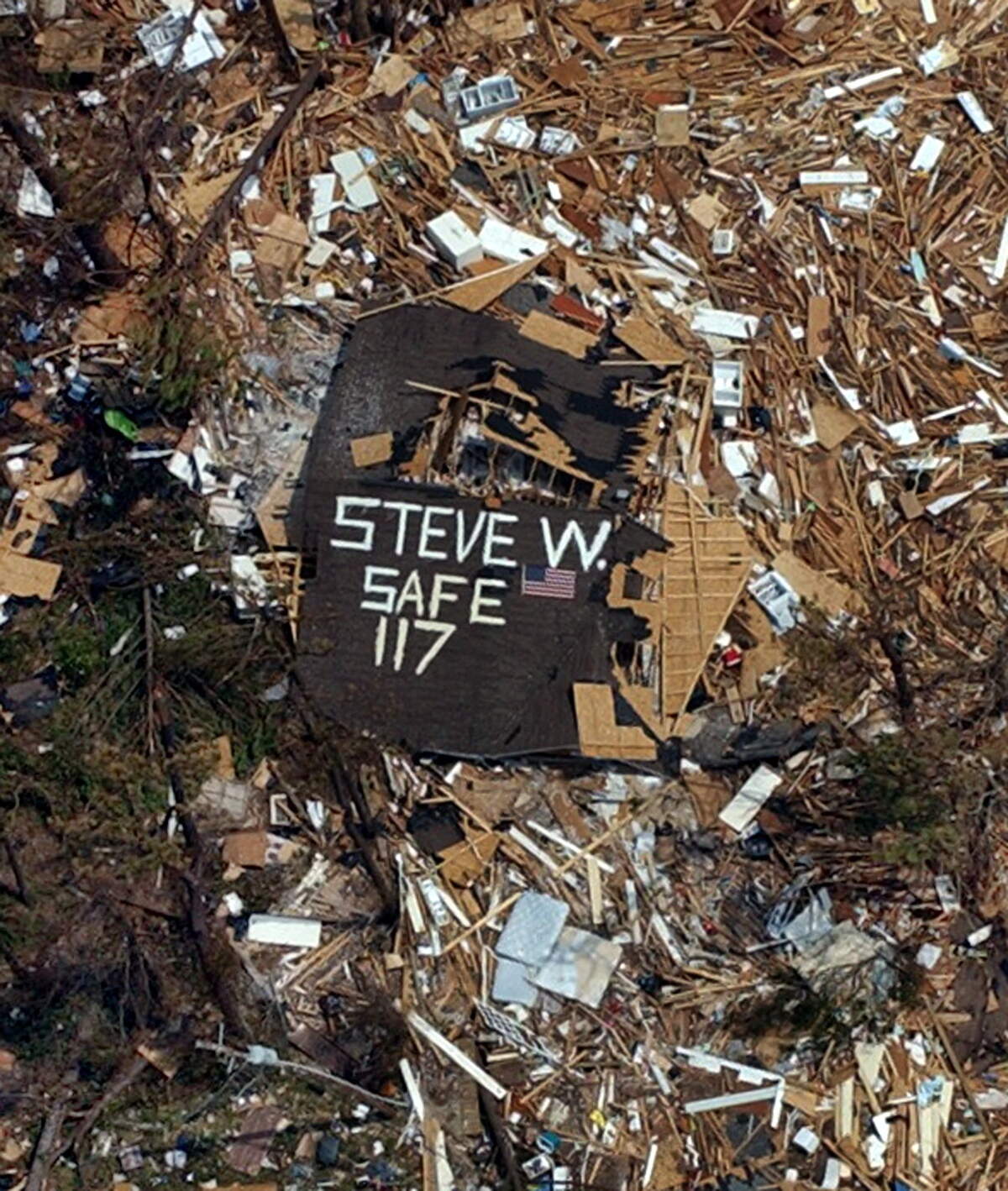
Katrina “was a huge hurricane,” said Knabb, who later served as National Hurricane Center director, and is now The Weather Channel’s hurricane specialist and tropical program manager. “And I think that’s what people are surprised by, how wide of a swath of land, how high of a devastating storm surge it produced in Louisiana and Mississippi and even over to Alabama, even at a Category 3, because the category is the wind scale, and that does not account for horizontal size and the shape of the coastline. And the Northern Gulf Coast is extraordinarily vulnerable to storm surge.”
On the Mississippi Coast, the hurricane wiped away much of our history, rearranged the landscape and ushered in land-based casinos, as opposed to gambling barges on water.
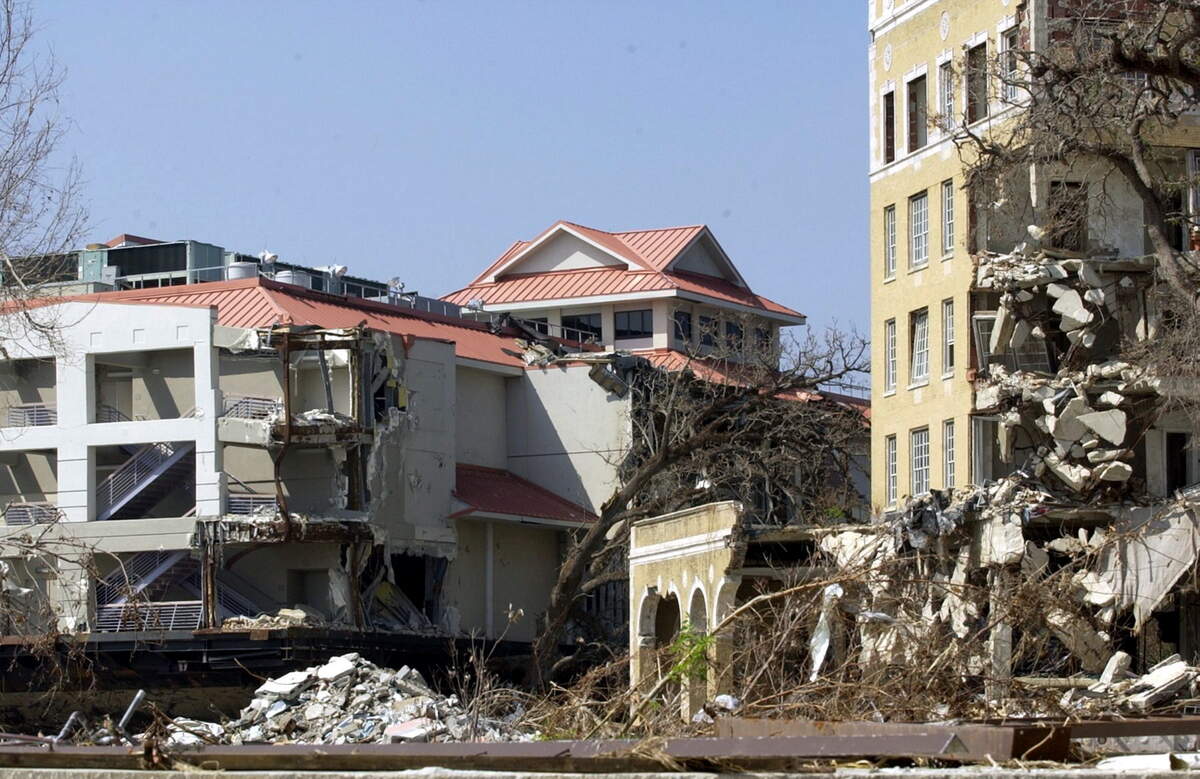
The National Hurricane Center’s report on Katrina, with Knabb as lead author, said: “The storm surge of Katrina struck the Mississippi coastline with such ferocity that entire coastal communities were obliterated, some left with little more than the foundations upon which homes, businesses, government facilities and other historical buildings once stood.”

Hundreds died in MS, LA
Katrina killed 1,392 people, either directly or indirectly, across five states.
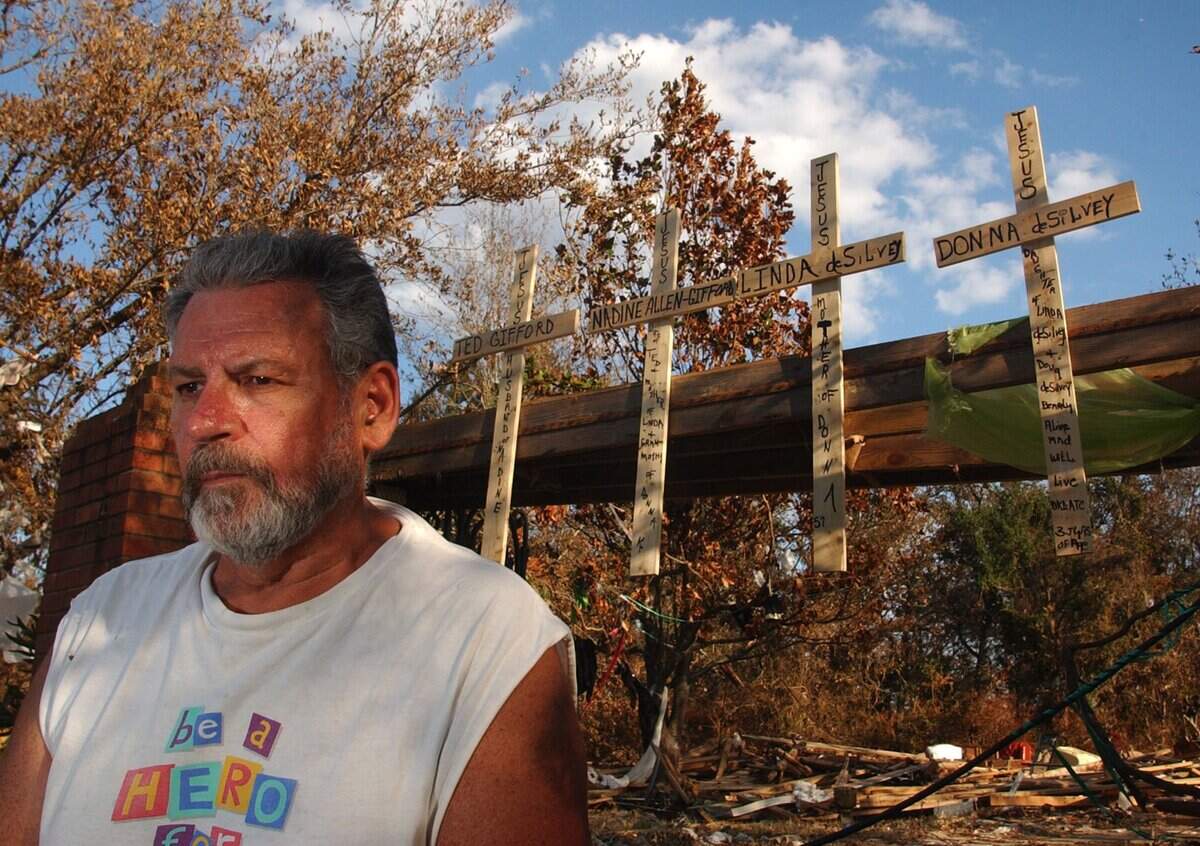
The highest death tolls were recorded in New Orleans, where most of the city flooded after levees failed, and along the Mississippi Coast. Katrina directly killed 341 in Louisiana and 172 in Mississippi.
After the hurricane, the Sun Herald reported on a Pass Christian mother who sat on her porch, her dead baby wrapped in a blanket. She had come home from work to find her husband’s body on the kitchen floor and their baby’s body on the kitchen counter.
She waited hours for the bodies to be picked up.
The day after Katrina, in East Biloxi, emergency workers dug through mountains of rubble to recover bodies. Storm surge had washed over the peninsula’s tip. As a Sun Herald reporter interviewed survivors searching for loved ones, she saw a body bag holding remains on the sidewalk. A hearse eventually rolled up to retrieve the body.
A now-familiar saying goes that Hurricane Camille killed more people on the Mississippi Coast in 2005 than it did in 1969. Because people survived Camille, they stayed to face Katrina. Some drowned.
Camille spun ashore Aug. 17, 1969. The hurricane killed 143 people in Mississippi and another 113 in Virginia floods, National Hurricane Center records show.
South MS loses historic properties
“Stairs to nowhere” from 1969’s Camille served as a reminder of a hurricane’s power until Katrina swept in 36 years later, demolishing those stairs and leaving behind others that once climbed to the generous front porches that graced so many Coast homes.
Katrina took hundreds of the Mississippi Coast’s historic homes and buildings.
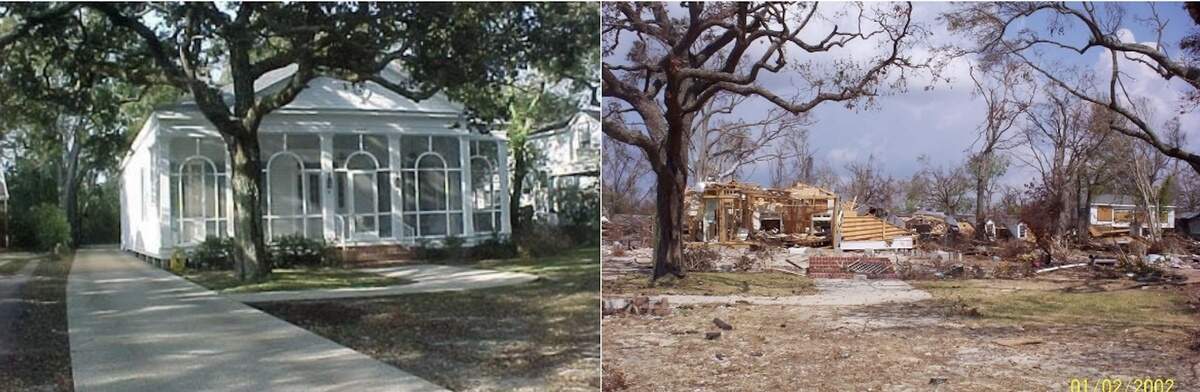
The Scenic Drive Historic District in Pass Christian, home to a bevy of beautiful beachfront mansions and cottages, lost 70 historic homes — more than half its inventory, Preservation in Mississippi reported. Bay St. Louis lost 189 of 693 properties in its Beach Boulevard Historic District, the same publication reported. Damage extended to the opposite end of the Coast, where the Pascagoula Scenic Drive Historic District lost 70 of 135 buildings, mostly homes.
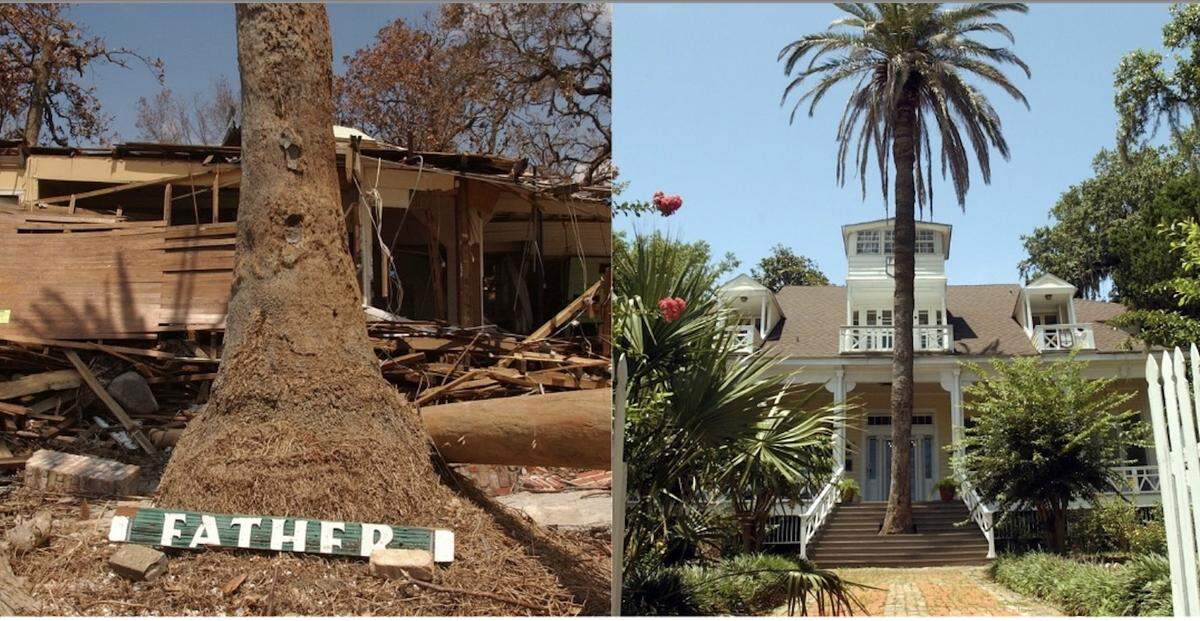
Bruce Stinson, archivist for the Pass Christian Historical Society, mourned the loss of so much beauty on Scenic Drive.
“I was flabbergasted,” he said. “Here were homes that dated back to 1850 and survived some pretty big hurricanes and they weren’t (there) anymore.”
Ken P’Pool, then the deputy state historic preservation officer, wrote in one report: “These great houses that lined Mississippi’s Gulf Coast were works of architectural art.”
His report noted that at least 1,200 historic properties survived the storm. P’Pool and colleagues from the state Department of Archives & History inspected and assessed damage under difficult conditions. Staff members at first drove daily to and from Jackson, some 160 miles north, because there was no place to stay on the Coast.
Millions of dollars in grants and federal funding helped restore historic properties. Architects, preservation specialists, engineers and other volunteers poured in to support the small staff, helping to save historic treasures.
P’Pool concluded his report by writing that “the loss of so many wonderful historic structures made those that remained all the more important to preserve and restore. They are the symbols of stability and continuity around which the communities rallied and rebuilt.”
Casino damage changes MS law
Things never went back to the way they were at the Coast casinos after Hurricane Katrina.
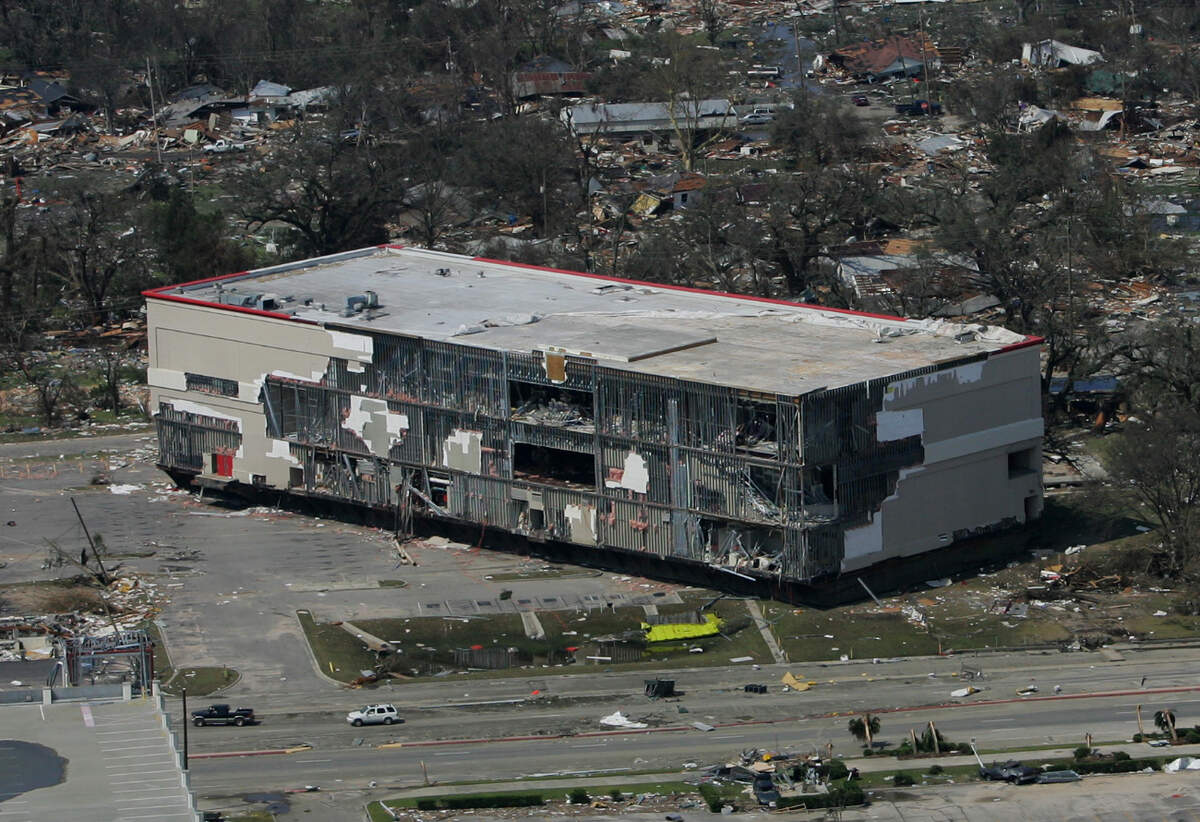
Before Katrina, state law required that casinos be built on the water. All 12 of the Coast’s casinos, from Bay St. Louis to Biloxi, were heavily damaged or destroyed in the hurricane. Katrina’s surge shoved several barges to the north side of the beach highway, where they crashed into buildings.
Casino barges moored on the water washed ashore, banging into buildings north of the highway. Treasure Bay Casino’s pirate ship casino was shot out by Katrina’s storm surge and Hard Rock Casino was demolished just days from opening.
Many of the Coast casinos were owned by operators in Las Vegas, and there were threats they wouldn’t rebuild on the Mississippi Gulf Coast unless regulations changed. State legislators voted to preserve casino jobs and tax revenue by allowing casinos to be built on land.
South Mississippi still has 12 casinos, after three never reopened and three others were built on land instead of over water — Silver Slipper, Scarlet Pearl and Margaritaville.
“Those casinos that came here in the wake of the hurricane clearly had a high level of confidence in the leadership in our state, in the leadership on the Gulf Coast of Mississippi, in order to deal with the natural disasters that are clearly part of the price of doing business in our community,” said Jerry St. Pe, the chairman of the state Gaming Commission during Katrina.
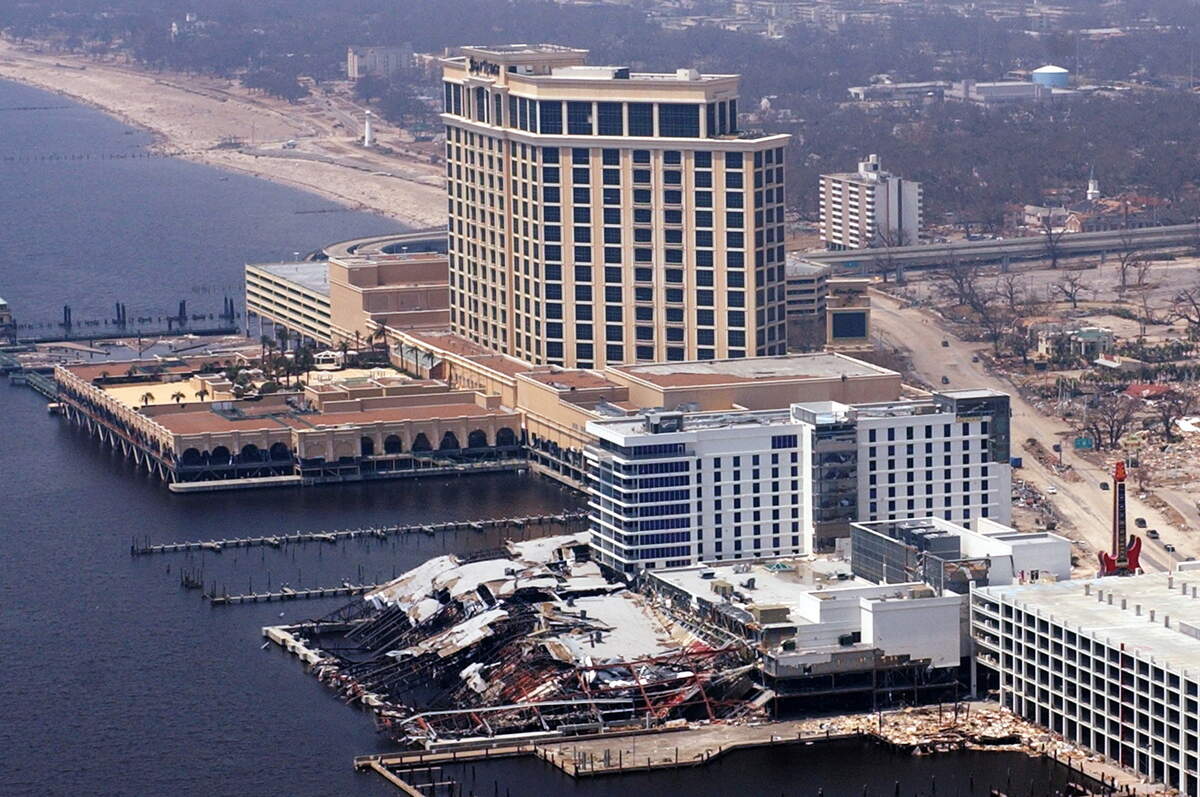
Cashless casinos were another big change at casinos in South Mississippi and nationwide soon after Katrina. Casino staff no longer must count nickels, dimes and quarters when casinos close during tropical weather. “Most of these casinos can shut down and get money transferred very quickly,” said Jay McDaniel, the Gaming Commission’s executive director.
Celebrity chefs such as Emeril Lagasse and Todd English opened restaurants at the Coast casinos after Katrina to help the area rebuild jobs and revenue. In the 20 years since, most of the celebrity restaurants are memories. In South Mississippi fashion, the celebrity chefs now are locals such as Austin Dedeaux, whose culinary skills made BR Prime at Beau Rivage Resort and Casino one of the best restaurants in the state. He is doing the same at Coraline’s seafood restaurant at the Beau Rivage.
Insurance market tightens, rates skyrocket
In today’s dollars, Hurricane Katrina represented $104 billion in insured losses, including flood damage covered by the National Flood Insurance Program.
“In the greater scheme of things, Katrina, to this day, remains the most costly disaster in U.S. history from an insured loss perspective, which is quite remarkable,” said Robert Hartwig, who in 2005 was chief economist for the industry-sponsored Insurance Information Institute and is now director of the Risk and Uncertainty Management Center at the University of South Carolina.
Katrina also remained the nation’s costliest natural disaster overall at $201.3 billion, a branch of the National Oceanic and Atmospheric Administration reported in 2024. The California wildfires in early 2025 appear to have exceeded the cost of Katrina, at an estimated total of more than $250 billion.
After Katrina, the insurance industry accelerated its use of catastrophe bonds sold to investors to help cover risks. The industry uses the bonds, which can yield significant returns when losses are low, to attract investment in areas prone to hurricanes and other catastrophes, including wildfire, Hartwig said.
The industry also has promoted stronger building codes, which have been adopted across South Mississippi, though not statewide, and fortified construction standards. Homes fortified to industry standards can qualify for discounts.
While both Louisiana and Alabama have programs that incentivize homeowners to fortify their properties, the Mississippi Insurance Department and state Legislature have been unable to agree on program terms for Mississippi. Alabama adopted its program in 2016, while Louisiana’s started in 2023.
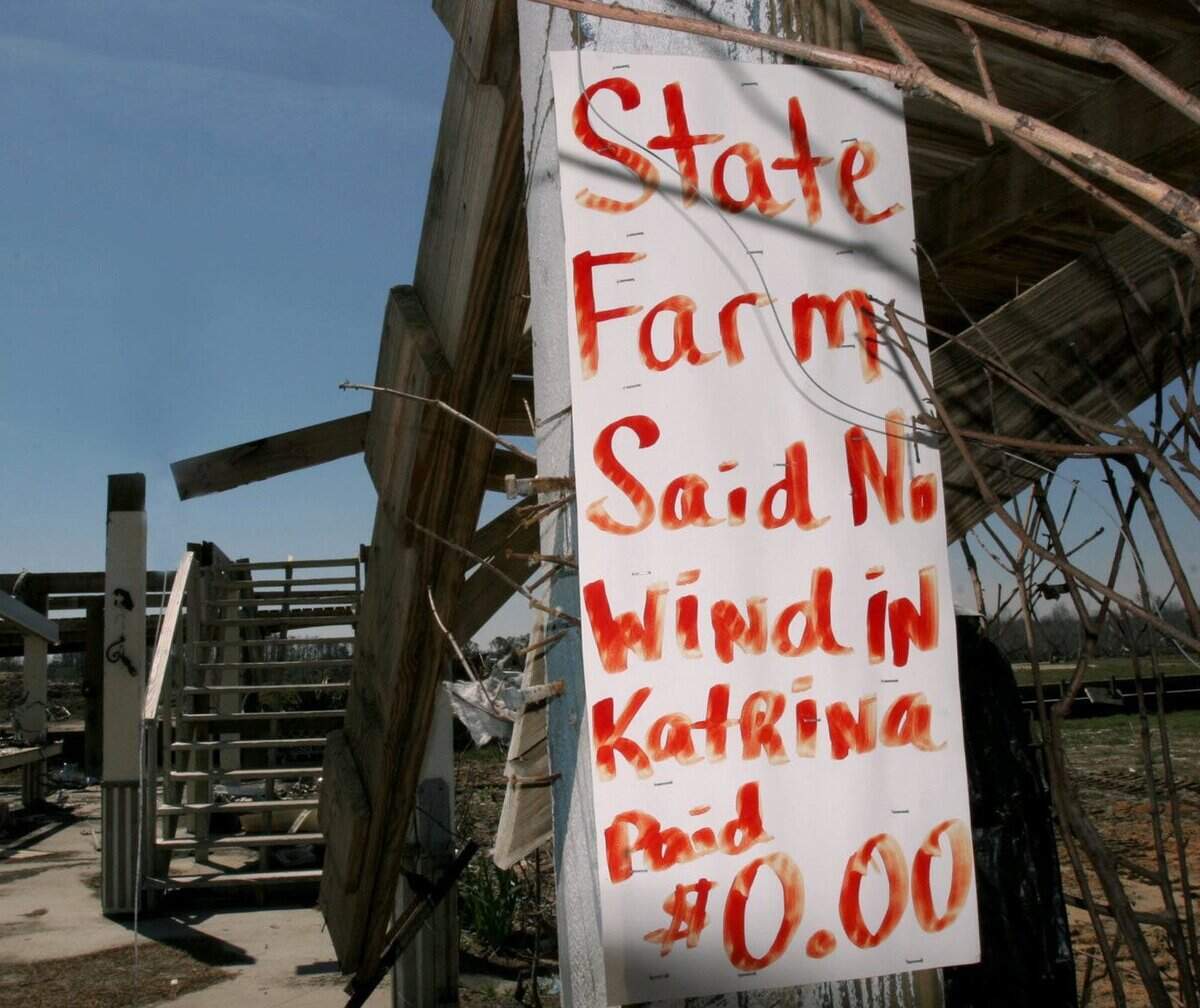
After Katrina, Mississippi Coast residents found their property insurance costs sharply increasing while availability shrunk. Some major insurance carriers will no longer cover properties along the waterfront.
Flood insurance rates have also sharply increased for residents in flood-prone areas. The Federal Emergency Management Agency set new elevation standards after Katrina. Homes and businesses built back along the waterfront are on stilts. In areas where residents were unable to afford elevation costs, such as East Biloxi, many lots remain vacant.
Yet coastal areas continue to attract residents, Hartwig said. He said that hurricane losses have increased 80-90% since 1970, primarily because of population growth in vulnerable areas and changes in hurricane activity. Over the next 20 years, he said, storms and floods are expected to grow more intense.
“Occasionally, the sea is going to visit you and you can’t forget that,” he said.
He added: “Efforts to try to contain climate change will be set back in the current administration. People voted for that and will have to live with the consequences.”
Weather forecasting improves
Hurricane Katrina led to a federal investment in research and, subsequently, major advances in hurricane forecasting and modeling.
The familiar Saffir-Simpson Scale had always been used to communicate risk to the public, rating hurricanes based on the wind’s intensity from a Category 1 up to Category 5. But the scale proved wholly inadequate to convey the risk people faced from storm surge.
“Katrina was one of the storms that really provided momentum to implement a storm-surge warning and to de-emphasize the use of the Saffir-Simpson hurricane wind scale for anything but wind,” meteorolgist Knabb said. During his stints at NOAA, including as Hurricane Center, Knabb was involved in development of a storm-surge warning.
Knabb said he believes people better understand today that lower-intensity hurricanes can still produce devastating storm surges.
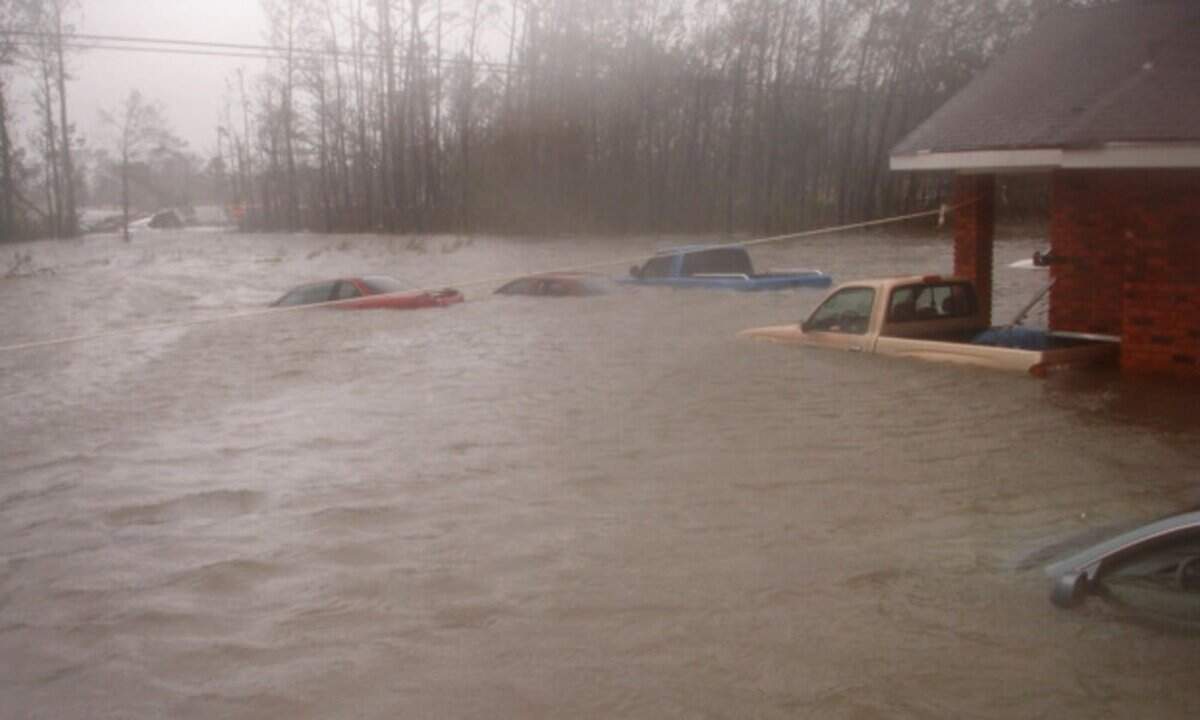
Both NOAA and the National Weather Service provided dire warnings ahead of Katrina. NOAA produced an accurate forecast track three days in advance of Katrina. The agency warned the day before Katrina that storm-surge flooding could be 18 to 22 feet above normal and accurately reported surge levels could reach 28 feet.
A bulletin from the National Weather Service in New Orleans that has since been widely cited used dire language to describe the damage Katrina would inflict, mostly describing the impacts of Category 5 winds. The bulletin started with this warning: “EXTREMELY DANGEROUS HURRICANE KATRINA CONTINUES TO APPROACH THE MISSISSIPPI RIVER DELTA . . . DEVASTATING DAMAGE EXPECTED . . . MOST OF THE AREA WILL BE UNINHABITABLE FOR WEEKS.”
Today, because of Katrina and subsequent hurricanes with major surge impacts, such as Hurricane Sandy in 2012, NOAA continues to improve its storm-surge forecasting and this summer introduced a tool that can alert the public to those threats with more precision.
In announcing the improvement, NOAA said, “In the past 50 years, nearly 50% of all deaths associated with tropical cyclones were from storm surge in the U.S.”
Katrina expands faith-based catastrophe response
Volunteers from nonprofit and faith-based organizations poured in after Hurricane Katrina, mucking out mud-filled houses, wielding chainsaws and, eventually, repairing and rebuilding homes for residents who lacked the resources to do so.
Organizations saw their budgets — and catastrophe response operations — grow.
Jerry Grosh came aboard at Mennonite Disaster Service in 2006, one of four hires in response to Katrina. The organization has grown from around half a dozen staffers before the hurricane to more than 30 today, said Grosh, who currently serves as interim director of operations.
“Katrina really started that process because Katrina was so big in terms of media publicity and in the hearts of the U.S. population,” Grosh said.
He said the organization, which had a pre-storm budget of $1 million, received $8 million in donations in response to Katrina.
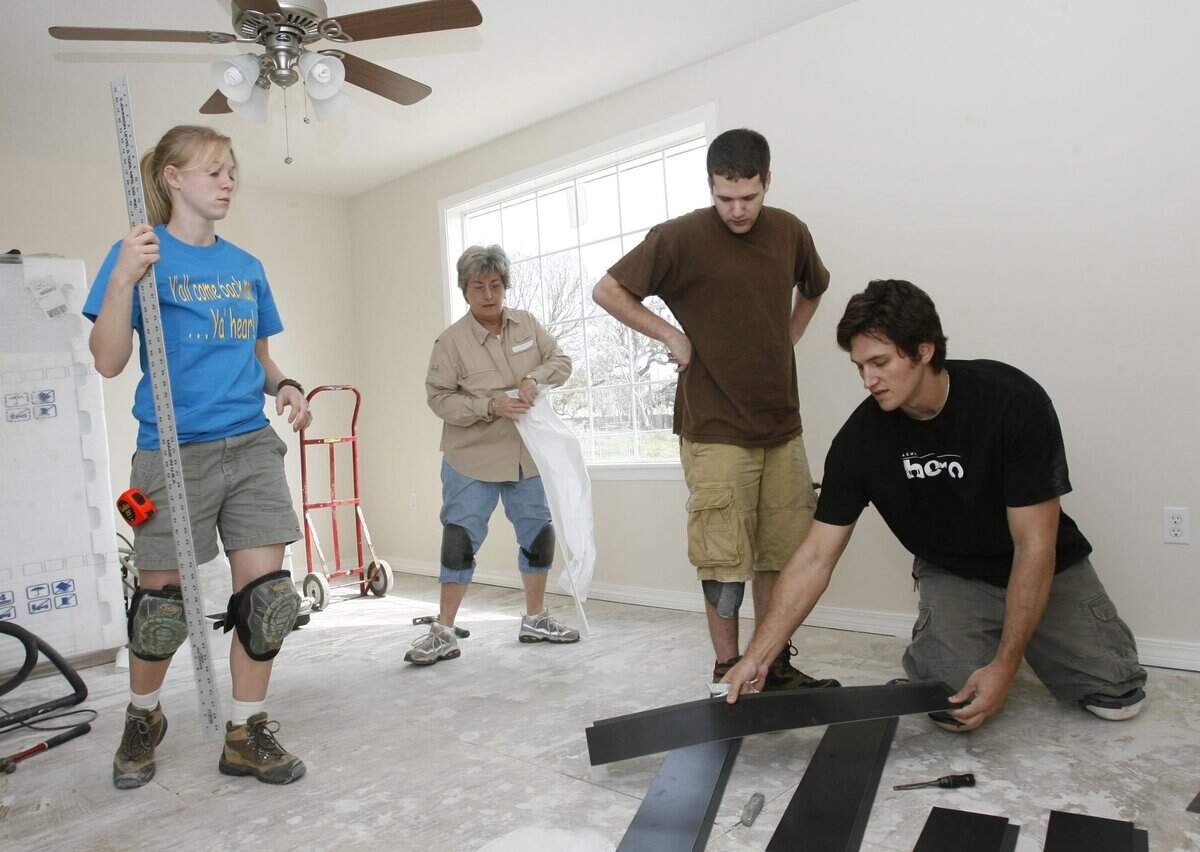
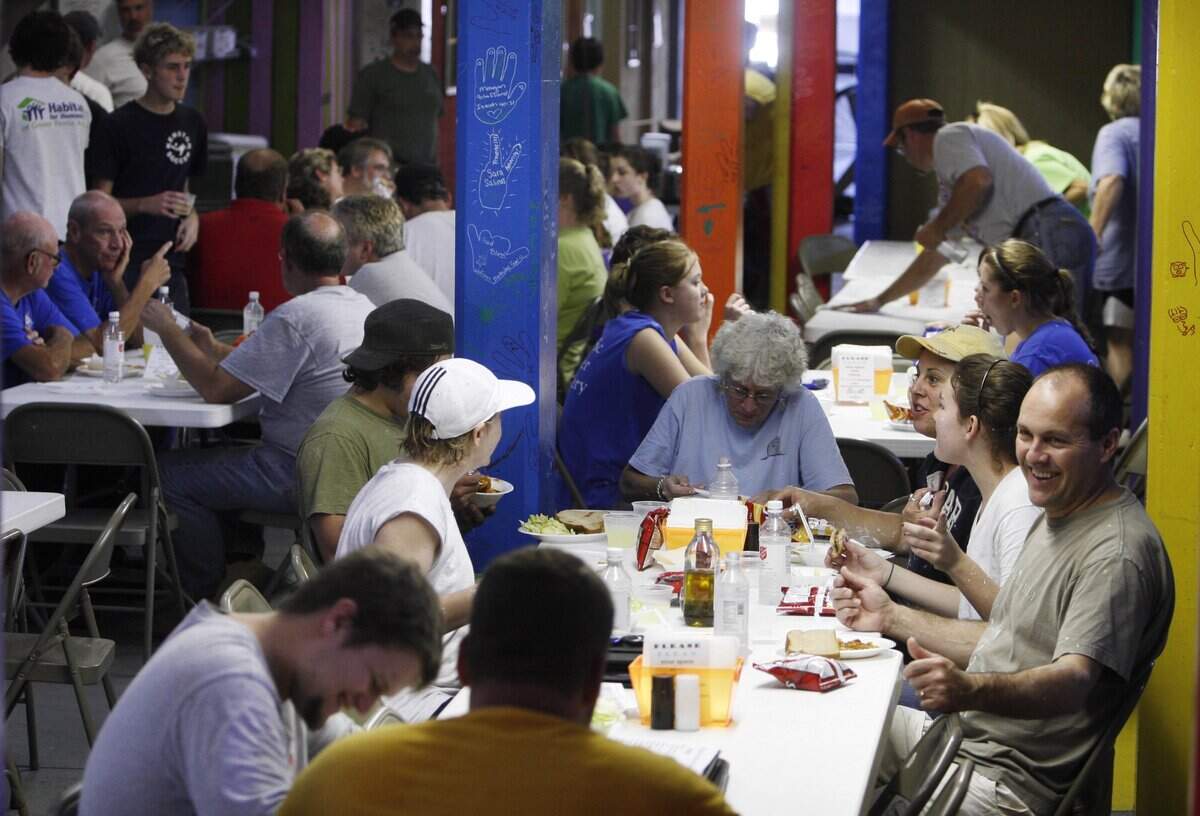
Mobile homes were set up for volunteers in what became known as Camp Gospel. Mennonites, Amish and Free Methodist volunteers worked out of the camp in Pass Christian for six years, Grosh said.
He said the Mennonites rebuilt 45-50 homes from Camp Gospel, while the Amish completed even more because of the size of their volunteer force. Katrina was one of the hurricanes that led the Mennonite group to develop its own set of house plans so that construction would go more smoothly and homes could be built to wind-rated standards for future storms.
“Katrina motivated a generation of volunteers,” Grosh said. “This wasn’t just us, this was across organizations.”
The United Methodist Committee on Relief also launched a big Mississippi Coast response to Katrina. Jim Cox, UMCOR’s executive director today, was directly involved with UMCOR’s Katrina relief work.
Another important lesson from Katrina, Cox said, was the need for case management to assess resources and needs of disaster survivors. He said that a consortium of 10 faith-based partners had 2,500 case managers working across 30 states after Katrina because survivors were forced to relocate, at least temporarily.
Katrina, Cox said, “really launched the importance of volunteerism, particularly from a faith-based perspective.”
From wildfires out west to flooding in Texas, the need for volunteer disaster services is greater than ever. Information on donating to UMCOR is here, while Mennonite Disaster Service accepts contributions here.
Sun Herald reporter Mary Perez contributed to this article.
This story was originally published August 27, 2025 at 5:00 AM.