A look at historic homes, buildings lost to Katrina — and how many were saved
AI-generated summary reviewed by our newsroom.
- Preservation teams documented storm damage to historic structures post-Katrina.
- Volunteers helped secure funding and stabilize notable buildings like Beauvoir.
- Many beachfront homes and landmarks were lost, altering the Coast’s identity.
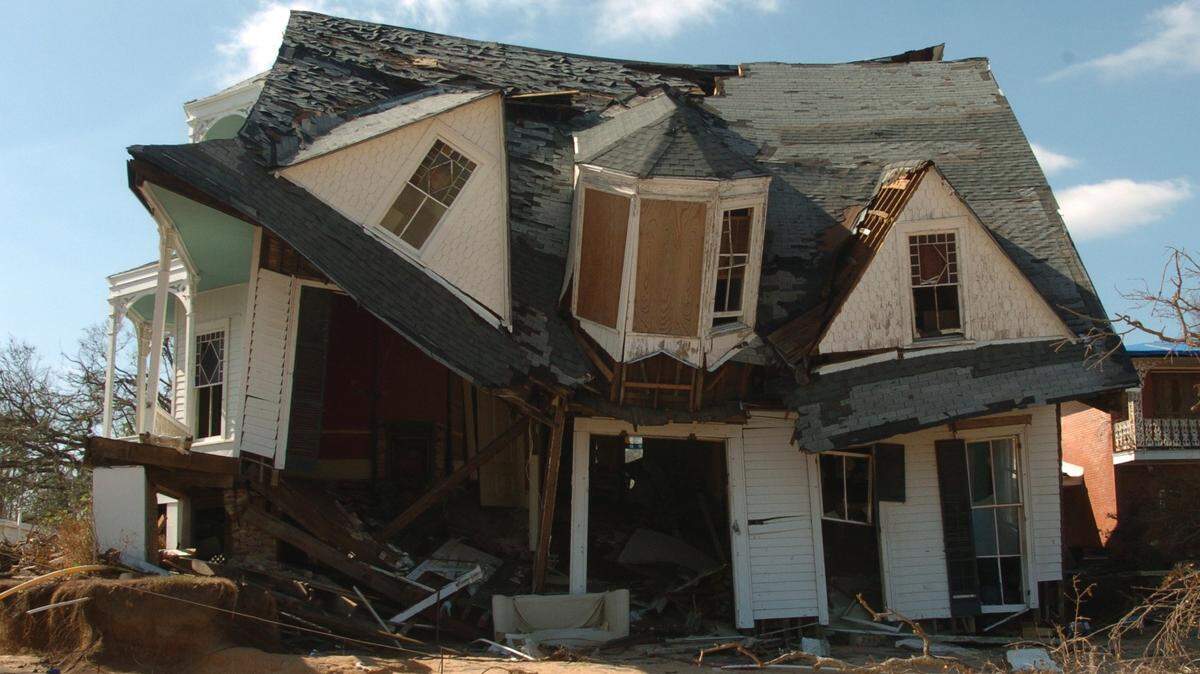
Preservationists fanned out across the Coast as soon as they could after Hurricane Katrina to document the historic structures ravaged by the powerful storm’s wind and surge.
“Of course, some of them were completely gone,” said Ken P’Pool, then deputy state historic preservation officer for the Mississippi Department of Archives & History. “We could hardly determine where they had been.”
MDAH’s small staff was joined by volunteers from organizations that included the Mississippi Heritage Trust, Historic Natchez Foundation, and the Vicksburg Foundation for Historic Preservation.
While many historic structures were lost completely, many others survived. P’Pool and others got to work, securing almost $25 million in federal funds and other money, and enlisting expert volunteer assistance.
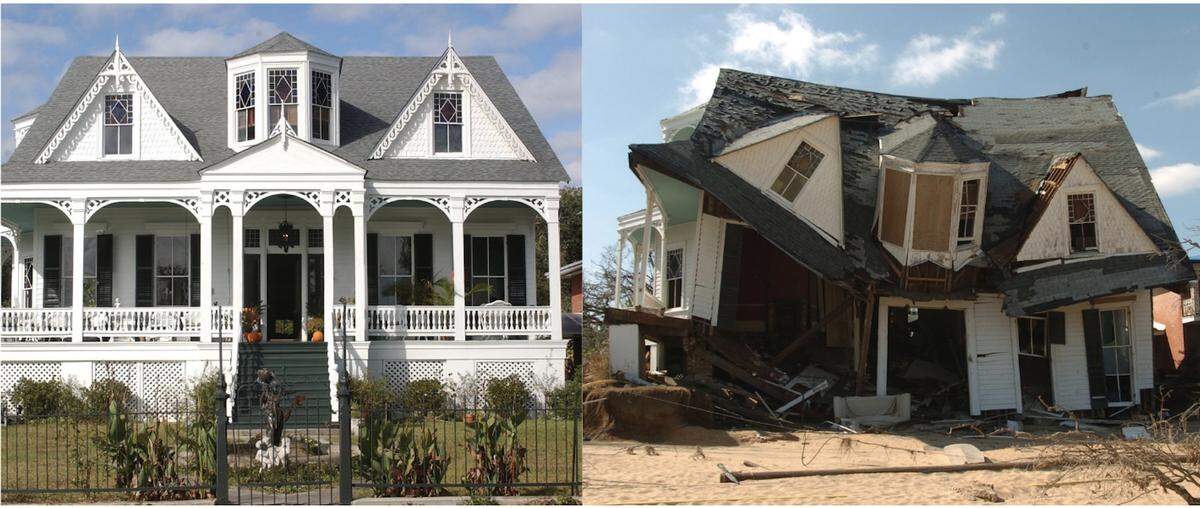
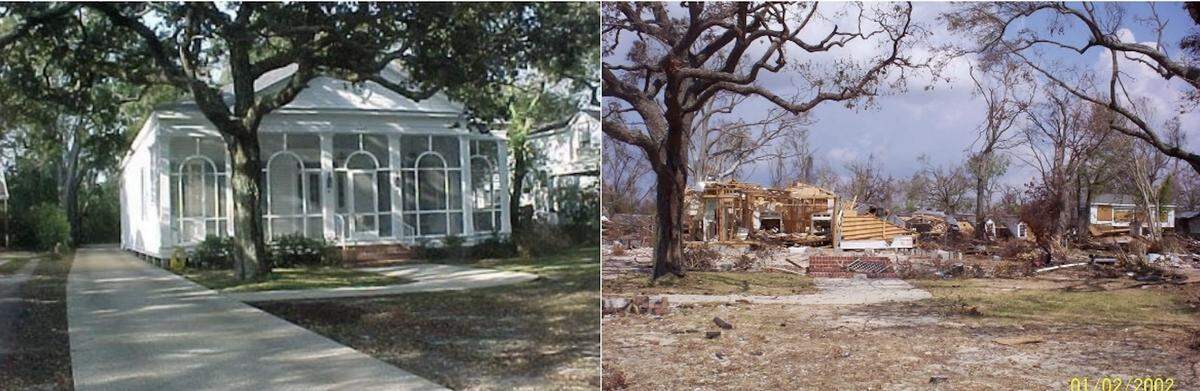
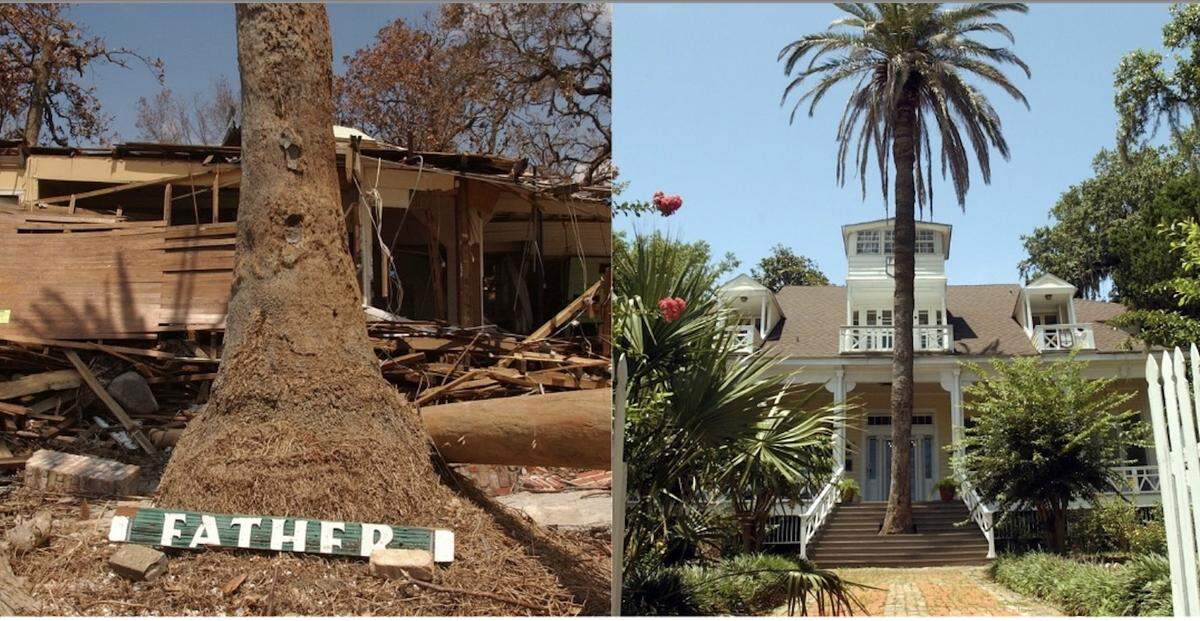
Katrina destroyed more than 300 Coast properties on the National Register of Historic Places, the Sun Herald has previously reported. Working with preservation partners, MDAH was able by 2011 to help restore 280 historic homes and buildings.
“We had people coming from all over North America, one even from Ireland,” P’Pool said. “We really had a lot of wonderful preservation partners from across the country who stepped up at their own expense . . . to tell us what we could save and how to go about saving it. We never would have been able to do that on our own.”
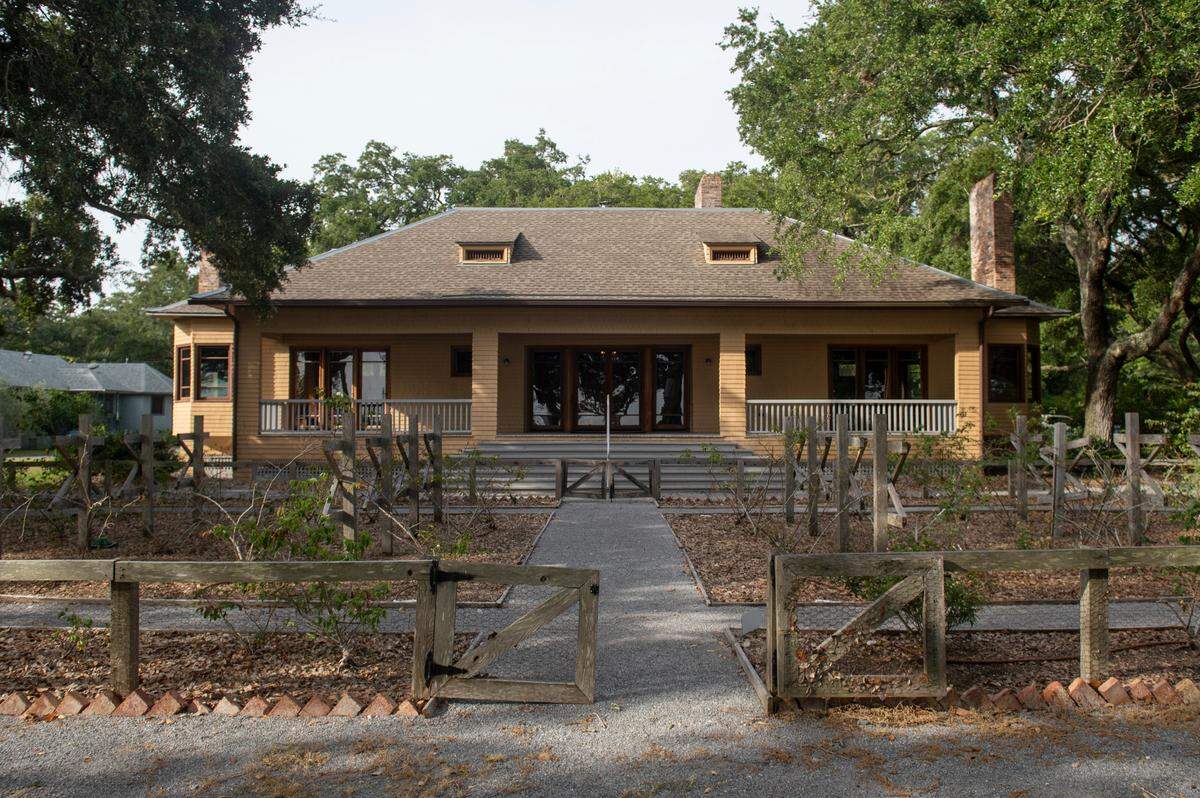
Historic homes and public buildings were saved, including Beauvoir, the last home of Jefferson Davis on the Biloxi waterfront. The raised home was heavily damaged. In the case of Grass Lawn, an antebellum home the city of Gulfport owned and where many residents celebrated life’s milestones, a replica was built.
The Coast’s love of its historic buildings was evident in the comments that recently flooded the Sun Herald’s Facebook page when we asked readers about the biggest changes they saw from Katrina. The loss of so much history was the most mentioned change. Several commenters said the Coast no longer has the same small-town feel.
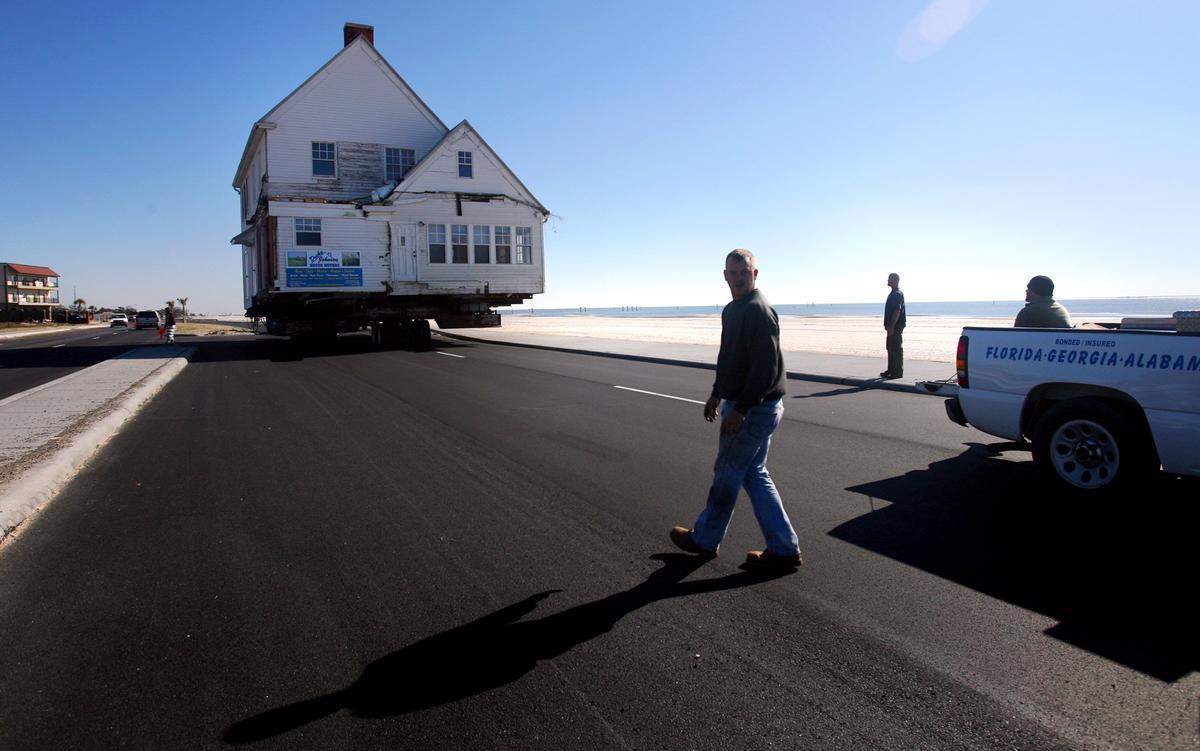
Many of the properties lost were along the beach.
“I remember riding Highway 90 from Gautier to Pass Christian immediately after it was opened,” one commenter wrote. “Was in the Pass before I realized it. All landmarks I knew growing up along the way were gone. Had tears in my eyes returning home (Gautier). Didn’t ride Highway 90 for another 1 1/2 years. Couldn’t handle the heartache!”
Some of the Coast’s historic properties lost to Katrina — but by no means all — are listed below:
Waveland
- Old Waveland City Hall, Coleman Ave. (Creole Cottage, 1893; completely refurbished as City Hall location, 1931).
Bay St. Louis
- Spanish Customs House, 706 (707) South Beach Blvd, (ca. 1790).
- Elmwood Manor, 902 Beach Blvd. (ca. 1828).
- Glen Oak, (Kimbrough House), 806 North Beach Blvd. (ca. 1820).
- Old Main Building, St. Stanislaus, South Beach Blvd. (ca. 1903-04)
- Dining Hall/Cafeteria Building, St. Stanislaus
- 502 North Beach Blvd. (ca. 1889)
Pass Christian
- Saucier-Bidwell-Pratt House, 243 E. Scenic Drive (ca. 1855 Greek Revival)
- Ballymere, 551 E. Scenic Drive (ca. 1839)
- Crescent Hotel, 126 W Scenic Drive (ca. 1860s)
- Saucier-Bidwell-Pratt House, 243 E Scenic Drive (ca. 1855, served as Union headquarters during the Civil War)
- Seaton-Davis House, 753 E Scenic Drive (ca. 1847)
- Yandel-Hackett House, 729 E Scenic Drive (ca. 1845)
Gulfport
- Mississippi City Courthouse, Courthouse Road (ca. 1893, replica built in 2013)
- Grass Lawn, 720 Beach Blvd. (ca. 1836, replica built in 2010)
- Finley B. Hewes House, 604 E. Beach Blvd. (ca. 1904)
Biloxi
- Tullis-Toledano Manor, 360 Beach Blvd. (ca. 1856)
- Pleasant Reed House, E. Beach Blvd. (ca. 1887, reconstructed in 2008 as the Pleasant Reed Interpretive Center)
- DeBuys-Hermann-Keller House, 523 E. Beach Blvd. (ca. 1850)
- Church of the Redeemer, 610 Water St. ( ca. 1874 Carpenter Gothic church building, plus ca. 1892 bell tower that withstood Camille)
- Vance-Gillis House, 590 Beach Blvd. (ca. 1830)
- Slavic Benevolent Association, aka the Slavonian Lodge, First and Myrtle St. (ca. late 1930s)
- U.S. Coast Guard Station Barracks, 115 First St. (ca. 1934-36, housed the Biloxi Maritime & Seafood Industry Museum)
- Brielmaier House, 710 Beach Blvd. (ca. 1895)
- Father Ryan House, Beach Blvd. (ca. 1841)
- Robinson-Maloney-Dantzler House, 1042 Beach Blvd. (ca. 1849-50, site of the present Biloxi Visitors Center)
Ocean Springs
- Cochran-Cassanova House , 900 Robinson St. (ca. 1880)
- Louis Sullivan House, 6 Holcomb Blvd. (ca. 1890)
- Fort Maurepas Reconstruction, Front Beach (Bicentennial project)
Pascagoula
- Delmas House, 2916 Front St. (ca. 1840)
- Cottage By The Sea, Hotel & Tavern, 1205 Beach Blvd. (ca. 1872)
- Dupont-Farragut House, 2905 Front St. (ca. 1836)
- Chastant-Fusilier, (Hull, Warren) House, 2903 Beach Blvd. (ca. 1851)
- Kinne House, 1101 Beach Blvd. (ca. 1910)
This story was originally published August 26, 2025 at 5:00 AM.