Neighbors leap ahead of MS with homeowner hurricane grants offering insurance rate relief
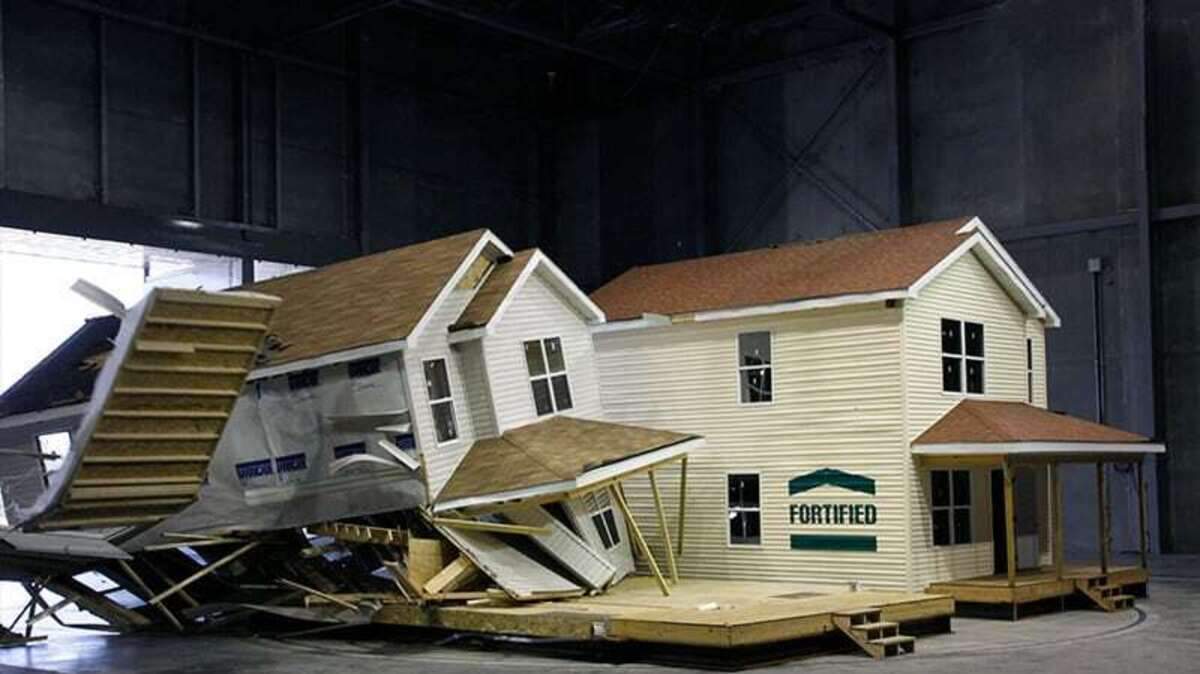
Mississippi is falling woefully short in strengthening homes and businesses for hurricanes, records show.
The Insurance Institute for Business and Home Safety, a nonprofit funded by the insurance industry, has set construction guidelines widely followed to reduce hurricane damage and improve the insurance market for consumers. Building to IBHS standards, trademarked as FORTIFIED construction, can also save property owners money on skyrocketing insurance rates.
But Mississippi has undertaken far less FORTIFIED construction than its neighboring state of Alabama, an early adapter to the program. Louisiana also has now surpassed Mississippi by following Alabama’s lead and, in 2023, providing $30 million for a grant program that helps strengthen homes. The Mississippi Legislature updated a grant program this year, but provided only $5 million to fund it.
Alabama has helped homeowners fund retrofits to their homes since 2016 with grants of up to $10,000 each, the same amount Louisiana and Mississippi laws provide. Funding for Alabama’s program in 2024 is $16 million.
However, Alabama also has mandated that insurance companies offer specific discounts for retrofits, ranging from 25-45%. Fortifying new home construction to IBHS standards can mean a discount of up to 55%. Insurance discounts are not specified in Mississippi or Louisiana.
“We have a very healthy, competitive market,” said Julie Shiyou-Woodard, CEO of Alabama-based Smart Home America. “Our market is not suffering the way your (Mississippi) market is starting to feel.”
Alabama leads way with hurricane building
States tend to get serious about strengthening homes when their insurance markets near collapse, Shiyou-Woodard said.
Louisiana’s insurance market was all but collapsing — after Category 4 hurricanes Laura in 2020 and Ida in 2021 — when its Legislature adopted the homeowner grant program. Hurricane Ida was the third costliest in history, according to the nonprofit Insurance Information Institute, topped only by No. 1 Hurricane Katrina in 2005 and Hurricane Ian in 2022.
Shiyou-Woodard said Louisiana’s market “hollowed out” after the hurricanes, with some insurers leaving and others going belly up. While the market is tight in Mississippi, she said, “You’re not in a crisis. Not yet. But it’s coming.”
Fortifying homes is one of the few actions homeowners can take to control their insurance costs, said Andy Case, a director in the Mississippi Insurance Department who will head the homeowner mitigation program.
Alabama’s experience shows how well homeowner incentives, coupled with mandated insurance discounts, can work in strengthening homes against hurricanes and improving insurance availability. Louisiana’s program also is taking off.
IBHS tracks FORTIFIED efforts in each state and reports the following numbers for FORTIFIED roofs:
- 24,000 in Alabama
- 2,100 in Louisiana
- 750 in Mississippi
Insurance discounts offered for stronger homes
The program did take time to catch on in Alabama, Shiyou-Woodward said, but mandated insurance discounts helped homeowners see its value.
She said a homeowner might spend $1,500 to $2,000 more on a new roof, but they’ll get a 35% insurance discount, and the discount won’t go away after five years, as it does with a traditional roof.
“That is a very easy conversation to have,” Shiyou-Woodard said.
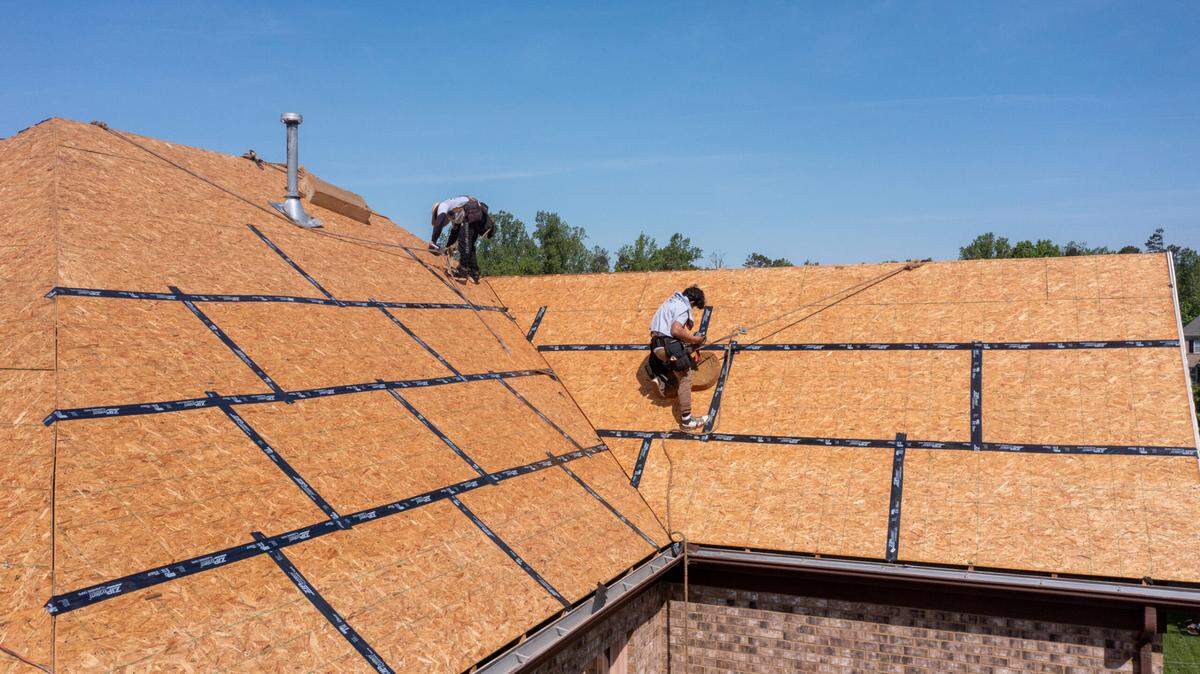
The grant programs generally address roofs because they are the first line of defense against hurricane damage. Without a solid roof covering, other improvements, such as hurricane shutters or shatter-proof windows, won’t matter as much.
Roof damage that lets in water is the biggest driver of losses in hurricanes, said Fred Malik, the managing director of the FORTIFIED program at IBHS. FORTIFIED roofs include a specific nailing pattern that secures decking to trusses, stronger roof edges that protect against uplift, and a moisture barrier over roof decking to keep out water.
FORTIFIED Silver is a higher level of protection covered by the IBHS program. In addition to a FORTIFIED roof, it includes shutters or impact protection for windows and doors, impact and pressure-rated garage doors, chimney and gable-end bracing, reinforced soffits and anchored attached structures. FORTIFIED Gold is the standard for new construction.
All construction completed under the program, including roofs, must be inspected and certified by a FORTIFIED evaluator to qualify for the designation and any insurance discounts available. IBHS lists qualified program evaluators, roofers and professionals.
Where Mississippi’s retrofit program stands
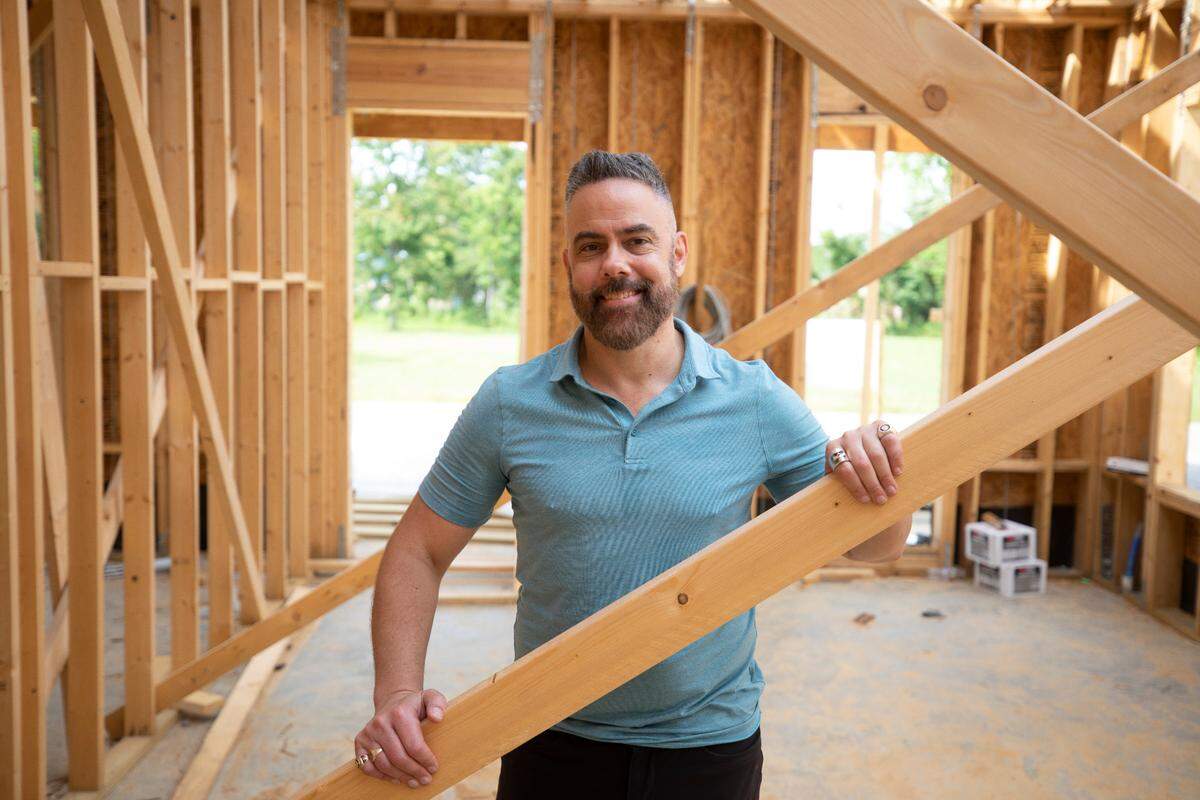
Andy Case at the Mississippi Insurance Department said he’s been working closely with IBHS on the state’s mitigation program.
He’s not sure when it will start because the department must first get clarification from legislators on the administrative cost. The law limits administrative costs to 1% of funding, or $50,000. That won’t be enough money to hire the third-party administrator required.
Insurance Commissioner MIke Chaney said he’s been trying to get a homeowner retrofit program funded since 2008. He’s hoping legislative clarification on administrative costs will allow the program to move forward.
Case added: “This is the first time we’ve had funding to help. It’s not a lot. We’re going to need more but it’s a start.”
He said the department also must decide how to select homeowners for the new program. A lottery might be the answer, he said.
Once the program does start, Shiyou-Woodard said, the phone won’t stop ringing with homeowners who are interested in participating and want more information.
That’s already happening. Case said. One Coast mayor has approached him with a list of homeowners in desperate need of new roofs. FORTIFIED designations would help with insurance costs for these homeowners.
“We’ve had people reach out to us that we’ve been trying to guide and help who have been needing this forever,” Case said, “people who are retired and on fixed incomes.”
This story was originally published June 18, 2024 at 5:00 AM.