
Rural resistance to subdivisions emerges on fast-growing Mississippi Coast
Down the two-lane roads where he built a home three decades ago, Jerry Gathof sees change coming to the quiet countryside.
Developers keep asking the county for permission to build new subdivisions in the dense oak and pine. A steady stream of cars now swarms the new Buc-ee’s Travel Center that opened nearby.
Neighbors are lamenting the new traffic and say front porch video cameras are capturing more petty theft and crime. In recent years, Gathof and his wife have put up “No Trespassing” signs. Frustrated residents are packing local government meetings, pleading with leaders to block plans for development and to protect their forests and pastures from investors.
“They’re swinging a lot of money around,” Gathof told his wife, Paula, one recent afternoon as they sat in the shade at the end of a dirt road that leads deep onto their property.
She shook her head. “It’s not right,” she said.
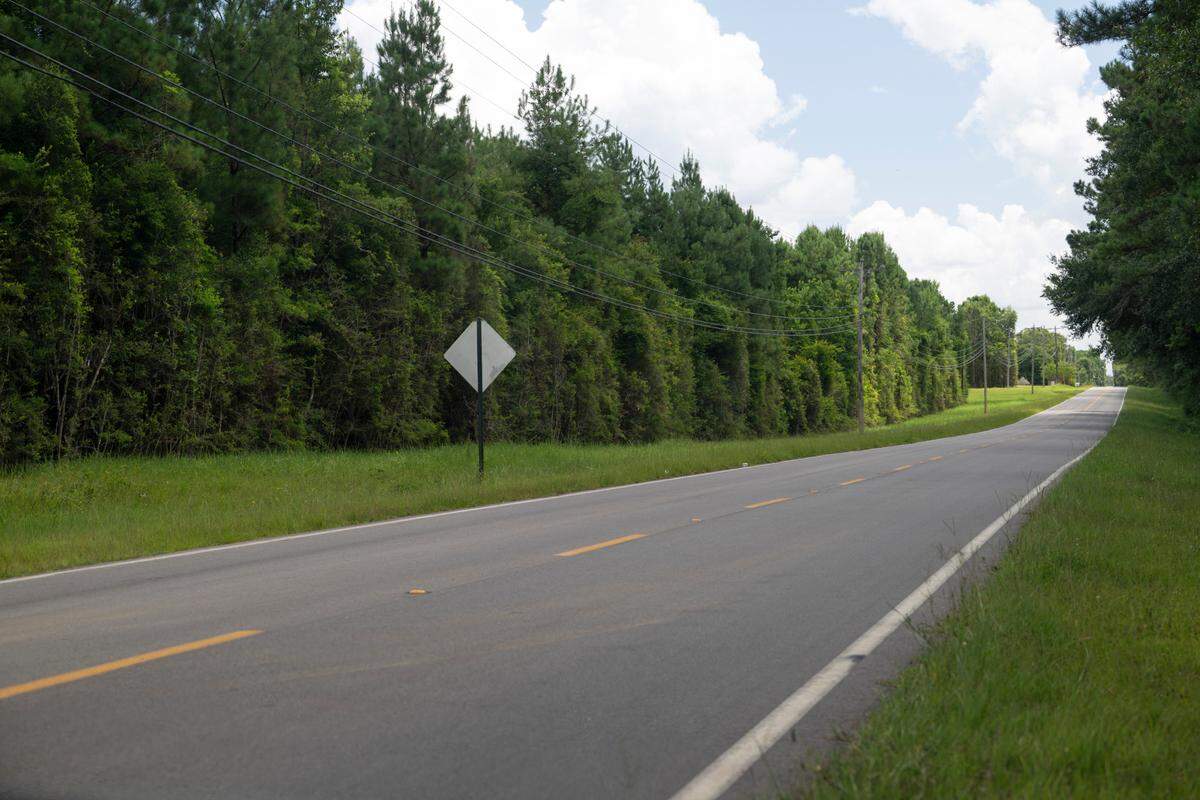
Longtime landowners across the last rural parts of the Mississippi Coast are expressing the same worry. And they are banding together to protect country life even as the region’s population rises and the need for new homes intensifies.
“We’re in high demand for housing,” Thomas Ladner, a developer, told the Harrison County Planning Commission this month. “We’ve got to do something.”
In Harrison County, developers have proposed around 5,000 new subdivision lots in the last five years. The county says it has rejected just under 1,000 of them.
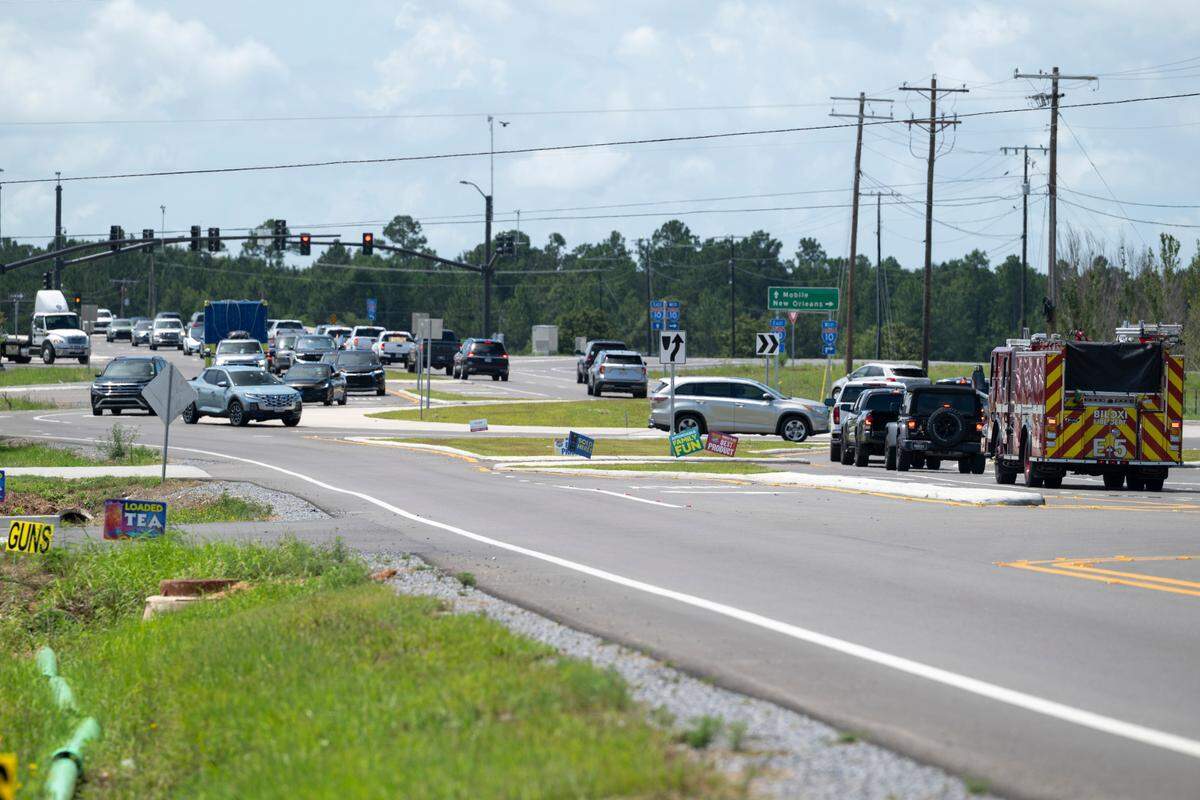
The influx is part of a boom across South Mississippi, which is growing faster than almost any other part of the state. The $50 million Buc-ee’s is creating jobs, more tax dollars and has already spurred the birth of a new shopping center across the street. Developers say a migration north of Interstate 10 that began after Hurricane Katrina is still strong, fueled by lower taxes and insurance rates. County records from the last half-decade show only 200 subdivision lots have been proposed south of the interstate.

The surge is also fueling debate. Harrison County is considering whether to adopt new zoning rules that could help leaders better manage the issue. Many landowners say they do not oppose all development but object to dense subdivisions they believe would ruin the spirit and character of their neighborhoods. Developers say the county needs more houses for its rising class of newcomers and are defending their plans against frustrated rural residents.
“They kind of rally against you,” said Jason Wooten, an engineer whose plan for a subdivision north of Buc-ee’s was rejected when residents fought back earlier this year.
“Sometimes I get the feeling that some folks just don’t want it to change,” he said.
Residents debate developers
In her youth, Angel Kibler-Middleton could ride her pony down Highway 53.
Now she is a constable who is organizing with neighborhood groups opposed to congested subdivisions.
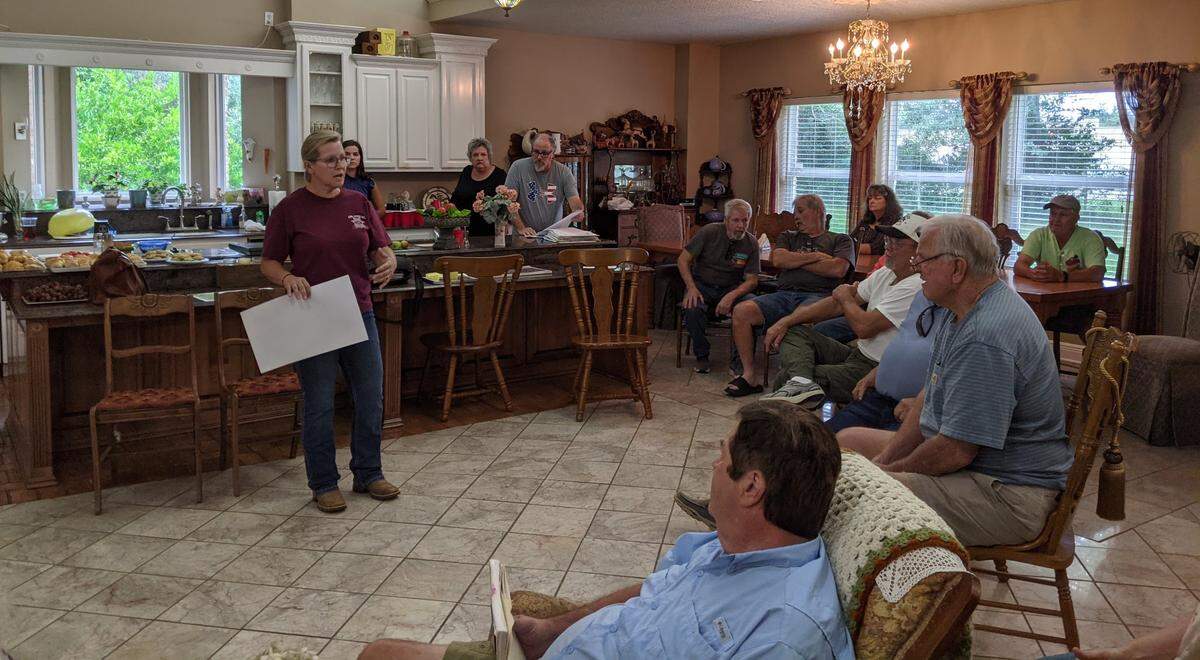
In churches and living rooms across the region, she has met with worried neighbors and encouraged them to call county supervisors to politely explain their concerns. She also has a pending court case over alleged procedural violations at a 235-lot subdivision planned north of Gulfport.
“There’s something called smart growth,” Kibler-Middleton said last week. “You don’t put urban up against rural. That is horrible.”
Developers’ requests to build subdivisions on land the government has zoned as agricultural often wind through the county Planning Commission and Board of Supervisors, where leaders weigh the need for homes and decide if a plan is compatible with the area. The choices have high stakes for residents and the leaders they elect. Marlin Ladner, a supervisor who represents much of western Harrison County, recalled one incident in which a new concrete-filled subdivision suddenly drained rainfall into a longtime neighbor’s yard.
“Naturally, they were upset,” he said.
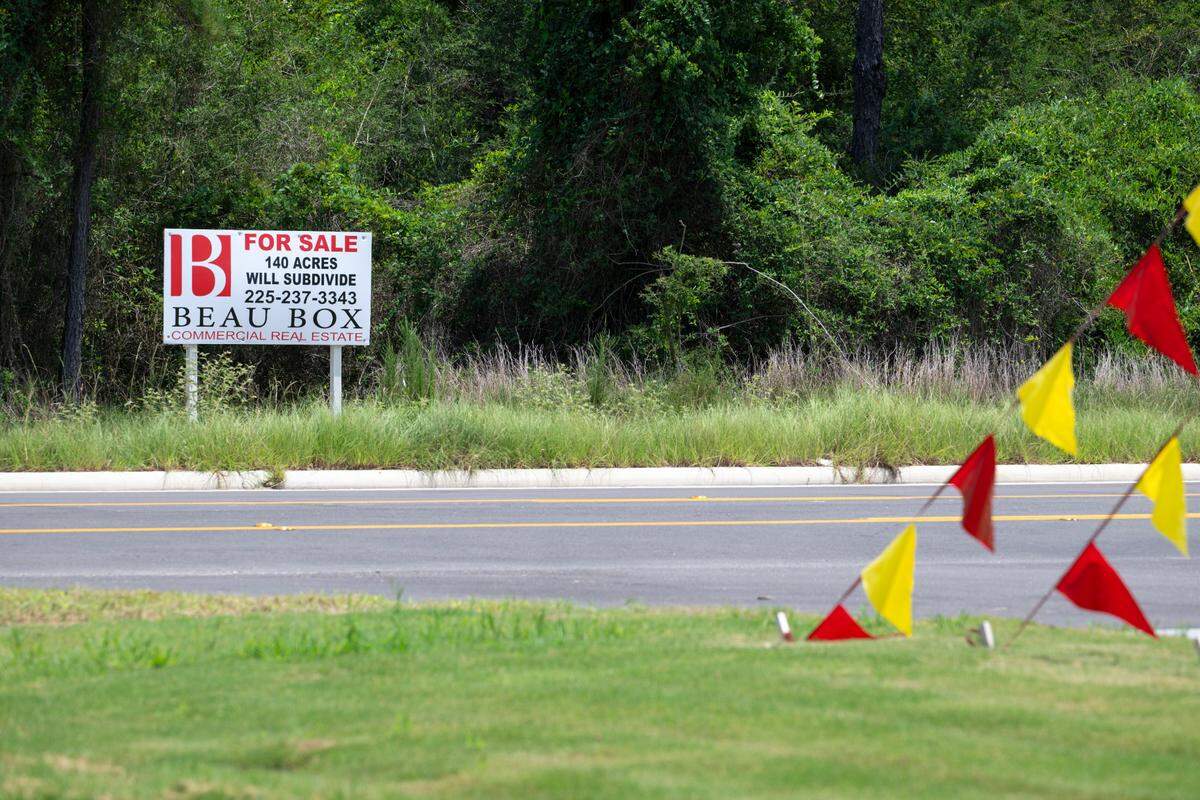
In meeting after meeting, Wooten gets the same complaints. He has heard them so much he can nearly quote them. But he tries to present residents with the facts. Engineers and developers who sit through blowback during meetings also often stay behind to address neighbors’ concerns, Wooten said.
“I have never worked for a developer who just went in and tried to strong-arm the situation” with no thought for the neighbors, he said. “Everyone I’ve ever worked with has tried to make sure we’re not pounding them over the head.”
Bobby Heinrich, a residential and commercial designer, spoke at a Board of Supervisors meeting when residents appealed another subdivision north of Buc-ee’s this month and said his request was common and reasonable.
“I come in here with a 1-acre minimum lot subdivision and I still have opposition,” Heinrich said at the meeting.
“You just cannot develop a lot much larger than this,” he added. “If you get the land cheap that’s one thing. But it’s just not feasible to do that.”
Population growth
Not every subdivision gets resistance. But other mishaps have raised some neighbors’ suspicions. The county rescheduled one subdivision case hearing earlier this year because letters that were supposed to notify nearby property owners were accidentally sent to Alabama.
The pace of growth can also feel startling for some in communities where everyone once knew each other and all roads were gravel. Census data shows the county now has more than 98,000 housing units, up from around 91,000 five years ago. Harrison County’s population has increased by almost 3 percent in that period, from 208,000 to nearly 214,000 people.
“We’re at an impasse here,” Thomas Ladner told the Harrison County Planning Commission at its public meeting one night this month. He had come to convince the commissioners to let him build a 28-unit apartment complex in the rural community of DeLisle, which he said badly needs affordable housing.
“It is imperative that we do something,” Ladner said.
Almost every seat in the room was taken.
“Do we have any opposition to this application?” The Rev. Eddie Hartwell, the commission’s chairman, asked from the front of the room. Around a dozen hands shot up.
“We do not want DeLisle to be Bay St. Louis,” said one neighbor. Another said the community would be “radically changed” by multi-family homes.
Ladner walked back to the podium, his voice calm but imploring. “We’ve got to do something for the population growth,” he said.
A few neighbors behind him scoffed.
The Planning Commission denied the apartments to applause.
Change creeps north
Firetower Road winds away from Buc-ee’s and slopes over fields and woods where bald eagles soar. Gathof and his wife live a few miles away. Paula Woodside runs a wildlife rescue on their property and says they have no problem with development as long as it is reasonable.
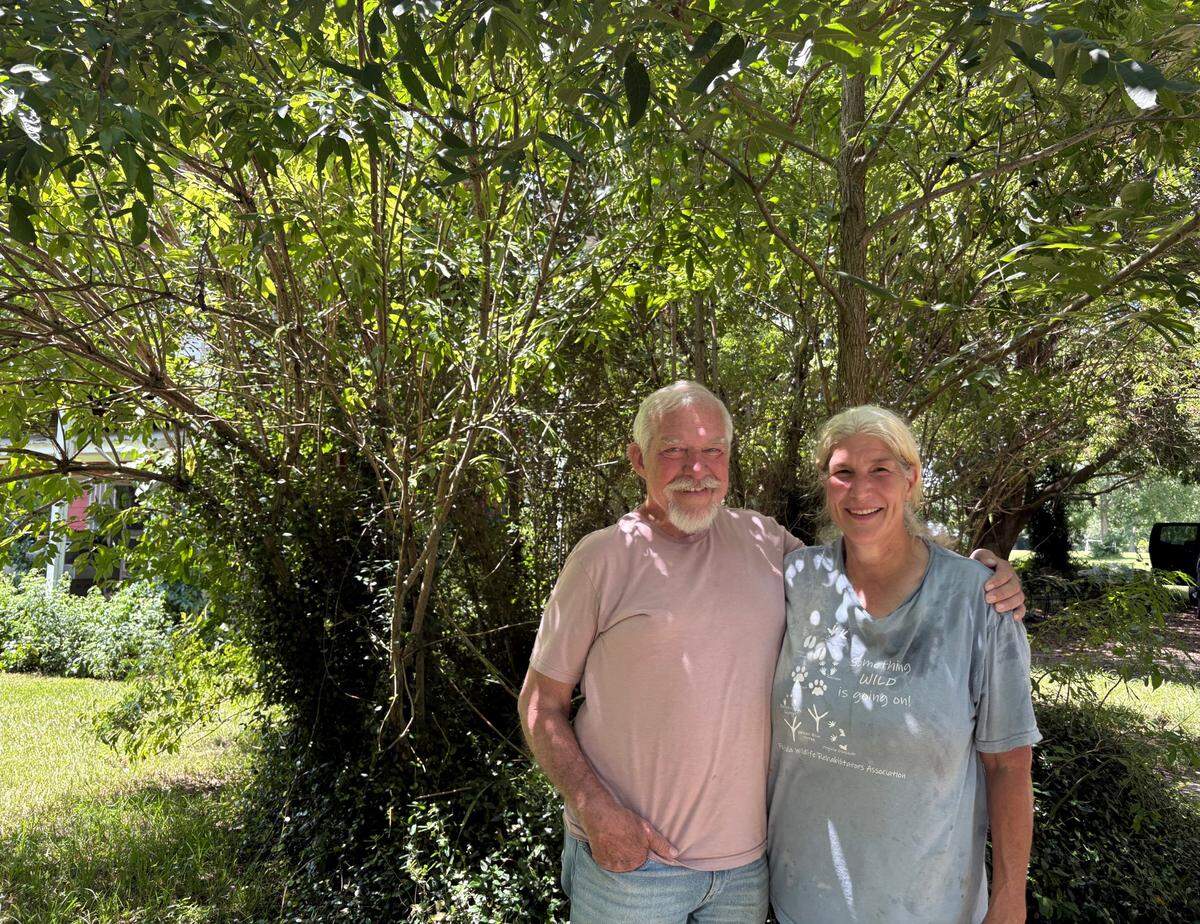
Cruising the roads in his pickup truck one recent day, Gathof passed the latest spot where he and his neighbors convinced the Board of Supervisors to stop a subdivision. He pointed to the forest. “When I came to the meeting that day there were two deer standing out here, right there at the wood line, looking at me,” he said. “I thought dang, it’s almost like they’re telling me — ‘Help us, man!’”
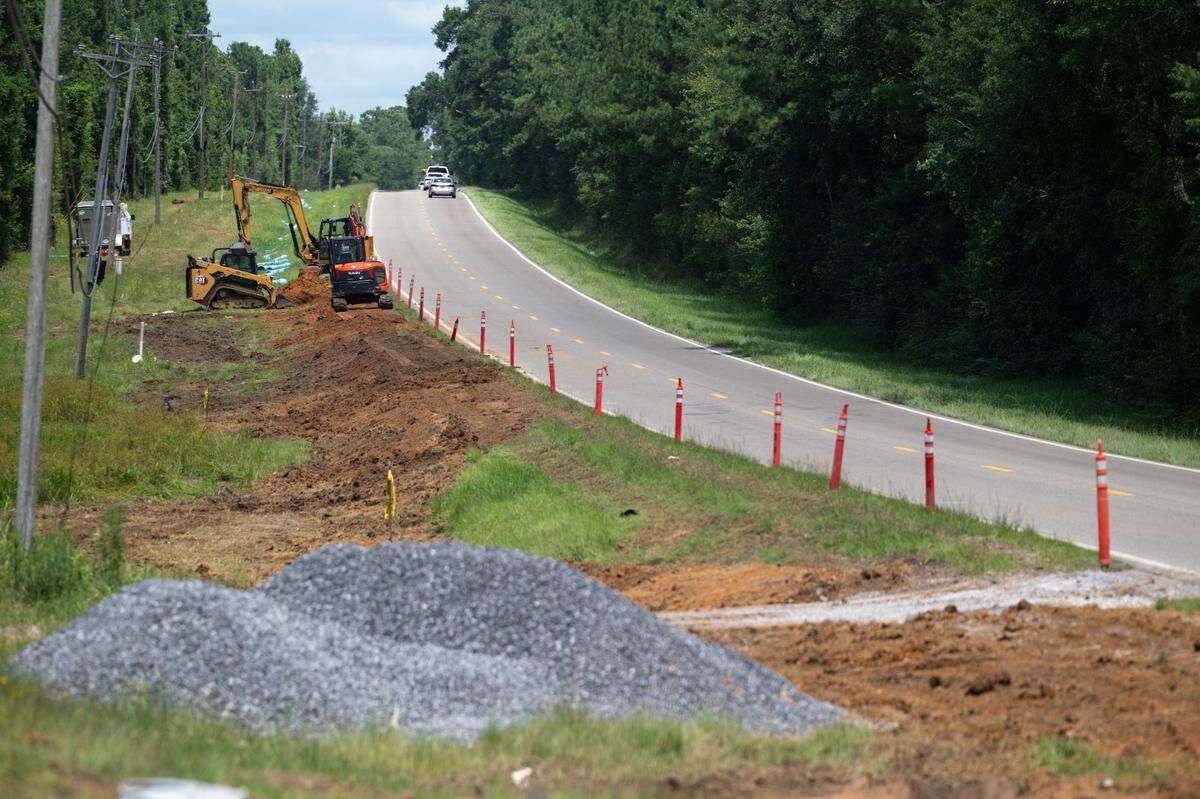
He laughed and kept driving, past construction for new water and sewer lines that will reach north like roots into land where residents have long used wells and septic tanks. Many see it as another sign that growth is coming.
“I won’t have to live through it, I don’t reckon,” said Gathof, 71. But some of his neighbors say if change keeps advancing, it will leave them no choice: They will retreat north, again, to land where trees still stand between them and the nearest property line.
This story was originally published July 23, 2025 at 5:00 AM.