
Remote workers from across the U.S. are moving to the Mississippi Coast. Why?
AI-generated summary reviewed by our newsroom.
- Census data shows over 1,000 remote workers moved to the Mississippi Coast since 2020.
- Remote work drives demand for homes, boosting property values in coastal towns.
- Social groups and local hubs help remote workers build community and combat isolation.
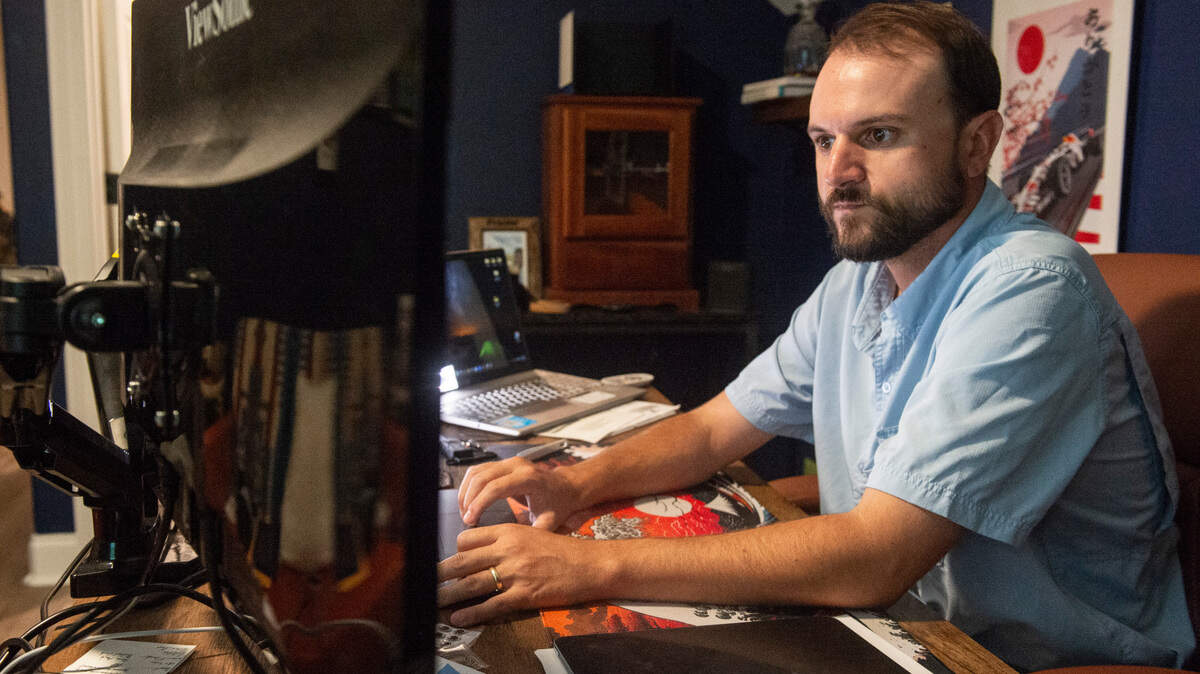
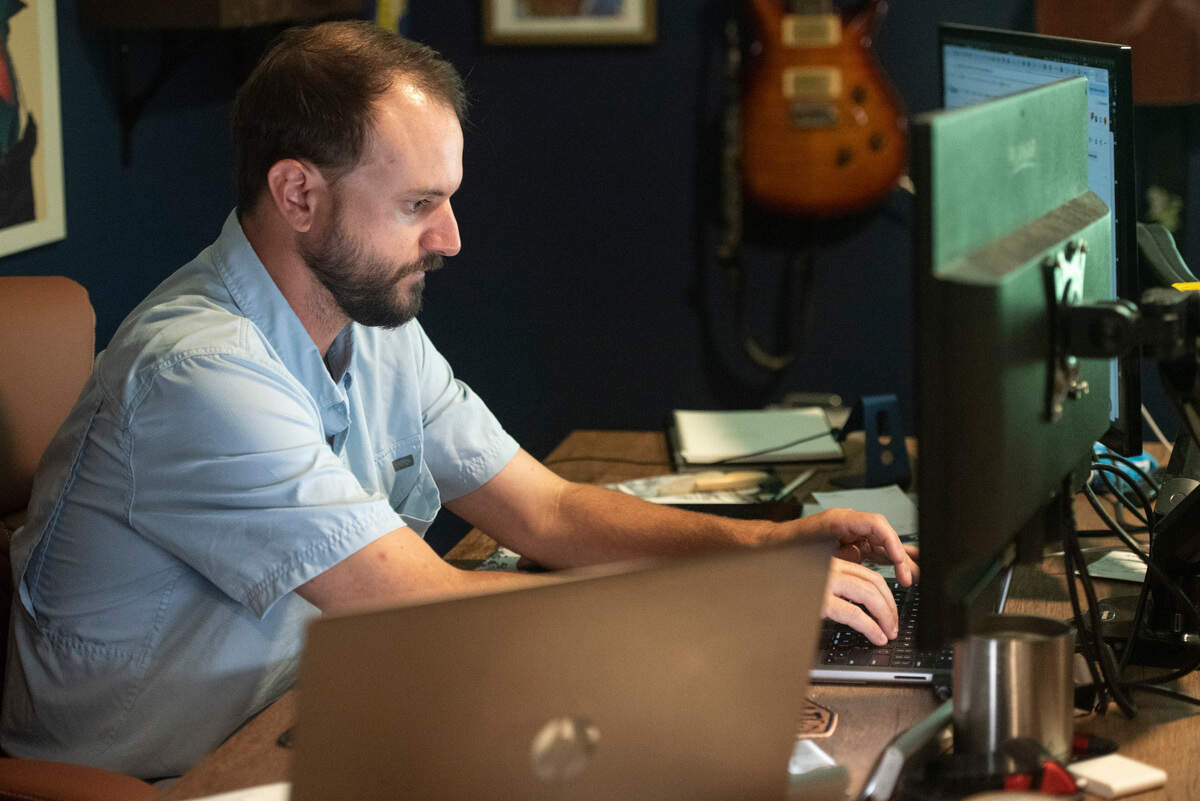
Christian Braswell is done with rush hour.
Every day, he goes to work for a website management company in Denver. But he lives full-time in Gulfport.
“In Colorado, I was commuting over two hours a day,” said Braswell, a Mississippi Coast native who returned last year. “Now that’s two hours back with my family.”
The 32-year-old is part of a wave of remote workers arriving in South Mississippi. The newcomers are helping turn the region into one of the fastest-growing parts of the state. They are also a sign of how the long fallout from the COVID-19 pandemic is still reshaping the country.
Census data shows more than 1,000 remote workers have moved to the Coast since 2020 even as companies across the nation are ordering staff back to offices. The number of people who report working from home has also risen in each coastal county. Remote workers are buying up houses with high-speed internet and turning vacation properties into full-time homes. And coffee shops once shuttered because of the virus have opened again as vibrant hubs for a diverse group of employees who wear headphones for meetings and clack away on keyboards.
“It’s like everyone’s little home office,” said Tanner Montella, the manager at Coast Roast and Bankhouse Coffee, where remote workers are coming more often and staying for longer.
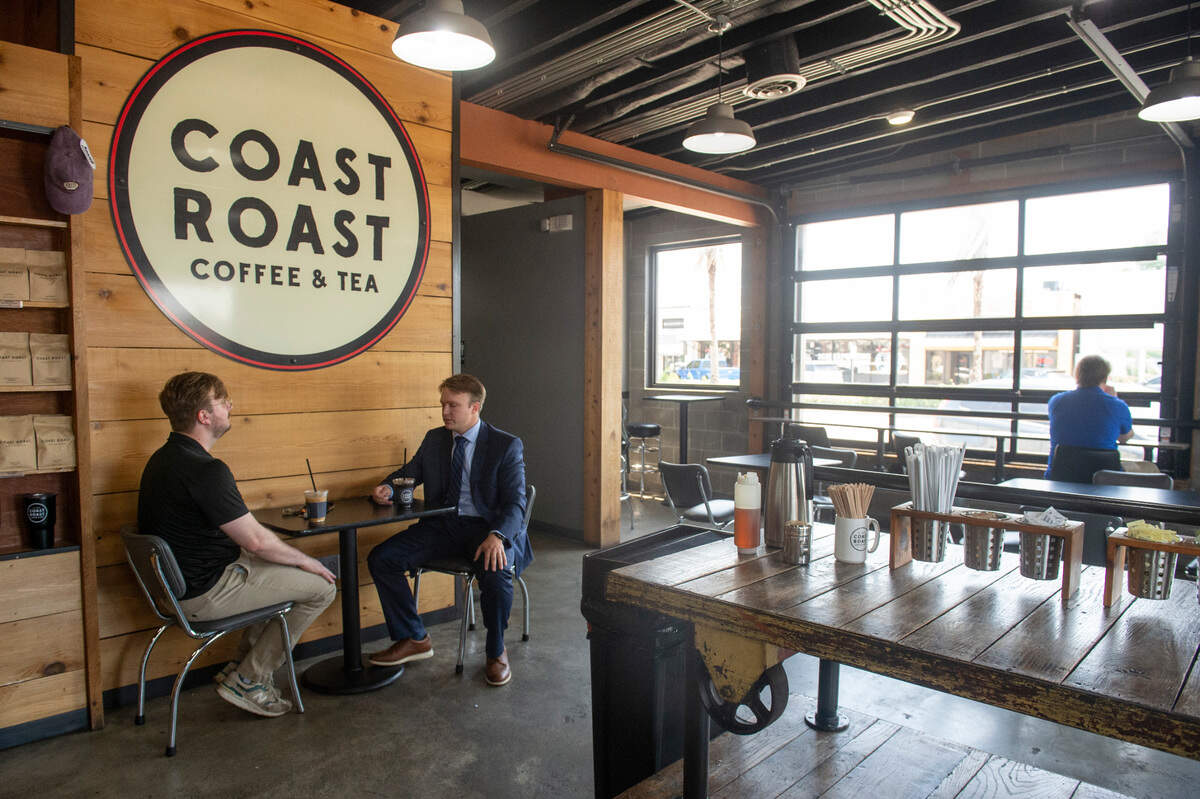
Over the last four years, enough of them have arrived in Bay St. Louis that a few decided to start their own social group.
“We started spending every chance we could here,” said Emily Schaumburg, an accountant who moved to Bay St. Louis with her family two years ago after her company ditched its multi-floor, cubicle-filled headquarters in downtown New Orleans. Now she attends monthly lunches and happy hours with the group of remote workers, who often spend their workdays in shorts and sandals.
“We didn’t want to go back,” she said.
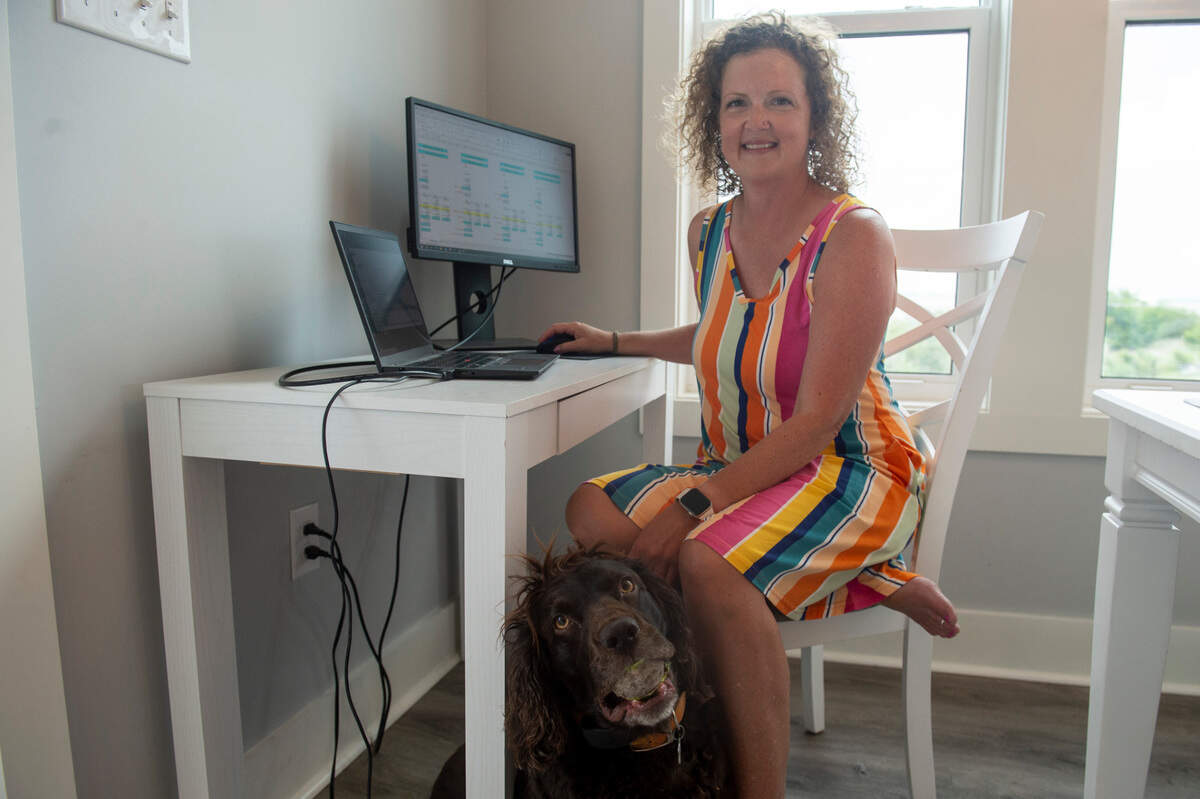
Working from home in South MS
In some ways, the shifts happening on the Coast are not unique. Sensing a chance for growth after the pandemic, Natchez started offering monthly stipends to some remote workers who moved there. Ruston, Louisiana also gave thousands of dollars to new remote workers in an attempt to boost the city’s economy. And Tulsa, Oklahoma has tried to tempt outsiders who work from home in an effort to reverse its stubborn problem of talented college graduates leaving the state for better opportunities.
The difference on the Coast is that few locals are tracking the trend and there is no coordinated effort to lure remote workers.
They are coming anyway.
The social gathering of remote workers near Bay St. Louis was small at first, with the goal of creating connections between employees whose jobs can sometimes feel solitary. But it has grown to about 20 members.
“We needed some kind of camaraderie,” said George Hoffmann, who works in project finance and coordinates the group’s gatherings. Hoffmann, like many members, has a longtime tie to the region: His family came to Waveland from Minnesota in 2023 after years of visiting in-laws here.
He is part of what’s driving a growing trend: The amount of people who report working from home, according to the latest Census data, has more than doubled in Hancock, Harrison and Jackson counties since before the pandemic. It is unclear exactly how many remote workers have moved from other states. But the trends, along with new technology that allows companies to hold virtual meetings with staff from across the country, are luring remote workers of every age group who hold all kinds of jobs.
Here, there is balance: Remote workers say they are saving money on gas and dry cleaning and have more time for hobbies like reading and gardening. Some even say remote work is improving their mental health.
“I’m not stressed out,” said Brandalyn Sanders, a Birmingham native who moved to Jackson County three years ago. She works from home as a customer service trainer for a health insurance company. But she also DJs on the side and can have lunch on the beach whenever she wants to.
Helen Colquett, another remote worker, spends her mornings with so few distractions at home that some days she finishes her tasks by lunch and enjoys free afternoons. She is a social media manager from the Mississippi Delta and moved to Bay St. Louis in 2023. Now she reads, crafts and travels often.
“You kind of waste minutes getting to work,” said Colquett, 27. “Whenever I’m working, I’m sitting at my computer and I’m getting everything done.”

Remote work fueling growth
The arrivals can be discreet. But the shift is getting more obvious even to real estate agents, who say they are selling properties to remote workers who come from as far as California and Texas.
Danny Lee, chief executive officer of the Gulf Coast Association of Realtors, said stir-crazy remote workers from Louisiana also started hunting for vacation homes on the Coast during the pandemic.
“People were like, ‘Hey, I’m working here on vacation. I can work here full time if I want to,’” he said. “It used to be people retired here. But now that you can work remotely, you don’t have to wait.”
The freedom is helping fuel the booming local housing market, and real estate agents say many remote workers are finding inexpensive properties on the Coast without sacrificing lucrative salaries from companies in big cities. Some are paying for houses in cash. And property values are rising, especially in the beachside enclaves of Bay St. Louis and Ocean Springs.
“The big question we get is, ‘Can I get high-speed internet out here?’” said Kacie Denny, a real estate agent on the board of the Biloxi Ocean Springs Association of Realtors.
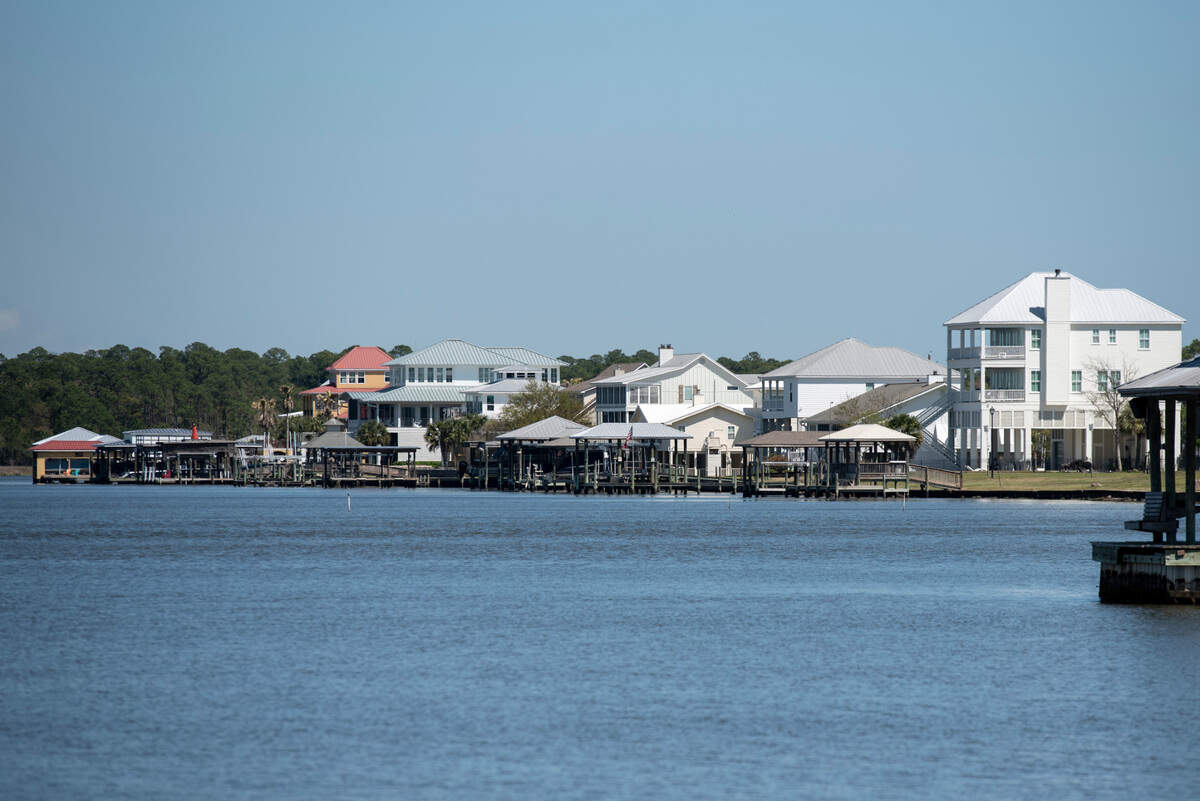
She said most remote workers seem to be middle-aged and are seeking out acreage or large yards. But the demographic is also mixed: Some are recent college graduates, others are soon-to-be retirees.
Slowly, they are becoming part of the community, joining groups like running clubs and churches to balance the solitude that comes from occasionally isolating workdays.
And once or twice a month, the remote workers group is meeting at popular restaurants near Bay St. Louis and Pass Christian, chatting about companies in the news for mandating return-to-offices and comparing notes on their work from home setups.
Could they ever have moved here without working remotely?
“No,” Hoffmann said. “Not a chance.”
This story was originally published May 28, 2025 at 5:00 AM.