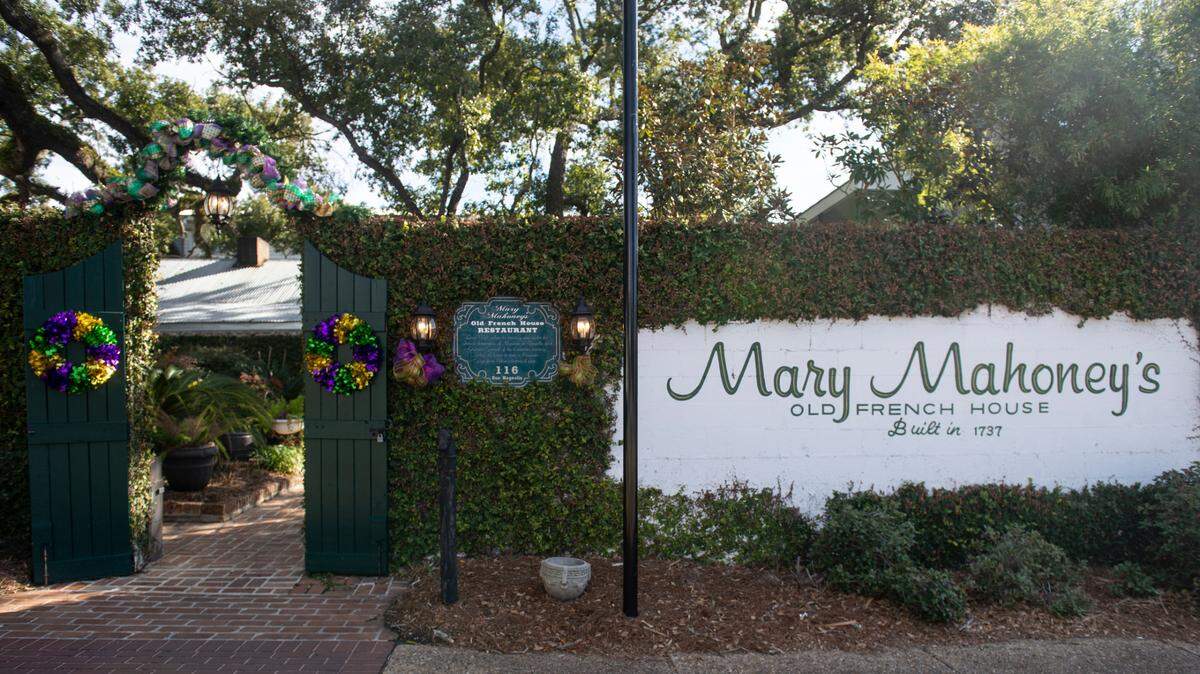
Mahoney’s restaurant and co-owner sentenced for selling imported seafood as Gulf fresh
READ MORE
South Mississippi seafood scandal
For years, Mary Mahoney’s Old French House Restaurant, a Biloxi institution known nationwide, bought foreign, frozen seafood from a local supplier and sold it to unsuspecting customers as fresh Gulf seafood, the restaurant has admitted.
Expand All
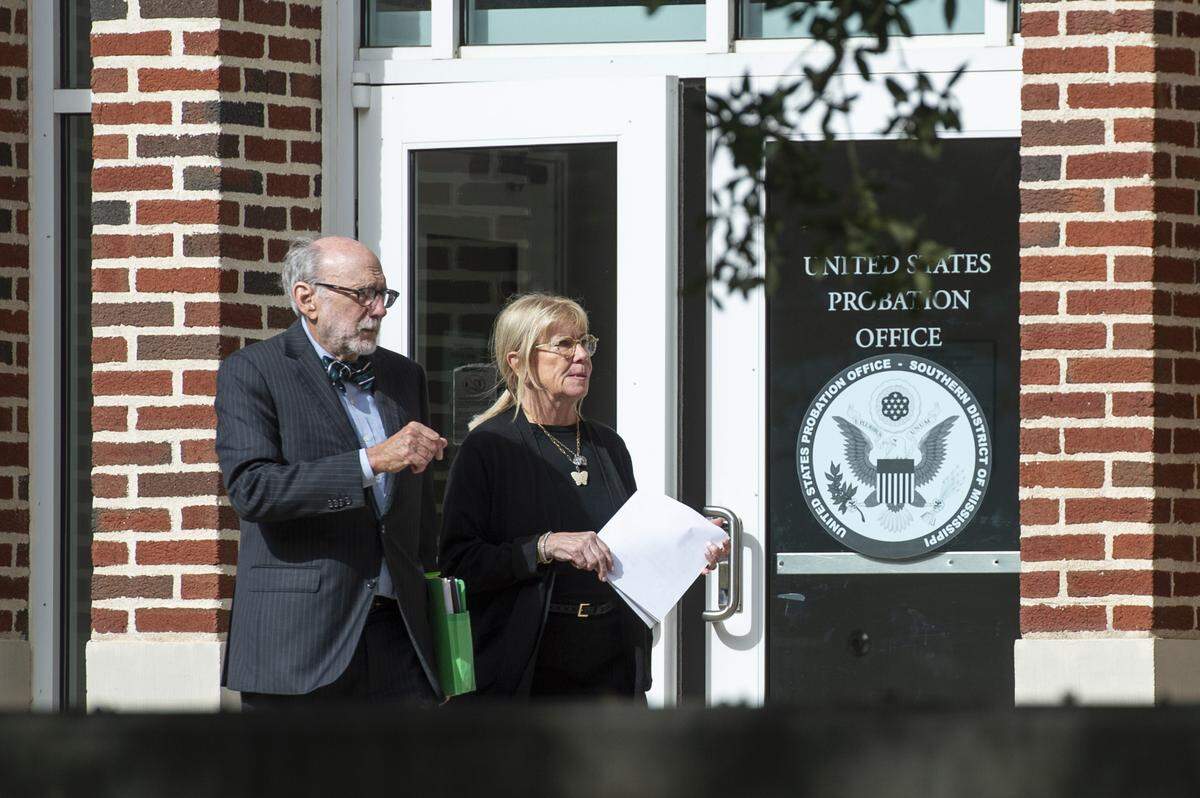
A case that shocked the Mississippi Coast drew nearer to a close Monday, with a federal judge sentencing widely acclaimed Mary Mahoney’s Old French House restaurant in Biloxi and co-owner Anthony “Tony” Cvitanovich for conspiring to mislabel imported seafood as Gulf fresh.
Mahoney’s charge included the additional element of wire fraud based on emails and texts about the seafood purchases. The restaurant had previously agreed to forfeit $1.35 million through its corporate representative, Eileen Mahoney Ezell. Judge Sul Ozerden said the full amount must be paid within five days of his final order being entered.
He also put the restaurant on probation for five years and levied a $149,000 fine.
Ozerden sentenced Anthony “Tony” Cvitanovich to four months of home confinement and three years’ probation, and fined him $10,000. Cvitanovich and Ezell are children of restaurant co-founders Mary Mahoney and her brother Andrew Cvitanovich.
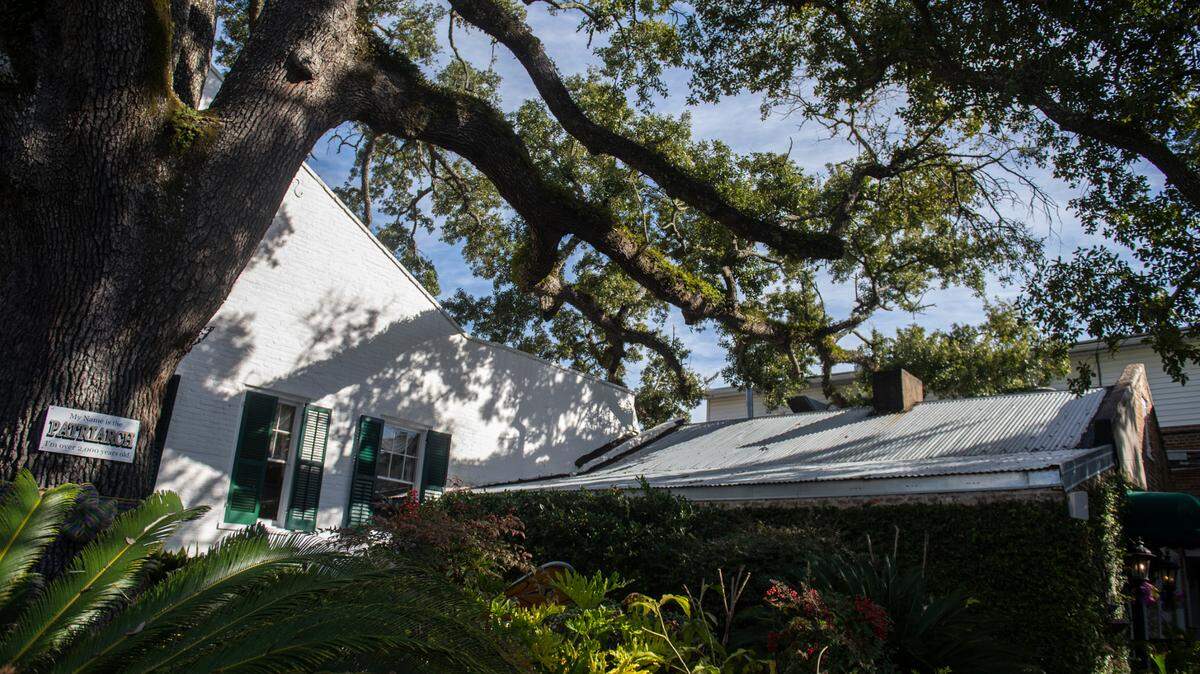
Opened in 1964, the restaurant has become a Gulf Coast institution where families have marked life’s big events for generations.
Mary Mahoney’s son Bobby Mahoney, the voluble jokester and face of the nationally known restaurant, was not charged in the case.
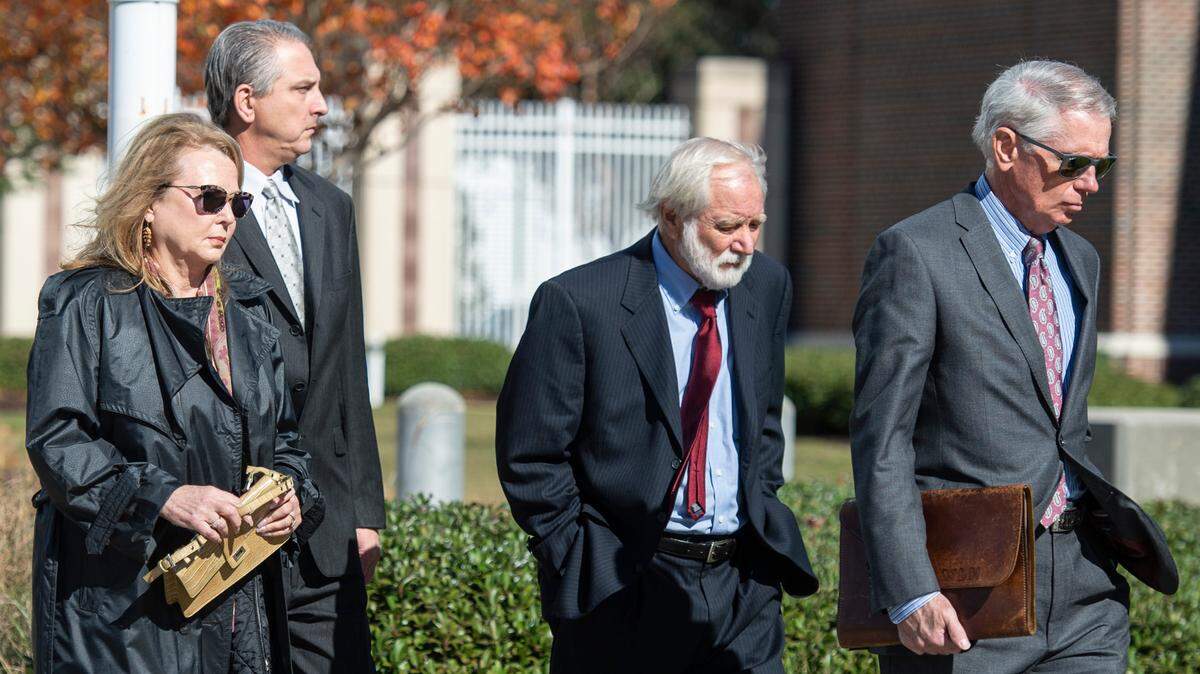
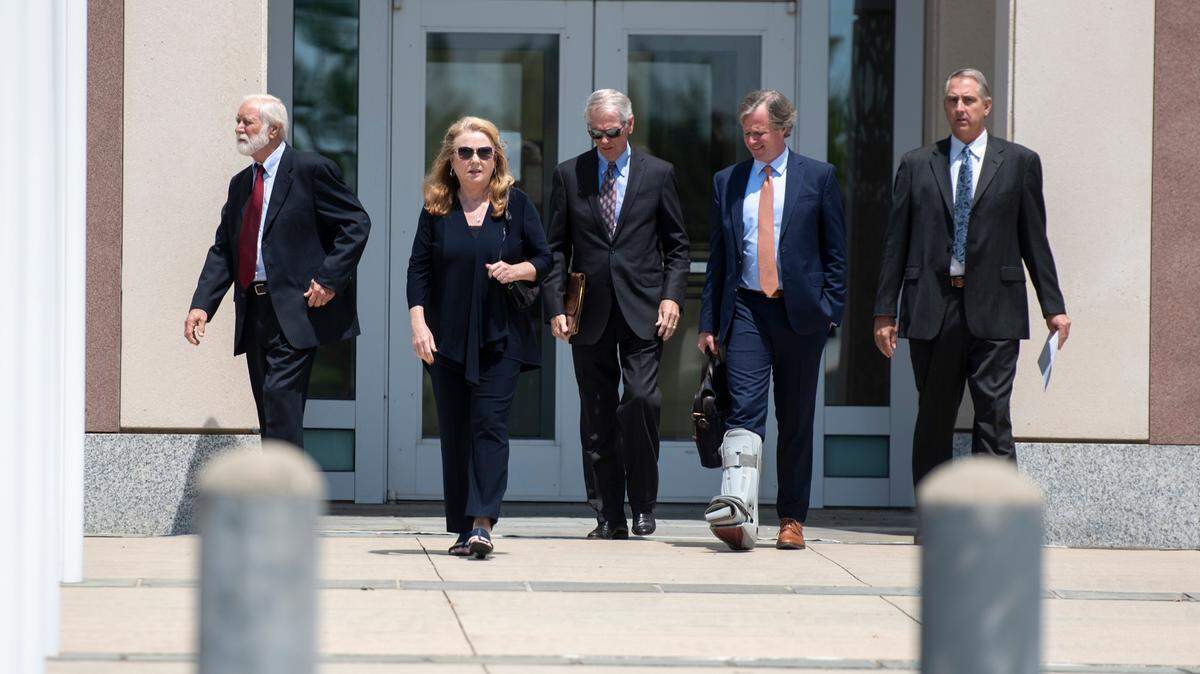
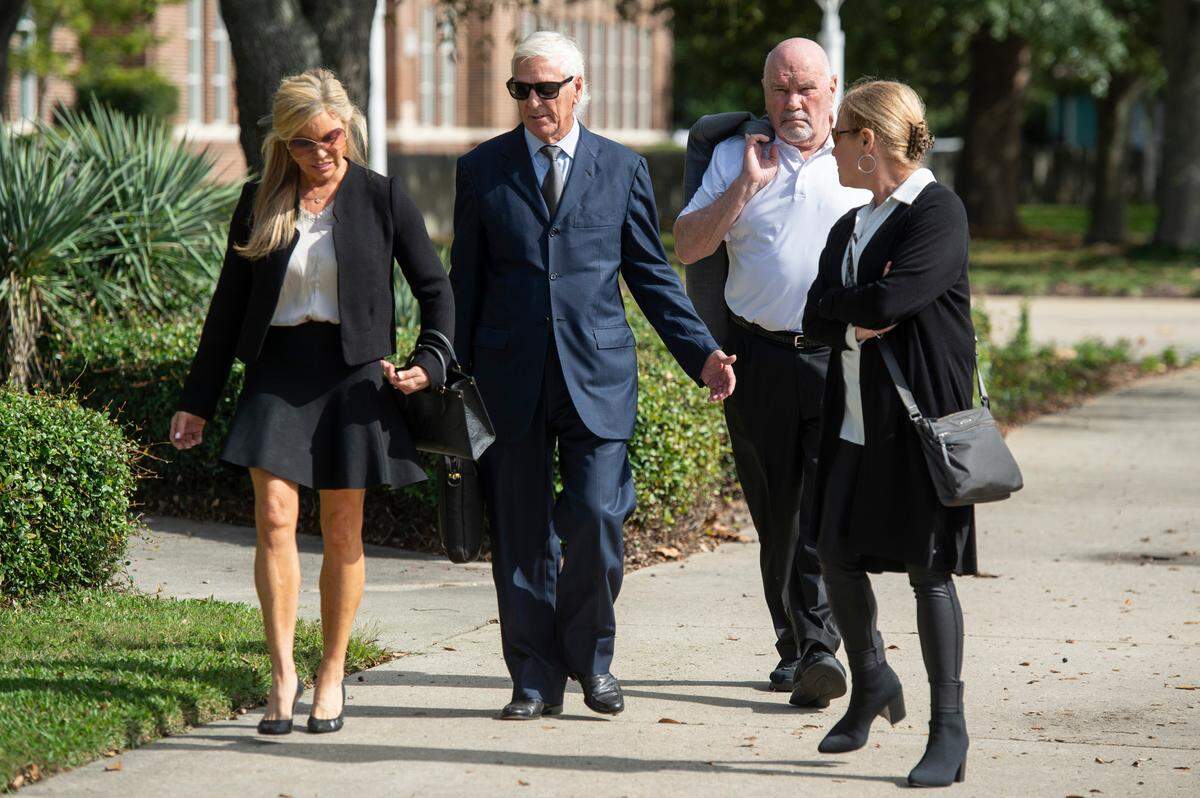
Mahoney and Cvitanovich family members, including Bobby Mahoney and his daughters, filled one side of the courtroom.
The crime involved financial fraud, prosecutor Jeremy Korzenik told the judge as the two-hour hearing began.
“The subject, of course, is seafood,” said Korzenik, senior trial attorney in the U.S. Justice Department’s Environmental Crimes Section. “The purpose is profits.”
Both Cvitanovich and Mahoney’s pleaded guilty in May. The public first learned something might be amiss at Mahoney’s in 2019, when agents from the U.S. Food and Drug Administration served a search warrant at the restaurant.
Mahoney’s mislabeled 55,500 restaurant meals
Prosecutors calculated that Mahoney’s served 55,500 mislabeled meals with an overcharge of $2.62 on each one.
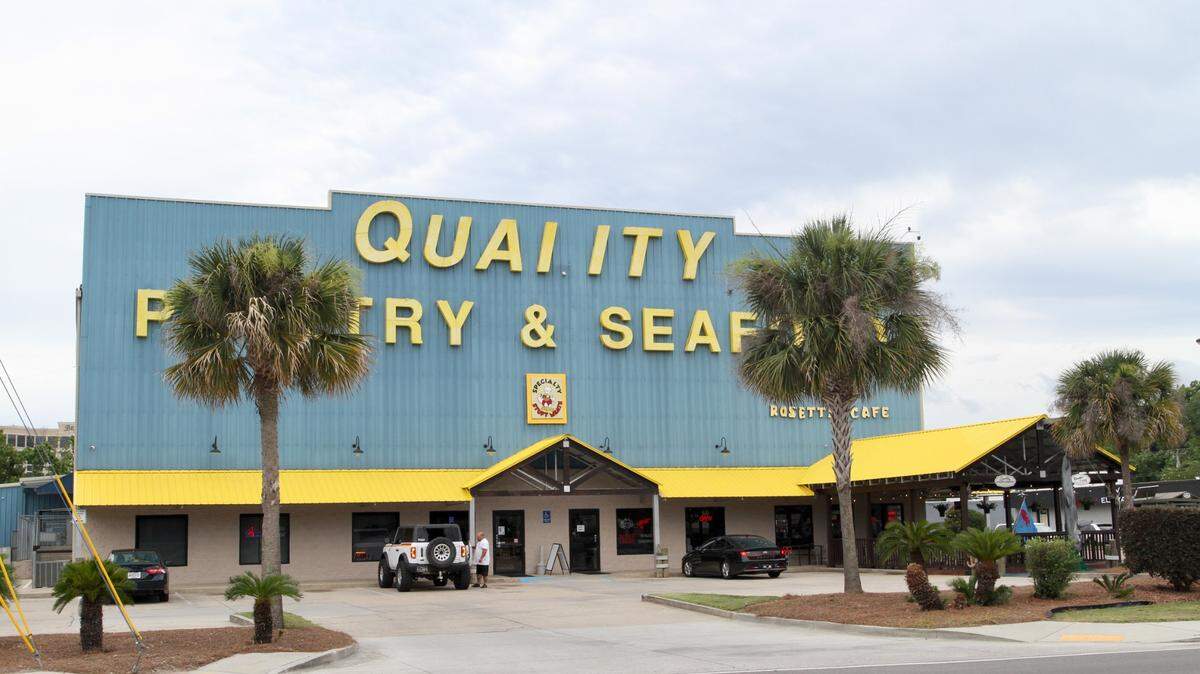
The restaurant was buying the foreign fish from Quality Poultry & Seafood in Biloxi, a large wholesaler also charged in the conspiracy. Ozerden noted Mahoney’s wasn’t the only restaurant that Quality worked with to sell imported fish as fresh seafood.
The judge pointed out Cvitanovich did not start the practice of ordering foreign fish that was mislabeled and sold as fresh Gulf fish. Instead, Cvitanovich simply continued the practice when he started ordering seafood for Mahoney’s in 2016.
Both Cvitanovich and Ezell apologized for the seafood being mislabeled.
“I want to apologize to the court, my family and our customers,” Cvitanovich told Ozerden once he had received his sentence. Ezell said Mahoney’s had faced many hardships during its 60 years in business, including Hurricane Katrina, the recession, the BP oil spill and the COVID pandemic.
But, she said, “We brought this one on ourselves.” She said that Mahoney’s wants to be recognized again as a premiere restaurant and the family wants to “honor my mother and uncle” in the way they conduct business.
Ozerden said the restaurant must keep records for five years on the species, sources and cost of its seafood, and make those records available on request from federal agencies such as those that regulate the harvest and sale of seafood.
The judge noted the crime breached the trust of customers, had a negative economic impact on local fisherman and created a competitive disadvantage for honest purveyors of seafood.
FDA investigated seafood crimes
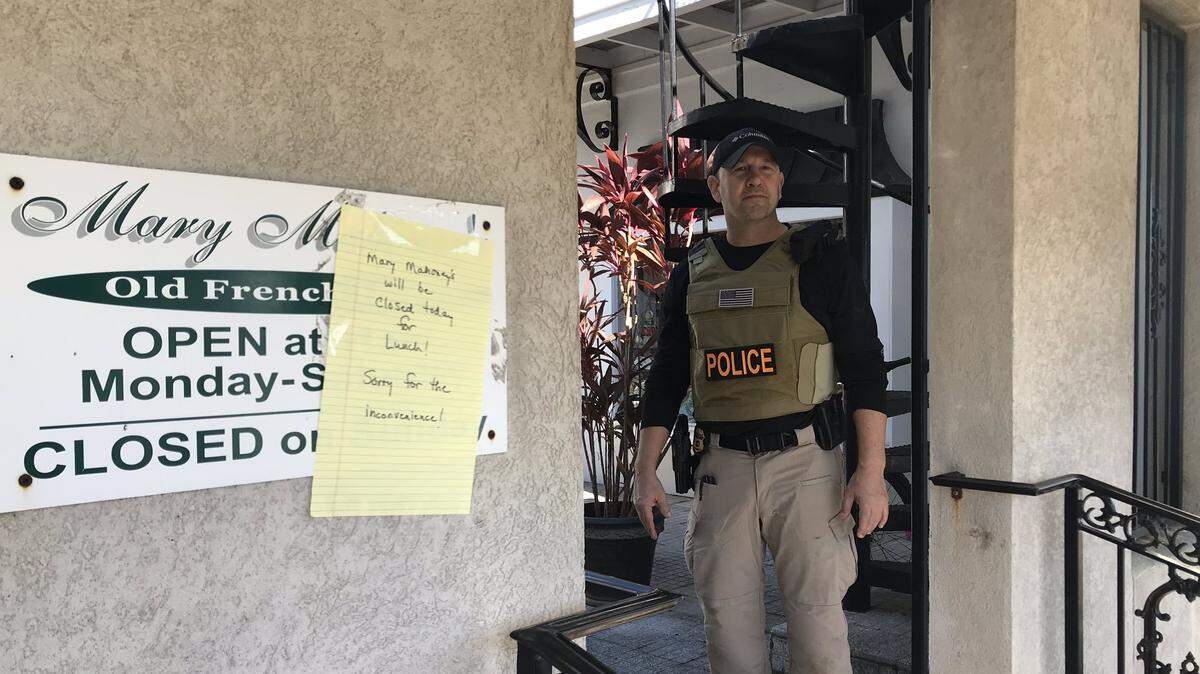
Special Agent Martin T. Holloway of the U.S. Food and Drug Administration’s Criminal Investigations Office investigated the case and was in court for sentencing. FDA agents raided Mahoney’s in November 2019.
Ozerden noted that Cvitanovich and Mahoney’s cooperated with investigators and stopped selling foreign fish as snapper or red snapper when the FDA raided the restaurant in November 2019.
The restaurant previously had two mislabeled dishes on the menu: Stuffed snapper and Snapper Bienville.
Both dishes are still available but, family members said, the names were changed to Queen Ixolib (Biloxi spelled backward) and Seafood Bienville.
Between 2013 and November 2019, Mahoney’s admitted buying from Quality Poultry & Seafood in Biloxi more than 29 tons of lake perch, tripletail, triggerfish and unicorn filefish from Africa, India or South America. The restaurant billed the imports as premium Gulf red snapper, snapper and redfish, the government’s charging documents say.
Quality, through owner and corporate representative Clell Rosetti, also pleaded guilty in the case to one felony charge of conspiring with Mahoney’s to mislabel seafood and wire fraud. Quality’s sales manager and Rosetti’s son, Todd Rosetti, and business manager James “Jim” Gunkel each pleaded guilty to misdemeanor charges of misbranding seafood.
Quality, the state’s largest seafood wholesaler, already has agreed to forfeit $1 million and pay a criminal fine of $150,000, the United States Attorney’s Office says.
Quality and its employees are scheduled for sentencing Dec. 11, also before Ozerden.
The crime was not victimless, prosecutors and Ozerden noted, but locating and calculating the cost for each victim would have been too unwieldy and time-consuming, they said.
This story was originally published November 18, 2024 at 12:09 PM.