MS oysters are back. Sampling shows biggest supply in years for upcoming season
AI-generated summary reviewed by our newsroom.
- Mississippi expects largest oyster harvest since 2010, beginning Oct. 13, 2025.
- DMR limits catch to 30% of stock, preserving reefs after strong oyster recovery.
- Sampling reveals productivity on key reefs despite long-term salinity challenges.
The 2025-26 oyster season in the Mississippi Sound could be the best in more than a decade, state surveys show.
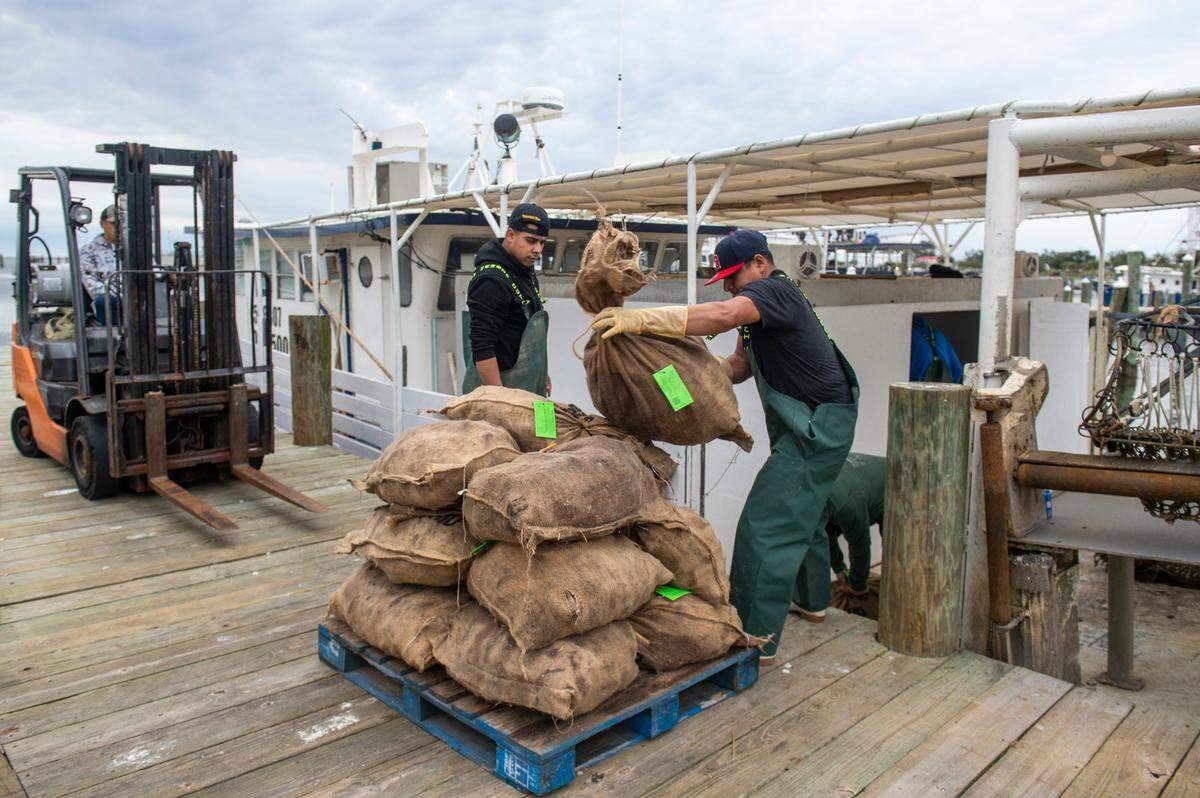
The Mississippi Department of Marine Resources, which maintains state-owned oyster reefs, expects to open the 2025-26 oyster season on Oct. 13 — an early start. Catch limits are geared to conserve the resource but will allow fishermen to harvest up to 82,000 sacks of oysters this season.
It would be the biggest harvest in well over a decade, DMR records show, assuring residents of plentiful catches for their holiday meals.
“After completing our annual reef assessments, we feel like the oysters are recovering at an appropriate rate to open the season,” said Jason Rider, the DMR’s shellfish bureau director.
MS oysters struggle after disasters
The state’s once-productive reefs have struggled to recover since the 2010 BP oil spill and, later, disastrous openings of the Bonnet Carré Spillway to avert Mississippi River flooding. The river water kills oysters by disturbing the salinity balance in the Mississippi Sound.
Reefs closed for five years when a prolonged Bonnet Carré opening in 2019 killed virtually every oyster in the western Sound.
The state has since invested less money in replenishing reefs and was prepared under a new state law to turn over 80% of public reefs to private investors, reasoning they would be better equipped to replenish the resource. A lawsuit brought by oyster fishermen has put those plans on hold.
Oyster season resumed in 2024-25, but in limited areas with only 8,900 sacks harvested.
Rider said oysters, which take about three years to grow to maturity, were out there last year but sampling was limited, which explains the drastic increase in the number of sacks available for harvest this season. DMR is limiting harvest to 30% of the estimated oysters available to conserve the resource.
Reefs benefit environment, protect against storm surge
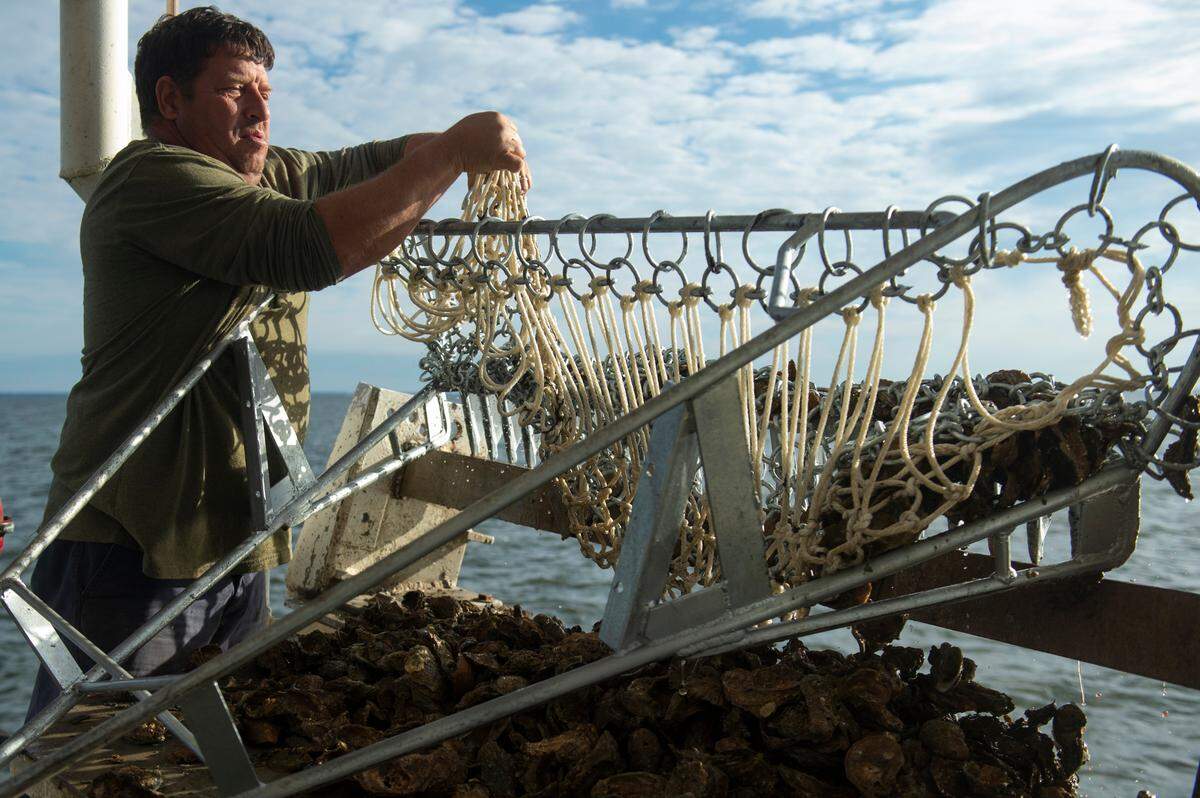
While oysters are a big draw for tourists and residents alike, they also provide priceless environmental benefits. The reefs serve as nurseries, refuge and foraging grounds for fish, shrimp, crabs and other aquatic animals.
They also protect the shoreline from erosion in storms. And oysters filter and clean the water as they feed. An adult oyster can filter up to 50 gallons of water a day.
But the state’s reefs have been shrinking, DMR records show. Much of the Mississippi Sound has a muddy bottom where oysters are unable to grow.. Instead, immature oysters attach and settle for life on hard surfaces. Their shells create more hard surface for oysters to settle, forming reefs. Over time, reefs can shrink — or grow —with the population.
For example, Rider noted in a recent report that the Henderson Point reef in the Western Sound is productive. But the vast majority of market-size oysters are growing on only 326 acres of the 1,300-acre reef footprint.
Other reefs also show market-sized oysters concentrated in areas much smaller than the reef footprints. Sampling turned up no oysters on 897-acre Telegraph Reef, where the DMR characterized the bottoms as soft mud and fragmented shells. The reef is further from shore than most and experiences more issues with salinity variabilities that impede oyster growth.
However, the DMR’s sampling on other reefs shows promising signs for better oyster seasons ahead, providing the weather cooperates.
. . .