Judge: MS oyster lease law potentially creates monopoly, violates Constitution
AI-generated summary reviewed by our newsroom.
- Judge orders Mississippi to end on‑bottom oyster lease program as unconstitutional.
- Court finds leases could grant private firms control of all productive harvest areas.
- Ruling affirms public trust right to harvest oysters, shrimp and fish in state waters.
A Harrison County judge has ordered the Mississippi Department of Marine Resources to permanently end a private oyster-bottom lease program that the state Legislature created, finding it unconstitutional and contrary to the public’s right to catch oysters.
“The offending sections of the On-Bottom Lease Laws permit DMR, in its sole discretion, to lease the overwhelming majority, if not all, of the productive public reefs to a few private companies under agreements that would restrain trade by excluding (oystermen) from the productive reefs and meaningful competition with the private companies in harvesting and selling oysters in the free market and interstate commerce,” Chancery Court Judge Jim Persons wrote in his ruling.
Persons temporarily halted the program Aug. 25 while the lawsuit was pending. His recent ruling made the ban permanent. It says the law violates the U.S. and Mississippi constitutions.
The trade organization Mississippi Commercial Fisheries United, its executive director Ryan Bradley and 25 other fishermen in May sued the DMR and state of Mississippi over the new law, claiming the oyster-bottom lease laws turned over historically public fishing grounds to private interests.
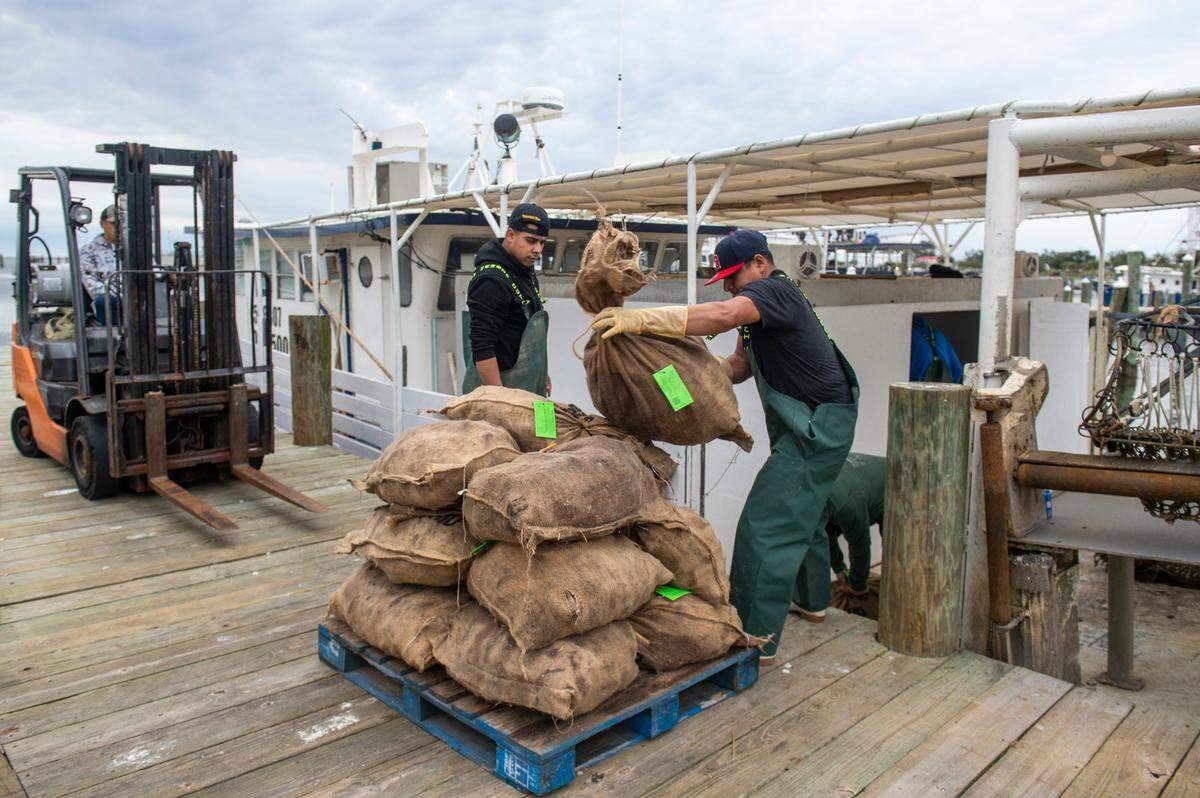
MS oyster leasing ruling detailed
Persons found that the law, crafted with input from DMR, potentially creates a monopoly for private enterprise by offering private leases on 80% of oyster harvest areas, which are mostly in the western Mississippi Sound off Pass Christian’s shore.
While permitted oystering areas encompass 17,133 acres of water bottoms, only 7,277 of those acres include productive reefs where oysters grow. The public, Persons said, could be left with muddy water bottoms.
DMR has spent millions, with mixed results, to replenish reefs decimated in recent decades by hurricanes, Mississippi River floodwaters released through the Bonnet Carré Spillway and the 2010 BP oil spill.
The DMR and members of the Mississippi Coast’s legislative delegation saw private leasing as a way to revive reefs where immature oysters could settle. DMR Executive Director Joe Spraggins has said his agency doesn’t have the money or manpower to revive the reefs.
In addition to boosting the economy, Coast oyster reefs serve as nurseries for aquatic life, filter pollution from the water and buffer storm surge.
But Persons said the private leasing program doesn’t guarantee the public access to reefs replenished by private companies, instead potentially allowing them exclusive access in perpetuity to those oyster grounds. He also noted Spraggins acknowledged that reserving 20% of lease grounds for the public would not sustain Mississippi’s oyster industry.
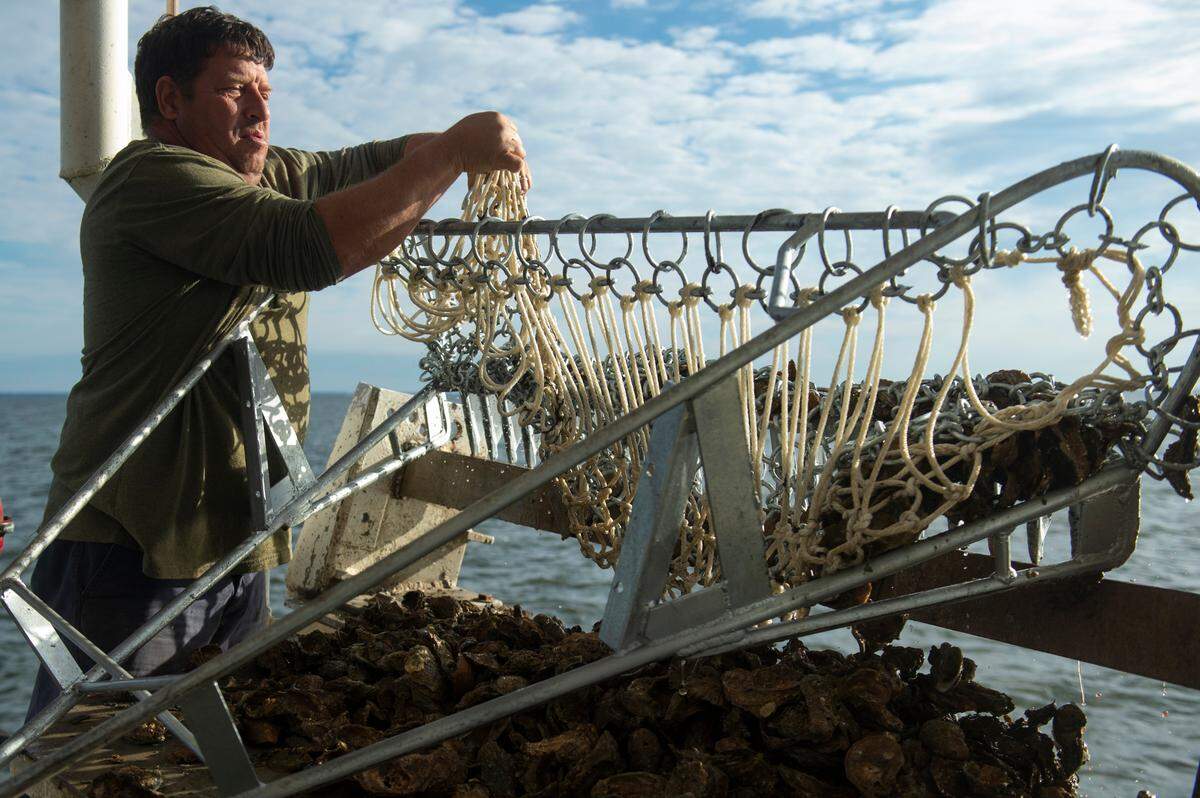
Lease laws benefit only a few
The lease laws, as written, the judge said, “serve to benefit only a limited number of lessees with only a minimal benefit, if any, to the conservation and management of the existing oyster reefs and then only if an on-bottom lease was terminated with that reef becoming available to the plaintiffs to harvest oysters.”
Persons emphasized that the state holds its water bottoms in trust for the public.
“The right of Mississippians to harvest oysters, and to shrimp and fish in the Mississippi Sound has existed at least since 1817 for both commercial and recreational fishermen,” the judge wrote.
Mississippi Commercial Fisheries United plans to hold a news conference about the judge’s ruling at noon Friday in Pass Christian’s harbor. Kimball’s Seafood Dock in the harbor will host a complimentary fish and oyster fry to celebrate.
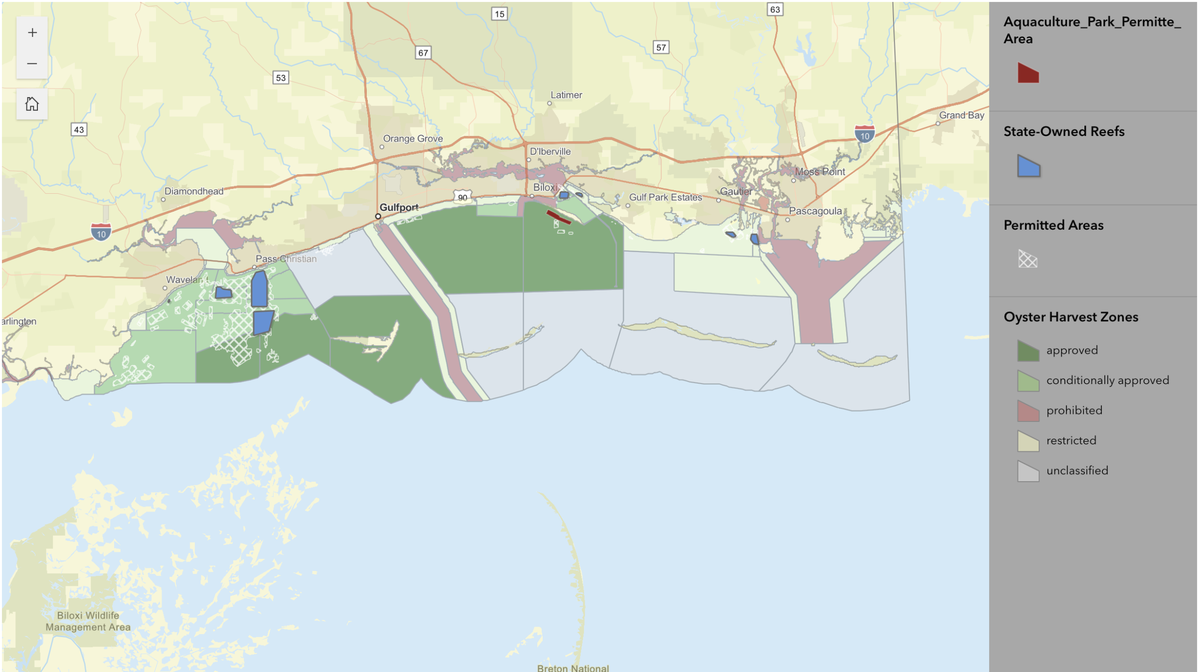
This story was originally published April 2, 2026 at 8:08 AM.