It works in Louisiana. Will this new law save the oyster industry on the MS Coast?
Hoping to revive Mississippi oyster reefs, the state Legislature has opened for private leasing a majority of Mississippi Sound water bottoms where oysters grow.
The Mississippi Department of Marine Resources currently manages and maintains most of those water bottoms, opening them to the public when enough oysters are available for harvest. Under the new law, Marine Resources will maintain only about 20% of permitted reef acreage for public harvest.
The shift comes after a series of natural disasters, beginning with Hurricane Katrina in 2005, decimated Mississippi Sound reefs where oysters settle as larvae and grow to adulthood. The reefs are ecologically important to the Mississippi Sound and once generated millions a year in revenue.
There’s been no harvest on public reefs that Marine Resources maintains since 2018 because oysters are too scarce. Fishermen say the state’s recovery efforts, with more than $55 million spent since 2005, have fallen short. A recent investigation by ProPublica and the Sun Herald showed that the state rebuilt reefs in ways that did not respond to changing conditions.
“My hope is that water quality and habitat issues in the Sound will start getting right,” said Sen. Mike Thompson, of Pass Christian, who authored the bill. He also hopes “private industry is able to replenish those reefs in a commercially viable way for them, but for the rest of us in a way that will improve the overall health of the Mississippi Sound.”
Rep. Timmy Ladner of Poplarville worked in the House to get the bill passed and believes it is “a step in the right direction.” He said legislators talked to fishermen and processors about what needed to be in the law.
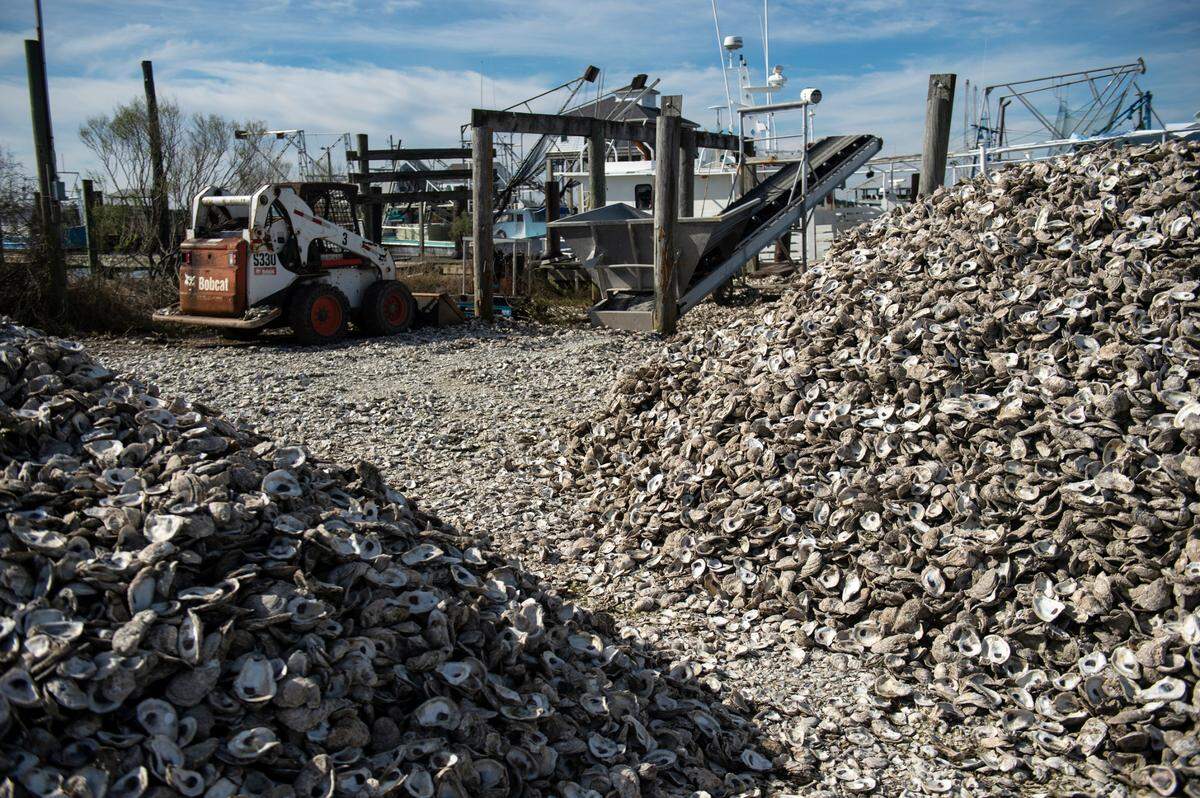
How oyster leasing will work in Mississippi Sound
DMR, which has advocated for more private leasing of reefs, says it doesn’t have the money or manpower to maintain more than 8,112 acres of public reefs in today’s climate.
Mississippi previously had a lease program, but most leases were inactive. The new bill gives oyster farmers more time to build up reefs, with 15-year leases as opposed to the current five-year lease terms. Leaseholders also will have first right of renewal on their water bottoms. The law also mandates that farmers work their leases or risk losing them.
DMR will be in charge of the leasing program. Private individuals and companies can lease up to 2,500 acres of water bottoms in the Sound for oyster farming.
The law also lowers the lease rate from $5 to $3 an acre, with the money going into a Marine Resources account for oyster projects.
The state has a total of more than 24,000 acres permitted for growing oysters. But oysters can’t grow in mud, and the shells or rocks where they will grow need to be planted on a firm bottom. Potential leaseholders will be competing for the best spots.
Leases will be available to Mississippi residents and businesses on a first-come basis. The law goes into effect immediately after signing, but DMR must put into place regulations for the leases.
Thompson said Marine Resources has already mapped out lease areas where it will keep control and maintain established reefs.
The law requires Marine Resources to display on its website maps that show water bottoms leased and available for lease.
The law also sets out a process for DMR to enter and enforce the leases.
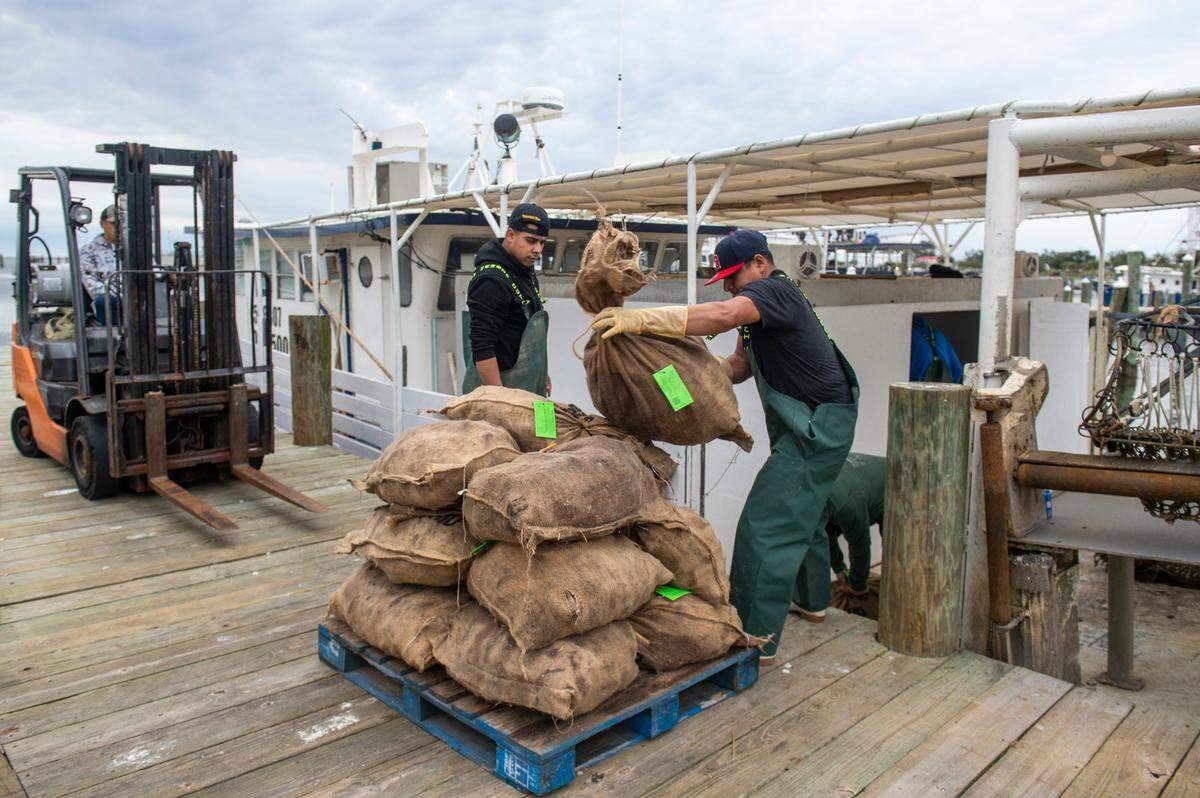
Private leasing for oyster farming works in Louisiana
Joe Spraggins, executive director of Marine Resources, has not responded to Sun Herald requests for comment. But Thompson said the lease program goes into effect as soon as the governor signs the bill, which should be by April 20. He said Marine Resources should have the program in place in “short order” because they have known about the plans for several months.
The state has traditionally replenished the reefs that oysters create with fresh shell or limestone. But farmers put more work into their reefs, planting shell or rock, and raking or turning the material at intervals so that oyster larvae have a clean surface to settle on.
Thompson said Marine Resources has already mapped out lease areas where it will maintain control and those locations include solid water bottoms where oysters will grow.
Private leasing has proven effective in Louisiana, where fishermen are catching oysters on leases affected by the same disasters the Mississippi Sound has suffered.
Repeated freshwater flooding from the Mississippi River has killed the oysters and the Mississippi reefs have yet to rebound. Louisiana officials say their public reefs affected by flooding also are suffering.
Ryan Bradley of the nonprofit organization Mississippi Commercial Fisheries United expects interest in leasing to be high. He hopes Marine Resources will be transparent in setting up the lease program by notifying the public that it is available and posting information on its website.
This story was originally published March 29, 2023 at 8:47 AM.