Gulfport police killed a Black veteran. His family waits for answers over 1 year later.
READ MORE
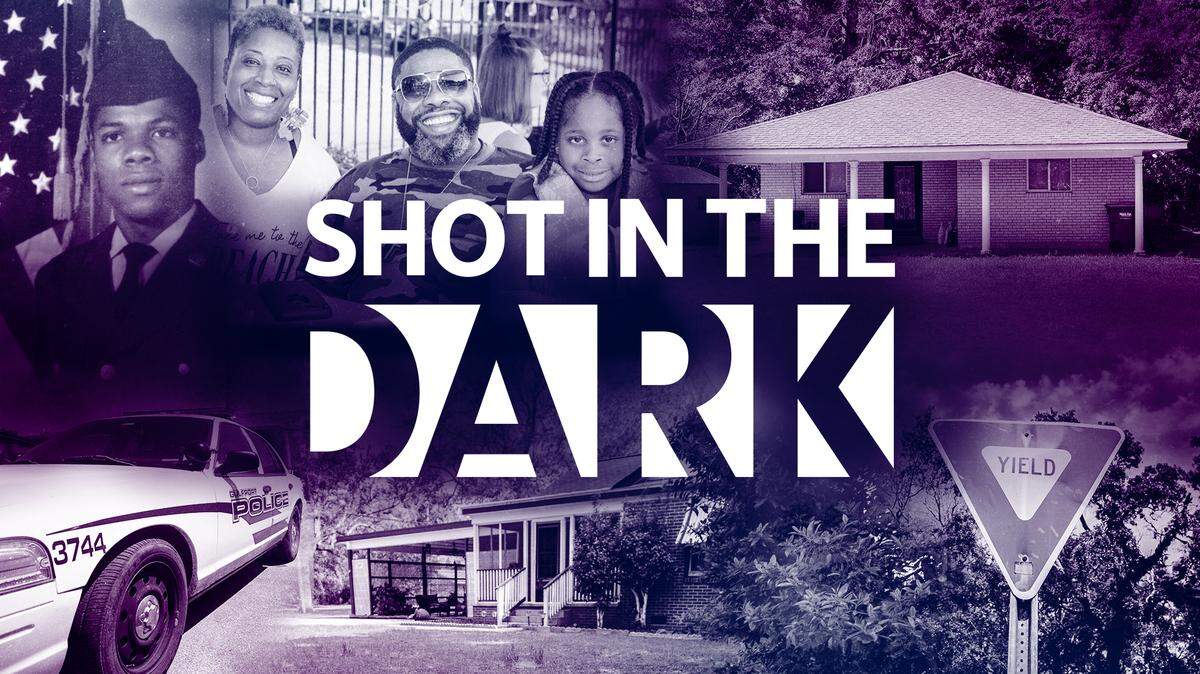
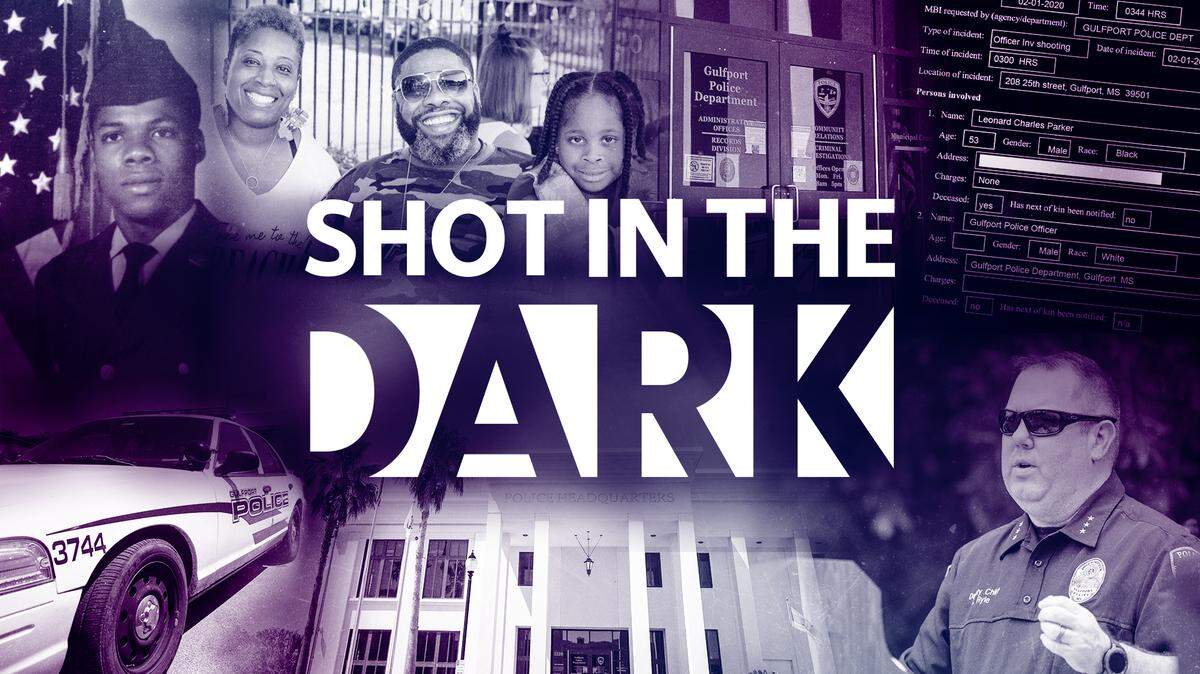
Shot in the Dark
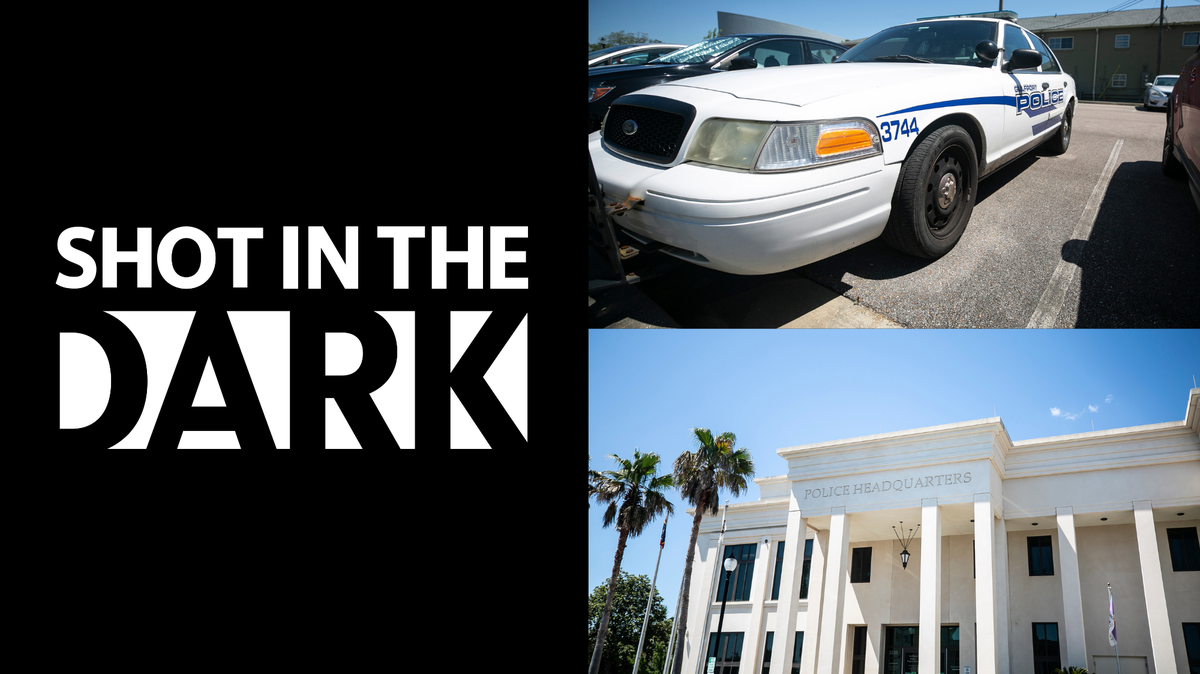
A Gulfport police officer shot and killed an Army veteran named Leonard Parker on Feb. 1, 2020. The officer said Parker was trying to run him over, and Parker’s grieving family got no other details from Mississippi law enforcement. Documents the Sun Herald fought to obtain tell a different story.
Expand All
The shots sounded like firecrackers in the night.
“Pop, pop, pop,” one witness said.
A police officer had fired his gun three times at a pickup truck in the road — so suddenly that several witnesses didn’t realize what had happened.
Some thought it must have been warning shots.
Gulfport Police Officer Jason Cuevas thought he had missed. The truck he thought was turning toward him and accelerating seemed to be thrown into park right after he fired.
“Put your hands up!” he shouted. The passenger obeyed, but the driver did not.
Cuevas walked to the driver’s door as a crowd of people standing on the side of the road pleaded with him not to shoot.
“He’s a veteran,” one said.
“They’re not armed,” said another.
When Cuevas opened the door, Leonard Parker Jr. — a Black father of six and 22-year Army veteran — fell out onto the road.
One of the three bullets Cuevas fired had hit Parker on the left side of his face.
The officer rolled Parker onto his stomach, handcuffed him, and rolled him onto his back. He died in an ambulance about half an hour later, at 3:28 a.m.
Two days later, the Gulfport Police Department released three sentences describing what had happened.
“On February 1, 2020, at approximately 2:58 a.m., the Gulfport Police Department received multiple 911 phone calls from a residence in the 200 block of 25th Street, for a disturbance call. A responding Officer was approaching the residence on foot when a vehicle leaving the scene drove toward the Officer. The Officer discharged his weapon which killed the driver, later identified as Leonard Parker.”
For more than a year, three sentences were the only official account of what happened that night.
Fighting for public records in shooting death
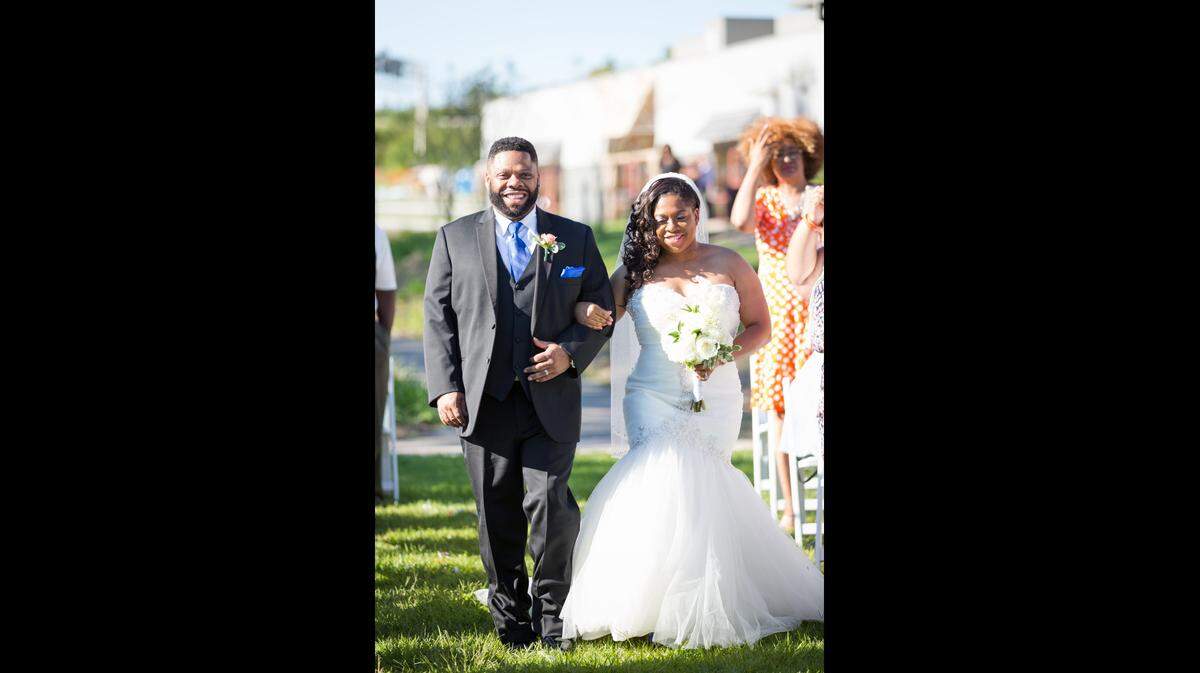
Every time Catina McGahee Parker’s phone rings, she thinks it’s her husband.
Suddenly, she’s back to life before last February, when he would call “five, six, seven times a day.”
“I can’t stand to hear the phone ring because I think it’s Leonard calling,” she said. “He was my best friend, my biggest supporter, protector, my security, provider. He was my everything.”
Parker’s grieving family found the Gulfport police account impossible to believe, but they haven’t been able to get any more information from the Gulfport Police Department or the Mississippi Bureau of Investigation.
Since January, the Sun Herald has fought to find out what happened that night by filing requests for information that is legally available to the public.
Twelve public records requests were sent to law enforcement agencies and prosecutors. Four were rejected outright, and two others resulted in only a single incident report with almost no information.
But in May, the special prosecutor who presented Parker’s case to the grand jury provided the entire investigative file to the Sun Herald, a rare occurrence in Mississippi and across the country.
While the police press release implied Parker may have tried to run over the officer who shot him, the documents show that witnesses told investigators Parker was driving very slowly as he left the house, and all but one of six witnesses said Parker stopped his truck before Cuevas fired his weapon.
Cuevas also failed to turn on his body camera, in what his attorneys acknowledged was a violation of Gulfport’s policy. His department would not say whether he was disciplined for that, and his attorneys said they did not know, providing no insight into how the department handles such violations.
Documents in the case file demonstrate the amount of information that Mississippi law enforcement can shield from public view after someone is killed by an officer.
Across the country, authorities often release the names of police officers involved in shootings. And in recent high profile cases, they also have shared body camera footage with victims’ families.
Gulfport never shared the officer’s name with the family and did not acknowledge there was no body camera footage until May 2021.
Gulfport Police Chief Chris Ryle declined repeated requests for an interview for this story.
There is no video of Parker’s shooting. None of the witnesses recorded it on their phones (it happened too quickly, they said), and when investigators canvassed neighbors, they learned no one had a home security camera system turned on at the time of the shooting.
The following is a detailed description of what happened that night based on videos of police interviews with witnesses and Cuevas, police documents, and Sun Herald interviews with other neighbors and family.
All quotes from witnesses are drawn from their interviews with investigators on Feb. 1, 2020, unless otherwise noted. Shelly Owens, a guest who did not testify before the grand jury, was interviewed by the Sun Herald.
A small house party in Gulfport
Parker joined the Army right out of high school. His 22-year military career included seven years overseas and combat service in Iraq and Saudi Arabia.
After retiring, he served fellow veterans at the Atlanta office of the Department of Veterans Affairs while living in nearby Covington, Georgia.
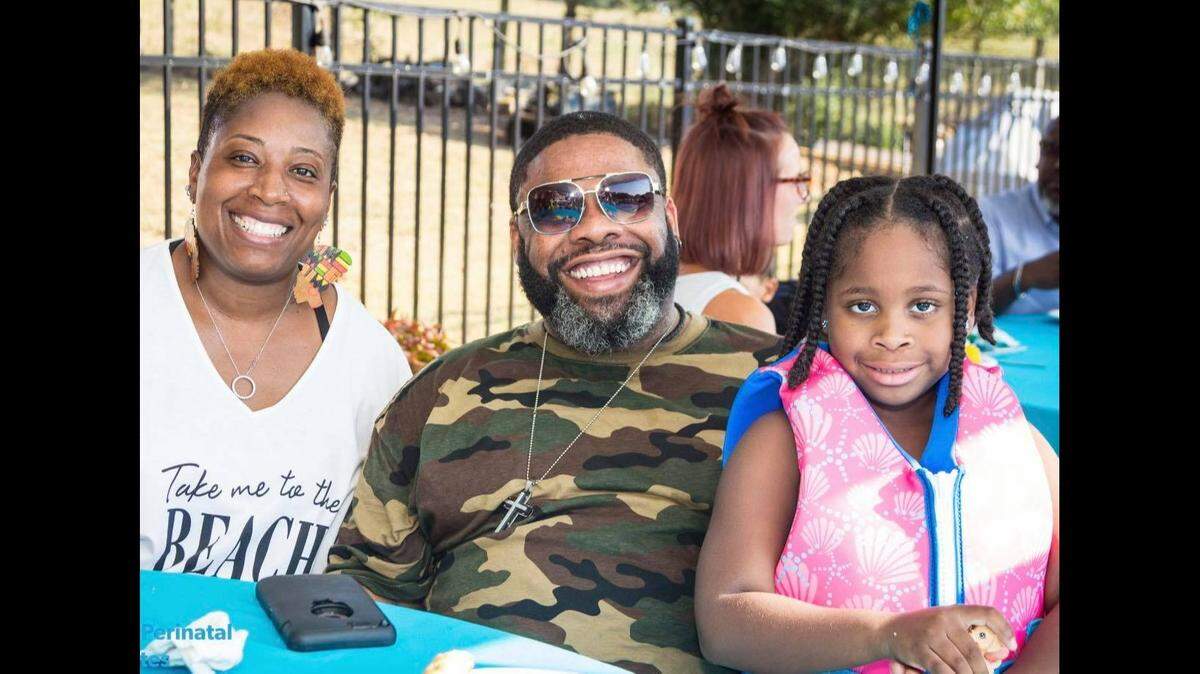
At 53, he was a father of six and a grandfather. His youngest daughter, Londyn, was 6 years old; he liked to attend her tea parties and play his favorite music for her.
On Jan. 31, 2020, Parker was on his way to Houston, where he was raised, to pick up his father’s ashes and spend time with family.
He stopped in Gulfport to attend a birthday party for Stephanie Baldwin, a woman he had started dating after they met in Atlanta. She had moved to Gulfport a few months earlier.
That evening, Parker and his big sister, Mary Broussard, talked on the phone about plans for his time in Houston. They would do some projects at their mother’s house, and have a small gathering and balloon release to honor their father, who died in late 2019 after a three-year battle with cancer.
Broussard told her brother to be careful on his drive the next day. Parker told his sister he loved her.
The birthday party was more of a family gathering, several witnesses later said. Stephanie Baldwin was turning 37, and she had invited friends and family, as well as Parker, to her home to celebrate. Baldwin bought supplies for each guest to paint two wine glasses: one for her, and one to take home.
The guests started to arrive around 7 p.m. Sitting around a table, they painted glasses, sipped wine and Modelo beer, and ate cheese and chocolate-covered strawberries. Parker was the D.J., queuing up classic blues and hip hop.
“We had a great time,” Maxine Owens, Baldwin’s aunt, later told investigators.
The trouble started around 10:30 p.m. Baldwin’s sister, Kimberly Bonds, and her boyfriend, Derrian Tremaine Markray, had driven in from near Shreveport, Louisiana, for the party. Markray asked Bonds to talk outside. He was irate because another guest had accidentally walked in while he was using the bathroom. Bonds tried to tell him that it was a party, these things happen. But he wouldn’t calm down. (When Markray spoke with the Sun Herald, he said the conflict was “a misunderstanding.”)
Markray followed Bonds from room to room as the other guests tried to stop him from physically attacking her. Shelly Owens told the Sun Herald she remembers Parker telling Markray, “You don’t fight women.”
At one point, Markray and Parker were physically fighting outside, as Markray demanded to leave with Bonds and the other guests insisted that wasn’t happening, since he seemed so intent on attacking her.
Finally, Maxine Owens made a decision. Markray’s behavior was not getting better. It was time to call the police.
Owens’ call came in to dispatch at 2:49 a.m. The Gulfport police press release would later say there had been “multiple” 911 calls, but case files show her call was the only one from the party that night.
“I need the police,” she said in a recording of the 911 call. “We got a man here that don’t want to leave this house, and he fights everybody.”
The dispatcher asked her to describe Markray, and whether there were any weapons. Owens said he was Black, and there were no weapons.
Shelly Owens told the Sun Herald that when Markray was told police were on their way, his demeanor changed. Suddenly, he was eager to leave.
“I don’t want to go to jail in Mississippi,” Owens remembered him saying. “I want to get away from here.”
Markray got into Parker’s truck, and Parker got in the driver’s seat to take him to a hotel. Almost everyone else gathered outside to see them off.
Maxine Owens looked toward Oak Avenue and saw a police car pass by. It had no blue lights, and she didn’t see it stop, so she didn’t think it was responding to her call. But she still thought an officer would arrive soon. Owens told Parker to stay.
But Stephanie wanted Markray away from her house.
“Leonard said, ‘OK, I’m just gonna take him away to the hotel,’” Maxine Owens said.
Parker started to back out of the driveway.
Police respond to drunk and disorderly 911 call
Officer Jason Cuevas, a then-31-year-old patrol officer, got the call to respond to a disturbance at 2:51. The house was just outside of his usual patrol area, and he had never responded to a call on that block of 25th Street.
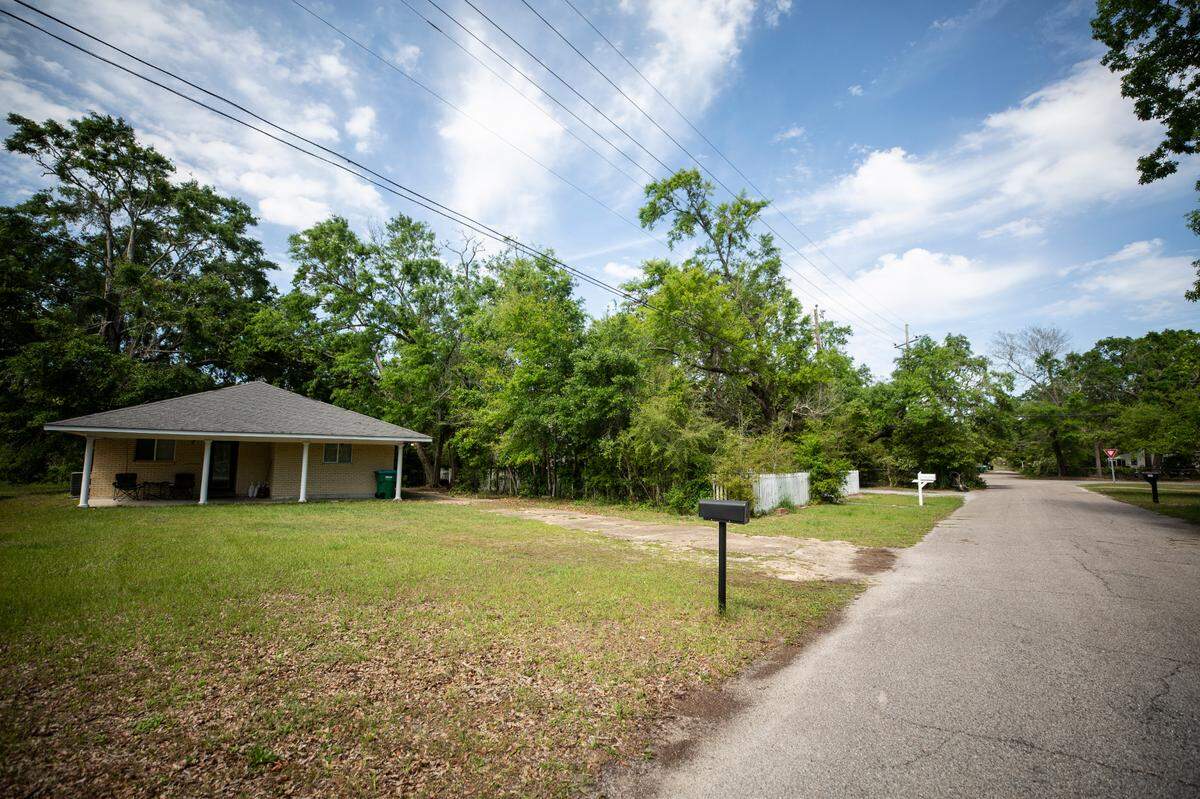
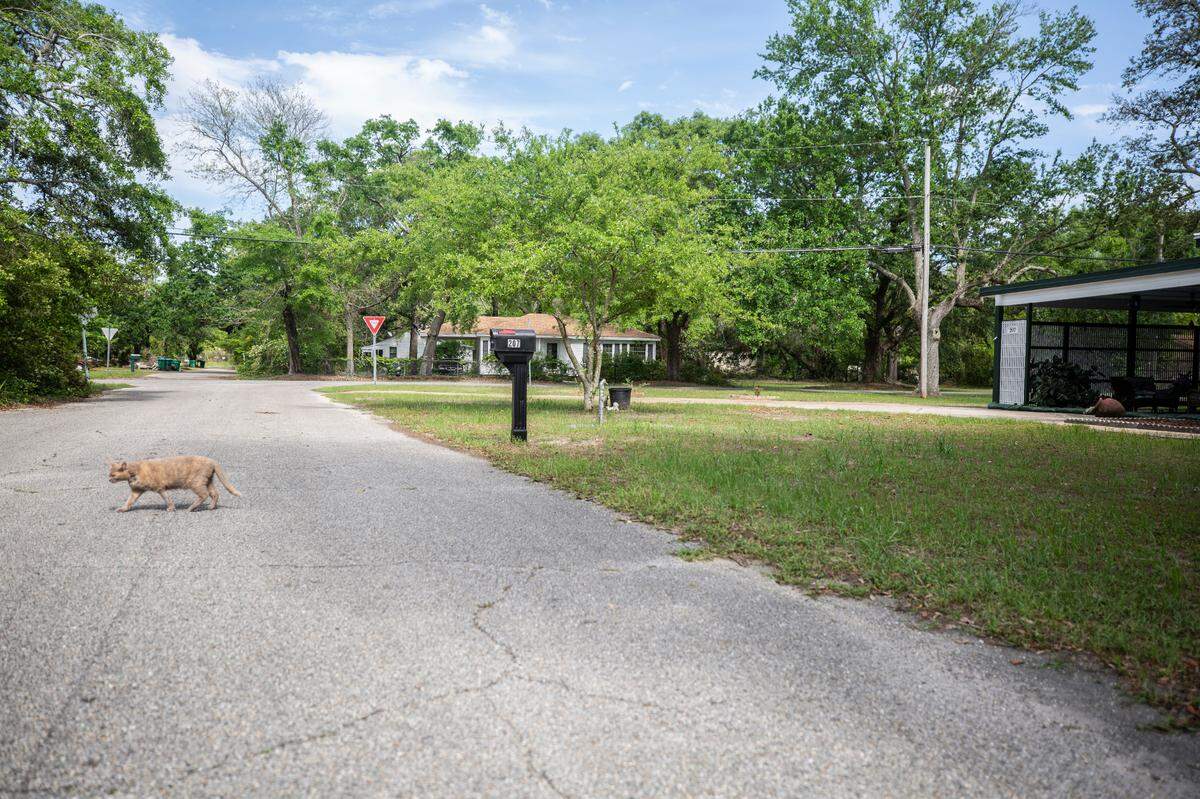
It’s a quiet neighborhood less than a mile north of the Mississippi Sound. The block, which dead-ends, sees little traffic. Most residents are retired; some have owned homes there for decades, neighbors said. It’s a place where people check on each other during storms and trade local news.
During his five years on the force, Cuevas had received nine hours of training on use of force, including four hours on vascular neck restraints and one on pepper spray, according to his certificates report in the investigative file. He attended the most recent one-hour training, on “force response policy,” in October 2018.
In December 2019, Cuevas got two hours of training on using a handgun in low-light situations. Altogether, he had received five hours of low-light handgun training, along with many additional hours of other firearms training.
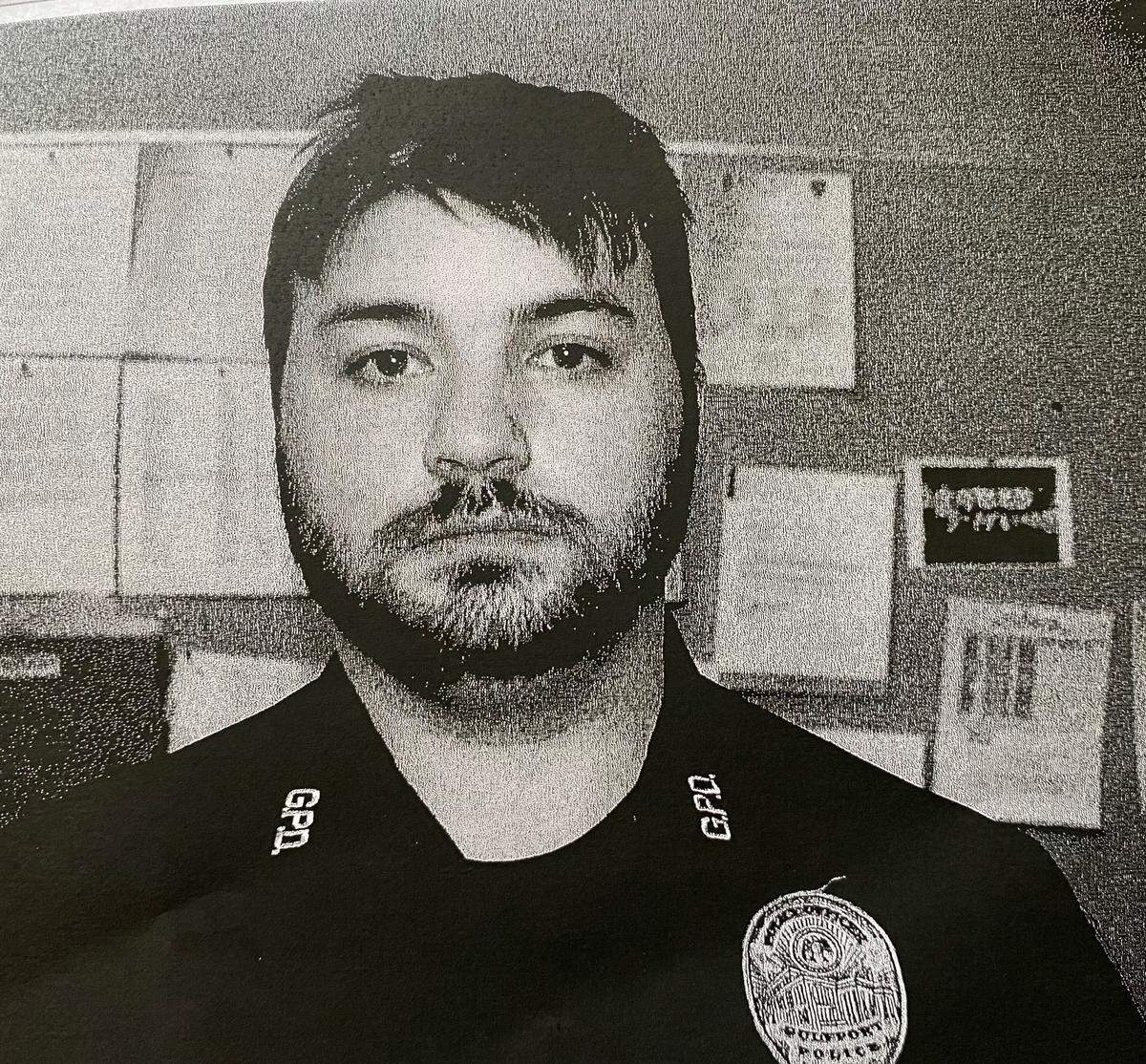
The call he received before 3 a.m. was coded S29, for “disturbing the peace,” and S32, for “drunk and disorderly.”
As he drove down Oak Avenue from Railroad Street with his windows down, he didn’t turn on his blue lights or siren because it wasn’t a serious call, and he was trying to figure out exactly where the house was. At the corner of Oak and 25th Street, he could hear some commotion.
He decided to park at the corner to approach the house on foot, since he wasn’t sure exactly where it was. At 16 seconds after 2:55 a.m., he radioed that he had arrived at the scene.
He turned off his headlights and started walking down 25th Street. He shone his flashlight on the mailboxes, trying to see the addresses.
Up ahead, he saw a pickup backing out of a driveway. That must be the house, he thought.
What guests told Gulfport police
Shelly Owens and five others watched Parker slowly back up his 2014 GMC Sierra, maneuvering carefully to avoid hitting other guests’ cars in the driveway.
As he backed out, he hit a green mailbox on the other side of the street.
The toxicology screen later showed Parker’s blood alcohol content was 0.185, more than twice the legal limit of intoxication in Mississippi.
Shelly was worried the neighbors would come outside, so she headed back toward Stephanie’s house while the rest of the guests stood in the yard watching Parker’s truck drive slowly toward Oak Avenue.
Kimberly Bonds wondered aloud, “Why they slowing down?”
She saw a flashlight up ahead, but she didn’t know who it was.
When Parker had driven about one house down the block, Maxine Owens saw the truck stop, and the brake lights come on.
“And then I heard, pop, pop, pop,” she said.
Gulfport police officer’s perspective
When Cuevas left his car, he started out walking down 25th Street in the middle of the road. As Parker started driving, Cuevas was slightly on the south side, the same side Parker was driving on.
Cuevas took out his strobe flashlight and aimed it at the car. He said, “Stop the vehicle, stop the vehicle.” He started backpedaling further towards the south side of the road and the passenger side of the vehicle, but he felt like the car was tracking toward him, following him.
Then, he later told investigators, he heard the engine rev up: Vrooom.
“At that point, I heard the vehicle pick up in speed, I remember thinking, this is gonna happen, this is it,” he said. “I remember backpedaling, trying to move out of the way.”
“My body went into autopilot,” he said. “Like it was trying to save itself.”
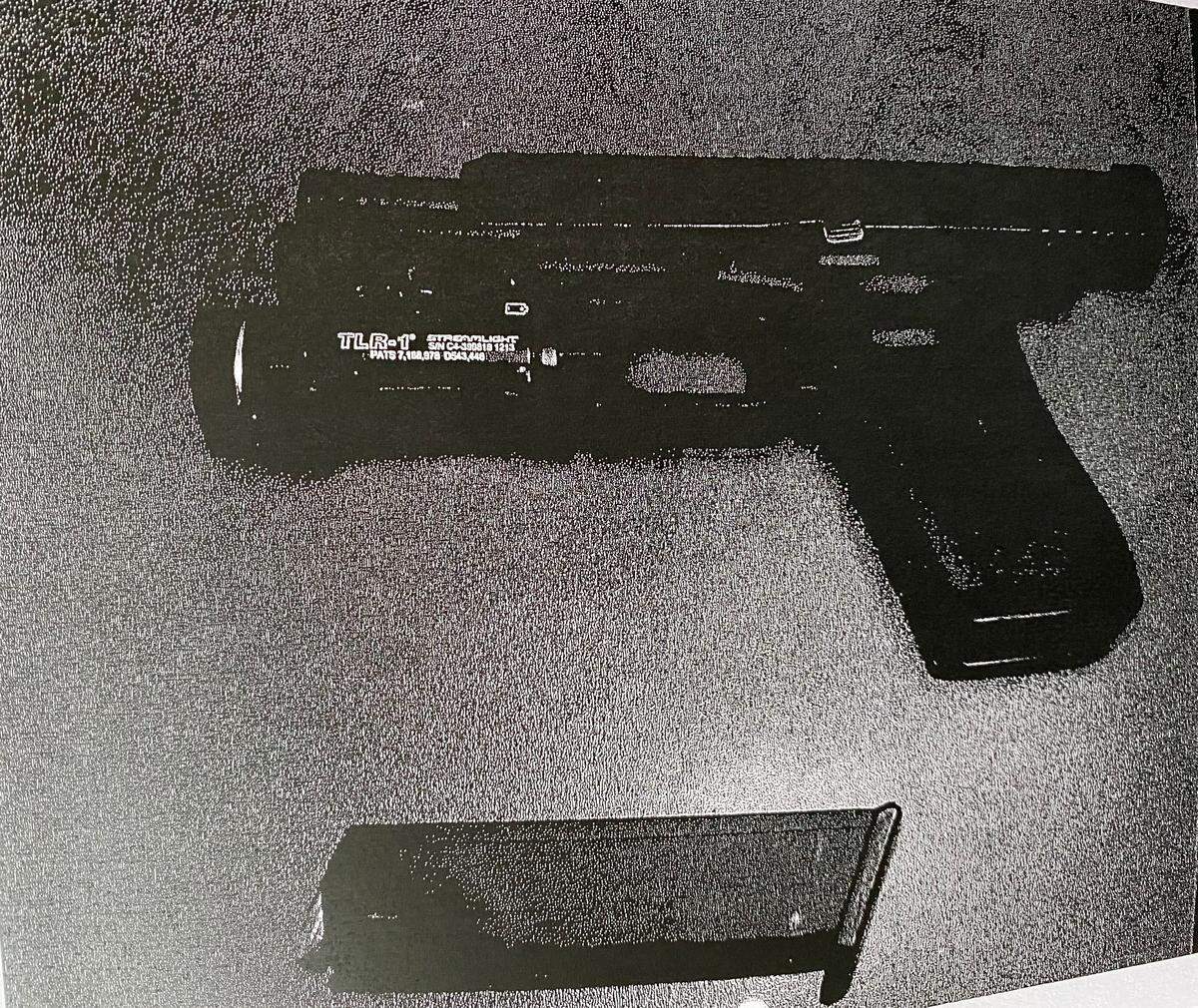
He fired his GLOCK 9 mm three times. The bullets burst through the windshield, on the driver’s side.
“I saw the flashes, and it was like the vehicle, right after I started shooting, it came to a stop,” Cuevas said.
He radioed, “Shots fired.” It was 46 seconds after 2:55 a.m., 30 seconds after he had arrived.
Second officer responds to shooting
The truck was stopped on the far south side of the road, its right tires in the grass. Parker had driven 73 feet after bumping the green mailbox.
Shelly Owens ran from the front door of the house, where she had been standing, to her family members gathered on the north side of the road. The officer pointed his gun at her and told her to stay back, she said in an interview with the Sun Herald.
A second Gulfport officer, William Brewer, arrived a few seconds later.
As the party guests stood on the side of the road, some of them crying and pleading with the officers not to shoot, Brewer said to Cuevas, “I got your back.”
Cuevas kept yelling for Parker to put up his hands, but Parker didn’t respond. Then the officer opened the door of the truck, and Parker fell out onto the ground, and lay motionless.
“We just all broke down,” Kimberly Bonds said.
The officer shined his flashlight on Parker’s body, and red spots were visible on his shirt. Cuevas radioed for fire and medical, then went to check Parker’s license plate.
“He was still breathing, and I remember, still he has to be handcuffed,” Cuevas said. “So I went and handcuffed him, and rolled him over on his back to assess and see if maybe there was some way I could provide medical attention through a tourniquet or whatever.”
Shelly Owens said it seemed like they waited forever for the ambulance to arrive. She still doesn’t understand why Cuevas handcuffed Parker, who lay bleeding on the road.
The ambulance arrived and paramedics started treating Parker at 3:07 a.m., after having been placed on standby from 3 a.m. until 3:03 a.m., according to the Gulfport police call sheet. The paramedics had to ask police for a key to unlock the handcuffs. Under “Factors impacting care,” they recorded: “Physically restrained.”
The medics intubated him, but his heart rate slowed and then stopped.
Parker was pronounced dead at 3:28 a.m.
‘I feel like I’ll never call the police again’
After the shooting, the party guests went back to Stephanie’s house, Shelly Owens said. They sat in the living room. An officer stood guard at the door. If they tried to talk to each other, he told them to be quiet. If they wanted to use the bathroom, they had to ask permission.
Was Leonard dead? The officer said he couldn’t give them any information.
Investigators interviewed the party guests separately on the scene. Audio recordings of those interviews are included in the investigative file.
“I feel like I’ll never call the police again,” Shelly told Jerry Birmingham, the Gulfport officer who interviewed her. “That will be the option that I will never make again.”
Because Shelly Owens hadn’t seen the shooting itself, she was not taken to the police station to give a statement. But six others at the party, including Markray, were.
After the shooting, an officer kept Markray in the back of his vehicle. The officer reported that Markray “spontaneously uttered” that he had told Parker to stop just before the shooting.
“I said man, slow down the police right there, and he kept going,” the officer’s notes record Markray saying. “That is why they shot. They wasn’t wrong, man, I told him to stop and he kept going.”
When interviewed by investigators hours later, however, Markray said he had noticed the officer’s flashlight and heard him say, “Stop the vehicle,” but that he hadn’t said anything about it to Parker. Markray told investigators neither he nor Leonard knew the police had been called, though other witnesses said they were both aware.
“[Parker] ain’t do nothing wrong,” Markray said. “But if I was the officer, I would have thought he was gonna run over me too. I don’t think he realized that was the police. But I saw flashlights. [Parker] saw it, but it didn’t come to him.”
In an interview with the Sun Herald earlier this year, Markray said Parker had stopped before Cuevas fired. He did not respond to phone calls and text messages asking him to clarify why his two accounts differed.
Besides Cuevas, nearly all of the people interviewed by MBI investigator Lt. Brad Garrett within six hours of the shooting said Parker had been driving very slowly, not more than 5 mph (Baldwin was not directly asked about the speed of the truck). Besides Markray, all of the party attendees said he stopped before the officer opened fire. Maxine Owens and Kimberly Bonds both remembered seeing Parker’s brake lights go on.
None of them said they remembered hearing a vroom, or the sound of the vehicle accelerating.
Interview with officer who shot Leonard Parker
Cuevas was interviewed on Feb. 5, with two of his attorneys present. (None of the other witnesses were accompanied by attorneys when they gave their statements.)
Cuevas told Garrett how he had felt there was a rope between him and the truck: Where he moved, the truck seemed to move.
He couldn’t remember how fast it had been going, but remembered it “picked up speed, like it was coming straight at me.” And, he said, it never stopped, until after he started shooting.
Cuevas’ voice broke and he began to cry as he recounted that moment to the investigator.
“When you started running back, at that time, were you in fear for your life?” Garrett asked.
“Partly, oh f---, this is it, I’m probably not gonna go home, see my wife, my family,” Cuevas said he was thinking right before the shooting. “And it was almost like my body just took over for me and I was just watching because it was like, you have to save yourself, and get out of this. To answer your question, yeah.”
Garrett asked whether he had rendered aid to Parker. Cuevas said he had had a tourniquet with him, but blood was pouring from Parker’s face and neck.
“I just remember standing there feeling helpless, because I didn’t know what I could do to help him,” Cuevas said, starting to get choked up again.
Garrett asked whether Cuevas’ body camera had recorded any footage. No, Cuevas said.
Gulfport’s body camera policy requires officers to turn it on “to record all contacts that are conducted within the scope of an official law enforcement capacity.” Cuevas received three hours of training on the recording system in 2017, according to his certificates record.
But when he got out of his car just after 2:55 a.m. on Feb. 1, he didn’t turn it on. He said he realized only much later that it had been off the entire time.
“Most of the time, I turn it on when I know what I’m at,” he said. “It was from the time that I got out of the car to the incident occurred, it felt like it wasn’t very long at all. Once it caught my attention that’s what I focused on.”
At the end of the interview, Cuevas’ lawyers got to ask questions.
“Jason, is there any doubt in your mind at the time this all occurred that that truck was about to run you over?” the attorney asked.
“No doubt in my mind.”
“Is there any doubt... that you had to take immediate action, that you couldn’t get out of the way to save yourself?”
“I have no doubt.”
“If you hadn’t taken action as you did, without speculating, what do you think would have happened?”
“I remember thinking that was it,” Cuevas answered. “I wasn’t gonna go home. Because I was gonna be dead.”
“Why would you be dead?”
“Because I’d be run over by an extremely large-sized truck.”
When the interview ended, Garrett reminded everyone that the camera was still rolling. The men shook hands and Cuevas gave Garrett his attorney’s card.
Shooting into a moving vehicle
If the truck was moving when Cuevas shot, the Gulfport officer did something that experts on policing agree is dangerous. The department’s own use of force policy discourages it, but doesn’t ban it, and says deadly force may not be used “at a moving vehicle that does not present a deadly force situation.”
The reasoning is simple: Trying to shoot someone who’s driving a car is hard. It’s easy to accidentally shoot a bystander or passenger, and hitting the driver could put officers and bystanders at greater risk than letting them leave the scene, said Josh Parker, senior staff attorney at the Policing Project at the New York University School of Law.
Shooting into moving vehicles is banned in all but the rarest circumstances in most large police departments, including New Orleans, Houston, New York and Chicago.
Hancock County Sheriff’s Office’s use of force policy calls shooting at moving vehicles “rarely effective” and says a deputy should move “out of the path of an approaching vehicle instead of discharging their firearm at the vehicle or any of its occupants.”
A law professor at the University of Alabama has even argued that the Supreme Court should ban police from doing it.
Chuck Wexler is executive director of the D.C.-based think tank Police Executive Research Forum and spent much of his career working for the Boston Police Department. Shooting a driver could create new problems for police and bystanders, he said.
“If you think about it, if you disable the driver, it becomes like a guided missile,” he said. “It could go anywhere. He could step on the gas. The vehicle is out of control then.”
Witness Angela Jackson made a similar point when investigators interviewed her on the morning of Feb. 1, 2020.
“If [Parker] had the car running, when [Cuevas] would have shot him, that car would have went,” she said.
‘Police life is on the line’
Crime scene investigators from the Biloxi Police Department found no physical evidence that could confirm whether the truck was stopped or moving when Cuevas fired, according to the investigators’ reports.
One investigator wrote, “I was advised that the vehicle was still in drive but would not roll forward because the doors were open.”
But the owner’s manual for the 2014 GMC Sierra does not mention that as a feature of the car. Instead, it warns that keeping doors unlocked is dangerous because children could open the doors and fall out of the moving vehicle.
The investigative file contains no mechanical explanation for how Parker’s truck could have gone from accelerating, as Cuevas claimed, to stopping suddenly as soon as Cuevas shot.
Maxine Owens, who works as a security guard, told the investigators she called the police because she thought it was the right thing to do. She thought they could help.
“I called for reinforcements,” she said. “I wish I had never made that call.”
“He shot him, but he didn’t have to shoot him,” she told Garrett that morning. “Because Leonard was driving so slow. He wasn’t even driving 5 mph. Once you put it in drive, the truck barely moved. It was behind Shelly’s car, and it stopped right there. The lights were on and everything. He didn’t have to shoot him.”
“I understand your life, police life is on the line,” Maxine Owens told investigators. “People run you down. You can’t be ran down for four and five miles an hour. He wasn’t driving fast. And once he stopped — I know, we know, he didn’t have no weapon.”
Cuevas’s attorney James Halliday said in an interview with the Sun Herald that his client had no choice but to fire.
“I’ve seen how people are saying he (Parker) was unarmed,” Halliday said. “But he was armed with a 5,000 pound weapon called a pickup truck and that’s one of the most deadly things in the world to be run over by an accelerating vehicle. He did everything he could to get the driver to stop and he just kept accelerating after him, so he (Cuevas) acted in complete self defense.”
Read Part 2 of Shot in the Dark here.
BEHIND THE STORY
MOREWhy we reported this story
After George Floyd’s death under the knee of a Minneapolis police officer sent millions of Americans into the streets to demand justice and respect for Black lives, the Sun Herald wanted to find out how killings by police on the Coast had been handled by local law enforcement.
We knew Leonard Parker, Jr., a 53-year-old Black man from Covington, Georgia, had been shot and killed by a Gulfport police officer on Feb. 1, 2020. But there was almost no other information available.
The explanation released by the Gulfport Police Department raised more questions than answers. It did not make clear how Parker was related to the scene to which officers were responding. It did not say how fast Parker had been driving or whether he had any contact with the officer before he started shooting.
It did not name the officer, and it did not explain why he had opened fire instead of moving from the path of the vehicle. And we could find no reporting that answered the question of who Leonard Parker was, from the perspective of the people who loved him.
When communities feel police have taken a life without cause, trust in law enforcement erodes. And Black families and communities are disproportionately affected by over-aggressive policing, including killings by police.
We decided to try to learn as much as we could about what happened on 25th Street in the early morning hours of Feb. 1, 2020.
We didn’t know what we would find when we started asking questions. But as journalists dedicated to holding public officials accountable for their actions in every Coast community, we knew it was important to critically examine law enforcement’s claims about why a Gulfport officer killed Leonard Parker.
This story was originally published June 2, 2021 at 10:19 AM.