
Another sick dolphin washes up on the MS Coast. ‘We are kind of concerned’
The sick dolphin washed up on Saturday.
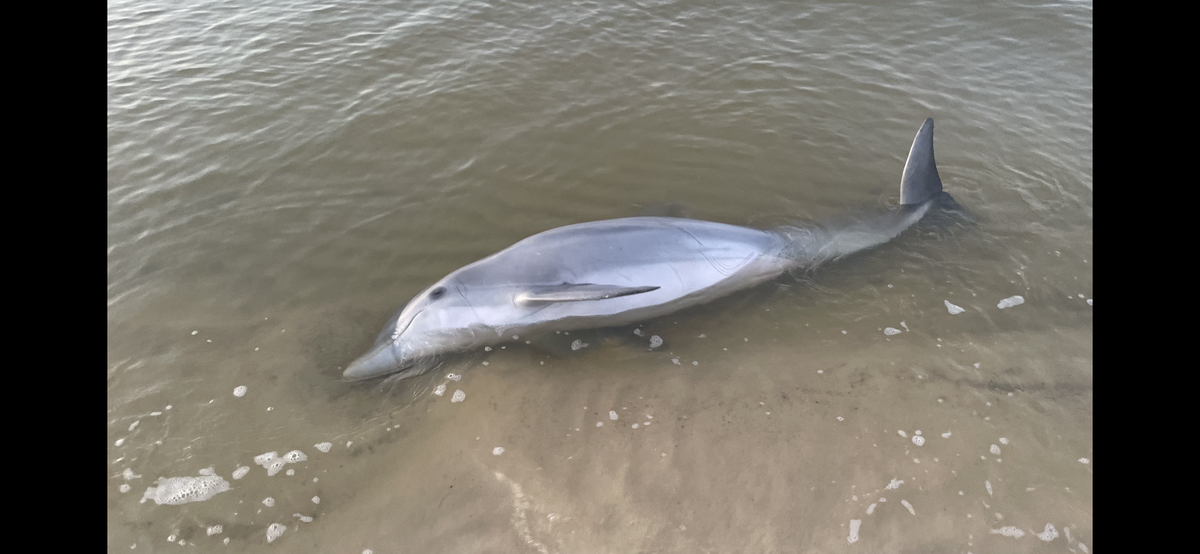
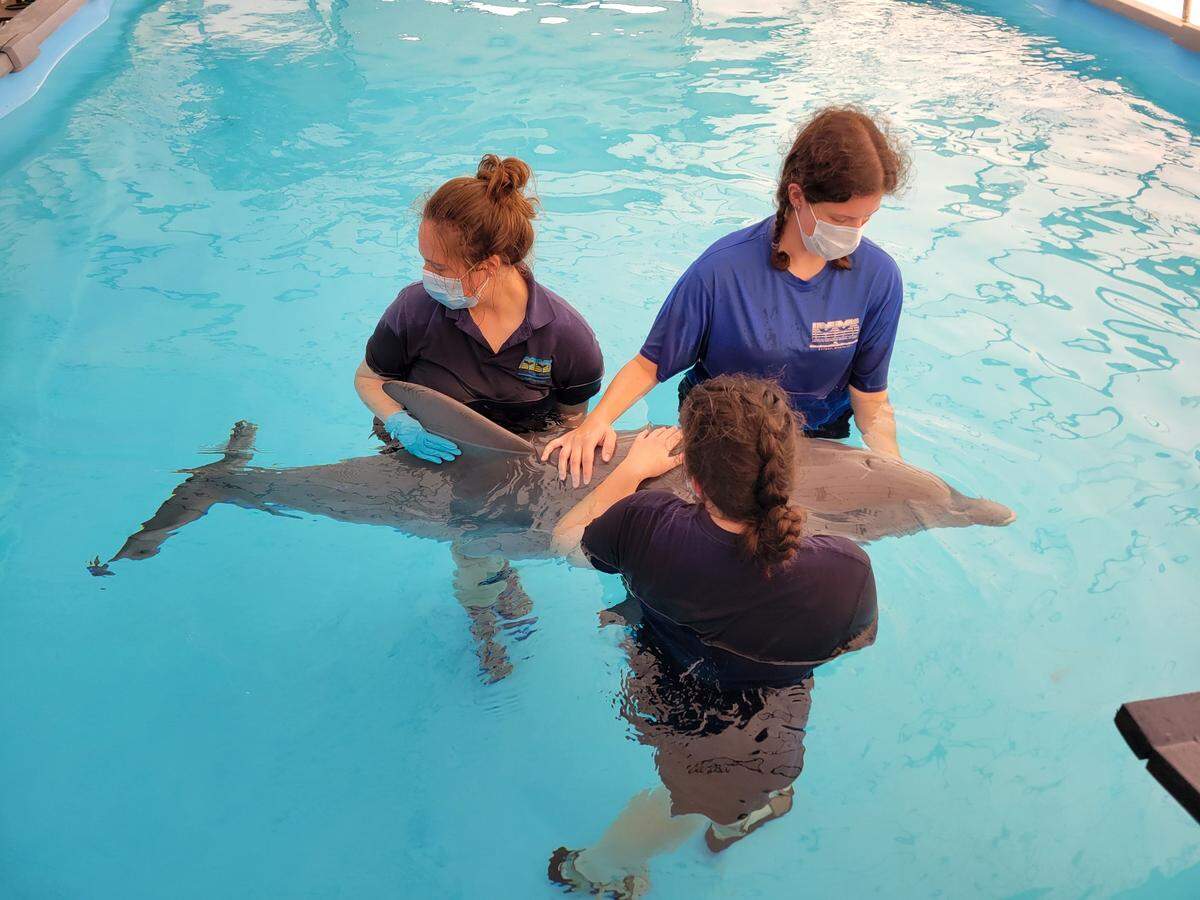
A rescue team rushed to Long Beach and found the young male bottlenose lying on the sand. They brought it to the Institute for Marine Mammal Studies in Gulfport, where the dolphin is alive but cannot orient itself and is struggling to breathe on its own.
“If you leave him alone, he’ll just drown,” said Moby Solangi, the nonprofit’s executive director.
The dolphin is the second recovering this month at the facility: Staff are also rehabilitating a bottlenose dolphin found struggling in the waves in Dauphin Island, Alabama.
The dolphin from Long Beach has pneumonia, Solangi said. It may have become stranded after losing its mother or group.
Washed-up dolphins are not unusual in Mississippi, especially in spring and summer when mothers come to shallow water to give birth. But Solangi said the strandings are still signs of possible trouble. Usually, between 30 and 40 dolphins die each year on the Mississippi Coast.
This year, Solangi said the number has already reached 49.
“We are kind of concerned,” he said.
It is not clear what is causing the deaths, but one of the dolphins was found dead last week with freshwater lesions in Bay St. Louis. Solangi said it could be an environmental issue, such as freshwater incursion or water quality. Scientists are already worried because the Bonnet Carré Spillway, a flood control structure in New Orleans, will likely open soon. That could threaten more dolphins, which cannot survive in too much freshwater.
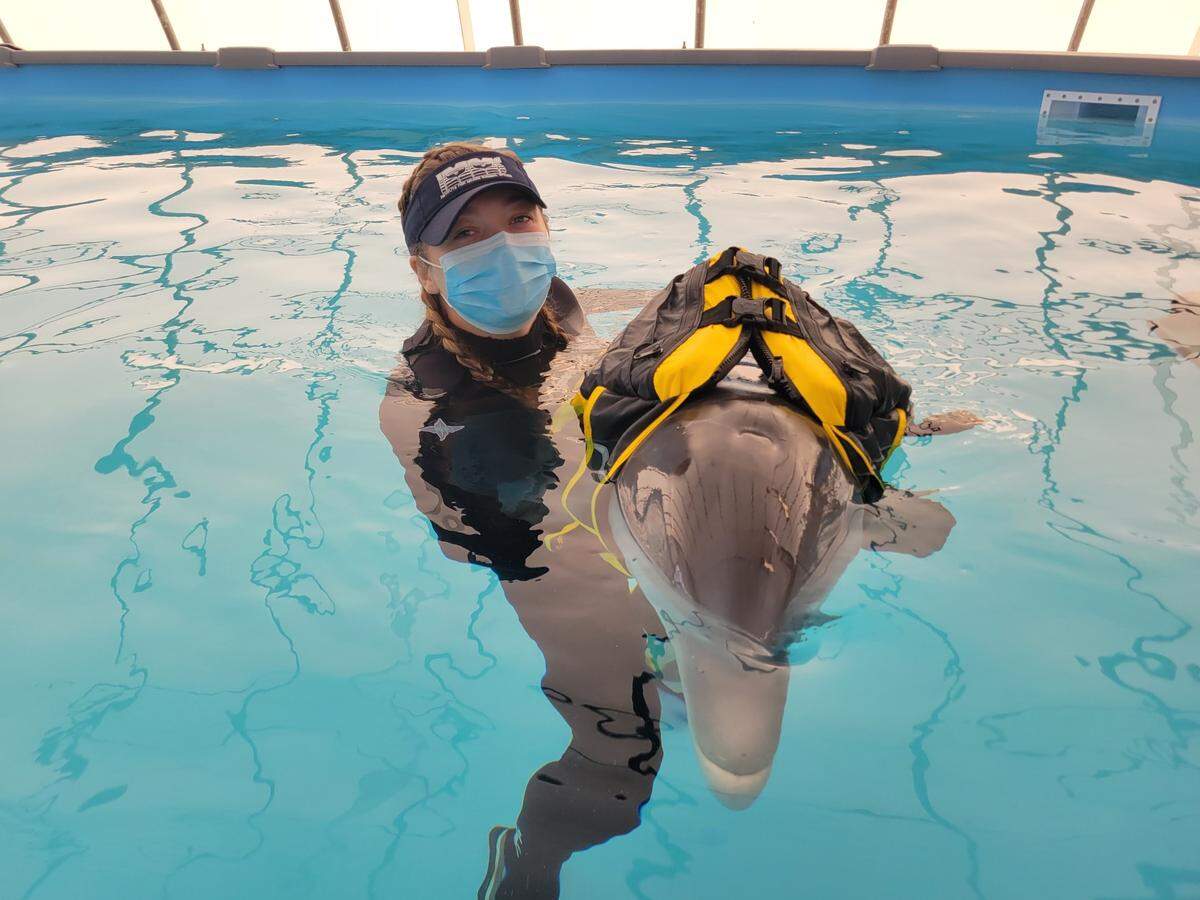
The dolphin from Long Beach needs help 24 hours a day. The animal sometimes wears a life jacket, which helps it stay afloat and breathing. Once it recovers, staff will consider whether to release the dolphin back into the Mississippi Sound or find another home for it. Solangi said male dolphins have an especially hard time rejoining a group once they have left.
Staff at the Institute for Marine Mammal Studies are also studying the live dolphin and doing necropsies, or animal autopsies, on dolphins that have died. They will probe everything from the dolphins’ blubber to teeth for clues of toxic substances, bacterial, fungal or viral issues.
Solangi said residents should watch beaches closely for dolphins this spring, particularly if the spillway opens. He said the dolphin in Long Beach is alive in part because the caller who reported it stayed and followed IMMS instructions until the rescue team arrived.
The Institute for Marine Mammal Studies asks anyone who finds a stranded dolphin or sea turtle to call its stranding hotline at 1-888-SOS-DOLPHIN (1-888-767-3657).