Major flooding expected on Mississippi River. Bonnet Carré opening possible
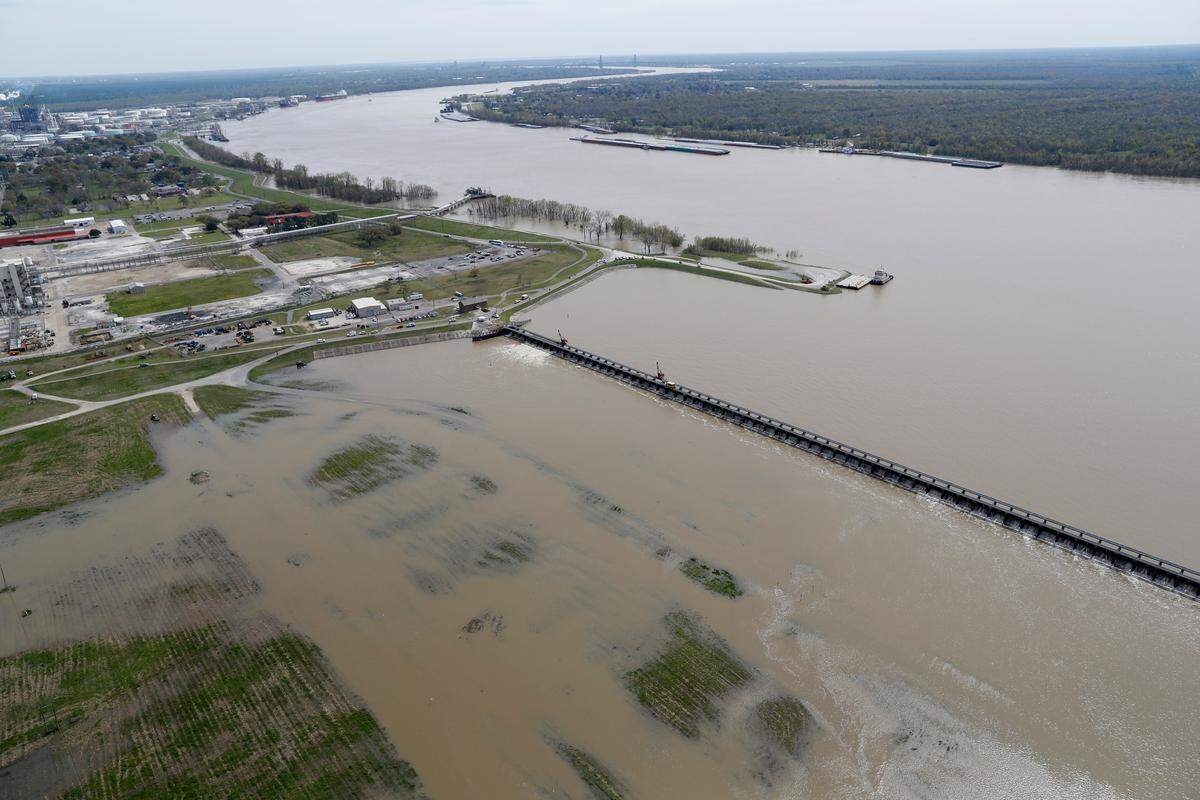
Major flooding is expected on the Mississippi River at New Orleans in late April through June, with the possibility that the Bonnet Carré Spillway will open, sending polluted river water into Lake Pontchartrain and the Mississippi Sound beyond.
An opening is triggered when the river reaches a flow rate above 1.25 million cubic feet per second, or roughly 17 feet high at the New Orleans gauge. The gauge was at 12.5 feet Thursday morning and is currently expected to crest at 16.5 feet on April 27 and 28, then will start to drop, corps public affairs specialist Matt Roe said. The flow rate is expected to be just above 1.25 million cubic feet per second.
Environmental advocates and agencies in South Mississippi are keeping a close eye on the forecast because a major opening of the Bonnet Carré kills aquatic life in the Mississippi Sound, an estuary that needs a balance of fresh water and salt water.
“If it opens, what we would expect is a minor opening with minimal, if any, damage to the estuary” said Joe Spraggins, executive director of the Mississippi Department of Marine Resources. Major openings of the river in 2011 and 2019 resulted in federal disaster declarations along the Mississippi Coast.
Disaster declarations over MS River flooding
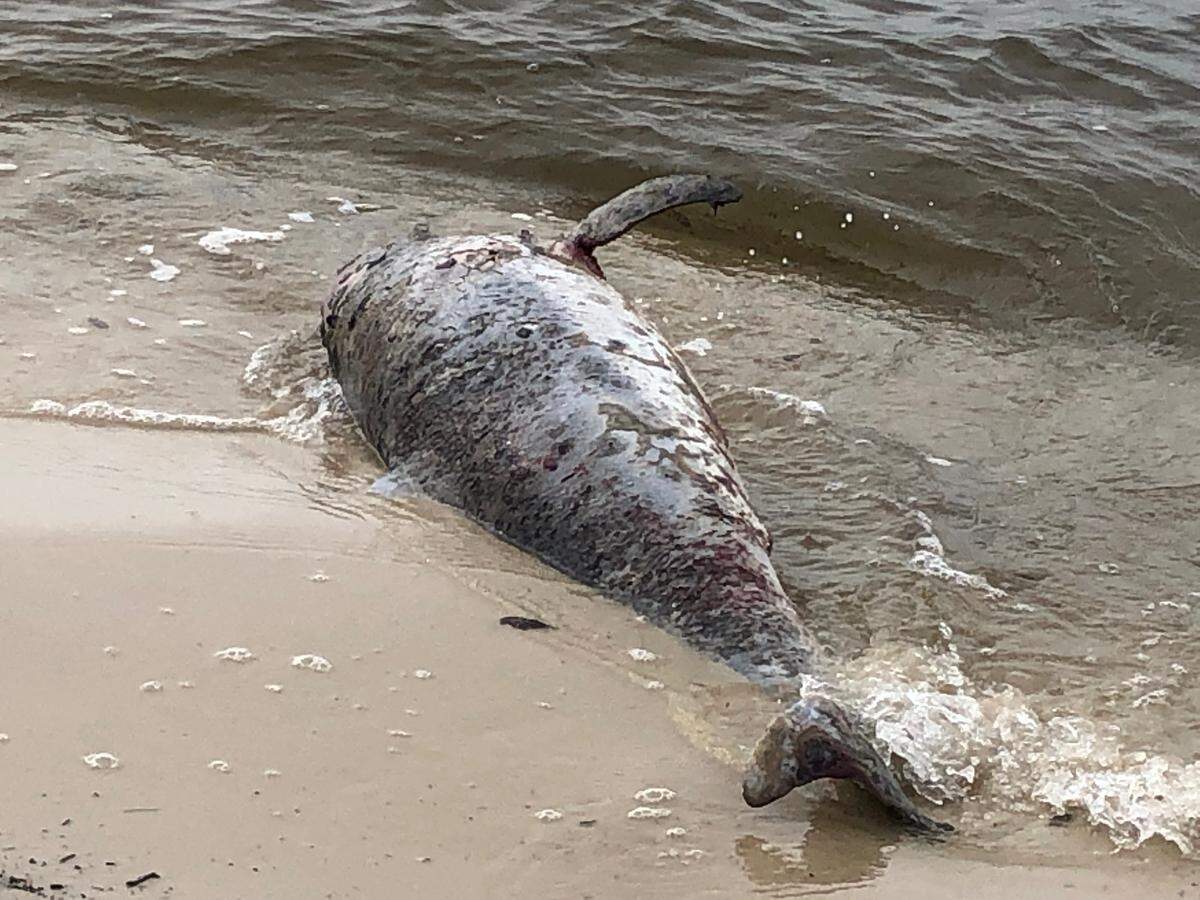
The 2019 opening killed almost all the oysters in the Mississippi Sound, and caused skin lesions on dolphins, raising their mortality rates. Juvenile shrimp, sea turtles and other aquatic life also died. The 2019 opening also created toxic algae blooms that closed the waters to swimming and fishing during the height of tourist season.
The forecast doesn’t currently show the need for a prolonged opening, but that could change, depending on how much rain falls upstream of the Gulf region over the next few weeks.
The Army Corps has already gone into flood fight mode over current conditions. The New Orleans District and local levee boards are patrolling and inspecting levees along the river twice a week, Roe said. He expects a more intense Phase 2 of Flood Fight by Monday, with daily patrols and a training exercise.
Mississippi Coast interests are keeping a close eye on the Army Corps’ plans.
The Mississippi Sound Coalition, which previously sued the Army Corp over damage from the Bonnet Carré sent a letter this week to the agency, reminding them of the damage the river water causes. The letter delicately suggests the corps use river control structures to the north, including the Morganza Spillway last opened in 2011, to relieve pressure on the Bonnet Carré if an opening becomes necessary.
“The Mississippi Sound Coalition seeks win-win solutions to the challenges facing the Sound based on good science and fair public policy,” Harrison County Board of Supervisors member Marlin Ladner said in the letter. Ladner is also the coalition’s chairman.
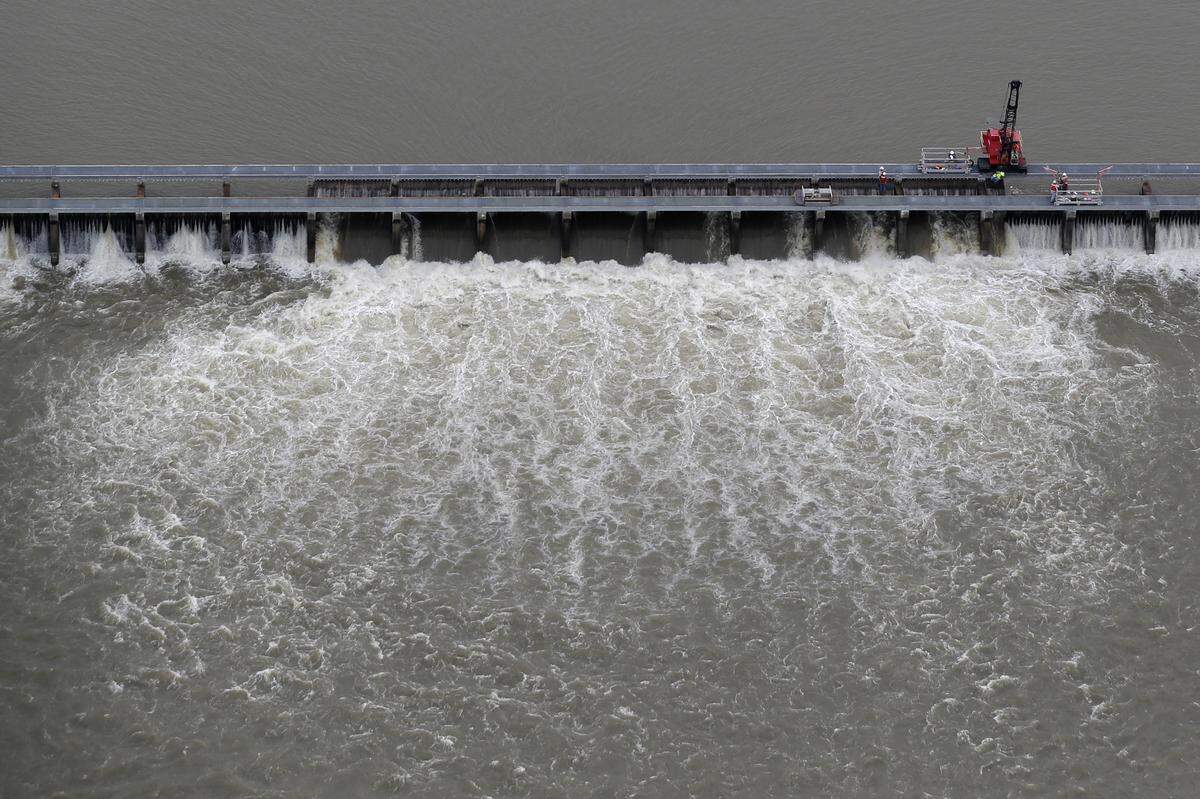
Army Corps testing spillway below New Orleans
During the training exercise, he said, spillway gates will be opened and closed to acclimate crews for a potential opening that would prevent flooding in and around New Orleans.
The Army Corps controls the spillway and has the final say over whether gates should open and how many. The Bonnet Carré has 350 gates.
“Sometime early next week, we’ll have better information on what the forecast vs. actual conditions are going to look like,” Roe said.
The river drains 1.2 million square miles, or about 40% of the continental United States and two Canadian provinces. Flooding is expected this month from an upstream snow melt and earlier intense rainfall in Tennessee, Arkansas and Missouri.
The river should crest in the Dubuque, Iowa, area early next week, the National Weather Service says. The river is expected to drop sharply in New Orleans after reaching flood stage, which means the Bonnet Carré would not remain open for long, reducing the potential for damage to the Mississippi Sound.
However, the Army Corps and Mississippi officials are closely watching the long-range forecast because more rainfall anticipated around St. Louis in the next week could keep the river high. Roe said that runoff would reach New Orleans in two to three weeks.
This story was originally published April 17, 2025 at 11:09 AM.