
Long Beach mayor calls FEMA ‘failure’ on MS Coast after federal judges’ harbor decision
A panel of federal judges has sided with the Federal Emergency Management Agency and against Long Beach, ending a years-long dispute over how much of the city’s harbor deserved disaster relief after getting battered by Hurricane Zeta.
FEMA was right, the judges said, when it decided last summer the harbor was only eligible for limited help. Long Beach Mayor George Bass said the decision means the city is $8 million short of the FEMA money it requested for harbor repairs.
In a written decision for the three-judge panel, Harold Lester, Jr. said there was “no question” that Zeta pounded the Long Beach Harbor. But the judges also said Long Beach did not prove that Zeta caused the underwater and underground damage the city asked FEMA to pay for.
“The city has not established that it was Hurricane Zeta, rather than the combination of age, usage, normal deterioration, and numerous prior weather events,” Lester wrote, “that caused this non-visible damage.”
The decision was a letdown for the city, which has gone back and forth with FEMA for almost four years. Bass called the decision an “injustice,” and leaders said it was troubling for cities across South Mississippi, which rely on federal money to build back after storms.
“FEMA has been a failure,” Bass said, “not only to our city but also to Harrison County and the Mississippi Gulf Coast.”
“This is just a sure sign that FEMA is no longer wanting to pay for harbors,” Alderman-at-Large Donald Frazer said. “What they’re telling you is we no longer want to pay for any type of harbor repairs.”
The city formally announced the judges’ decision at a news conference Friday morning. A copy of the decision is public online, and Frazer and Alderman Patrick Bennett confirmed Thursday night that the judges had denied the appeal.
The case came before judges at the U.S. Civilian Board of Contract Appeals, which presides over disputes that involve federal executive branch agencies. Long Beach had asked for arbitration with FEMA, which forced the judges to decide how much of the Long Beach Harbor was truly eligible for federal money.
The final amount the city will get from FEMA is not yet clear because leaders must now create another plan for repairs under the judges’ guidelines.
How dispute unfolded
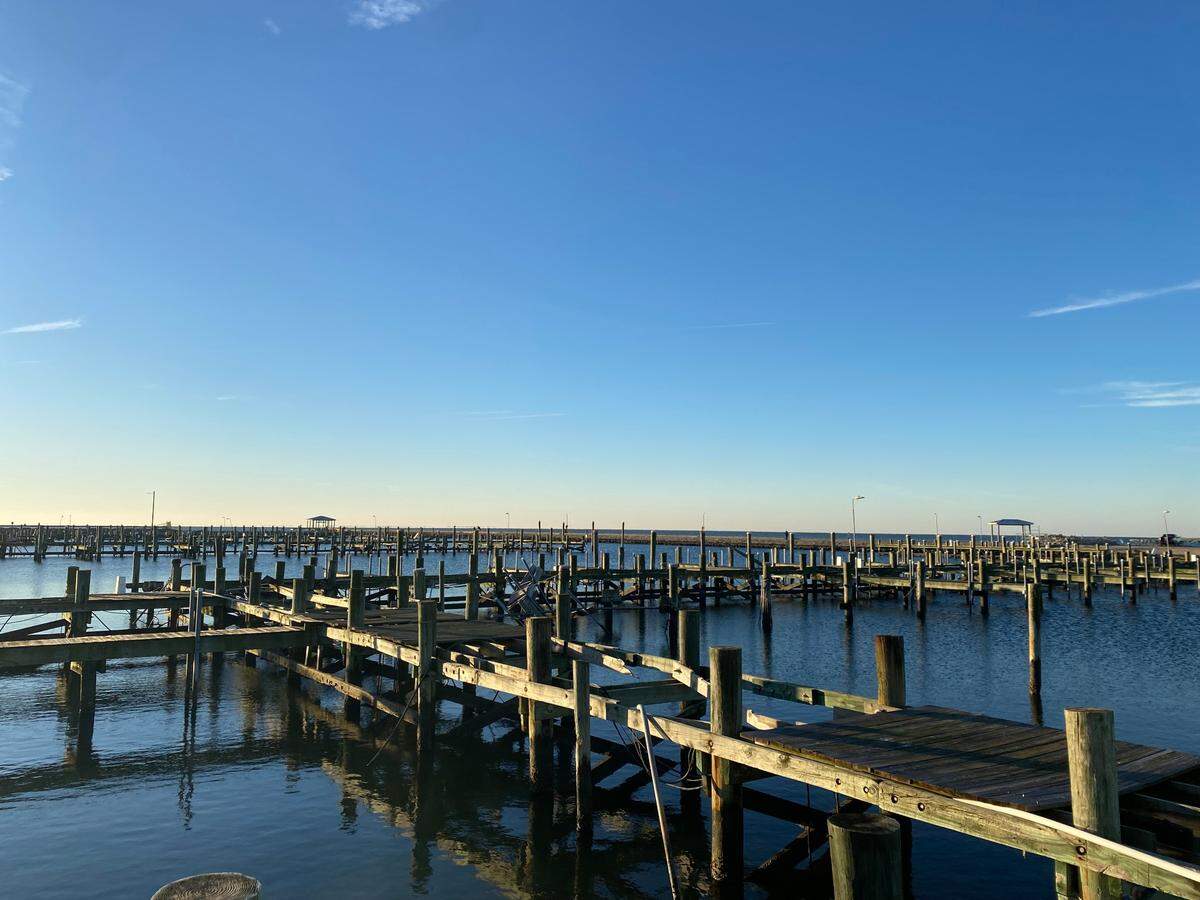
The disagreement began in early 2021 when the city applied for FEMA money to fix its badly damaged harbor. The harbor has six main piers that had little defense when Zeta struck in October 2020 with 8 feet of storm surge. The storm became a federal disaster, which meant cities could ask FEMA for money.
By August 2021, Long Beach brought FEMA striking findings, the judges’ decision says. The city’s engineer tested a sample of the wood pilings beneath piers and boat launch ramps with an ultrasound tool to find damage underwater. The tests found most of the more than 1,000 pilings should be replaced. The decision says Long Beach asked FEMA for $6.2 million to do so.
FEMA disagreed: Inspectors looking at each piling from a boat found only 37 with visible damage, the decision says.
FEMA agreed to give Long Beach $1.4 million for those pilings, which the city says is less than it would cost to replace them, according to the decision. It also approved money for some sidewalk and pavement repairs.
FEMA denied $9.5 million of other repairs it said were ineligible for federal money. It did not agree to fix unstable soil the city said it found beneath the marina’s pavement because the agency questioned the radar testing Long Beach used to find it. FEMA also did not fund fixes for the bulkhead and knee wall.
The city soon appealed that decision, and FEMA denied it again.
Long Beach asked for arbitration in June.
Decision raises questions on MS Coast
The FEMA process can be complex and sometimes lengthy. After a city asks for disaster relief, FEMA sends inspectors to survey damages and estimate costs. A city or county bids the work to find its actual cost and whether there is more damage than initially thought. Long Beach argued it found underwater and underground damage, and tried to prove those costs made repairs more expensive than FEMA first said.
Bass said FEMA sent a few inspectors to the Coast but also relied on satellite images and damage analysis from people who did not visit the region. “We felt that they left so much out,” he said.
Bennett and Frazer also said it was uncommon for FEMA to demand such scrutiny over whether damages came from a recent storm. “The harbor was there one day and then the next day it’s not,” Bennett said. “Obviously, it was Zeta.”
Bass said Long Beach is pleased with one concession: FEMA will probably replace more than the 37 pilings it first agreed on because extracting one piling requires barges and other equipment that will inevitably disrupt others.
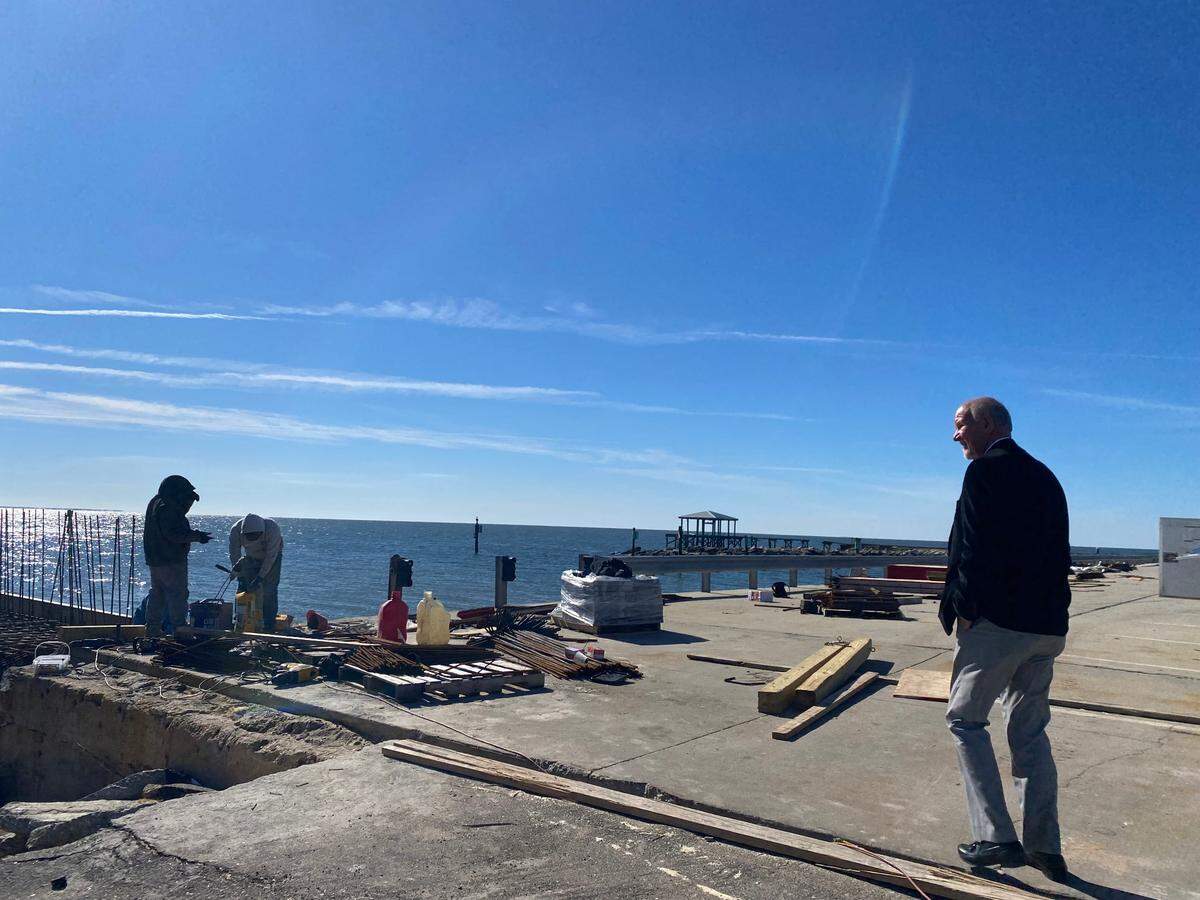
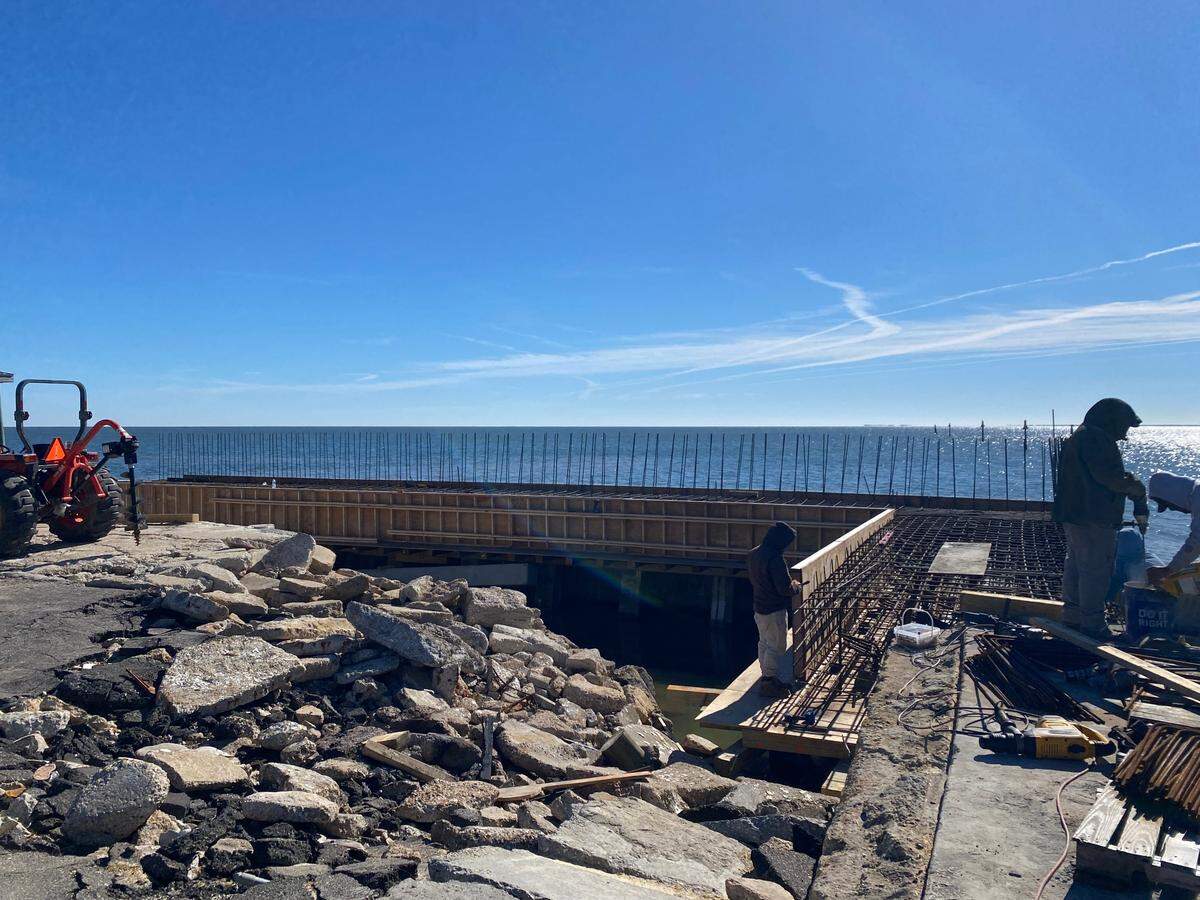
Long Beach is also using other funding, including federal grants, BP oil spill settlement money and state Tidelands funds, to pay for construction at the harbor that began in March.
The decision in Long Beach could be a sign for harbors across the Coast. FEMA argued that because Long Beach never used advanced technology to find damage below water and ground before Zeta, there was no baseline for comparison, and no way to know if the harbor had undetected damage before the storm. Bass, who is not running for re-election, said he would recommend the next administration inspect the harbor each year. Bennett said the decision might prompt other cities to do annual inspections, too.
Long Beach fought for the money because the dispute was a gray area, Frazer said, and no one knew how much FEMA would accept.
“It may not be the outcome that we wanted, but we at least know that we’ve taken it all the way,” he said. “We fought it to the end.”
This story was originally published December 6, 2024 at 7:52 AM.