
Decades later, memorial will rise for the dozens who integrated MS Coast beaches in Biloxi
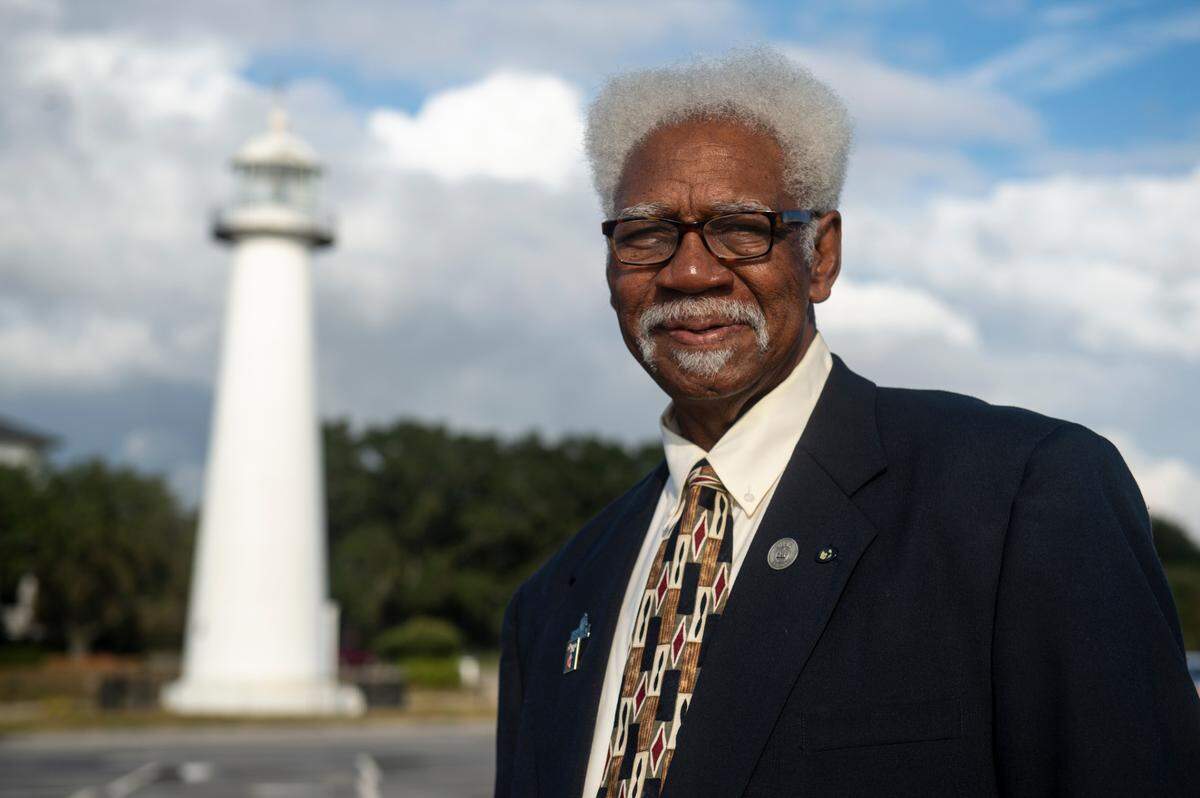
Clemon Perry Jimerson Sr. knows all of their names. Day after day, he called and researched until the list held dozens who Jimerson refuses to leave forgotten.
From his diligent act of memory will come a striking public monument. The names of more than 182 men, women and children who walked onto Mississippi’s segregated shores six decades ago and peacefully demanded civil rights will soon be etched in stone.
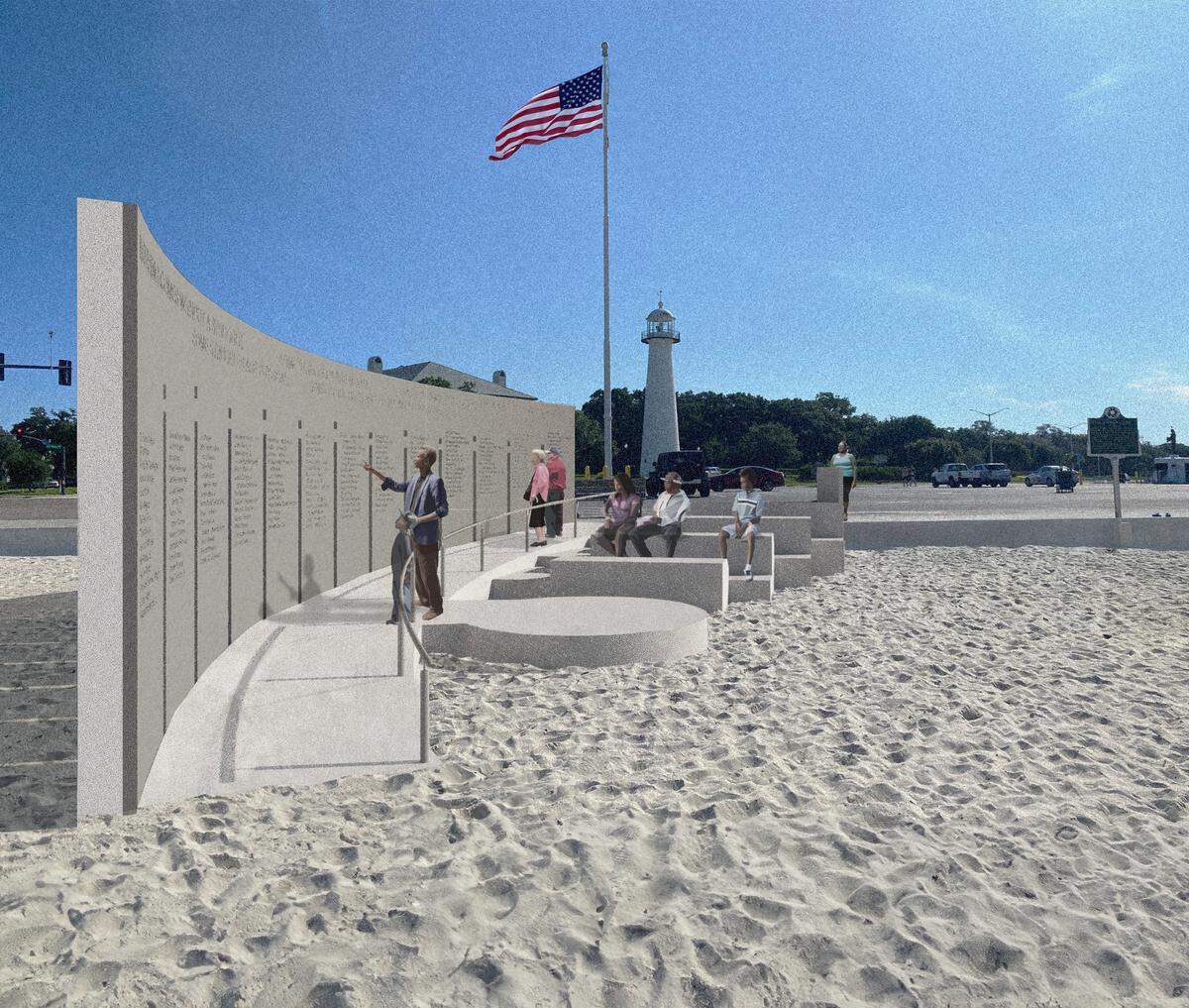
The plan is still in its early stages. But those behind it hope in several years a permanent memorial to the Biloxi wade-ins will stand just past the city’s famous lighthouse, forever a reminder of the sacrifice Black residents made to transform this region.
“I waited all my life to go on that beach,” said Jimerson, who joined the most famous wade-in in 1960.
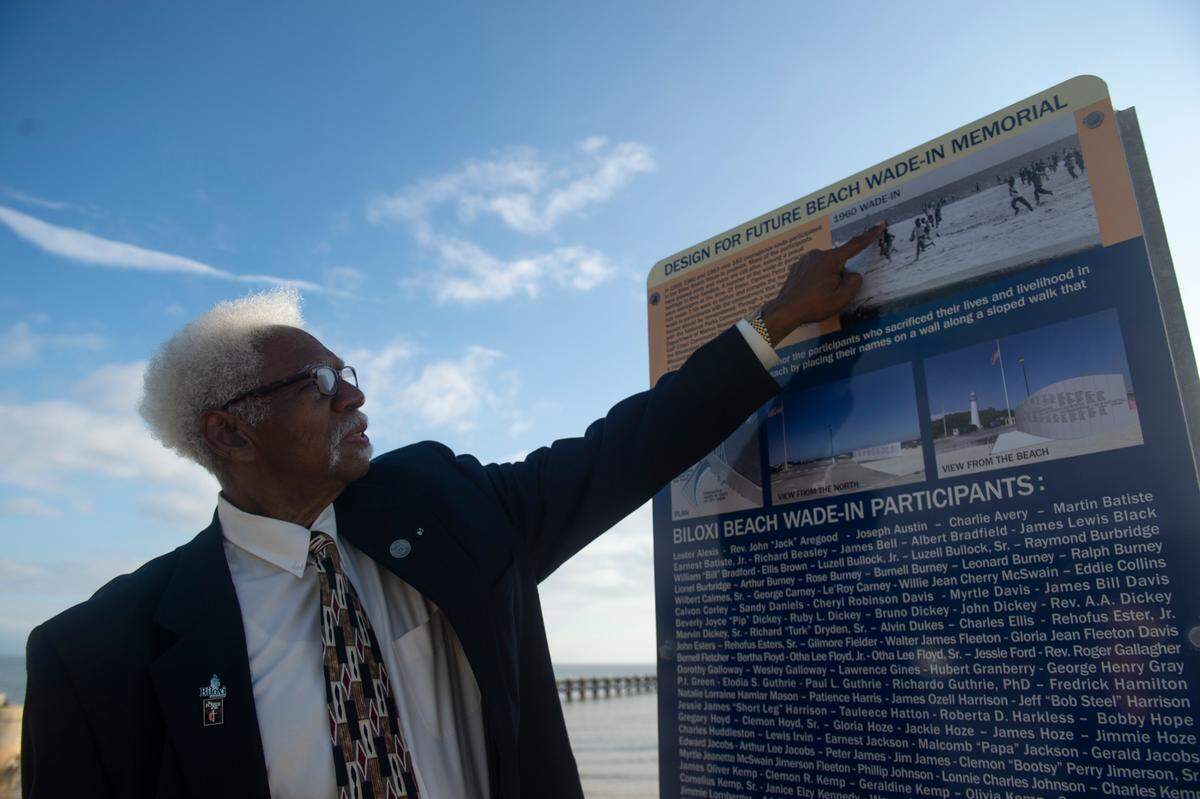
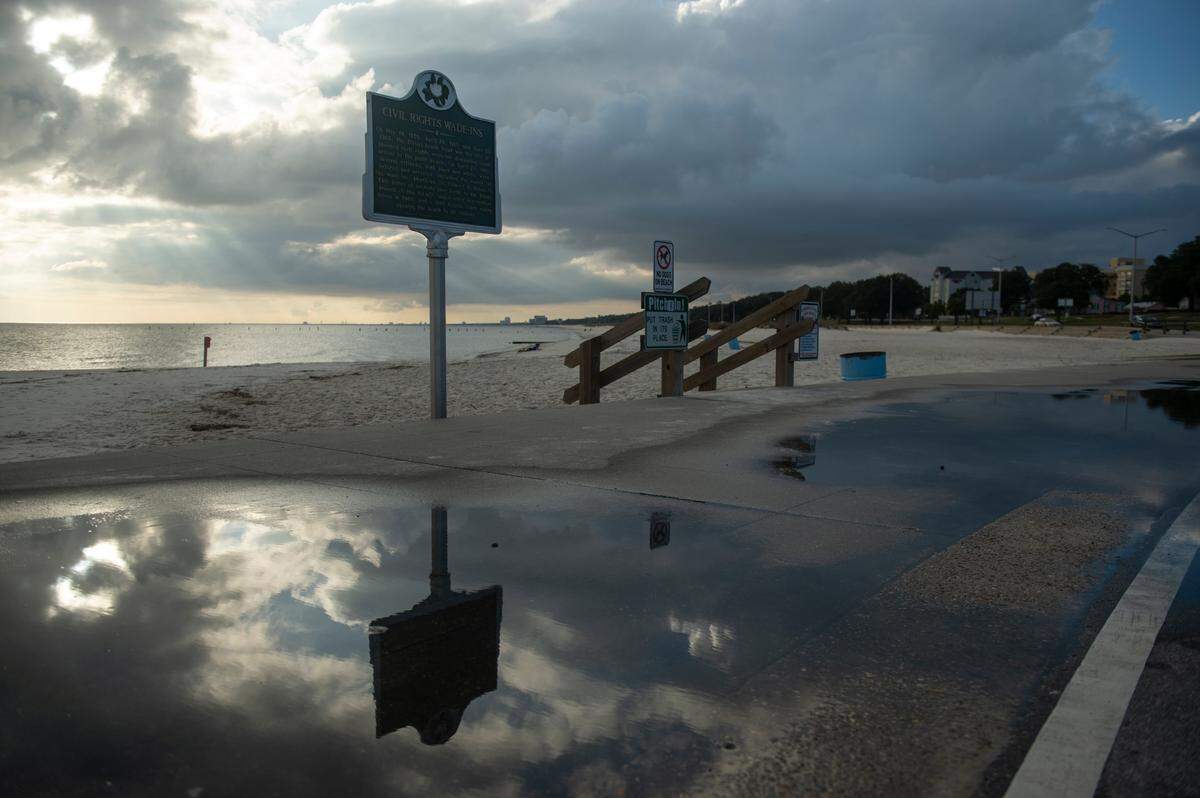
Signs have marked the spot before, and a stretch of Highway 90 is named after Dr. Gilbert R. Mason Sr., a local physician who led the movement. But Jimerson wants everyone else remembered, too. So their names will be carved on the memorial’s inside curve, shielded from the highway noise. Slots of light cut through the stone will create long shadows — a nod to the people who marched on the beach. It will be handicap accessible. And concrete will stretch deep under the sand so the structure can withstand a hurricane.
It will rise near the American flag.
“To clearly remind them it has history behind it,” said David Perkes, an architect at Mississippi State University and founding director of the Gulf Coast Community Design Studio, which is helping plan the memorial. “A lot of people don’t even know this story,” he said.
Bloody Sunday
Jimerson could not swim at the beach as a child because antebellum mansion owners along Highway 90 falsely claimed their property lines ran to the water. But white residents used the beaches. The Harrison County Board of Supervisors managed the shoreline. Everyone paid those taxes.
Mason started organizing non-violent protests in response. Jimerson and his family joined a wade-in in April 1960, when he was 14. He was so excited to go that he bought new clothes and an Elgin watch. The crowd was mostly women and children, because men who joined could lose their jobs.
The wade-in was highly organized: Mason patrolled between groups in his car and Jimerson’s uncle and others monitored from a boat. No one had weapons.
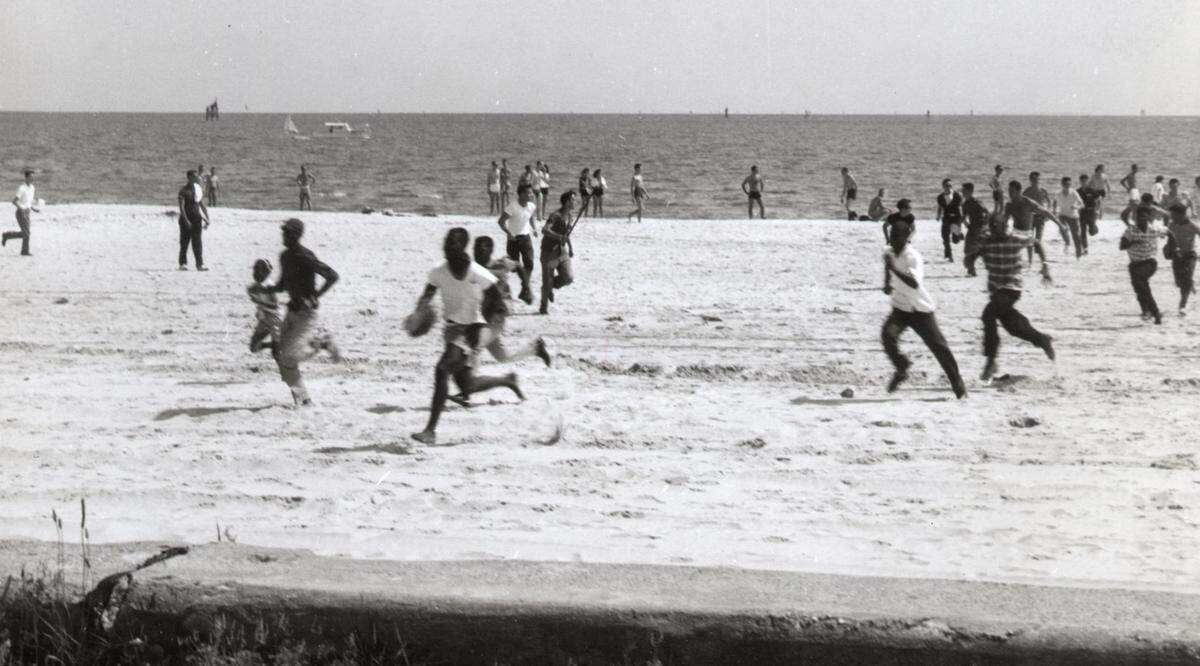
One by one, white men arrived in cars. A mob soon gathered with pipes, brass knuckles, chains and sticks. Police stood by as they flipped Mason’s car and began to beat Wilmer McDaniel, a local funeral home operator.
“They’re attacking,” Jimerson said, pointing to an old picture that shows himself in the distance, just visible in his white swimsuit. “And we’re running away.”
Jimerson fled. A white teenager chased him through standstill Highway 90 traffic and through mansions’ backyards until Jimerson reached a tall fence.
“I just said a prayer to God,” Jimerson said.
He swung.
Jimerson and the teenager fell in opposite directions. He said they both got up and ran. Jimerson found his family in their car and rushed home. The day descended into riots and white mobs rode through Black neighborhoods, firing guns. Jimerson tried to collect his new clothes from the beach but found the mob burning them in the sand.
The day became known as Bloody Sunday. Two Black men were killed that week.
A federal court ordered Harrison County to desegregate the beaches in 1968.
Wade-in memorial plans
Plans for the memorial began in earnest four years ago. The Mississippi Gulf Coast National Heritage Area awarded an over $8,000 matching grant for the design and temporary sign at the beach, said Jeff Rosenberg, the Heritage Area’s historic preservation coordinator.
Rosenburg works in the office of restoration and resiliency at the Mississippi Department of Marine Resources, and said the grant review committee thought the project would shed light on important local history.
“That played a big part in the decision to award it,” he said.
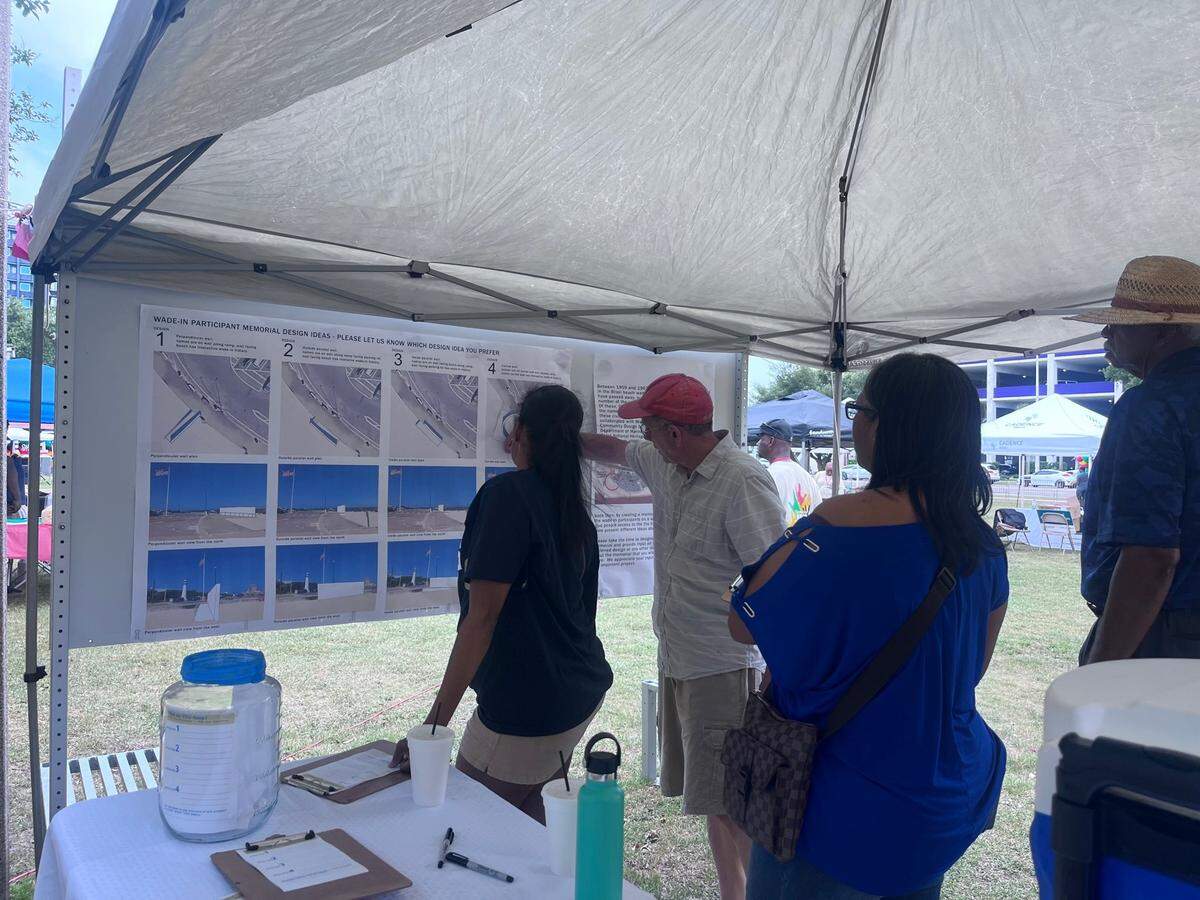
The Community Design Studio has shared plans and asked residents to vote for designs over the last few years on Juneteenth. It is working with the Gulf Coast Community Foundation to create a donor advisory fund. Perkes said the the non-profit Knight Foundation has awarded the project roughly $50,000.
Full funding will come from several sources, and the project is also accepting donations from the public.
Christen H. Duhé, president and executive director of the Gulf Coast Community Foundation, said in a statement the foundation is “honored” to help the memorial.
“This fund is about preserving the courage and history of those who stood up for equality on the Mississippi Gulf Coast,” she said.
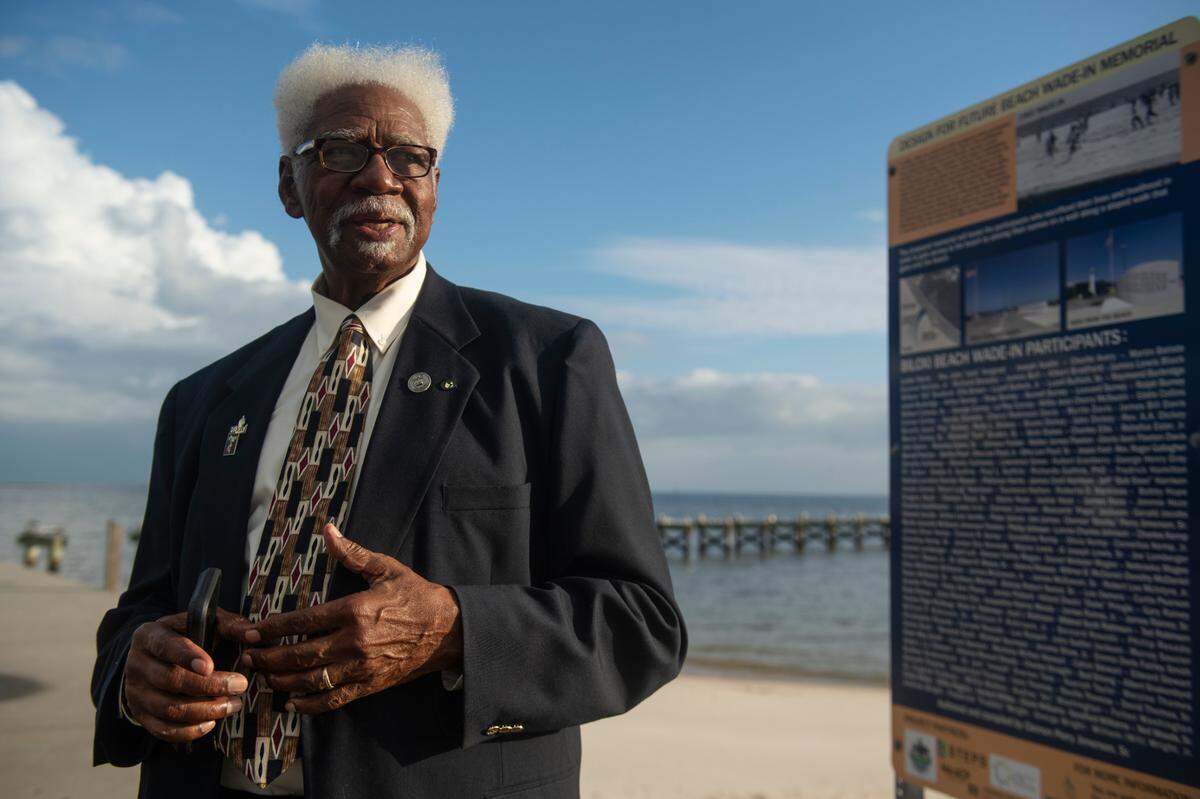
The project is working to find an engineering firm that can estimate its full cost. A temporary sign on the beach already lists every participant’s name. It will be several years before anything is built.
“This memorial is for so many people,” Perkes said. “They’ll see the beach differently. It’ll continue to tell the story.”
This story was originally published November 11, 2024 at 9:45 AM.