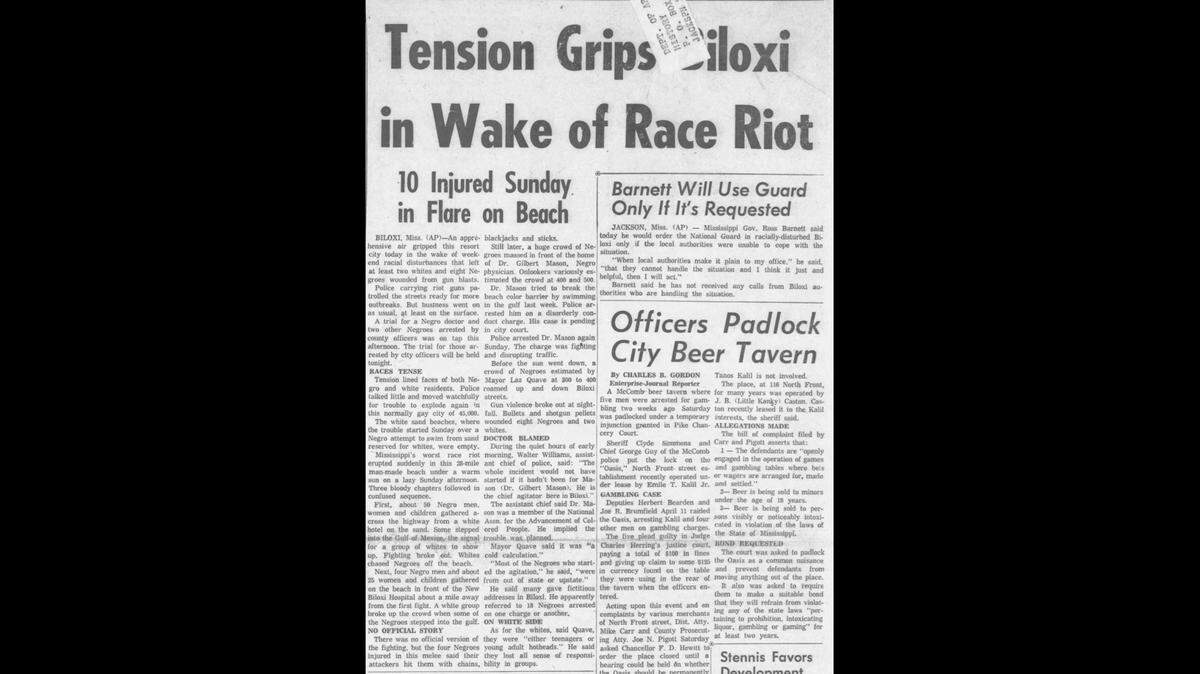
‘Bloody Sunday’ was one of the most important moments of Black history in Biloxi
On May 14, 1959, Dr. Gilbert R. Mason — a Black physician — stepped onto the white sand of Biloxi Beach with several others for a beach day, sparking an important movement in Biloxi’s history.
At the time, Mississippi’s 26 miles of coastline was off limits to Black people. Property owners along the taxpayer-funded beach claimed that the beach was an extension of their property and not open to the public, even though white tourists regularly used the beach with no issue.
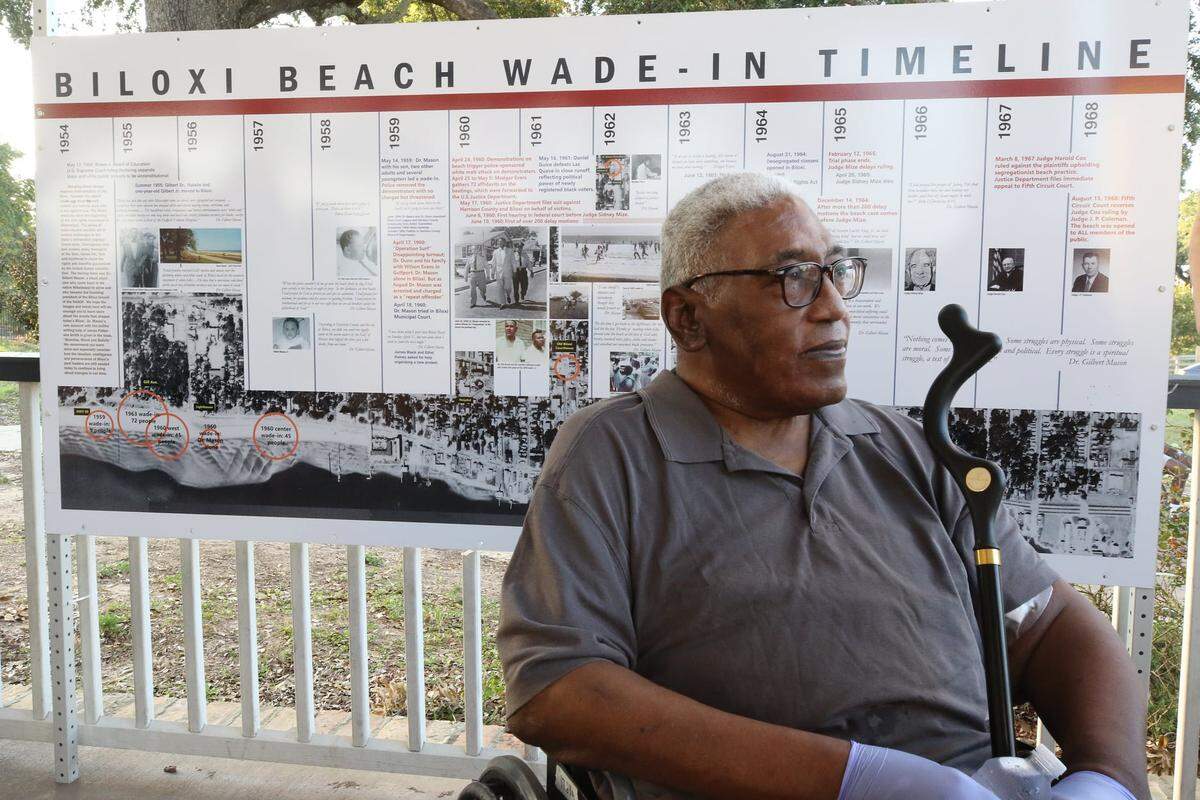
When Dr. Mason stepped onto the beach that day with his companions —including his young son, Gilbert Mason Jr. — they were escorted off the beach by police officers who claimed that, “you can’t swim here,” according to an exhibit on display at Biloxi Beach in 2019.
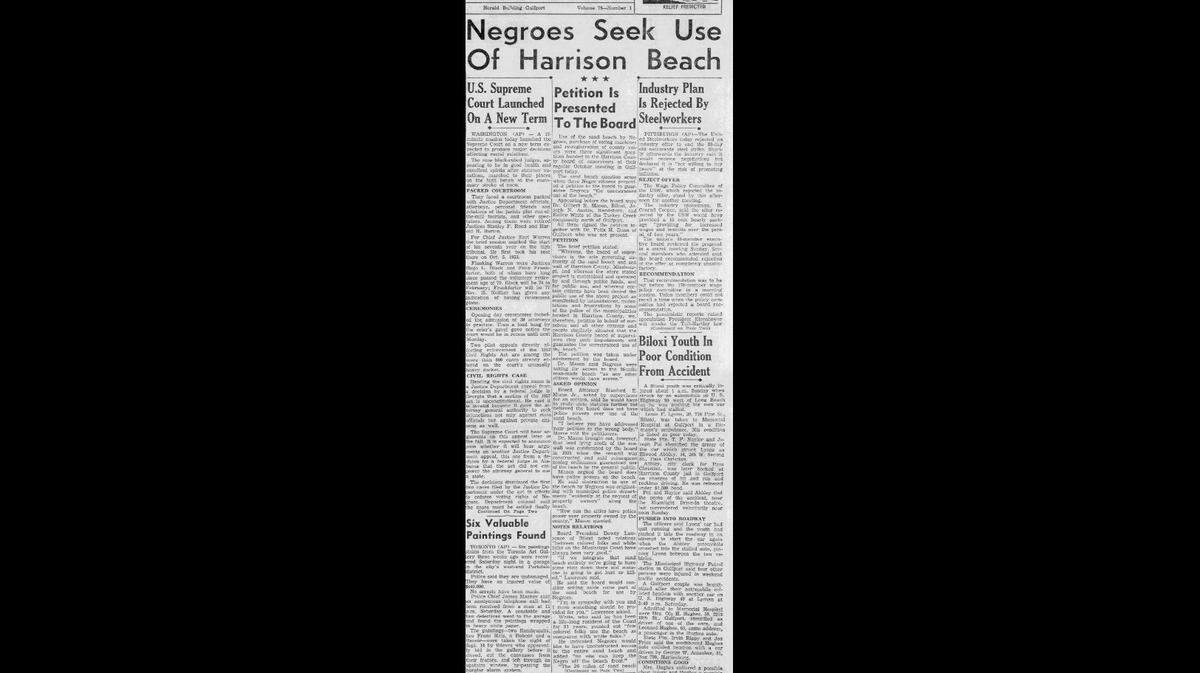
Dr. Mason was arrested on a disorderly conduct charge on April 17, 1960, when he returned to Biloxi Beach to swim, but not before he had petitioned the Harrison County Board of Supervisors in October 1959 to allow Black people to use the beach.
Board President Dewey Lawrence suggested at the time that they just set aside a small part of the beach for Black people saying, “if we integrate that sand beach entirely we’re going to have some riots down there and someone is going to get hurt or killed,” according to a 1959 edition of the Daily Herald.
Mason’s arrest served as an additional catalyst in the movement, and when Mason returned to the beach the following week on April 24, 1960 to formally protest the exclusion of Black people from Mississippi’s beaches, he was joined by 125 others, many of them teenagers, who peacefully waded into the water.
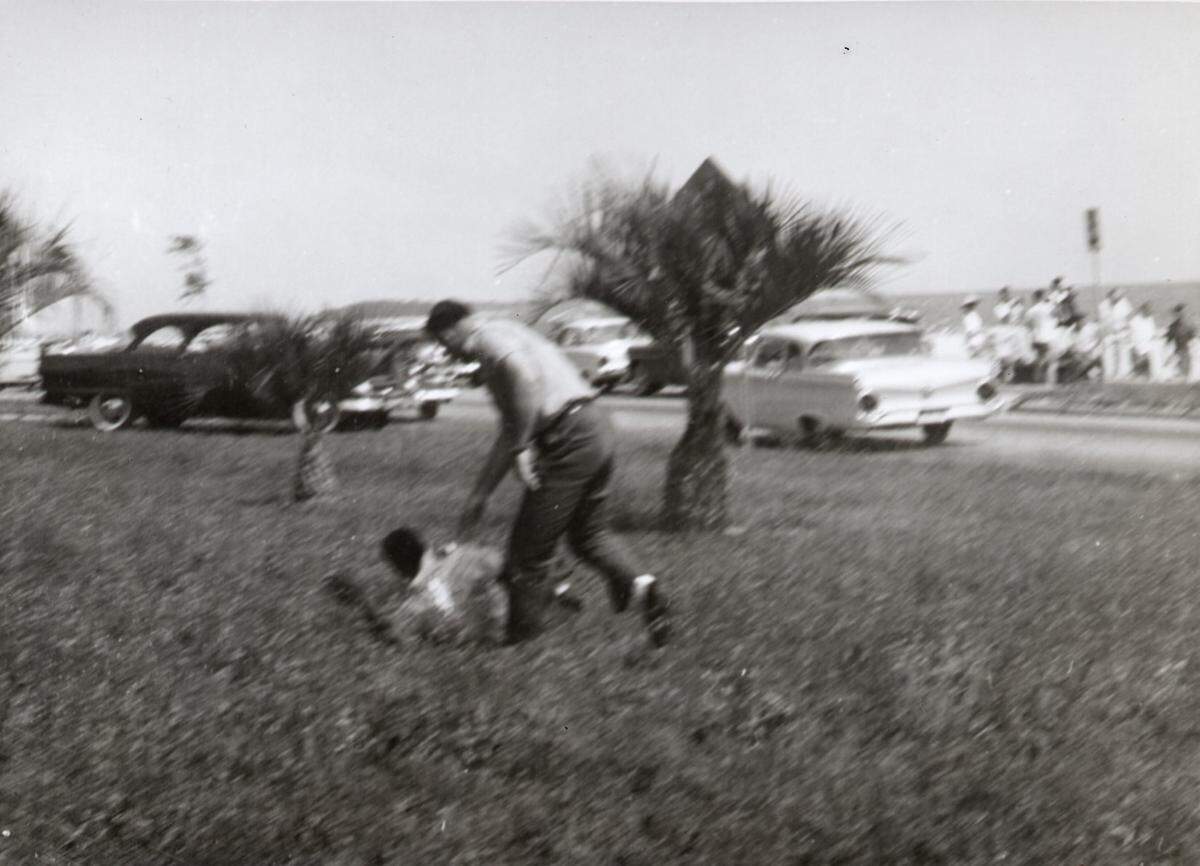
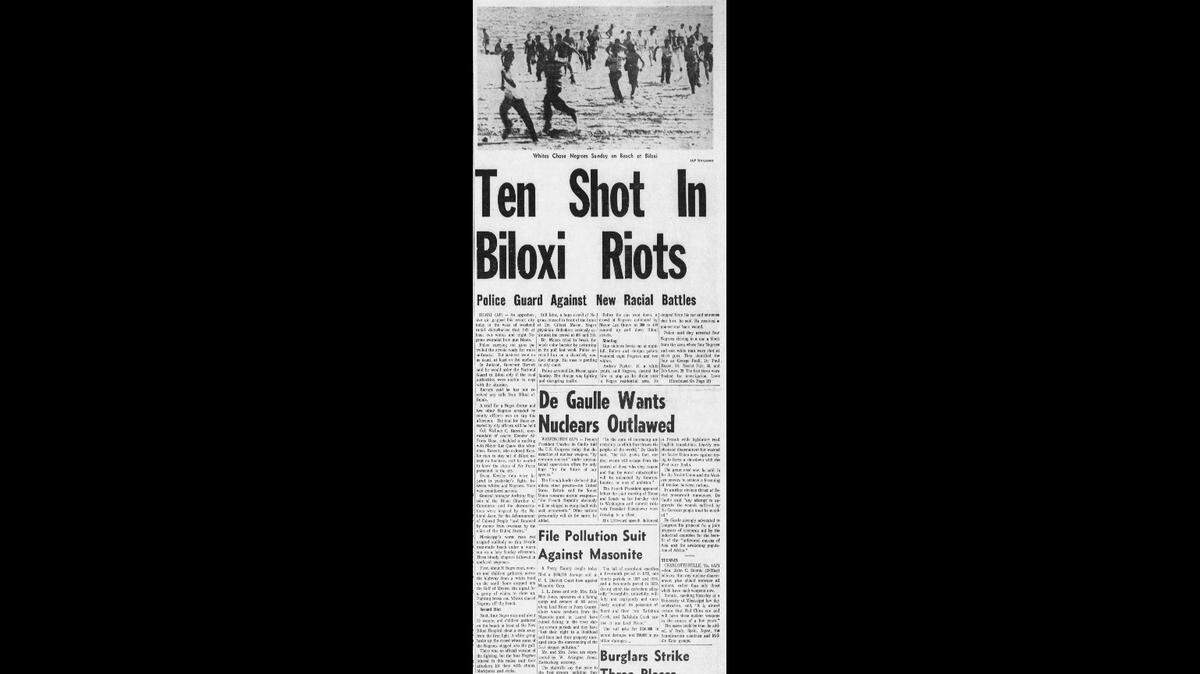
In the event now dubbed “Bloody Sunday,” Lawrence’s prediction came true. Police officers — some of whom engaged in the violence themselves — stood by while a white mob attacked the peaceful protesters with chains, bricks, guns and other weapons.
“Police cars from Vancleave, Pascagoula, New Orleans, Moss Point, were lined up across the beach,” Delores Steward Shealy, a wade-in participant, told the Sun Herald in 2017. “They pulled brass knuckles out. I got hit in the mouth and broke all of my teeth and got a black eye.”
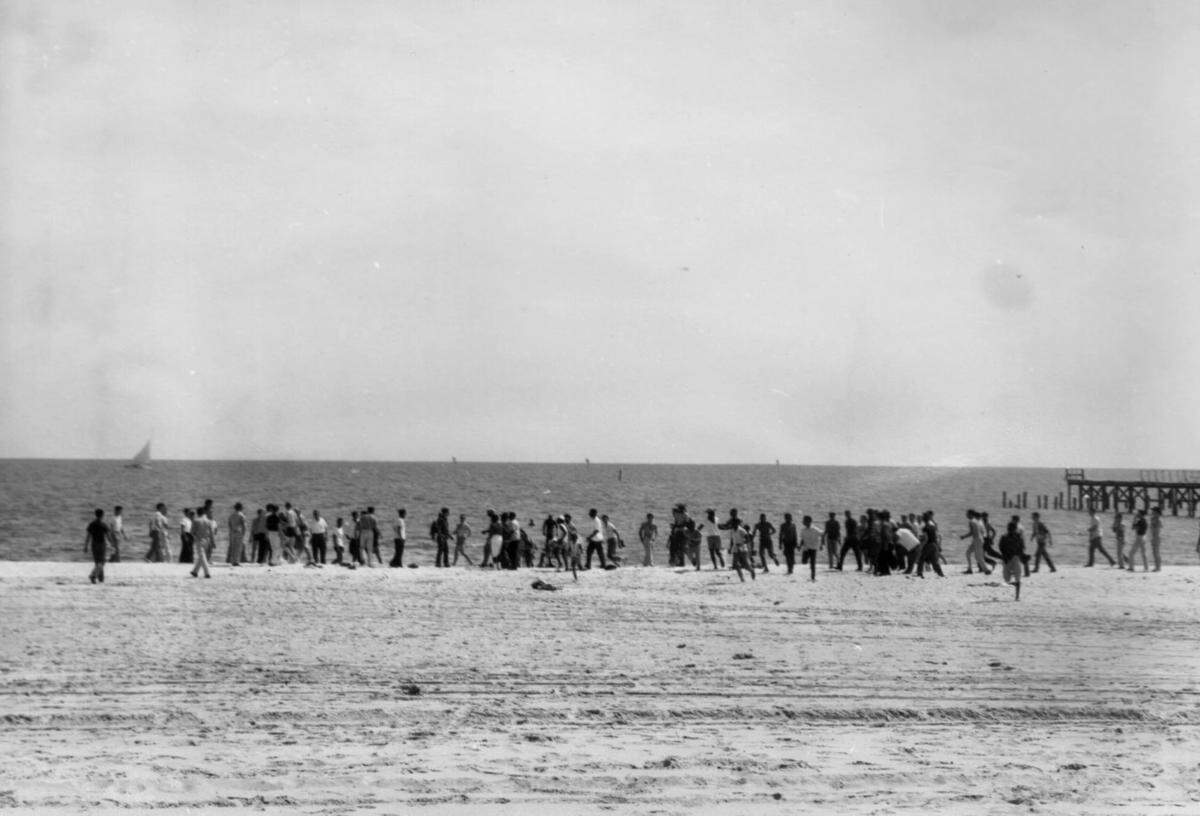
Two people, Bud Strong and Malcolm Jackson, were killed in the following days, according to Gilbert Mason Jr., one so beaten so severely he was almost decapitated. Another man, Wilmer B. McDaniel, was beaten within an inch of his life with chains, his blood staining the beach.
Newspapers dubbed the incident, in which at least 10 people were shot, including two white men, the “worst race riot in Mississippi.”
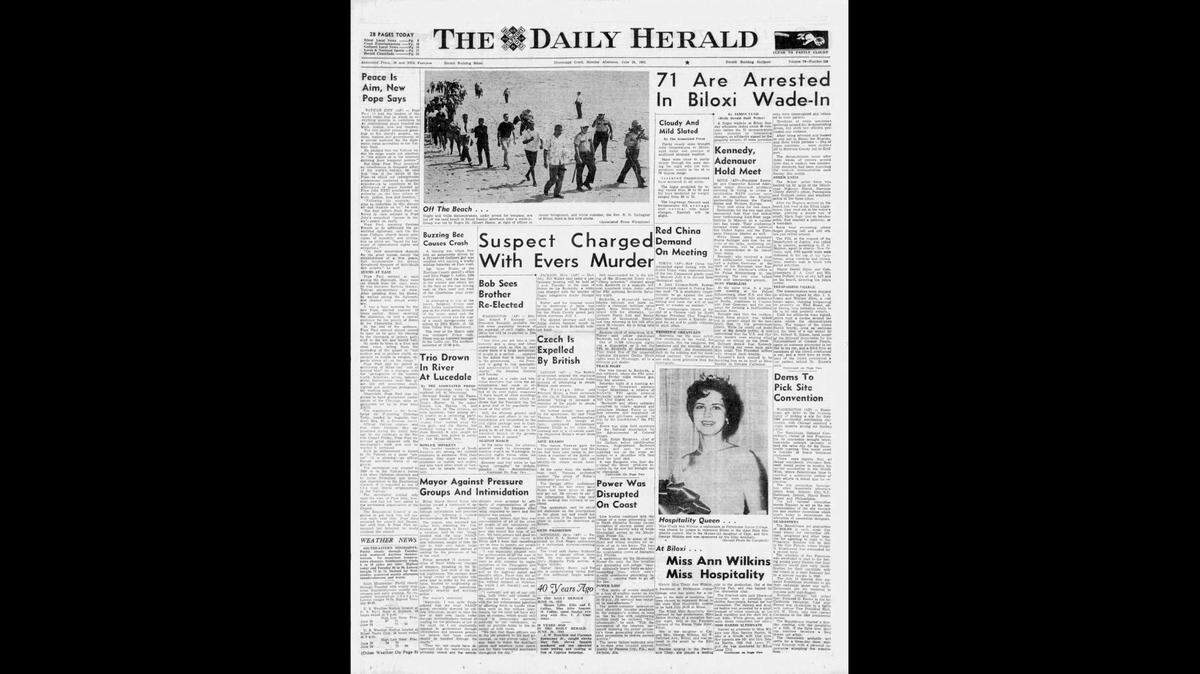
Another wade-in protest took place on June 23, 1963, after a lawsuit in which the U.S. Justice Department sued Harrison County started to stall in court.
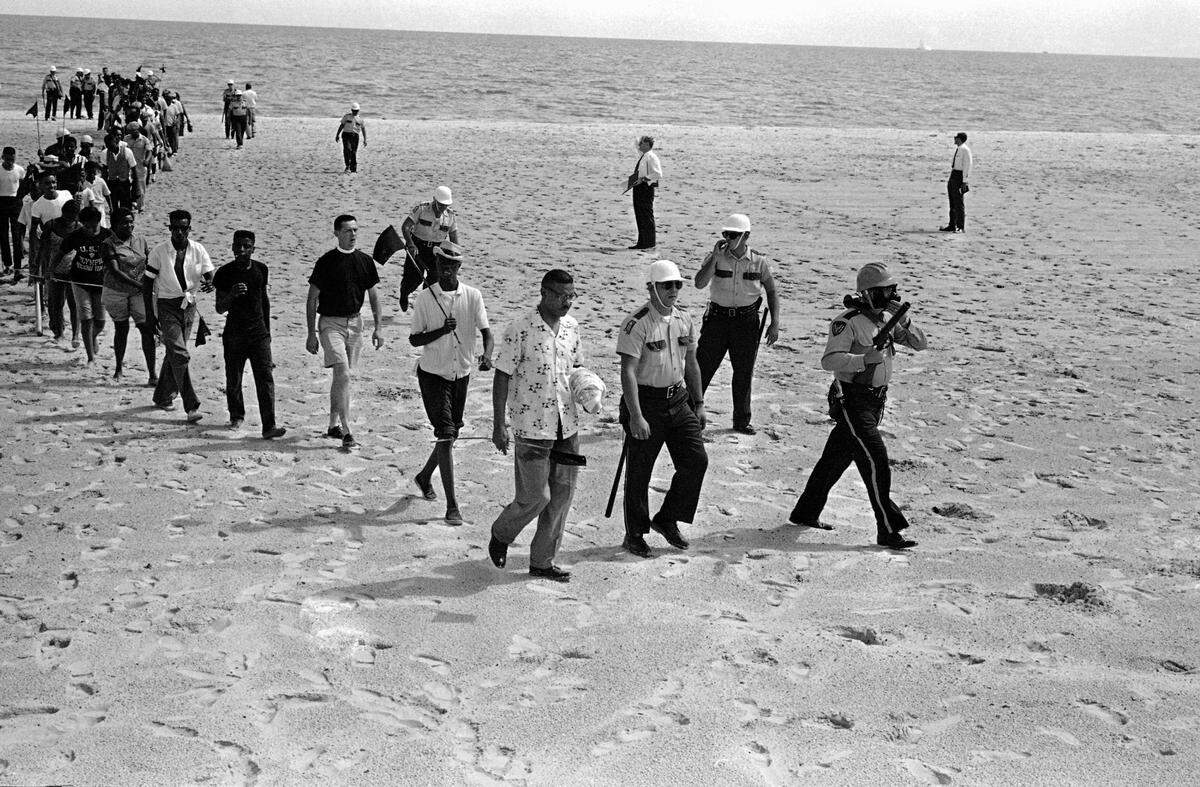
This time, 71 people — including two white ministers — took to the beach peacefully, protected by police officers from a mob of onlookers who vandalized Gilbert’s ca. All of the protestors were arrested for trespassing after about 40 minutes, according to a 1963 edition of the Daily Herald.
The beach was not officially open to everyone until 1968, when a decision on U.S. v Harrison County by the Fifth Circuit Court of Appeals confirmed that not allowing the public to access the beach violated Harrison County’s contract with the federal government to build the beach. Biloxi’s chapter of the NAACP also grew out of the movement to access the beach.
Today, a historical marker stands at Biloxi Beach near the lighthouse memorializing the wade-ins. Every year, an event called Black spring break is held, where college students, most of them Black, enjoy the beach where their predecessors fought for equal and just access.