
These locals with deep roots on the Mississippi Coast are moving north. Why?
The hills of the Kiln are filling up fast with new neighbors.
On two-lane highways where little but old rural homesteads once stood, Clark Breland now counts house after house with families that have recently moved to the higher ground north of the coastline.
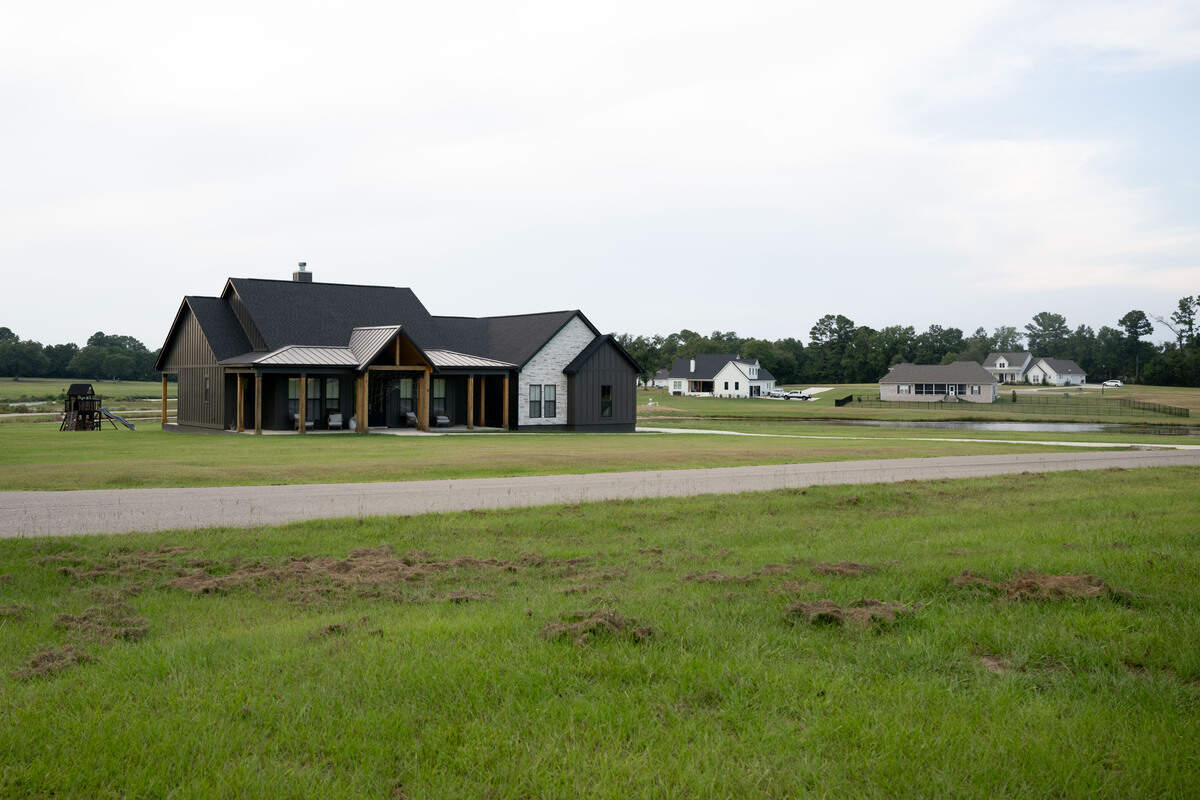
Some have planted palm trees just down the street from dense pines. And dusty bulldozers keep cutting more clearings where gleaming new homes will soon rise.
“Everything’s for sale,” Breland, who moved to the Kiln from Bay St. Louis a few years ago, said as he drove through the countryside’s bustling traffic. “Everybody just started buying the land up.”
He turned a curve and kept winding through one of the many Mississippi Coast communities north of Interstate 10 that are becoming a refuge for natives weary of waterfront life. A few miles south, insurance costs are sometimes doubling as storm risks grow. Strict federal rules about how to rebuild properties are leaving lots empty where residents cannot afford to raise homes above flood lines.
Tourists are transforming beach towns as prices climb. And all across the region, locals are selling houses to second-homeowners from other states who are converging in coastal enclaves where some fear only the wealthy will survive.
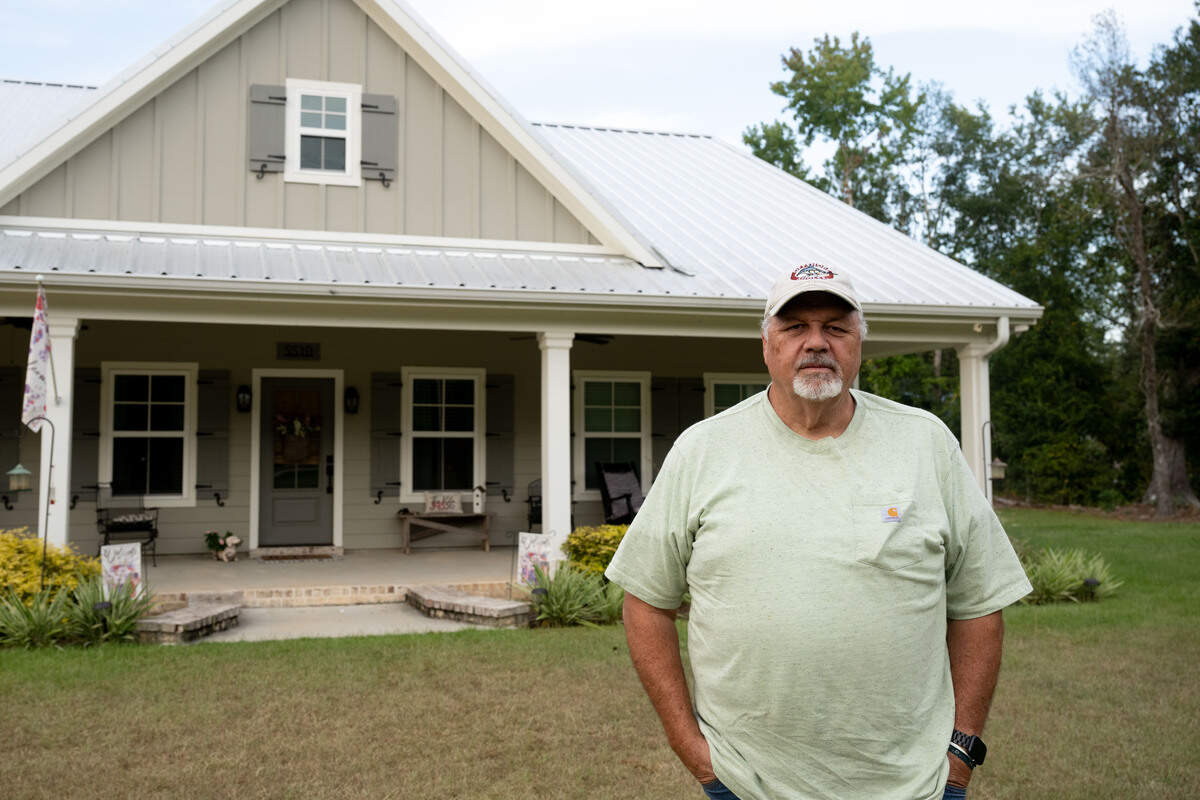
The forces are turning the Kiln, which reaches as high as 30 feet above sea level, into a haven for the steady migration. The area’s population has grown by 30 percent in the last decade, according to the Census Bureau. Traffic jams slow cars now at the town’s few stoplights.
The high ground can soothe fears of the next catastrophic hurricane. “I don’t want to have to pack up our stuff every time the risk of that comes through,” said Taylor Ronquillo Ladner, who moved to the Kiln two years ago from a low-lying neighborhood in Bay St. Louis.
Others have endured enough storms already. “I’m over it,” said Teri Wyly, who moved to a flower farm in the Kiln nearly two decades after she repaired her Bay St. Louis home from Katrina. “I’m really over it,” she said. “I don’t think I could do it again.”
Earlier, Breland pulled into his old driveway. The little white house in Bay St. Louis once belonged to his grandparents, and it flooded in Katrina.
Breland lived there for nearly three decades until he and his wife left as they neared retirement.
“That was hard,” Breland said. He turned off down the quiet block.
“But the insurance is crazy.”
Coastal challenges
The storms have harmed more than property.
If not for Hurricane Katrina, more neighbors might have stayed in Lakeshore and Clermont Harbor, two waterfront communities in Hancock County, where residents once knew each other well.
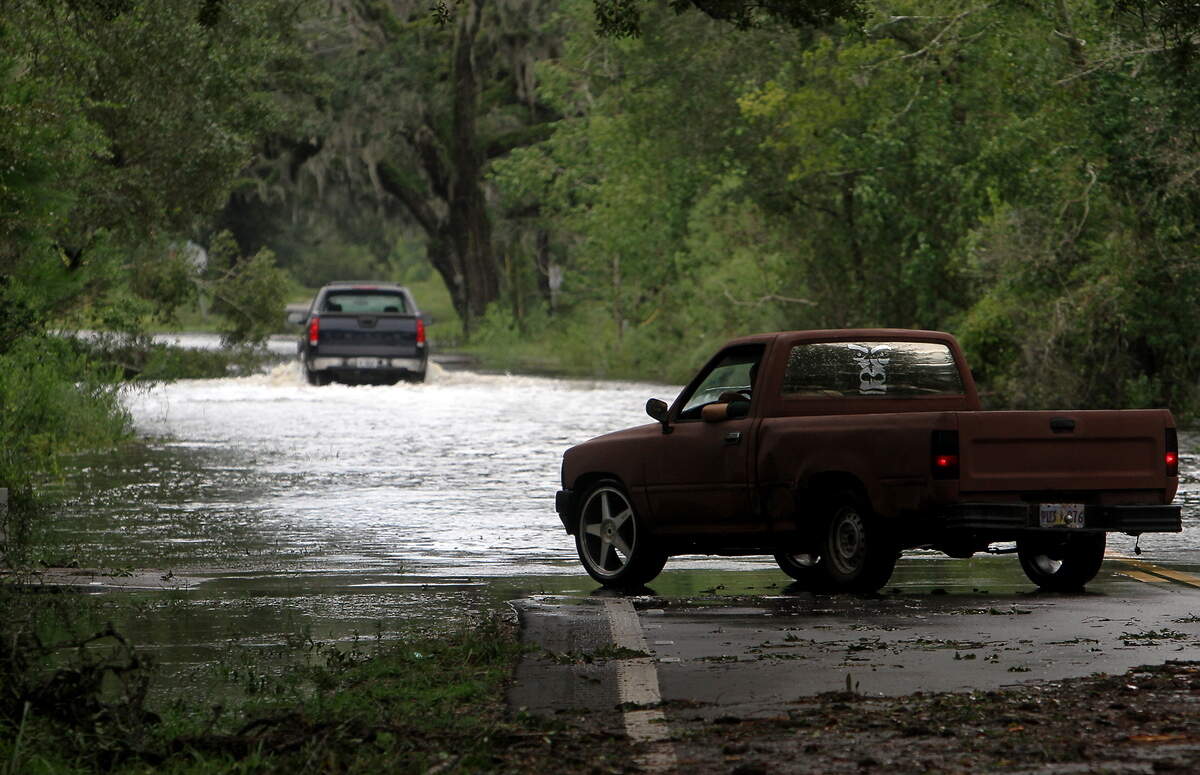
But the federal government has rewritten elevation rules across the region and in the two towns, which are notorious for flooding. A hundred employees trapped in surging water at the nearby Silver Slipper Casino had to be rescued several years ago during Tropical Storm Cristobal. Water often swamps the low-lying streets there even when storms spare the rest of the region.
The challenges are leaving the community more splintered. Donald Wayne Graham, a county supervisor who represents the area, said many of his old neighbors have moved north to higher ground. Louisiana natives are replacing them.
“They’re just different people now,” he said. “It’s not so much that everybody knows everybody anymore.”
To the west, past miles of bayous and empty wood homes abandoned long ago, the dilemma is growing.
The passing years have worn so much of Pearlington that the only sign left of some old homes are concrete slabs and crumbling brick fences that guard tangles of wilderness like ancient ruins.
“The cost of living down here don’t justify the gamble,” Joseph Dawsey, the local fire chief, said the other day.
He turned down silent streets lined with stilted camps and drove his pickup truck past weedy lots with creaky sheds, old swimming pools shaded by moss and volunteers planting grass on the riverbank to fight erosion.
Some of his neighbors are so tied to the land that they refuse to leave until they are washed out. But Dawsey counts many families who have gone north. Every now and then, he wonders if he should join them.
He passed a few new vacation rentals and arrived at another lot where someone stuck wood stilts in the ground and later realized he could not afford to build a home there. Some residents are not sure whether the federal government would let them rebuild after another big storm.
“It makes you wonder what’s going to be here in ten years,” said Dawsey, whose family has lived on the land for five generations.
The truck rolled by an old home that was never raised above the flood line.
A small cross hung near the front door.
Northern growth
The phone rings all the time.
Anthony Sheffield, a real estate agent, keeps fielding calls from families who want to buy land in the Kiln. They have been calling since Hurricane Katrina. But the questions are coming more often now as interest from wealthy buyers increases near the coast and insurance costs rise.
“A long time ago, it might’ve cost you $5,000 a year to live in a flood zone,” Sheffield said. “Now that same thing probably costs you $10,000 a year or more. That forces people to get away from living on the water and just move north. And a lot of those guys are cashing out big time.”
Ten miles east, ten miles north and more than 20 feet above Pearlington, the Kiln is growing fast. Old shops have become apartments. A style of country houses called “barndominiums” dot the fields.
Sheffield is planning more residential projects on large-acre lots. New subdivisions are surrounding Wyly’s family-run flower business, La Terre Farms. And Ladner, who did not want to raise her young daughter in her old house on tall stilts in Bay St. Louis, now lives on a secluded street with a pond, a garden and horses.
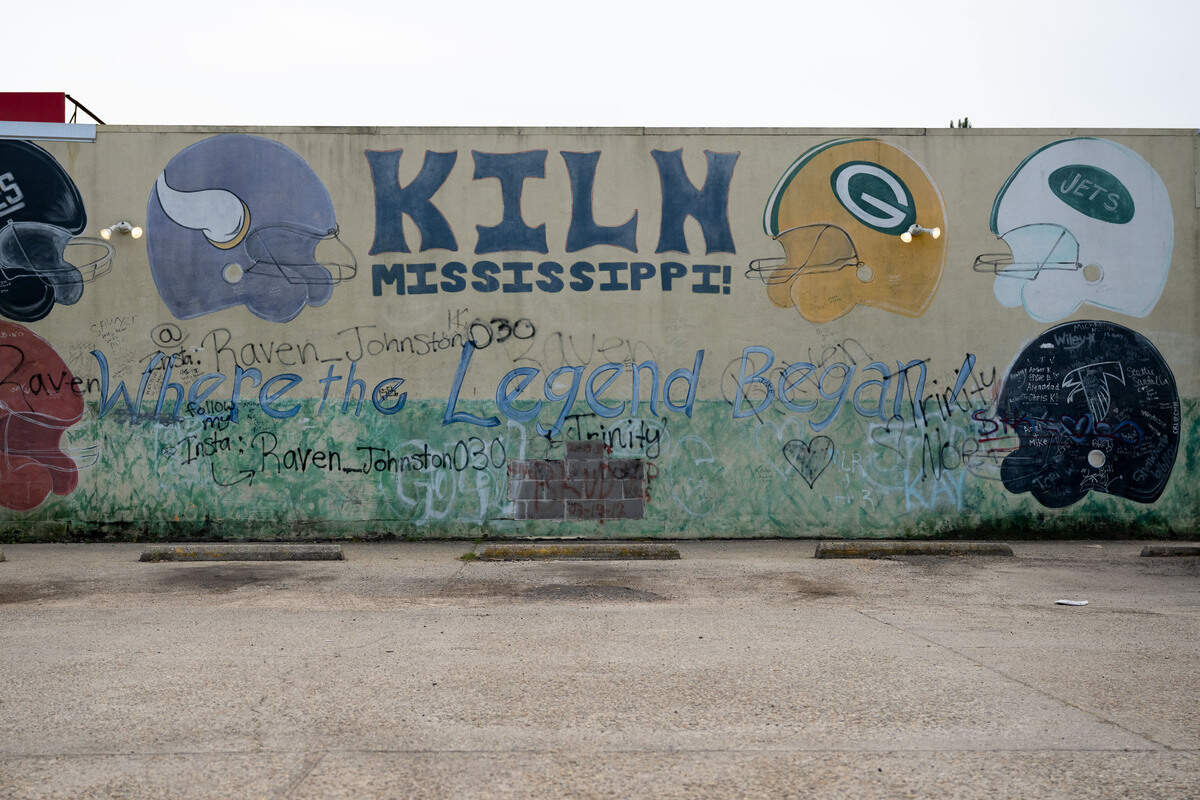
The growth reaches beyond the Kiln. The number of residents living in Diamondhead grew by more than 1,000 over the last decade. In the last five years, developers in neighboring Harrison County have gotten permission to build more than 3,000 subdivision lots north of the interstate. Real estate agents say some Louisiana residents are also moving into Hancock County’s northern half, fleeing their own insurance crises.
Even Breland, a born-and-raised Bay St. Louis native and alligator trapper with bayous in his blood, is embracing his new life in the country. He and his wife just built their own house.
“We love it,” he said.
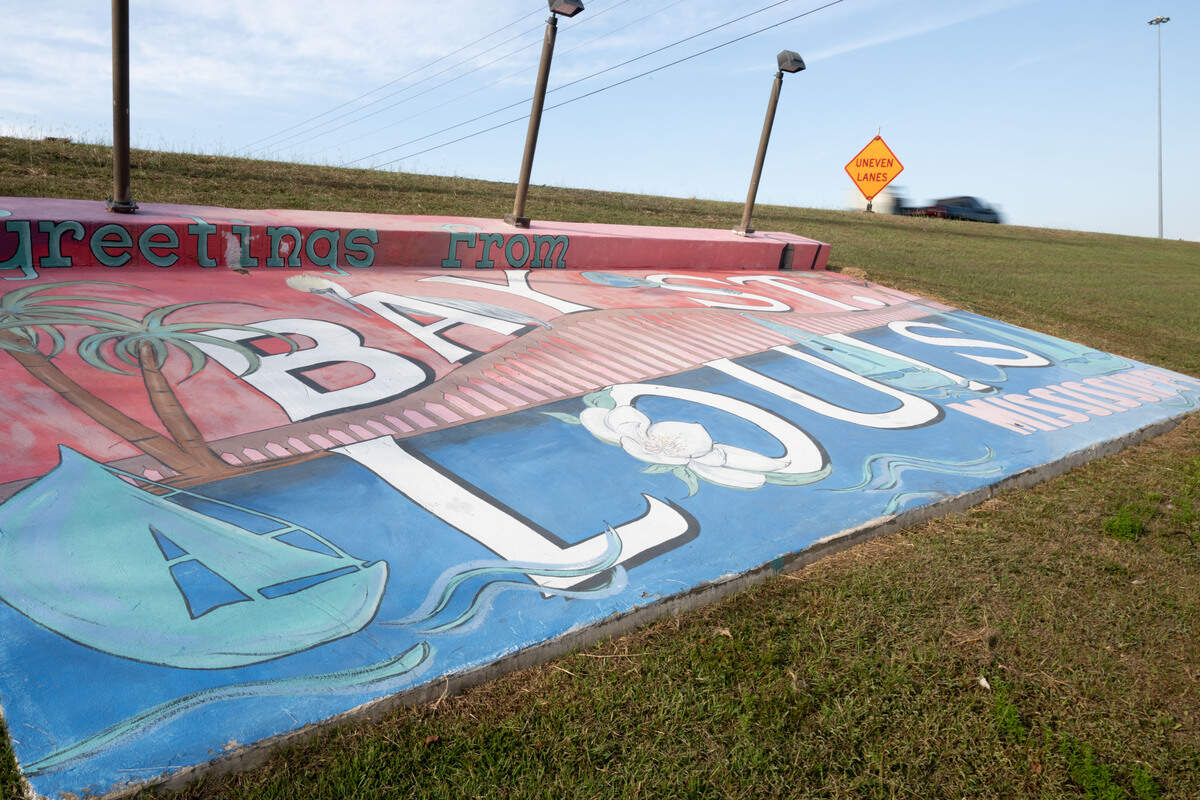
Riding home one evening this fall, Breland pulled off the road just before it cuts under the interstate. He climbed a grassy hill below the speeding cars and pointed to a bright mural with a message: “Greetings from Bay St. Louis.”
“This was a Katrina monument,” he said.
He stepped closer until he could see the faint outline of big block letters that were painted over long ago.
“KATRINA HIGH WATER 2005,” the sign once read.
“A lot of people didn’t really want to remember this,” Breland said.
He turned back down the hill, dodging a soggy roadside ditch, and steered his pickup truck back into the evening traffic.
Soon he was beyond the interstate, heading north in fading daylight.
This story was originally published October 8, 2025 at 5:00 AM.