
Tourists flocking to Gulf Coast in MS and AL. Why is this area so popular now?
AI-generated summary reviewed by our newsroom.
- Pandemic-era demand and eased access boosted Gulf Coast tourism in 2024-2025.
- Baldwin County alone drew 6.5 million visitors in 2024, up nearly 25% since 2019.
- Expanded air service and new lodging attract younger, remote-working vacationers.
Jeff and Kristina Russell and their three kids skipped their annual trip to the South Carolina shore this summer and packed their bags for Pass Christian, Mississippi, instead.
Over several days in late June, the Illinois family soaked up the waterfront, boated to barrier islands and wandered through the oak-shaded streets of nearby Ocean Springs.
It wasn’t their typical vacation destination, but that was the point.
“We wanted to see something different,” said Jeff Russell, pausing during a stroll down Government Street in Ocean Springs on a recent Friday afternoon. “It’s laid back. It’s not overrun like Myrtle Beach.”
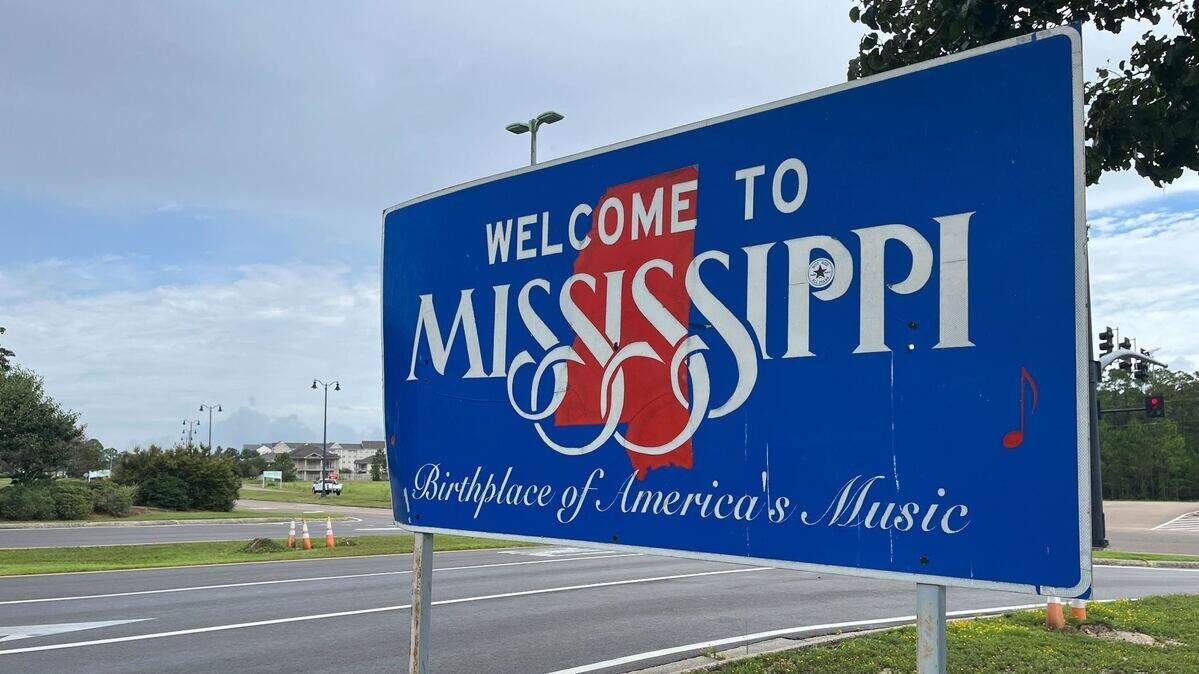
The Russells are among a growing number of visitors flocking to the Mississippi and Alabama Gulf Coast from afar. Long a popular drive-in destination for regional travelers, in recent years, the area has become increasingly popular among tourists from other parts of the country as well.
Driven in part by pandemic-era demand for beach vacations and supported by an increase in new hotel rooms and condos and more direct air service — Gulf Shores has its own international airport now — accessing the coast has gotten easier. And beachgoers can find lodging at price points that range from budget motels to luxury whole-house rentals.
As coastal communities from Bay St. Louis to Perdido Key geared up for the peak of the season this holiday weekend, tourism officials and local business owners said summer 2025 is shaping up to be a strong year, after a record 2024 that saw nearly 6.5 million visitors in Baldwin County, Alabama — Fort Morgan, Gulf Shores and Orange Beach — alone.
“Our drive-in market, Louisiana, Mississippi and Alabama, is still our bread and butter,” said Brandy Davis, marketing director with Beachball Properties, which manages 350 rental units along the Alabama coast. “But we are getting a new crop of people from as far away as Virginia, Missouri and Ohio.”
More rooms, more bookings
Tourism along the Gulf Coast is nothing new. Before Hurricane Camille wiped out the Mississippi Gulf Coast in 1969, many New Orleanians fled the heat and decamped to the quiet coastal communities every summer.
When Mississippi legalized gambling in the early 1990s, a new wave of visitors flocked to the area to try their hand at the shiny, floating casinos with their Vegas-style shows and high-rise hotels.
In Alabama, meanwhile, developers saw opportunity along the sugar-sand beaches of Baldwin County, once home to humble fishing communities, and invested throughout the second half of the 1900s and early 2000s in an ever-growing tourism industry infrastructure.
The investments are paying off, according to local tourism officials. Last year’s visitor count to Baldwin County was up nearly 25% over the 5.3 million visitors in 2019. During the same period, spending on everything from hotel stays to beach chair rentals to steaming trays of Royal Reds and frothy cold Bushwackers was up more than 50% to nearly $6.7 billion, according to Alabama’s Beaches, the area’s tourism promotion agency.
Overall lodging rates have also climbed. Occupancy in Baldwin County averaged about 70% in 2024, with the summer season — roughly mid-May to Labor Day — topping out at 85%.
“And we’re adding 1,000 new rooms a year to our inventory, said Kay Maghan, public relations manager with Alabama’s Beaches. “So, even slight gains in occupancy are greater than they appear on paper because there’s more supply.”
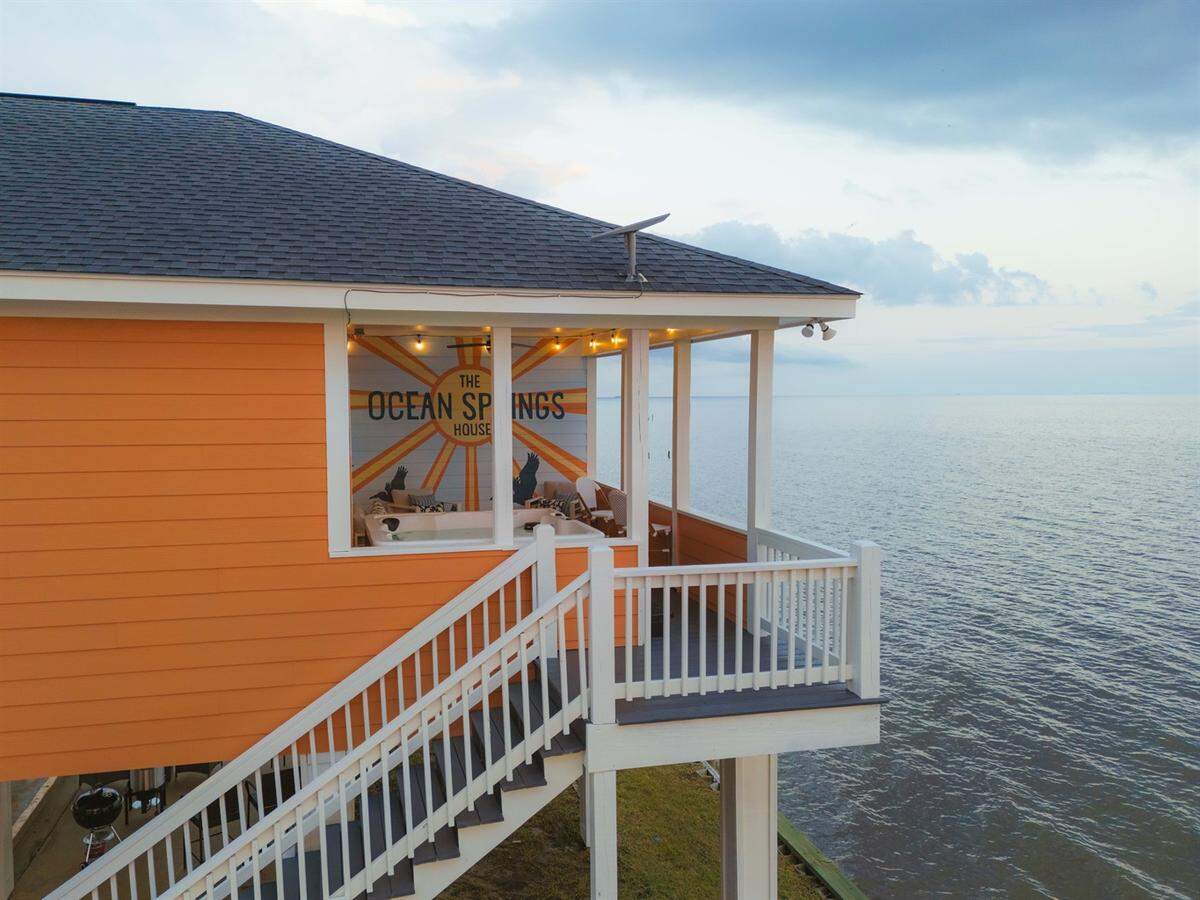
Mississippi’s coastal communities have seen similar growth. Occupancy rates in 2024 were up 11% over the year before, according to Coastal Mississippi, the area’s tourism agency.
Business owners and officials in both states say the coronavirus pandemic, which weighed on air travel, cruises and tourism to some big cities for much of 2020 and 2021, made outdoor vacation destinations particularly popular. States that had less restrictive public safety measures and allowed establishments to remain open, including Alabama and Mississippi, capitalized on the demand.
“This area and a lot of the Gulf Coast enjoyed additional visitors because it was a viable option,” said Billy Widner, chief marketing officer of Brett/Robinson vacation rentals in coastal Alabama.
Beachfront airports
In response to the growth have come more infrastructure and rental inventory. In August, a new 260-room Embassy Suites is scheduled to open in Gulf Shores. The beachfront mid-rise will have more than 20,000 square feet of meeting rooms and event space that will target a new group of business and meeting travelers.
In May, Allegiant Airlines began direct flights between four midwestern cities and Gulf Shores International Airport at Jack Edwards Field, which, until then, was mostly used by crop dusters and private prop planes.
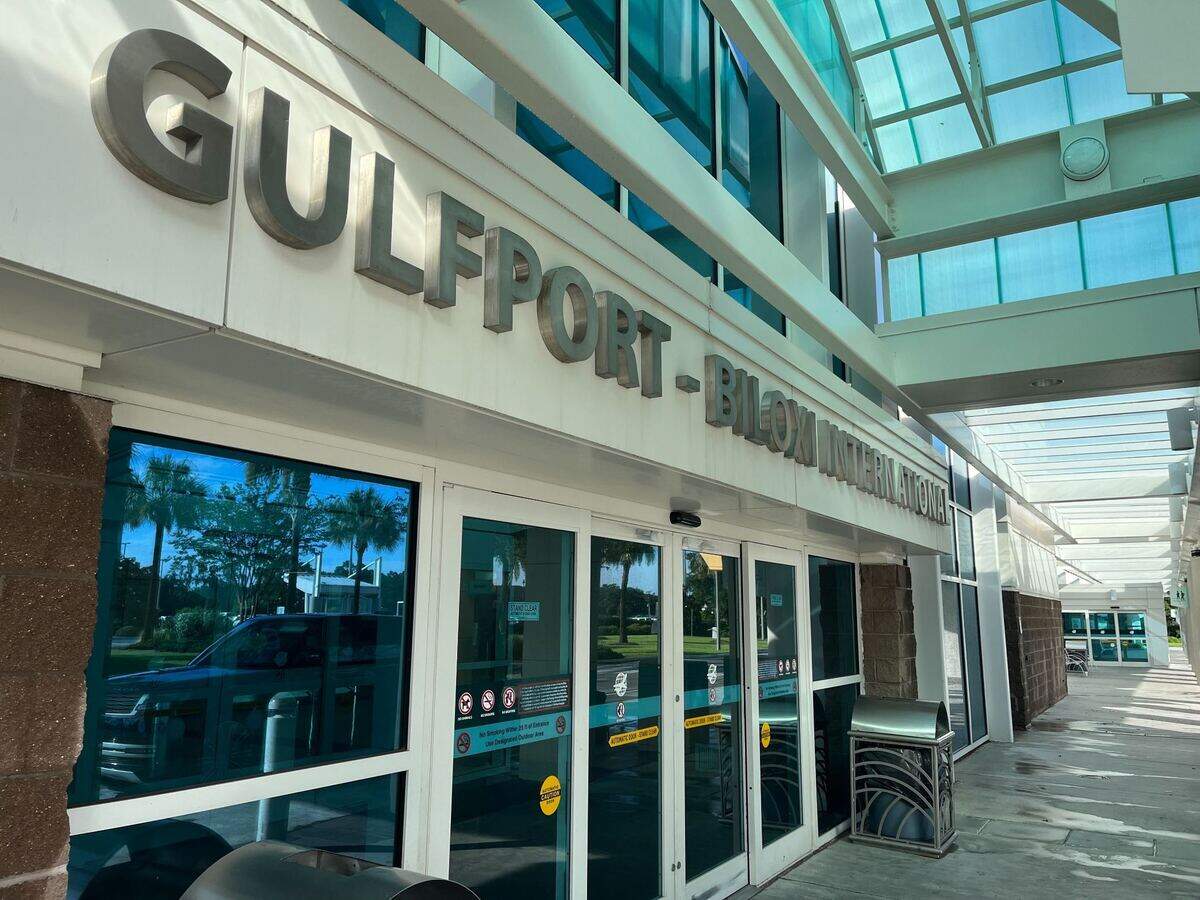
To the west, Gulfport-Biloxi and Mobile have seen increases in service to their nearby airports, as have Pensacola and Destin to the east.
“When Allegiant came to Destin in 2018, they had four routes. Now, they have 40 routes out of Destin,” said Davis at Beachball. “That is what we are hoping to do here in Gulf Shores. It opens a whole new market for us.”
Growing pains
With growth has come challenges — higher prices in some cases, congested roads and strained infrastructure.
When Thomas Genin walks into his downtown Bay St. Louis restaurant, The Blind Tiger, he doesn’t recognize most of the customers because most are tourists or new residents.
“Coronavirus put the Mississippi Gulf Coast into overdrive,” he said.
While the activity is good for business, some longtime locals are staying away from the restaurant and other establishments on the busy strip because they don’t feel like dealing with crowds or can’t find parking. Genin said he has repeatedly raised these concerns to city leaders, asking them to add loading zones along Beach Boulevard and more parking spaces.
So far, though, nothing has happened.
At Tatonut Donut Shop in Ocean Springs, a longtime local bakery known for its potato-flour doughnuts, manager Theresa Mohler has seen a big shift in her clientele. The difference is especially noticeable on Saturdays, when the average customer count is between 550 and 600.
“Our sales are up, and our customers have shifted more to what I believe are tourists,” Mohler said.
She’s not complaining though, she admits, “we’ve fallen a little bit on our local business.”
Younger snowbirds, new faces
Amid the growth, local tourism officials are trying to make sense of recent changes that could signal long-term shifts in the overall market.
For instance, travelers are waiting later to book their trips and shortening their stays from a week to three or four days.
“Back in the day, guests would rent Saturday to Saturday,” said Jeny Stokes, general manager of Bender Vacation Rentals in Gulf Shores. “Young families and couples are now looking for weekend getaways, and potential guests are looking for great, last-minute deals.”
Snowbirds are also changing their habits. Baby Boomers are aging out and aren’t coming every winter, as they once did, or at least, not for as long.
“But we’re seeing new, younger snowbirds in their place,” said Davis. “They can work remotely, so they’re coming and staying longer than we would have expected.”
Attractions, like the Sand In My Boots music festival and the NCAA Beach Volleyball Championship, both of which were held in May, are bringing national attention to the area and attracting a new group of visitors.
“People are still discovering us and we keep growing,” said Maghan. “It’s shaping up to be a really strong summer.”