Lawmaker impasse means millions won’t be spent on Coast projects this year
One of the last things the state Legislature does at the end of the session is allocate millions of dollars to Coast projects through Tidelands, GOMESA and Gulf Coast Restoration Funds.
Not this year.
A contentious end to the session on May 29 saw House members approve the budget and go home before the Senate voted on any budget items.
That leaves Coast cities and counties without the money they expected for sewer improvements, piers, new economic development grants and dozens of other multi-million dollar projects.
Instead, the Legislature reallocated the millions of dollars that were approved in prior years but still aren’t spent.
Use it or lose it is the message Brice Wiggins, R-Pascagoula, a member of the Senate Appropriations Committee, and other senators have for Coast cities and counties.
Progress, or lack of?
As part of the process of drawing up the list of projects to fund, the Legislature goes back and reviews the progress — or lack of progress — of projects approved under GCRF, Tidelands and Gulf of Mexico Energy Security Act, Wiggins said.
“Last year, we found that there were a fairly significant amount that had not drawn down their money,” he said. “And our question to them is, ‘Why haven’t you?’”
As projects progress or are completed, the municipalities “draw down” a portion or all of their grant money, but some of the projects approved even four or five years ago still haven’t drawn any of the money, he said.
“I’m talking hundreds of millions of dollars along the Coast that still hasn’t been drawn down,” Wiggins said.
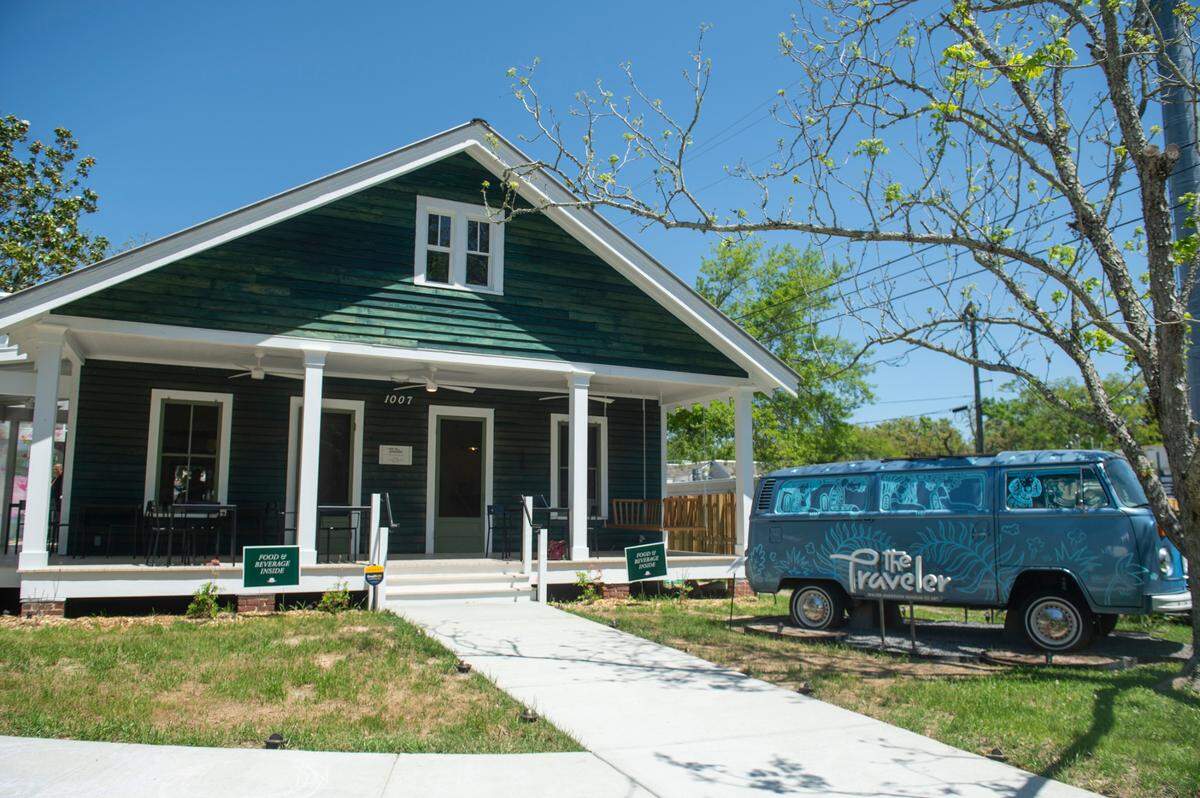
Downtown Pascagoula has been transformed and the Walter Anderson Museum in Ocean Springs is building new facilities with the grant money they received and spent, he said.
Senate Appropriations Chairman Briggs Hopson, while presenting the budget on floor this week, said the lack of progress spending grant money is not a problem just on the Coast. Funds from American Rescue Plan and other grants are facing deadlines across the state.
State gives and can take away
Local leaders should pay attention, Wiggins said.
“The local entities need to get their things in order so that they can draw down the funds, or else the Legislature has the 100% authority — and in my opinion, the political will — to pull that money back and reallocate, which we’ve done in a couple instances.
Right now the unspent money is in the state coffers, drawing interest.
“But there are time limits on how long that can happen, and we’re approaching those time limits.,” Wiggins said.
Bigger and better projects?
No new projects from these three funds dedicated to the Coast can be approved until the next Legislative session, Wiggins said.
On the bright side, “It’s just going to be that much more money come next year,” he said.
Since the Legislature also didn’t fund any Gulf Coast Restoration projects for 2024-25, the opportunity is there to do more of those “transformational projects” the Coast delegation and South Mississippi residents envisioned from the millions of dollars flowing into the state after the BP oil spill.
South Mississippi has seen these kind of transformational projects, Wiggins says, like the cyber center built in cooperation with Mississippi State University and the Wicker Center for Ocean Enterprise and other blue economy projects through University of Southern Mississippi. The state also purchased land on the barrier islands for public use with some of this money.
“What we’ve also been able to do is to redevelop the downtowns across the Coast, “ he said, bringing new residents and businesses to South Mississippi, and securing sites for economic development.