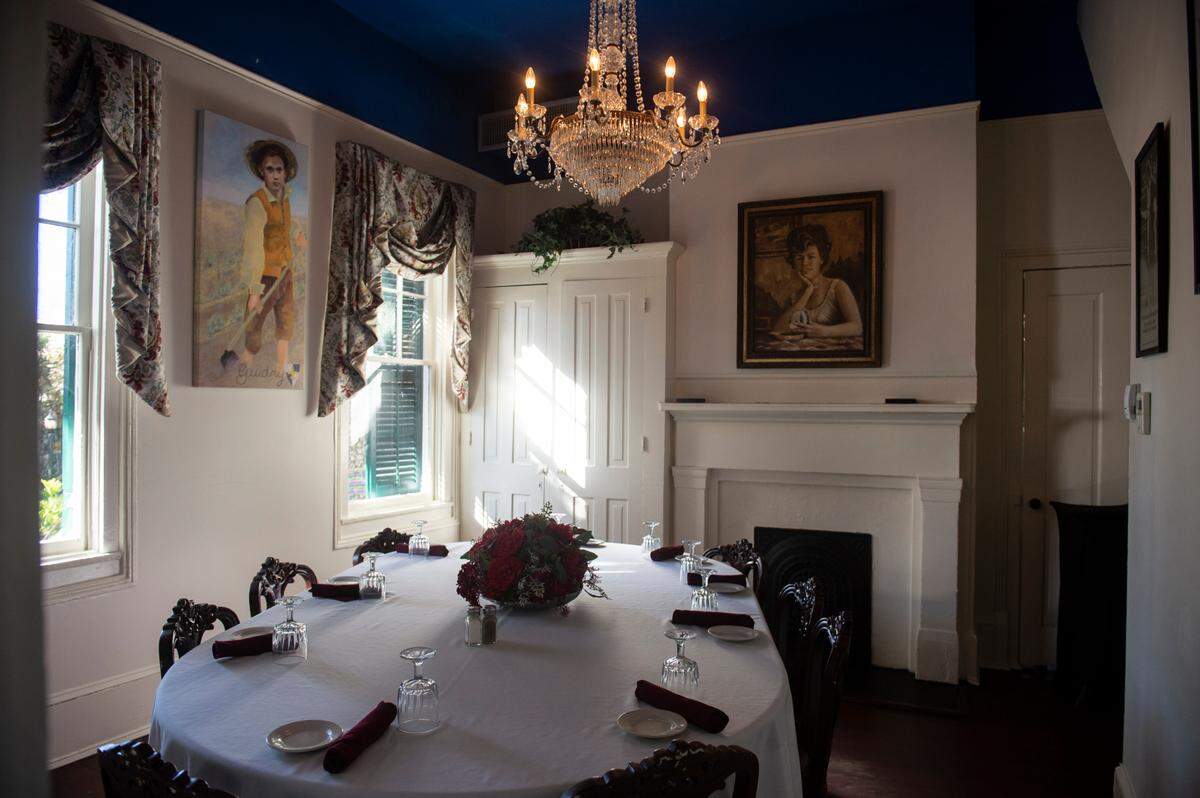
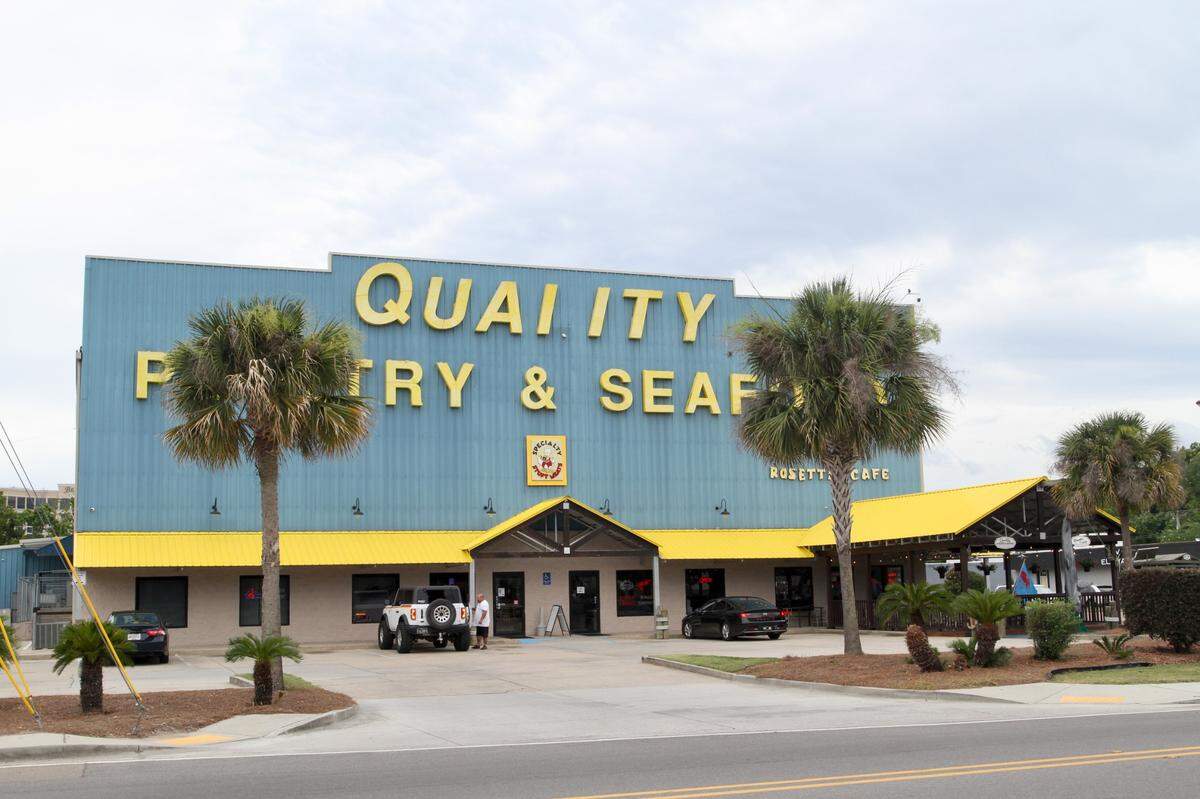
Mahoney’s and seafood wholesaler want civil case over mislabeled fish tossed. Here’s why
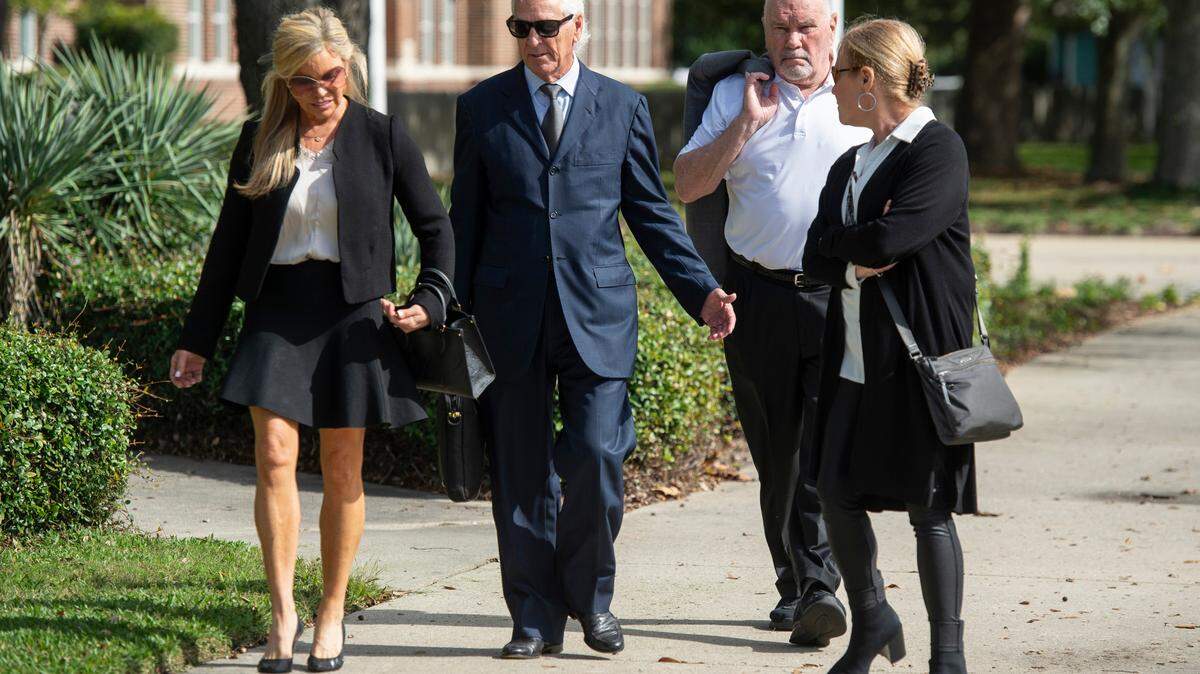
A proposed class-action lawsuit filed against Mary Mahoney’s Old French House restaurant and Quality Poultry & Seafood is a ‘manufactured attempt’ to cash in on the criminal case against two seafood institutions in Biloxi, the companies say.
Mary Mahoney’s and Quality have both filed motions to dismiss the case.
Todd McCain of Alabama filed the lawsuit after the federal government charged Mahoney’s, its co-owner Anthony “Tony” Cvitanovich and Quality, a wholesaler and retailer, with conspiring to mislabel imported seafood as Gulf fresh. Mahoney’s and Cvitanovich pleaded guilty in their felony case and have been sentenced.
Quality sales manager Todd Rosetti, son of owner Clell Rosetti, and business manager James “Jim” Gunkel each pleaded guilty to misdemeanor charges of mislabeling seafood. Quality and its managers are scheduled to be sentenced at 9:30 a.m. Wednesday in U.S. District Court.
Judge Sul Ozerden is presiding over the criminal cases.
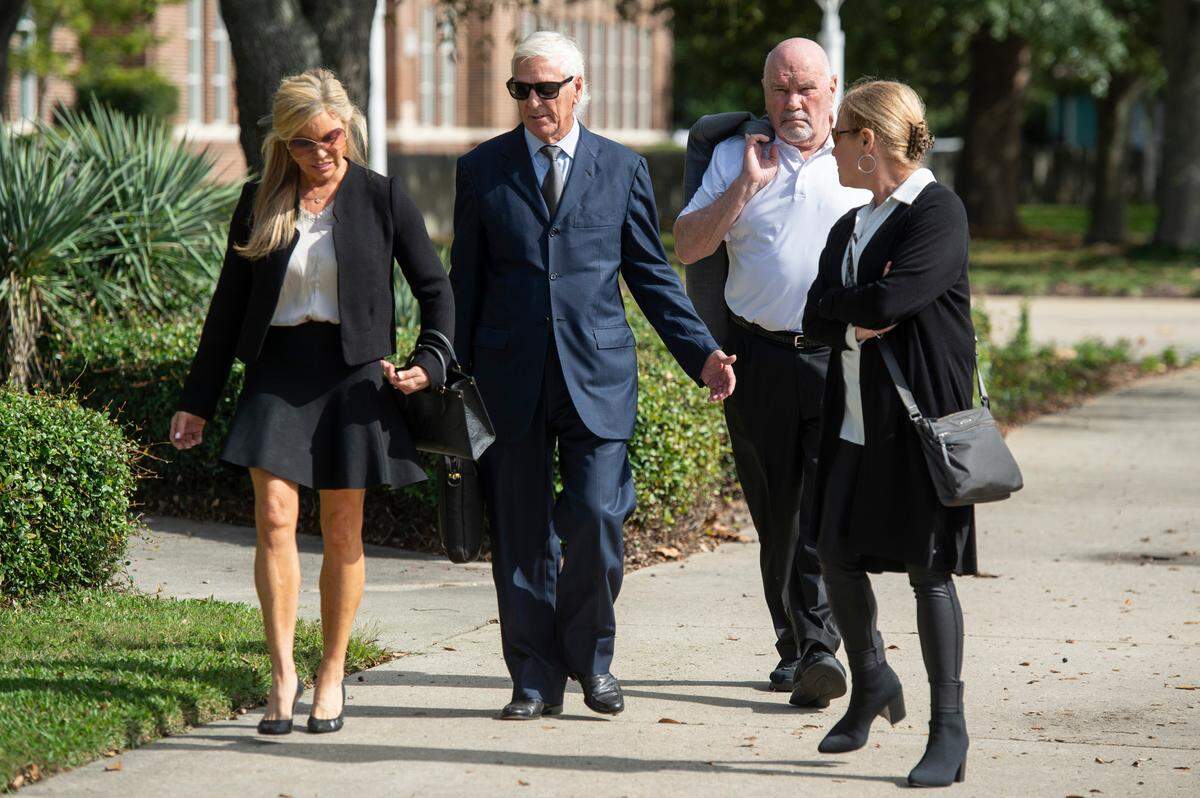
Civil case against Mahoney’s, Quality
The individuals who pleaded guilty in the criminal cases are also named parties in the proposed class-action lawsuit being heard by Judge Taylor B. McNeel.
In the civil case, McCain seeks to represent all customers deceived during the time the criminal case covers, from at least 2012 to November 2019, when federal investigators raided Mahoney’s and the restaurant stopped mislabeling seafood dishes.
McCain accuses Mahoney’s, Quality and its associates of violating the Racketeer Influenced and Corrupt Organization Act, a federal law that went into effect in 1970 to fight organized crime. McCain says that he and thousands of others should be compensated because they overpaid for frozen seafood billed as Gulf fresh.
Quality and Mary Mahoney’s “generated significant proceeds for itself and its co-conspirators, all while financially defrauding thousands of trusting customers and blatantly disregarding their health and safety by exposing them to potentially hazardous and toxic fish species they unknowingly ingested,” McCain’s RICO statement in the case says.
Quality notes, in a memorandum asking for dismissal, that McCain points to a potential hazard without showing any actual injury from consumption of foreign fish.
Class-action status is not a given. McCain’s attorneys — two from law firms in the Jackson suburb of Ridgeland and one from Mobile — must prove to Judge McNeel that McCain is representative of a class of people who were injured and satisfy other legal requirements.
Will a class-action lawsuit work?
Mahoney’s sentencing hearing demonstrated how difficult it would be to identify injured diners. Mahoney’s was ordered to forfeit $1.35 million. But the federal government did not ask for restitution because identifying the victims and the amount each was owed would have been too unweildy and time-consuming, prosecutors and the judge agreed.
Quality says in its motion to dismiss the case, “At best, (McCain) alleges a hypothetical wholly speculative potential injury to his wallet, as opposed to an actual concrete and particularized injury.”
McCain says in his lawsuit that he ate at Mahoney’s three times while the restaurant was serving mislabeled fish: in 2013, 2016 and 2018.
“Of course, should this litigation proceed, plaintiff (McCain) would bear the burden to prove that he in fact consumed ‘foreign fish’ — a nearly insurmountable hurdle absent the ability to forensically test the fish he alleges having consumed almost a decade ago,” Mahoney’s motion to dismiss the lawsuit says.
But the case should never reach the point of establishing proof, attorneys for Mahoney’s and Quality argue. McCain waited too long to file his lawsuit. They say the statute of limitations for filing a lawsuit has expired.
McCain claims that he could not have known about the mislabeled fish until the federal government announced its case against Mahoney’s in May 2024 or against Quality in August 2024.
Mahoney’s argues the USDA raid of Mahoney’s was publicized in November 2019, when the Sun Herald reported on it and the restaurant subsequently issued a news release saying it was “in conjunction with an investigation of mislabeled fish.”
After the recent sentencing hearing for Mahoney’s and Cvitanovich, family members told the Sun Herald that the mislabeling involved two dishes on the Mahoney’s menu: stuffed snapper and snapper Bienville. The restaurant was using imported fish in place of snapper caught in the Gulf.
Mahoney’s continued to serve the popular dishes, rebranding them as Queen Ixolib (Biloxi spelled backward) and Seafood Bienville.
The hearing also established that Mahoney’s was not the only Quality customer billing foreign fish as Gulf seafood. However, no other restaurants were named or charged.