Will the Bonnet Carré Spillway be opening? The news is good for MS Coast
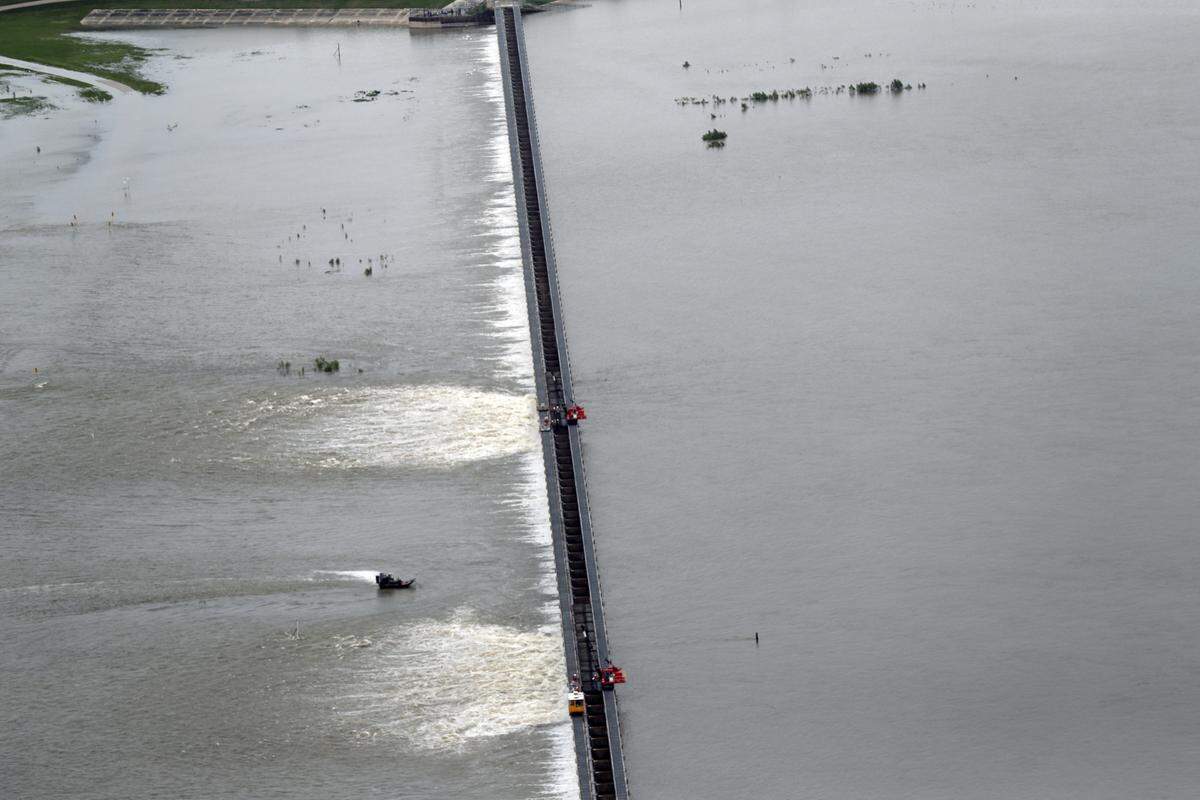
The U..S. Army Corps of Engineers has decided against opening the Bonnet Carré Spillway — welcome news for South Mississippi as Mississippi River water released through the spillway can degrade conditions in the Mississippi Sound.
The Army Corps notified Mississippi officials on Tuesday afternoon that the spillway would not be opening. It’s used to relieve potential flooding in and around New Orleans when the Mississippi River hits a flow rate set almost 100 years ago in federal law.
The Army Corps’ said the river’s flow rate near the Old River Control Complex north of Baton Rouge is “lower than the originally forecasted flow figures.”
“As a result of the lower flow measurements, coupled with the Mississippi River beginning to crest near the Old River Control Complex, the forecast indicates that river flows will NOT exceed the Bonnet Carré Spillway’s operational trigger of 1.25 million cubic feet per second and rising in the greater New Orleans area.
“We certainly understand that forecasts and realized river conditions can change as more rain falls within the valley, so we will remain vigilant in measuring and monitoring the Mississippi and Atchafalaya river conditions. If conditions do change, we will share the updated information with you.”
Welcome news for oysters, MS Sound
Joe Spraggins, executive director of the Mississippi Department of Marine Resources, was relieved to hear the news. He believes the Corps has been more cautious about a decision on opening the Bonnet Carré because of all the issues the polluted river water creates for southeastern Louisiana waterways and the Mississippi Sound.
Political and environmental leaders have pressured the Corps to consider the harm the polluted river water creates beyond Lake Pontchartrain, where it is released from the spillway before flowing into Lake Borgne, then the Mississippi Sound.
The river water disturbs the salinity balance in the Sound and other waterways. From 2018-2020, record-setting openings caused by increased rainfall and flooding killed oysters, dolphins and other aquatic life. The river water also pollutes the Sound with fertilizers and other toxins.
A prolonged opening was not expected this spring, but no opening is even better news, Spraggins said.
“It wasn’t going to be that big of a deal this time, but I do believe that, because of the way things have changed, they’re looking harder at it now than ever before and they’re trying to keep from doing it,” Spraggins said.
“I think the corp’s working a lot harder with us on it.”
This story was originally published April 29, 2025 at 4:11 PM.