
Trump is overhauling the government. What could it mean for South MS aerospace and defense?
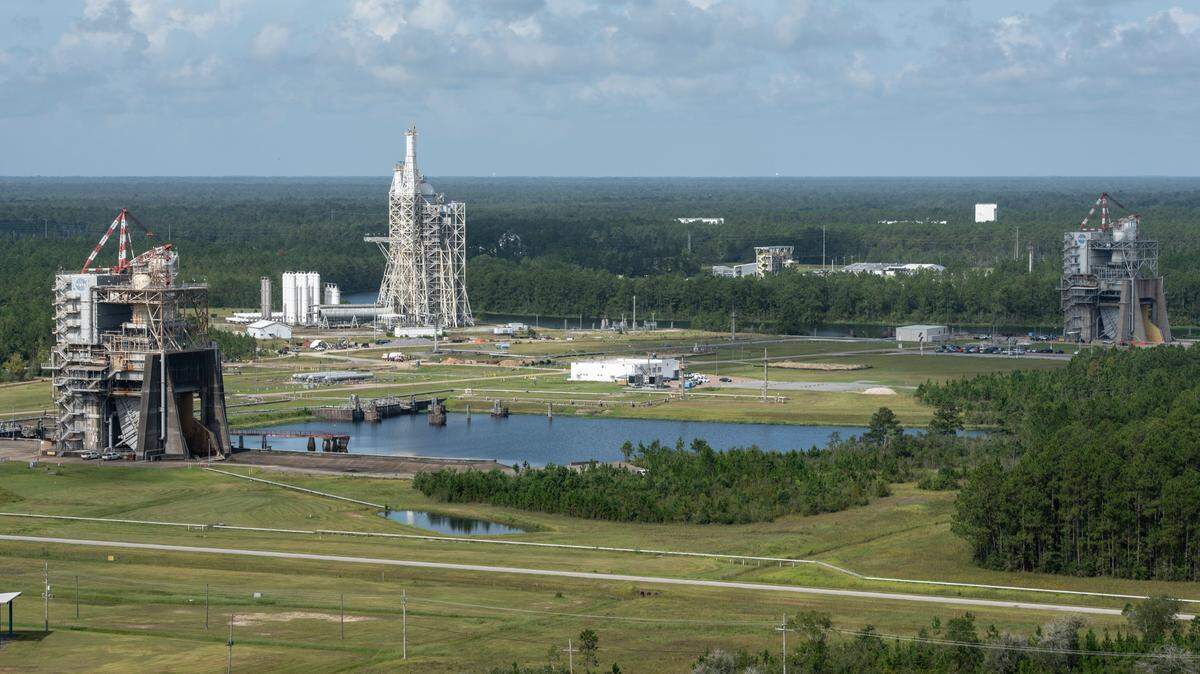
The Trump administration’s plans to overhaul the federal government are thrilling some state leaders, who say the steps coming into view will boost South Mississippi’s economies of aerospace and defense.
Those goals are also unnerving some of the region’s thousands of federal government employees, who do not know the fate of their agencies or if they will be fired.
It is still not clear how a wave of new federal actions in President Trump’s second term will affect South Mississippi.
But clues are emerging.
Some state leaders say a Republican push to increase defense spending could create more work for government contractors from Ingalls Shipbuilding to small cybersecurity companies. They also say commercial companies that operate at the Stennis Space Center could start testing more technology there to support the Department of Defense.
“There’s so much opportunity,” said Sara Doss, executive director of the Aerospace and Defense Alliance of Mississippi.
Others are uneasy. The Trump administration is looking hard at federal agencies to eliminate what it has called fraud and waste. NASA cut several top roles this week in the first step of a plan some employees fear could end in deeper cuts. More cuts reportedly started last week at the Department of Defense.
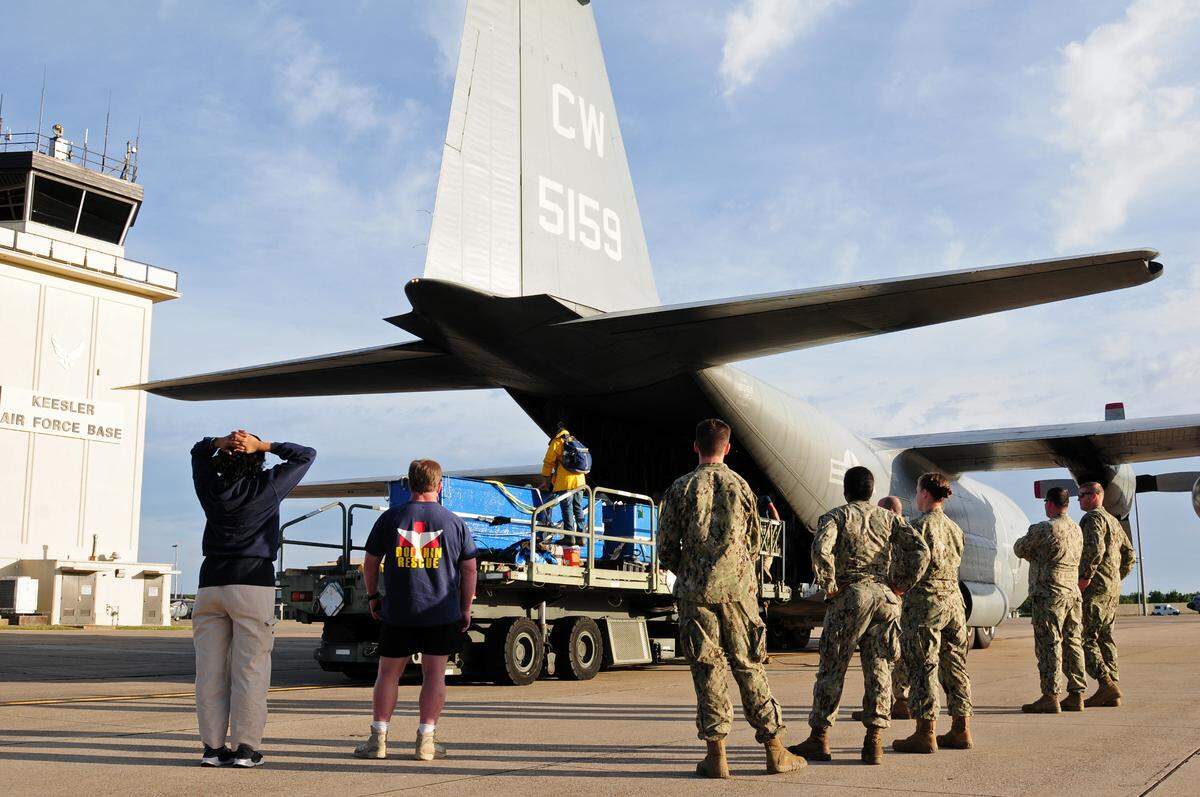
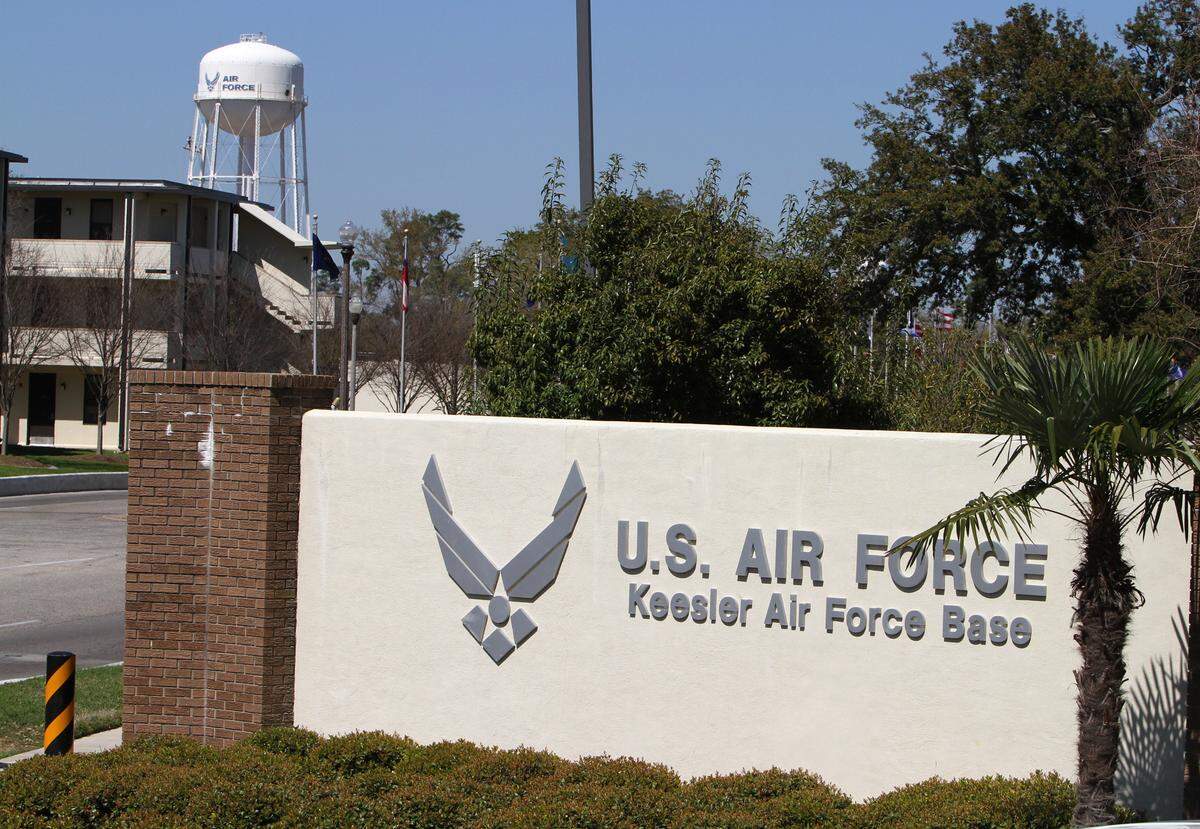
Spokespeople for NASA at the Stennis Space Center and Keesler Air Force Base said this week that no job cuts among probationary employees had begun there. The Navy last week directed its southeast region, which includes the Naval Construction Battalion Center in Gulfport, to place some probationary employees on leave. But how that will play out is not clear. A federal judge on Thursday also directed several agencies, including the Department of Defense, to reinstate fired probationary employees.
State Rep. Jeffrey Hulum III, D-Gulfport, said some federal employees in his district near the Seabee base are worried amid the confusion.
“They don’t know if today is going to be the day they receive their email that they’re going to be fired,” he said.
Opportunity in South MS
Stennis, the Seabee base and the Keesler Air Force base help drive South Mississippi’s economy and employ thousands of people. Defense contributes about $9 billion to Mississippi’s economy each year.
That is largely fueled by shipbuilding. Trump said last week he hopes to “resurrect the American shipbuilding industry” by creating a new office of shipbuilding in the White House.
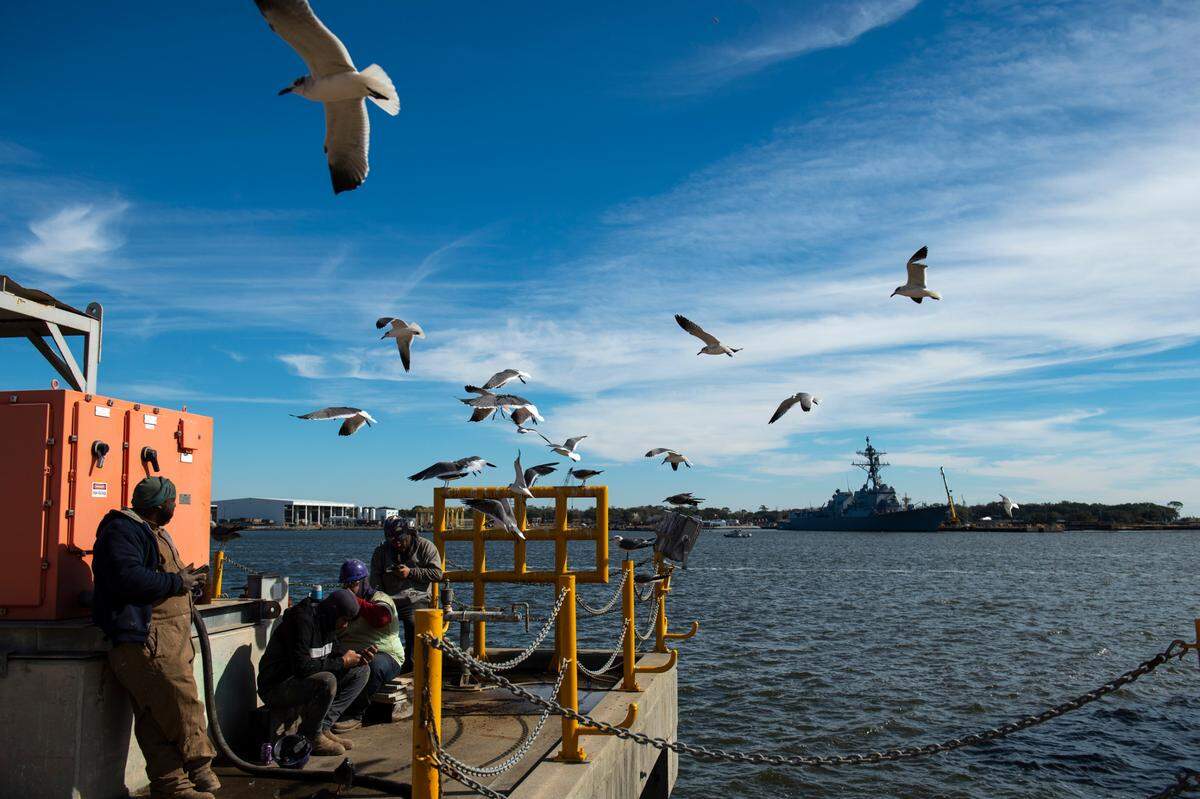
He has not further detailed that plan. But Ingalls is already planning to hire more workers to build three ships that transport Marines and another large ship that can launch aircraft, said Bill Cork, the executive director of Mississippi Development Authority. Nearby Bollinger is also hiring workers for the first heavy polar icebreaker built in the U.S. in five decades.
The Trump administration’s focus, Cork said, “could present new opportunities for increased shipbuilding capacity, which will lead to more high-paying, rewarding jobs that contribute to our nation’s defense.”

Danny Hernandez, a spokesperson for Huntington Ingalls Industries, said in a statement the company is “grateful for the president’s supportive shipbuilding comments to congress, as we work collaboratively with the government to expand capacity of the industrial base and accelerate throughput in our shipyards to meet a generational increase in demand, in support of the Navy and the nation.”
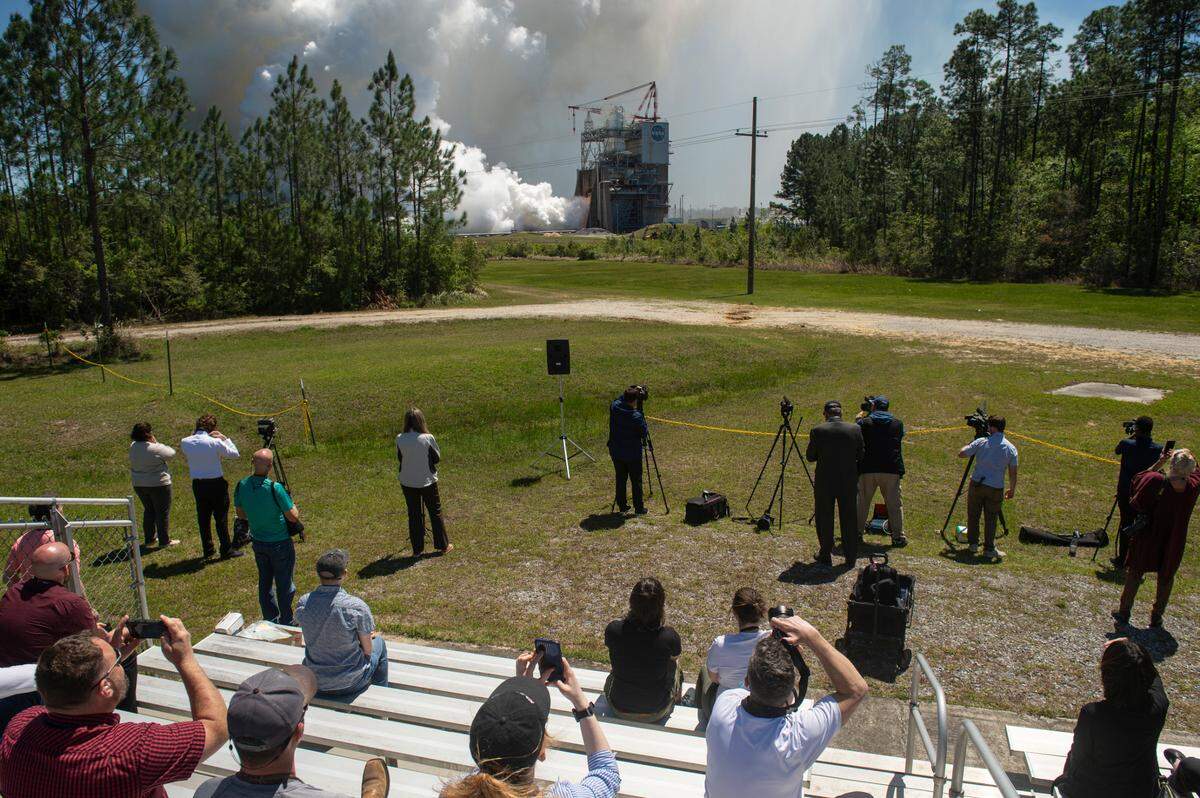
Others suggested opportunity exists at Stennis, too. The rocket test site is housed with over 50 federal, state, academic, public and private aerospace, technology and research organizations. NASA employees there are gearing up for the Artemis program, which will return astronauts to the moon.
Stennis is already adapting to the rise in private space exploration by leasing test stands to commercial companies. Those companies could now get more opportunities to test technology for the Space Force, the U.S. military’s newest branch, Doss said: “There’s a lot of opportunity for more contracting and sustained growth.”
Nerves and uncertainty
Federal employees say they are still reeling from uncertainty.
Across the federal government, employees have received emails this year offering buyouts and demanding they detail their week’s accomplishments in five bullet points. The memos have sent agencies scrambling to reassure staff at a loss for how to respond.
NASA has said about 5 percent of its 18,000 employees accepted deferred resignation offers, including some people at Stennis.
Diversity, equity and inclusion programs are also being eliminated. All former DEI programs in the Air Force have ended. NASA said this week it would cut a DEI branch of its Office of Diversity and Equal Opportunity. A spokesperson said the NASA Stennis Office of Equal Opportunity is still operating.
Some of the more than 17,000 federal employees in South Mississippi’s congressional district are also turning to Hulum with questions about what to do if they lose their jobs, he said.
“People are not and will not continue to spend money on our local businesses if they don’t know if they’re going to have a job tomorrow,” he said.
What’s next?
Cork, the executive director of the Mississippi Development Authority, said reductions in force could send some former federal employees into the private sector. They could find new options there, including work for commercial companies at Stennis or companies such as Ocean Aero in Gulfport, which builds underwater drones deployed by the Department of Defense.
“The good news is that if those affected by reductions in force want to continue working, there are dozens of innovative companies on the Mississippi Gulf Coast looking for talented employees,” Cork said.
Hulum, a retired U.S. Army sergeant major, said cuts among civilians in the Department of Defense could hurt support systems for active duty military missions. People who have relocated for work on the Coast could also return to out-of-state families if they lose income. He said the threat to veterans employed by the federal government was especially concerning.
Ken Human, a former associate director of NASA Stennis Space Center who also served as the agency’s director of legal operations, suggested Stennis’ future is secure.
He called its workforce finely tuned, efficient and productive. Stennis has also streamlined already because many employees did not return after Hurricane Katrina. “We just tried to do more with less,” Human said.
Stennis leaders are also close with Mississippi’s congressional delegation who understand its importance, he added.
“It’s carved out a role for itself that is unique,” Human said. “There’s no one else that can do it because no one else has those facilities.”