
Billionaires like Elon Musk are changing South MS space center’s role. Is there a risk?
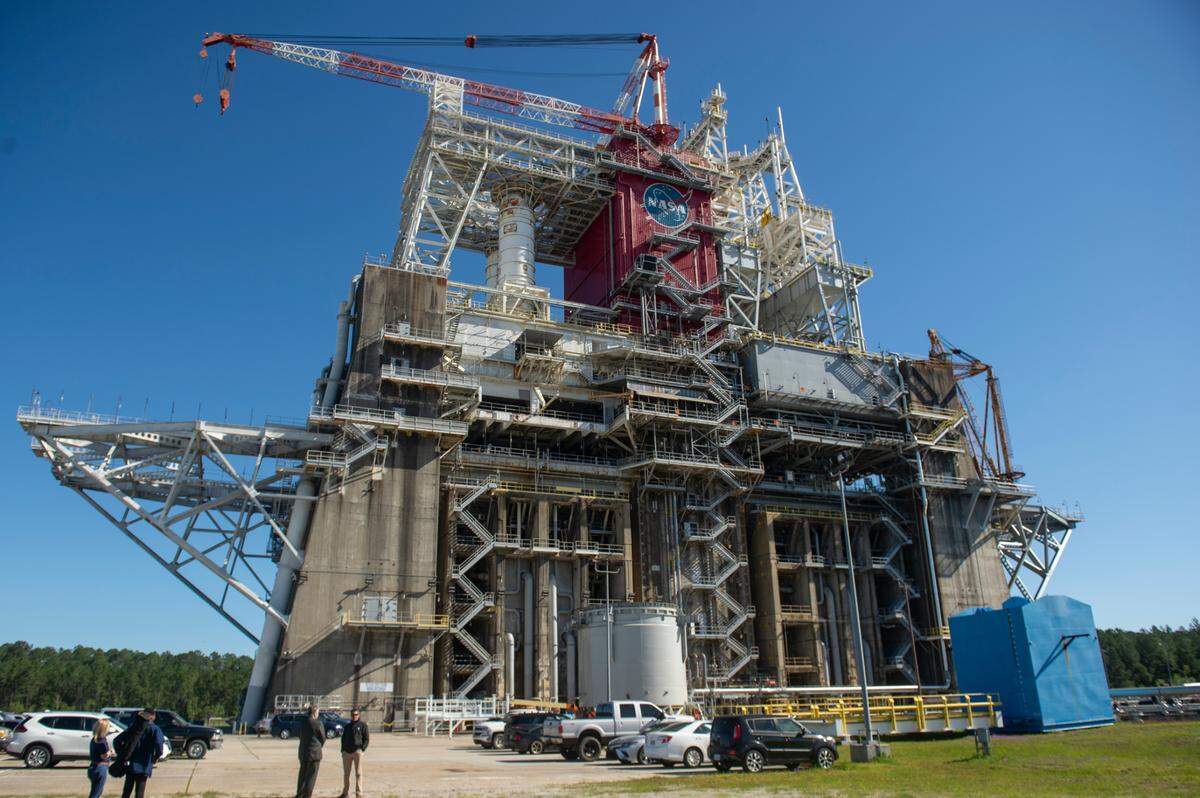
Five decades after it began testing rockets deep in South Mississippi’s woods, the Stennis Space Center and sites like it around the country are trying hard to adapt to a world that includes billionaire rocket moguls like Elon Musk.
A recent report by NASA’s Office of Inspector General warns that new private rocket companies such as Musk’s SpaceX sometimes use their own test sites, and do not always need Stennis.
Stennis and other rocket test sites are also aging, the report says. They are costly. NASA’s budget cannot afford major repairs.
Those warnings and the prospering commercial space industry are forcing Stennis to study its future. It is also raising new questions in South Mississippi, where Stennis helps drive the economy and creates jobs for around 5,000 people.
NASA agreed with the report’s warnings that its systems are aging and its budget is flat. But the agency rejected the idea that private space companies are outpacing it.
“We’re not being taken over,” said Michele Beisler, the acting program manager of NASA’s Rocket Propulsion Test Program. “Stennis is not going out of business.”
The report describes challenges at Stennis and seven test sites around the nation. It says testing stopped at two of Stennis’ stands for almost a decade until NASA leased them out in recent years. It also says NASA and its customers used 18 of the country’s 38 test stands in 2022. In two years, the report predicts, NASA and its customers will use only 10.
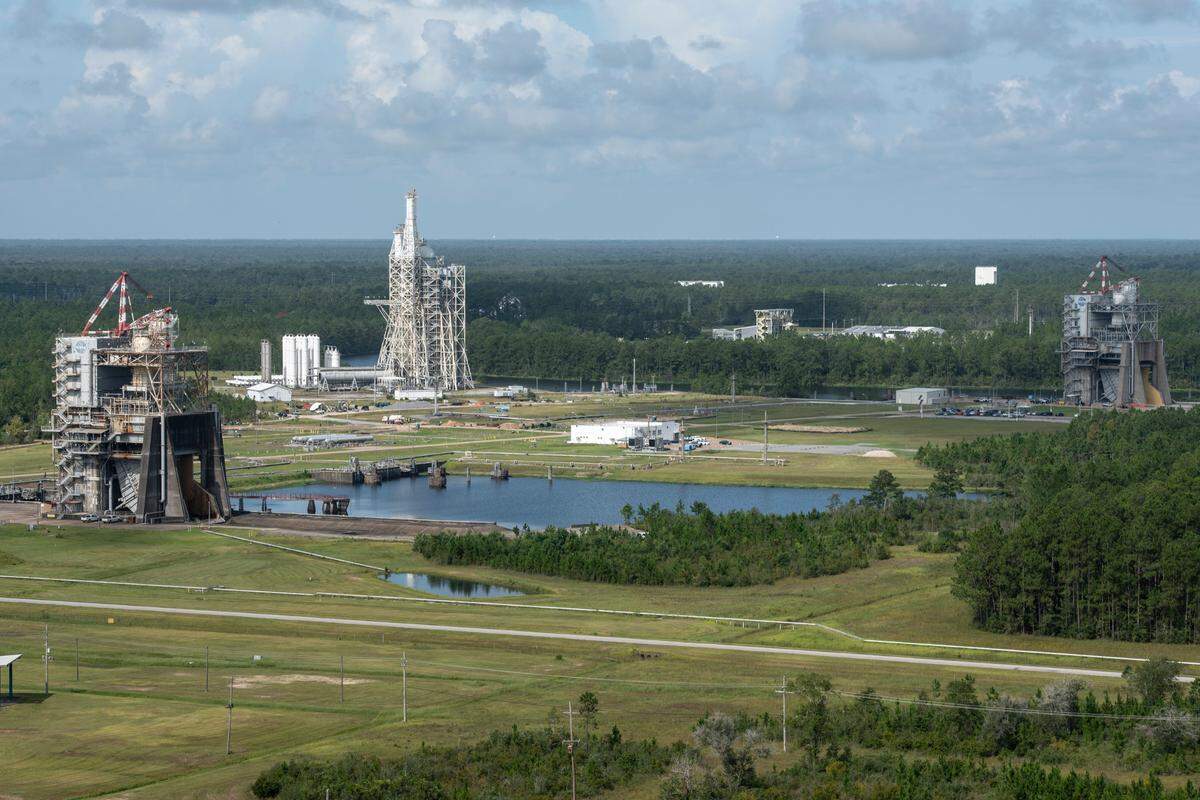
NASA disagrees. The need for some large test stands is fading, Beisler said. But she said demand at other stands is not falling because NASA is adapting. Stennis opened in the 1960s to test rockets for the Apollo program, which sent astronauts to the Moon. National urgency on similar projects has slowed. Private companies are leading a new race into space. Now, NASA often leases Stennis’ test sites to those customers.
Test stands are in more demand than the report suggests because auditors who found blank spots on upcoming schedules did not consider that most customer test agreements are signed just one year in advance, Beisler said.
Stennis has eight test facilities, and NASA will test at two stands next year, according to Stennis. Commercial companies are leasing two other stands. One is available. Beisler said Stennis is processing more test requests at remaining stands for later that year.
“There’s been a lot of effort to envision and transform,” Beisler said. “The expertise that people here at Stennis have is important.”
What audit found
Auditors studied NASA’s rocket test sites from September last year through August. The Office of Inspector General is an independent oversight group that reviews NASA programs to spot waste. Specific events like launch failures sometimes trigger audits, but auditors also choose topics based on public interest or shifts in the space industry.
The report points to challenges at several sites but focuses especially on Stennis, which is the nation’s largest rocket test site and is where the Rocket Test Propulsion Program is based.
The report warns most urgently of three problems. It says NASA’s 1960s-era equipment is expensive to maintain, which means aging systems have not yet been fixed. It warns that NASA’s budget is flat and that the test program at Stennis is working with $12 million less than it needs each year. That also means old systems that could be replaced instead must keep running.
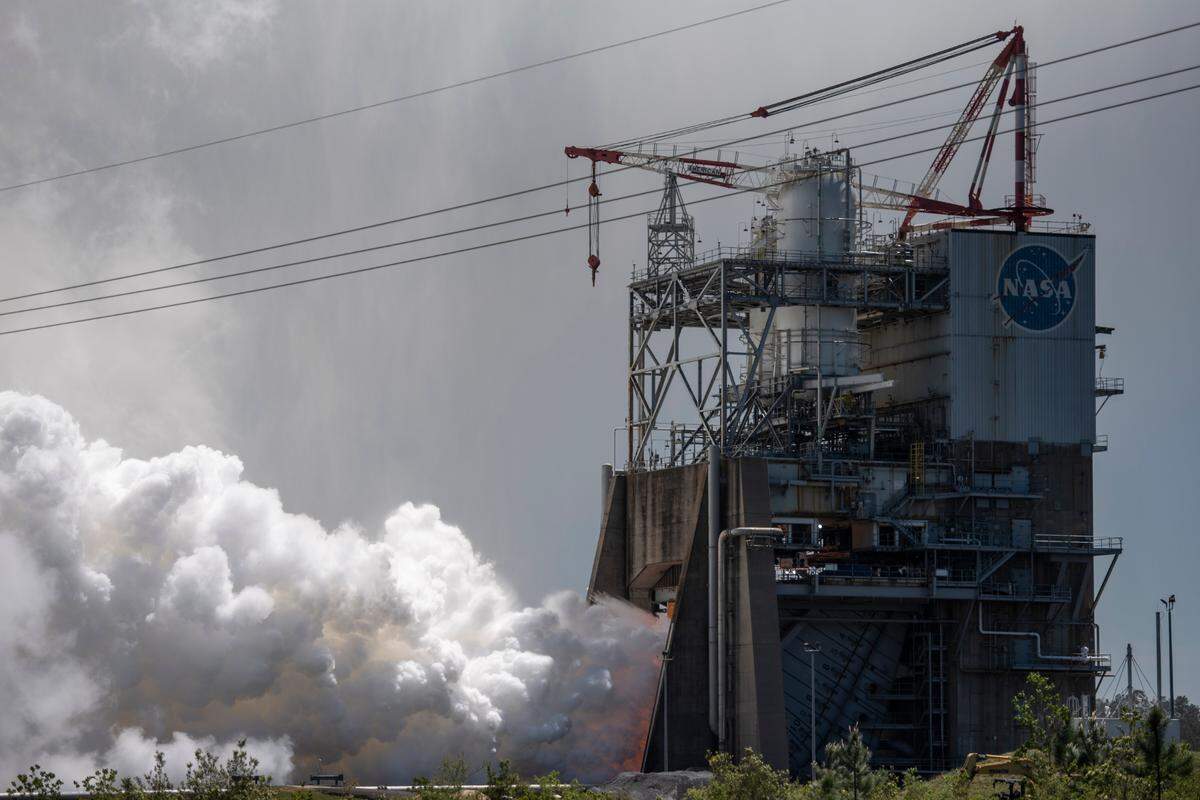
The report also found the booming private space industry is shifting Stennis’ traditional role. Private companies are flourishing because they can launch rockets faster and for less money than the U.S. government, which has already explored the places where commercial rockets are launching to and proved those trips are practical and profitable.
NASA is still testing its own projects, including the Artemis program, which will send astronauts to Mars and back to the Moon. NASA is also working with private companies. For example: Artemis astronauts will blast to the Moon on SpaceX’s Starship rocket.
Another recent report pointed out similar shifts: Most NASA rocket engine testing at Stennis will end by 2025, that report said. Stennis is trying to attract the commercial industry in its place.
Stennis adapts
Stennis will also charge more. It is asking customers who lease its test stands to pay maintenance fees for the first time. The Inspector General’s audit said that could bring Stennis $1 million each year.
Stennis is still helpful to private companies because those companies often need special tests that only Stennis can offer, Beisler said. Stennis is focusing on that specialty: ultra-high-pressure component testing at three of its stands called the E-Complex. SpaceX has used two of those stands to test parts of new rocket engines.
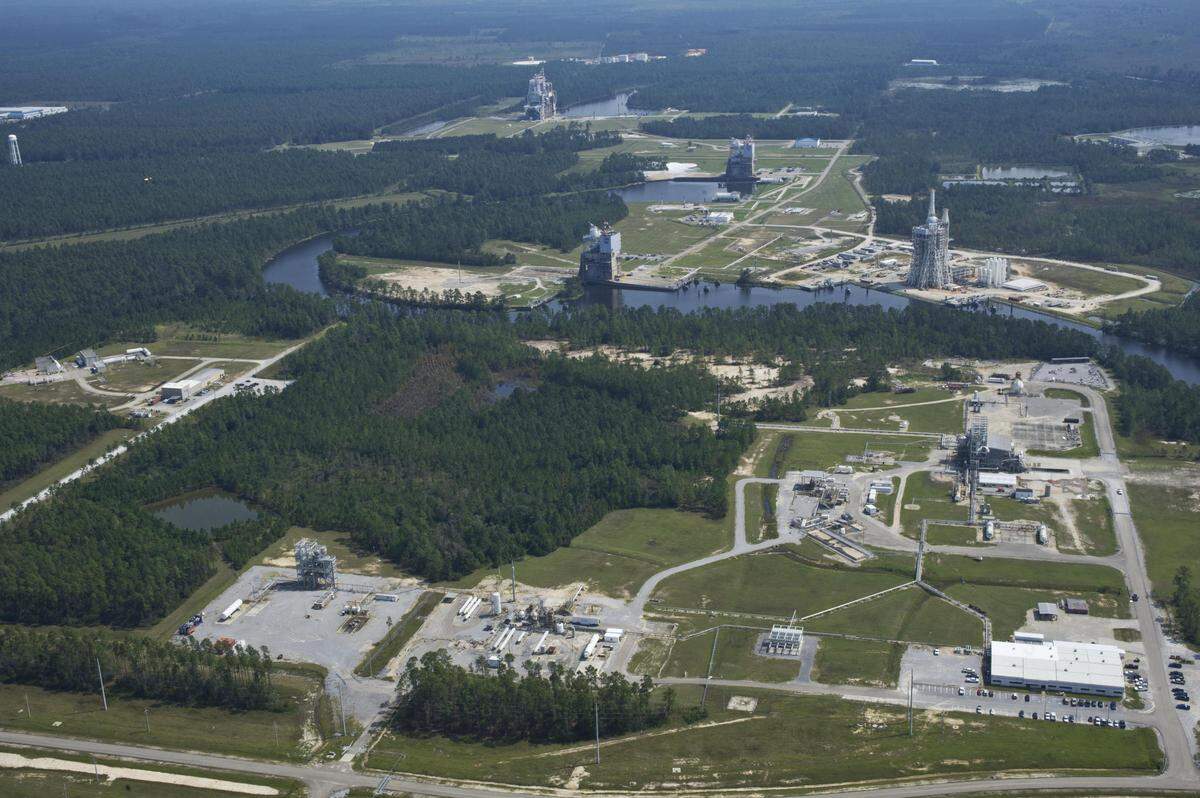
Another company called Relativity Space announced last year it would use a separate Stennis stand to test parts for a reusable rocket. Relativity, which also recently shot a 3D-printed rocket into space, has used several other stands at Stennis too.
It’s possible Stennis will focus only on its E-Complex in a few decades, Beisler said.
“It just depends on the future demand,” she said. “It could change for the good. It could change for the bad. You just don’t know.”
Impact on MS Coast
For decades, Stennis has captivated the region with a glimpse of NASA’s space program. It has attracted dozens of agencies and organizations, including the U.S. Navy. It also brings millions of dollars to economies in Louisiana and Mississippi.
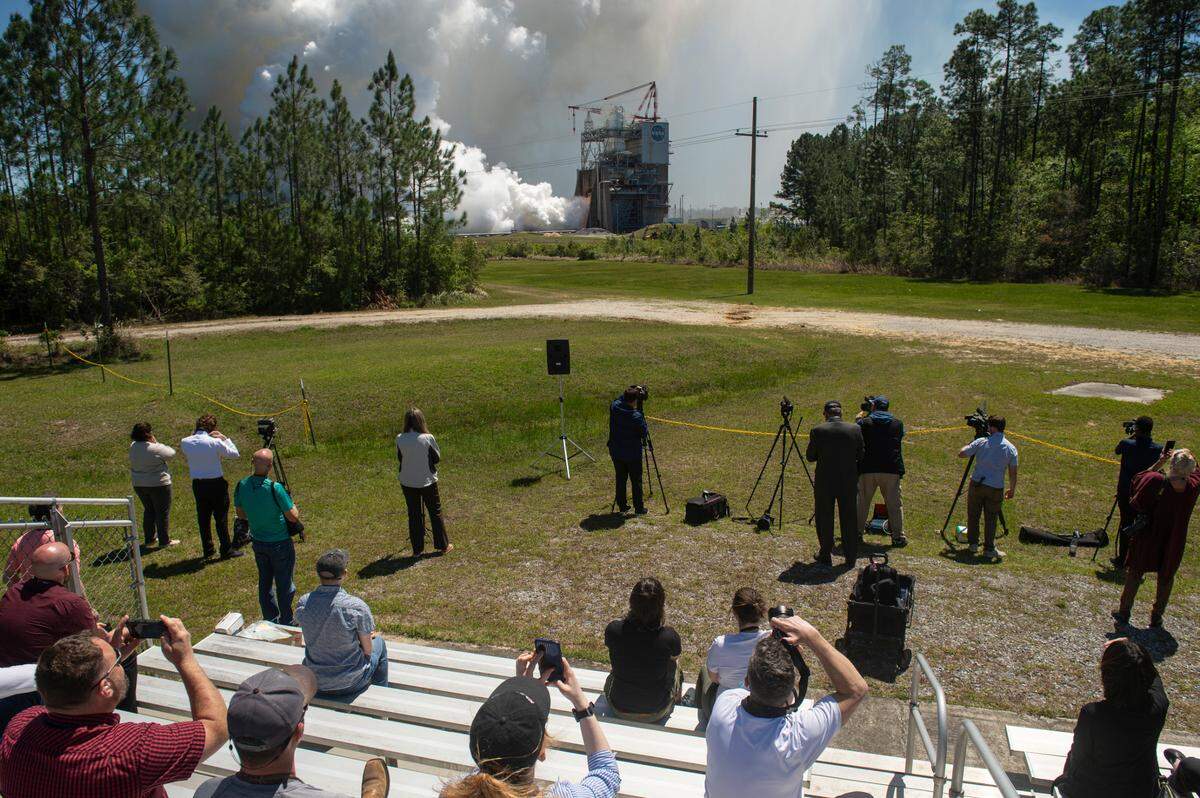
NASA carved thousands of acres from small Hancock County towns in the 1960s to create Stennis – a place to test NASA rockets. From 1975 to 2009, Stennis tested each main engine that launched the Space Shuttle missions, which built the International Space Station.
Now, Beisler and others are studying the facts to predict what demand for rocket test sites will look like next year and beyond. They are investing in the E-Complex. The idea to charge companies for maintenance is spreading to other rocket test sites around the country. The program is taking those steps, which the audit suggested, among others.
The second report, published in September by the National Academies of Sciences, Engineering, and Medicine, is called “NASA at a Crossroads.” At one point, it raises the question: Is Stennis destined to become only a commercial lessor?
“The way we do work is changing,” Beisler said. “We’re staying on top of it as best we can to transform with the future.”
This story was originally published October 16, 2024 at 5:00 AM.