
Would Trump’s planned cuts put future of Mississippi’s disaster recovery at risk?
The Trump administration’s reported plan to cut most staff at a federal office that sends states money years after natural disasters could change how some communities handle long-term recovery in Mississippi, which has received billions of dollars through the office since Hurricane Katrina.
The plan, reported by the New York Times, would cut 84 percent of staff at the Office of Community Planning and Development at the Department of Housing and Urban Development. The cuts would shrink staff there from 936 employees to 150.
The long-term impacts of almost eliminating that office are unclear, and the Trump administration has not explained the program’s next steps. Some leaders across the Gulf South have said too many cuts could slow the delivery of relief money to states in the future. But leaders who help spread the money across Mississippi said the change will not immediately delay money from local communities.
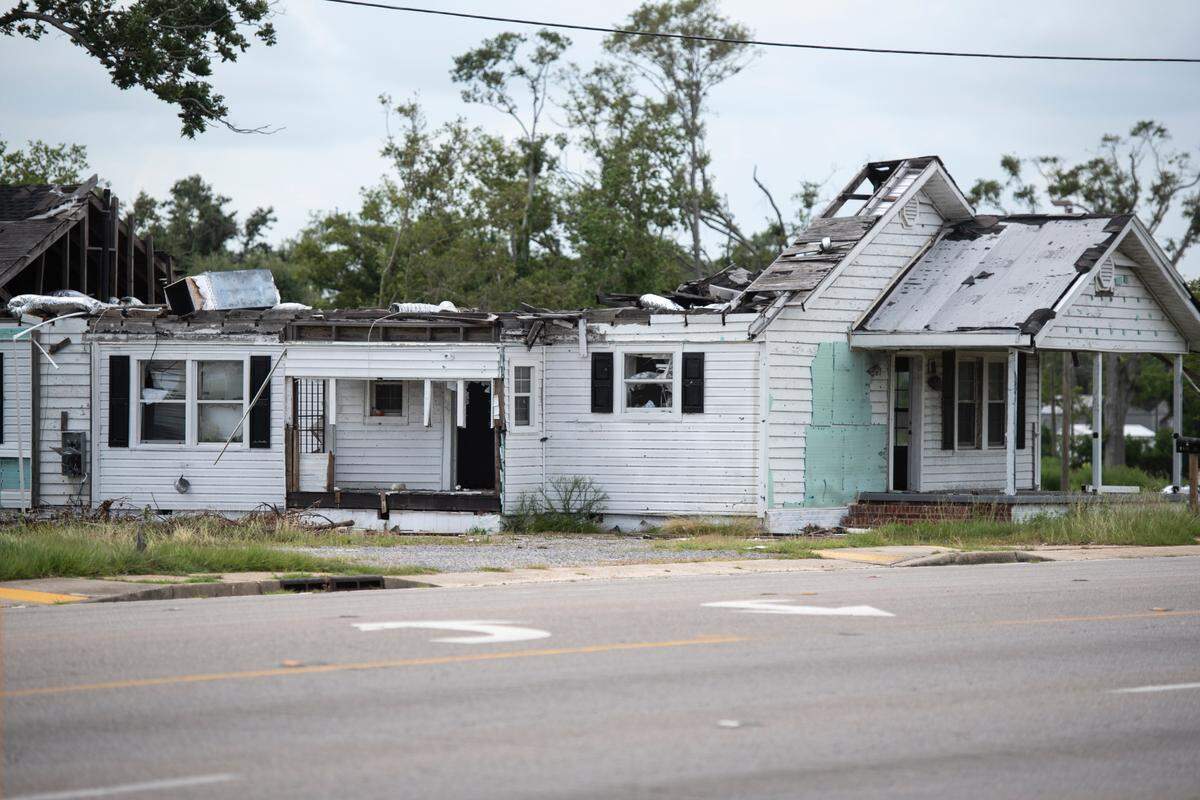
The money is separate from the Federal Emergency Management Agency. It is meant to fix problems with housing and infrastructure that persist years after disasters, and which FEMA and insurance do not cover.
Mississippi has received more than $5 billion through the office in the last three decades.
The money often moves slow through the federal government to states, then cities and nonprofits. Congress decided in January to give Mississippi more than $134 million of the money, called Community Development Block Grants - Disaster Recovery.
What do cuts mean for MS?
The Mississippi Development Authority helps distribute the money across the region.
Bill Cork, the agency’s executive director, said the cuts will not disrupt the money Congress has already allocated to the state. That money will help communities rebuild after several recent tornadoes.
Cork said state leaders are working with the federal government to modify current grants to comply with President Donald Trump’s recent executive orders. That means Biden-era stipulations in the grants related to climate change and environmental justice will probably be eliminated.
“We don’t think that’s going to cause any significant delays,” Cork said in a phone interview from Washington D.C., where he met Thursday with Housing and Urban Development officials.
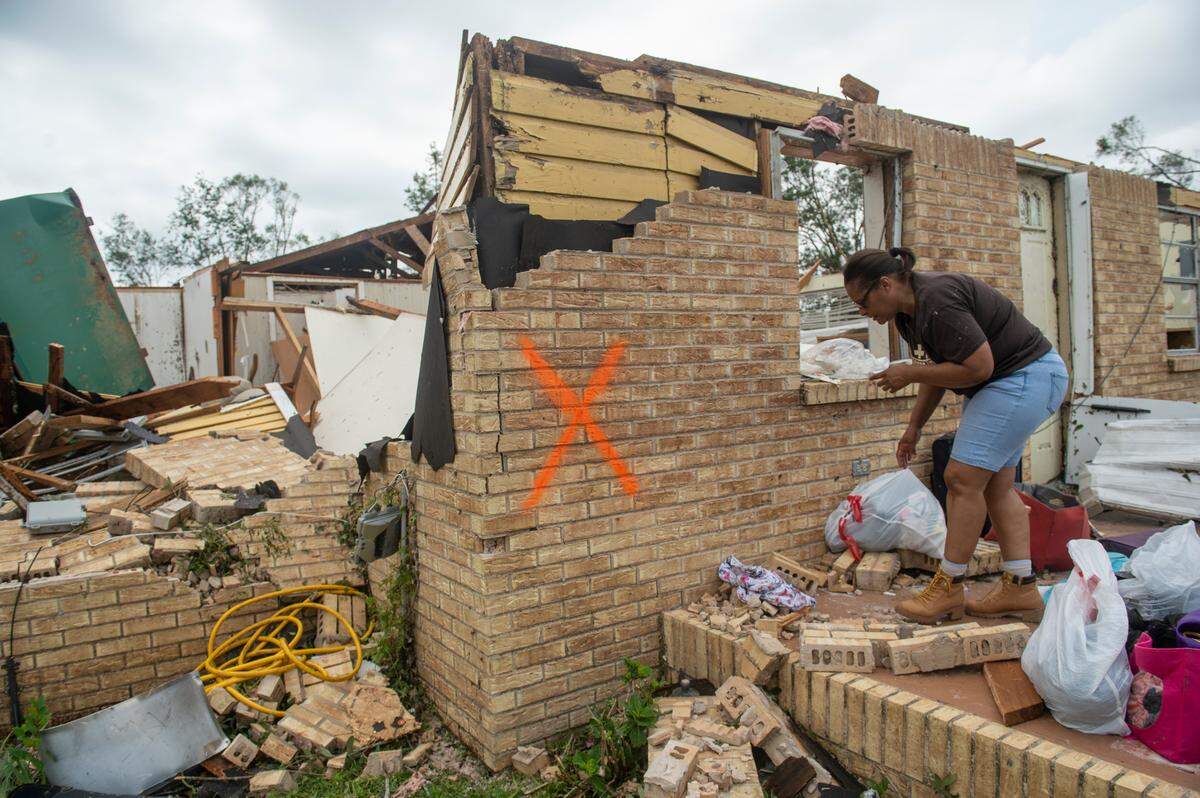
The Office of Community Planning and Development also manages a Community Development Block Grant program not tied to natural disasters. That money is used for infrastructure, health care, food insecurity and housing, and is sent to cities based on how many low-income residents live there.
That program and others managed by the office have promised a combined millions of dollars to Gulfport, Biloxi, Pascagoula and other cities across the Mississippi Coast.
Cork said the Mississippi Development Authority was still waiting on guidance for those grants but believes they will be similarly modified to comply with Trump’s executive orders.
“That gives us more flexibility, not less,” he said.
New questions in South MS
It is unclear how staffing cuts could change disaster recovery in Mississippi several years from now. Cork did not speculate on the impact of staffing cuts on future funding but said he was optimistic the federal government would keep funding disaster recovery.
The reported cuts raise several questions about recovery from future storms, said Paige Roberts, chair of the Jackson County Long Term Recovery Committee.
Those questions are more urgent in communities that are not well insured.
“It’s just a fear of the unknown,” said Roberts, who is still working on recovery in Moss Point after a tornado hit two summers ago. “I’m cautiously optimistic that we will keep moving forward.”
The big question, Roberts said, is whether the government is cutting the right amount. Communities across the Gulf South have long said the federal government takes too long to send money to states after disasters and encouraged more efficiency. Others have said cutting too many people could make the process even slower.
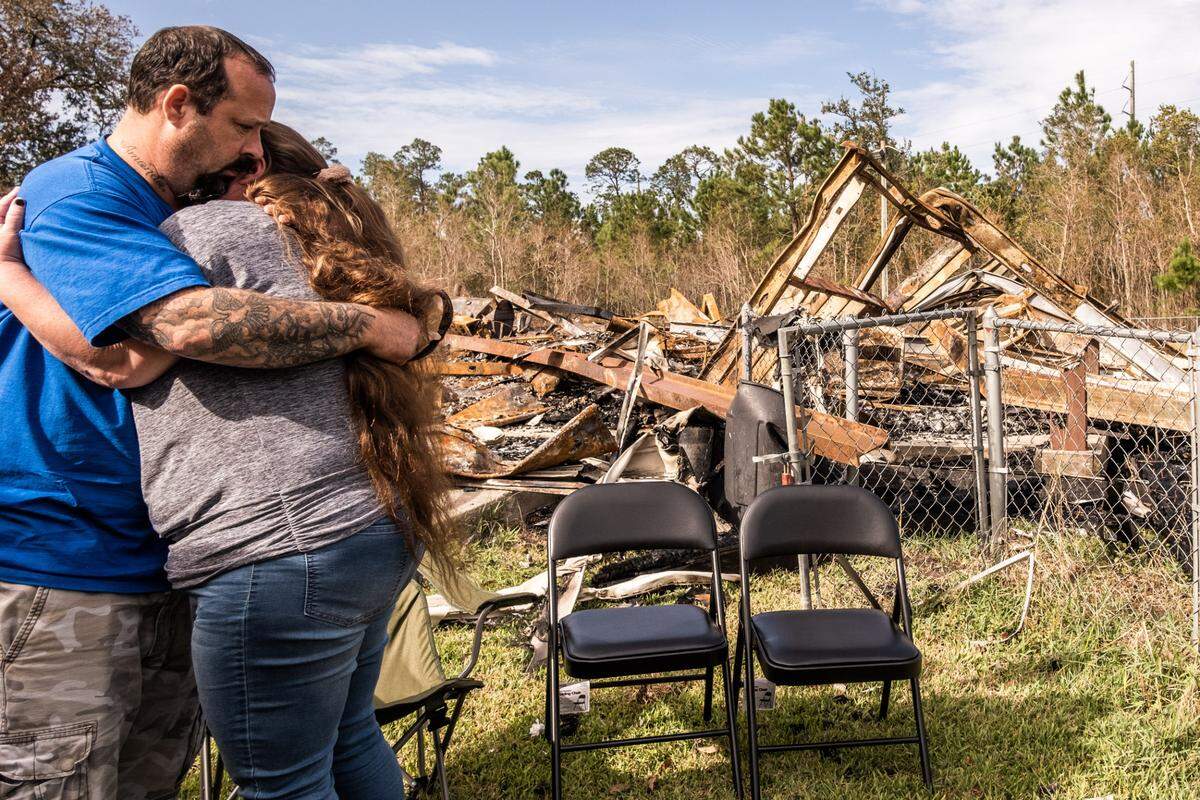
Hancock Resource Center President Rhonda Rhodes said her nonprofit used some of the disaster relief money to build homes after Katrina. The process was cumbersome, she said, because there were so many rules and regulations.
“It doesn’t matter how many jobs you eliminate,” Rhodes said. “If you don’t streamline the process, it’s not going to address the problem.”
Next steps
Roberts said Moss Point still has tornado damage not covered by FEMA, fundraising or insurance. The city is eligible to apply for some of the millions recently allocated to Mississippi for long-term recovery.
She said delays or disruptions to funding in the future could prompt the Long Term Recovery Committee to find new places to get money, manpower and materials to rebuild.
Jackson County Emergency Services Director Earl Etheridge said it was hard to tell if the Trump administration’s reported cuts would help or hurt disaster relief without knowing the federal government’s next steps.
“Are there plans elsewhere to take these kinds of programs that impact local cities and communities and people and coordinate them through FEMA?” he said. “I would like to know what the further plan is.”
This story was originally published February 24, 2025 at 5:00 AM.