Judge weighs important change in Bay St. Louis after-prom mass shooting case
AI-generated summary reviewed by our newsroom.
- Judge considers defense request to move trial due to extensive pretrial publicity
- Defense cites social media and local coverage as barriers to impartial jury selection
- Judge polled local voters and noted population change may affect case awareness
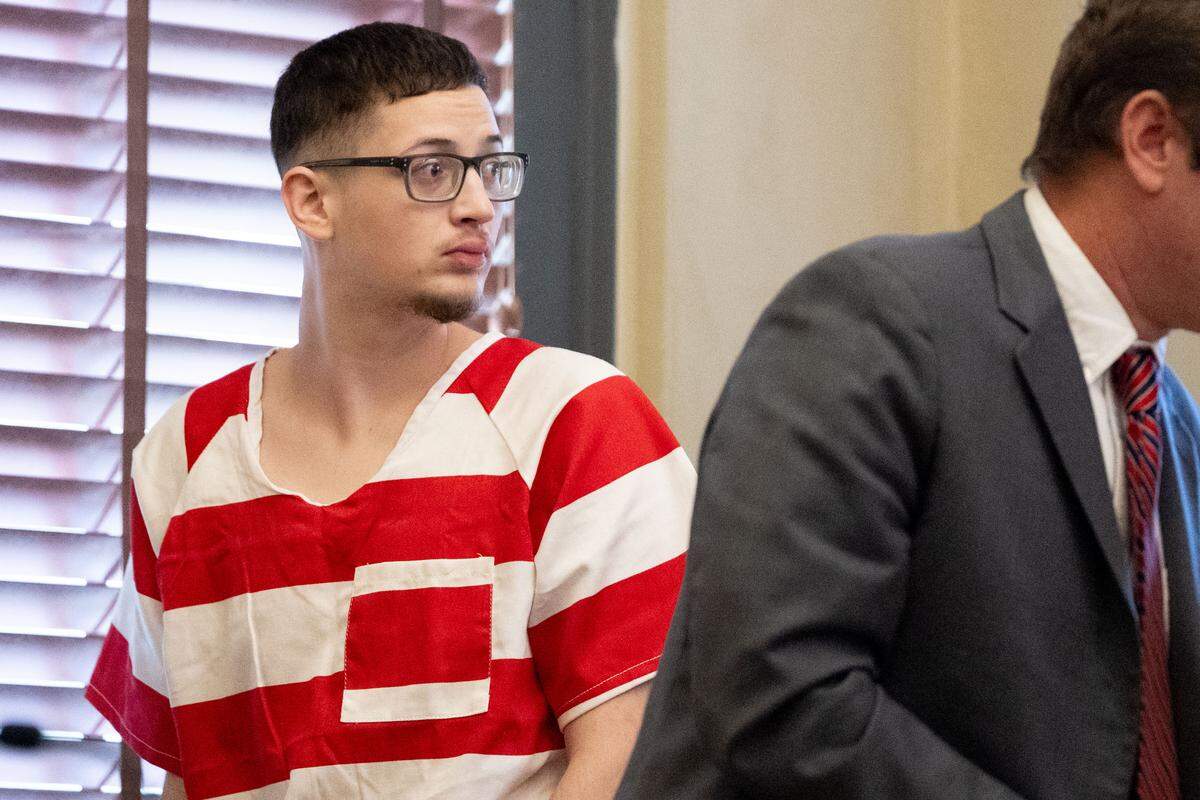
For the first time since his indictment on murder and assault charges in a mass shooting at an after-prom party in Bay St. Louis, accused killer Cameron Brand was back in court.
Brand appeared in Circuit Court earlier this year for a pre-trial hearing to determine whether to grant a request from Brand’s attorney, Lee Russell, for a change of venue for the trial, preferably to somewhere north of Jackson.
The defense argued that pre-trial publicity would make it impossible to find an impartial jury for Brand’s trial on two counts of first-degree murder and four counts of aggravated assault.
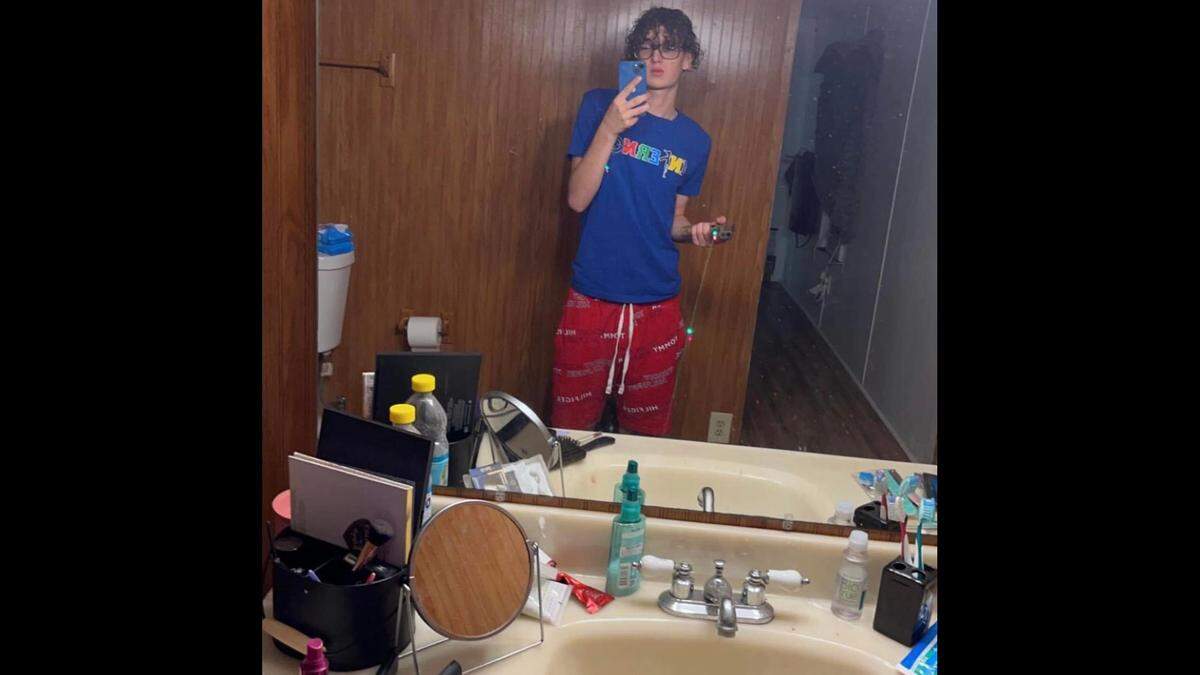
Brand, now 20, of Pass Christian, is accused of killing two students and injuring four others, all between the ages of 15 and 18, during the April 30, 2023, party.
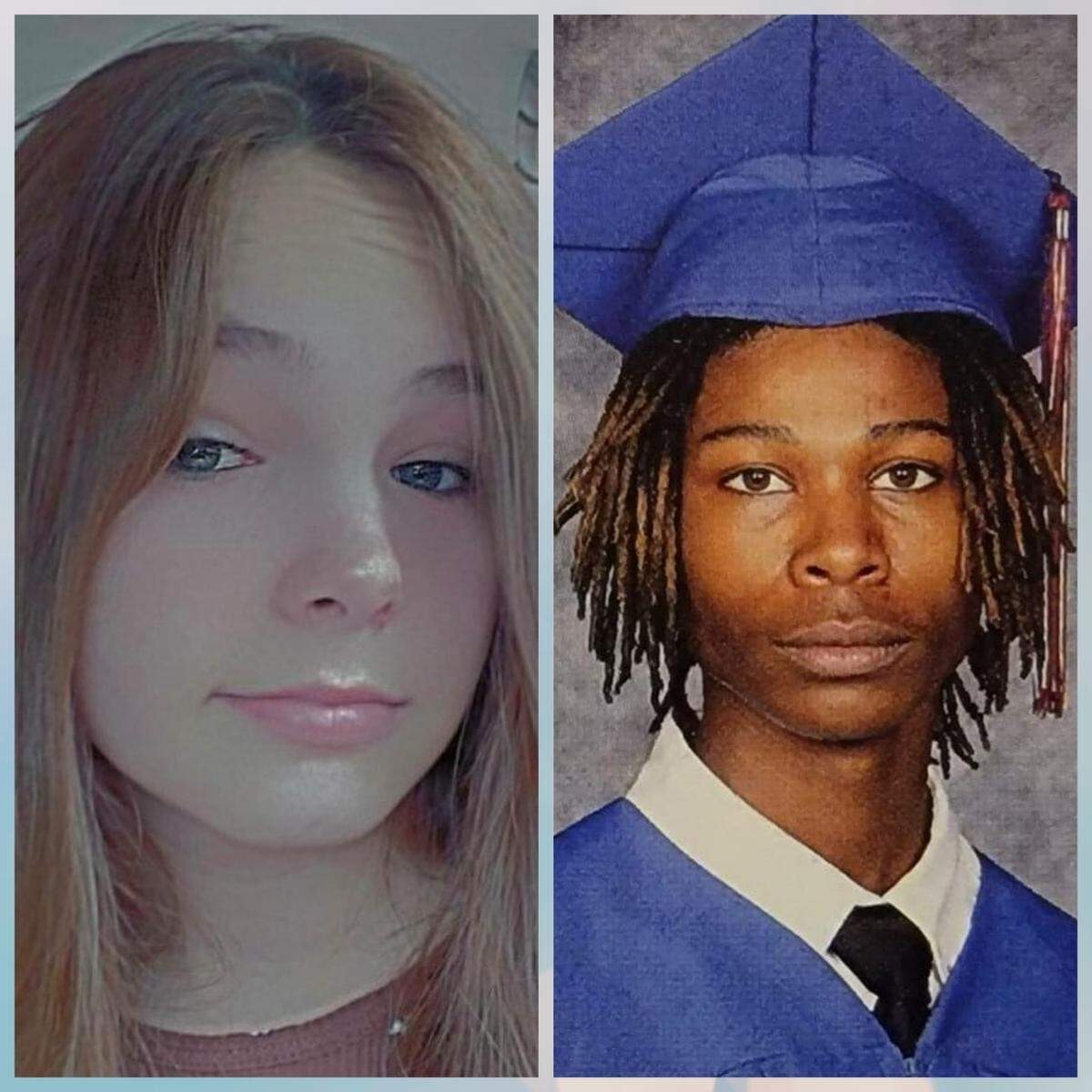
Da’Arreis “DD” Smith, 18, of Pearlington; and Haeleigh Stamper, a 16-year-old Diamondhead resident and native of Lexington, Kentucky, died in the shooting.
After the crime occurred, Russell pointed out that investigators left out key factors in the crime that law enforcement did not release in the aftermath of the shooting, including that one of the two students killed had been armed with a semi-automatic shotgun at the time of the shooting and had previously made threats against Brand.
At the hearing, Russell argued that Brand could not receive a fair trial in Hancock County because of the extensive pre-trial publicity across multiple platforms, including television broadcasts, in print and online news articles, and social media.
The coverage and social media remarks highlighted the negative community sentiment toward Brand after the crimes occurred.
Russell emphasized that it shouldn’t fall on the defense to “mitigate through testimony” the effects of what jurors may have seen or heard online.
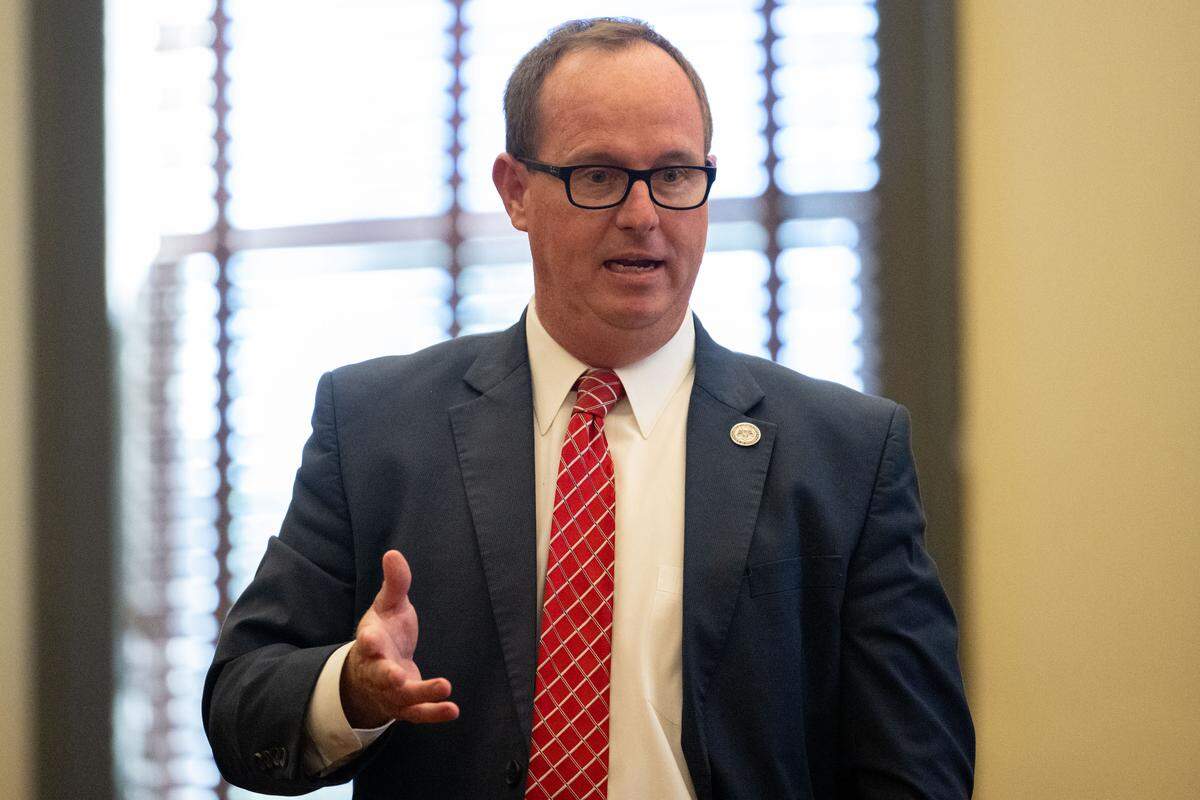
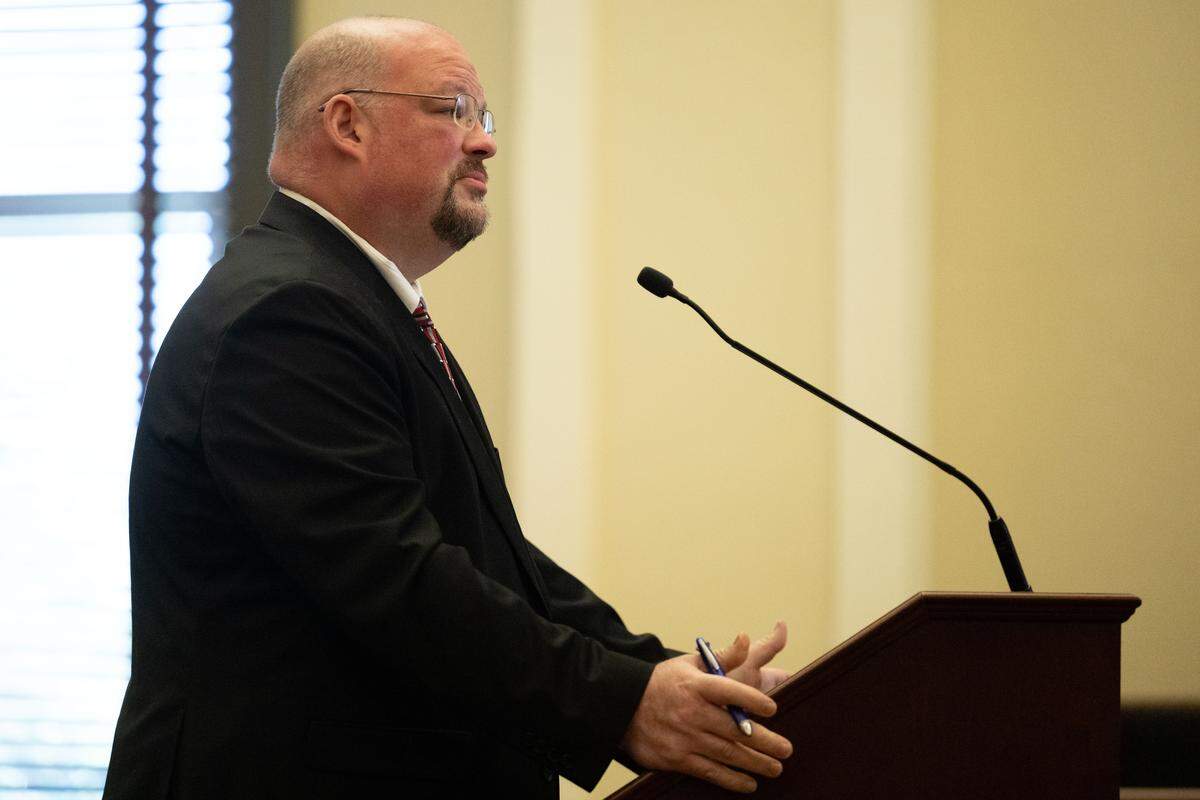
District Attorney Crosby Parker and Assistant District Attorney Jeremy Necaise argued that an impartial jury could be picked from the over 37,000 registered voters in Hancock County.
During the hearing before Circuit Judge Christopher Schmidt, the judge, prosecutors, and the defense attorney polled 15 randomly selected voters in Hancock County regarding their knowledge of the case and whether they felt they could set aside what they may have heard and listen to the evidence at trial to reach a verdict.
The majority said they had heard something about the case when it happened on social media, on news sites, and from people in the community affected by the crimes.
Others who had moved to the area said they had no knowledge of the crime whatsoever.
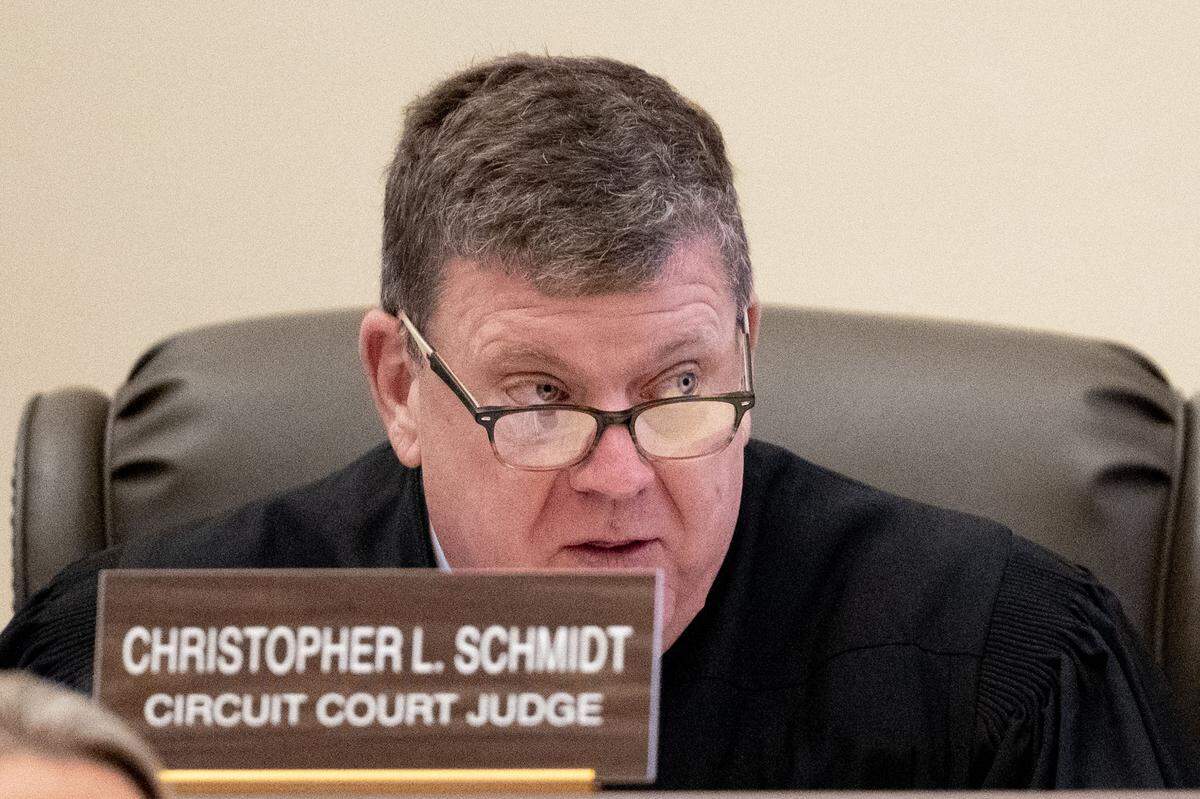
In response, the court acknowledged the pre-trial publicity in the immediate aftermath of the crimes but also noted surprise that a number of the voters polled had no prior knowledge of the case at all.
The judge speculated that this may be due to changes in the local population over the years, including new residents moving into the area from New Orleans and elsewhere after Hurricane Katrina and the COVID-19 pandemic, which has brought in people less connected to local news in Mississippi.
The judge has not yet ruled on the venue change, but the trial is still set to proceed in Hancock County pending any new ruling prior to the trial set in February.
This story was originally published December 23, 2025 at 12:45 PM.