Attorney reveals new info on South MS mass shooting in hopes to move trial
AI-generated summary reviewed by our newsroom.
- Defense lawyer seeks venue change, citing local bias and media coverage.
- Filing reveals new claim about threats to mass shooter.
- Brand faces two murder, four assault charges in 2023 Bay St. Louis shooting.
READ MORE
Bay St. Louis after-prom mass shooting
Read the Biloxi Sun Herald’s prior coverage here
Expand All
In his effort to move the trial of an accused Mississippi mass shooter, the defense attorney argues that key information about the crime never came out — omissions he says could mislead potential jurors and prevent a fair trial in the current venue.
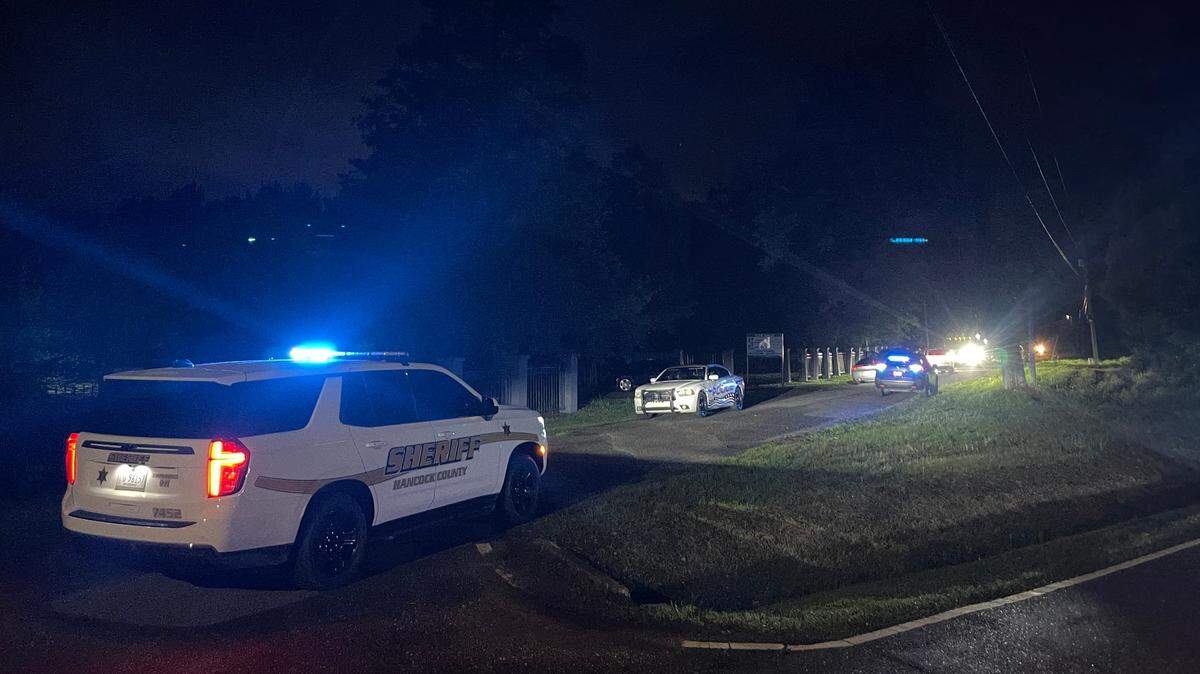
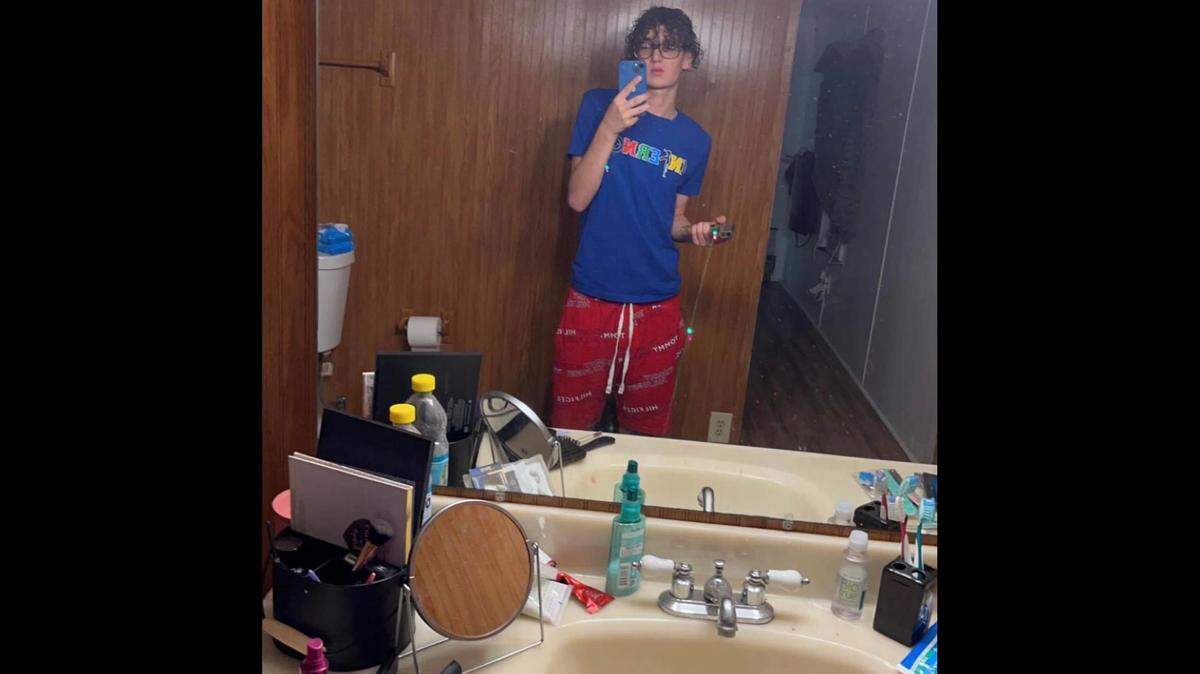
Cameron Brand, the Mississippi Coast man charged in a mass shooting in Bay St. Louis that killed two high school students and wounded four others wants his trial moved to another venue outside Hancock County, preferably north of Jackson, according to new court filings in the case.
Brand’s attorney, Lee Russell, stated in new court filings that pretrial publicity would make it impossible to find an impartial jury for his client’s trial on two counts of first-degree murder and four counts of aggravated assault.
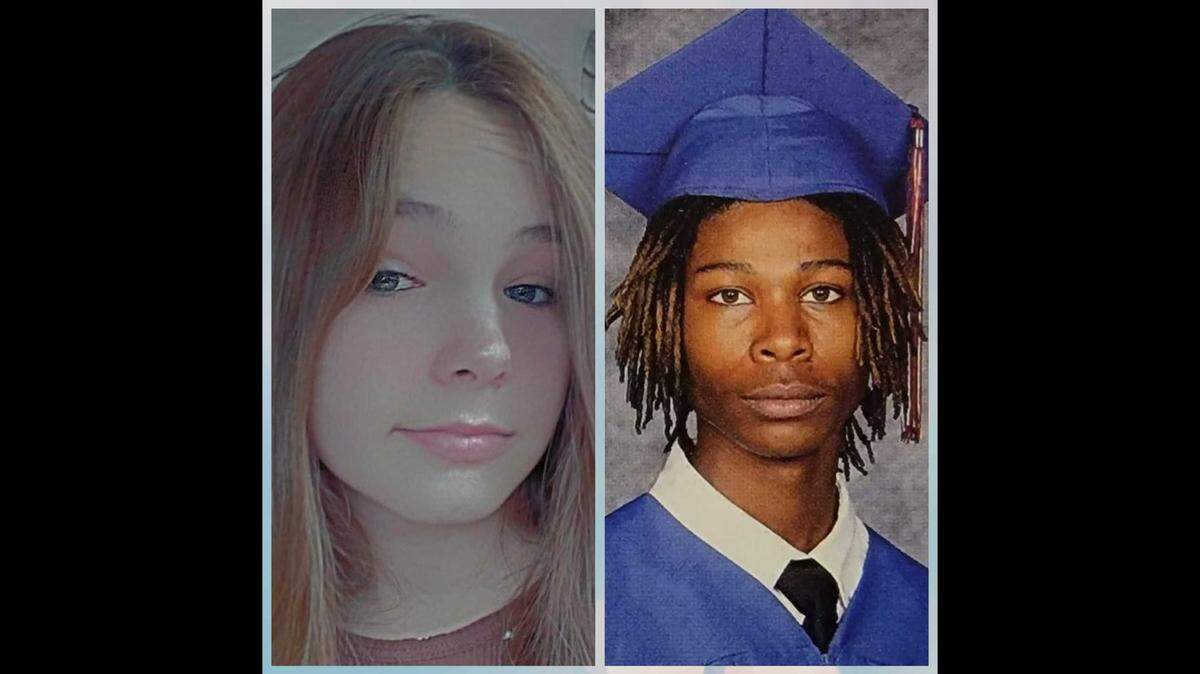
Brand, now 20, of Pass Christian, is accused of opening fire at an after-prom party in Bay St. Louis in April 2023, killing two students and injuring four others, all between the ages of 15 and 18. Da’Arreis “DD” Smith, 18, of Pearlington; and Haeleigh Stamper, a 16-year-old Diamondhead resident and native of Lexington, Kentucky, died in the shooting.

In addition, attorney Russell said reports on the April 2023 shooting left out key factors in the criminal case against Brand, namely information that law enforcement did not release to the media in the aftermath of the shootings. It’s not uncommon for investigators to keep key information confidential pending prosecution of the case.
Chief among those details, Russell told the Sun Herald, is that one of the Mississippi high school students who died in the mass shooting was armed with a semi-automatic shotgun at the time of the shootings and had allegedly made threats against Brand before he opened fire on April 30, 2023.
The identity of the student allegedly armed with the shotgun is not identified in the new court filing, but instead refers to them as one of the shooting victims.
Those new details are the latest to come to light since Brand’s indictment in Hancock County on two counts of first-degree murder and four counts of aggravated assault.
Brand has remained jailed since his arrest at his home in Pass Christian after the shooting. He is accused of firing a succession of shots at the after-prom party at a home on Old Meadow Road.
The Sun Herald has reached out to Bay St. Louis Police Chief Alvin Kingston for additional information about the new allegations outlined by Brand’s attorney, but has not yet heard back.
Brand is set to go to trial later this year in Hancock County.
An impartial jury in Hancock County?
In the bid for a change of venue, Russell argues that there is already widespread bias in South Mississippi against Brand, which can be documented in various social media remarks often made under stories about the case.
The comments, described by the attorney as sometimes vulgar and threatening, included statements like, “What do you mean he allegedly did it...He doesn’t need to see the light of day ever again,’ or “He should be in (the Mississippi State Penitentiary at) Parchman (sitting on death row)“ followed by the reply, “I’ll provide the rope.”
Russell also included sworn affidavits from eight Hancock County residents saying that it would be impossible for Brand to receive a fair trial in Hancock County because of “prejudgment of the case by persons in the community, grudge and ill will toward Brand in the public mind.”
In addition, the filing includes copies of local, state and national reports about the mass shooting.
According to the eight-page filing, the attorney argues that Brand’s case has generated significant media attention across multiple platforms, including television broadcasts, in print and online news articles, and social media.

The defense refers to the media coverage as overwhelmingly negative and prejudicial, painting an unfavorable view of Brand that could potentially influence prospective jurors.
In addition, the filing refers to media reports as sensational, inflammatory, or inaccurate, further tainting the ability to find an impartial jury in Hancock County.
Witnesses recount terror
In the aftermath of the shooting, the Sun Herald has reported extensively about the crime and its aftermath, sifting through public records, conducting interviews, and more.
That coverage includes interviews with a teenager and her mother, who hosted the party where the shooting happened. The mother and daughter recounted their story to the Sun Herald. They did not want their names used because of the attention it would attract.
“We were having a good time,” the 18-year-old said, “until he started shooting. He just started shooting and left without remorse. ... The way he just got in his car and left and went home. He shot six innocent people.”
A crowd of 60-70 was there for the party, the pair said.
Neither heard any yelling or signs of an argument before the shooting.
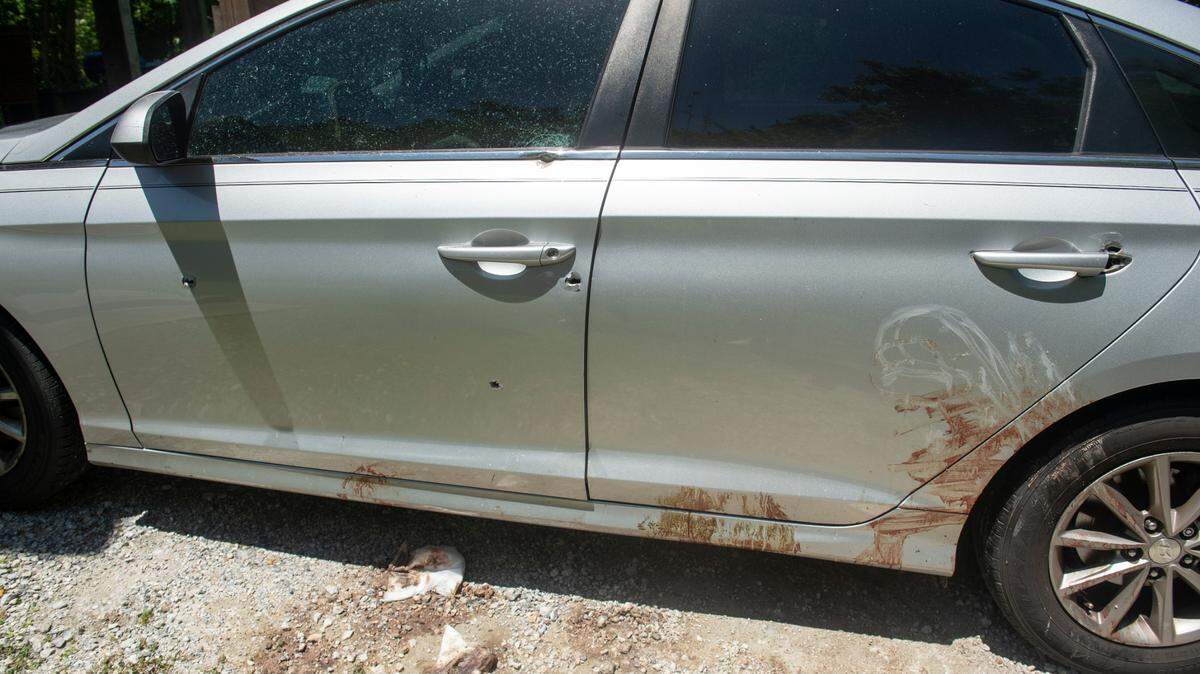
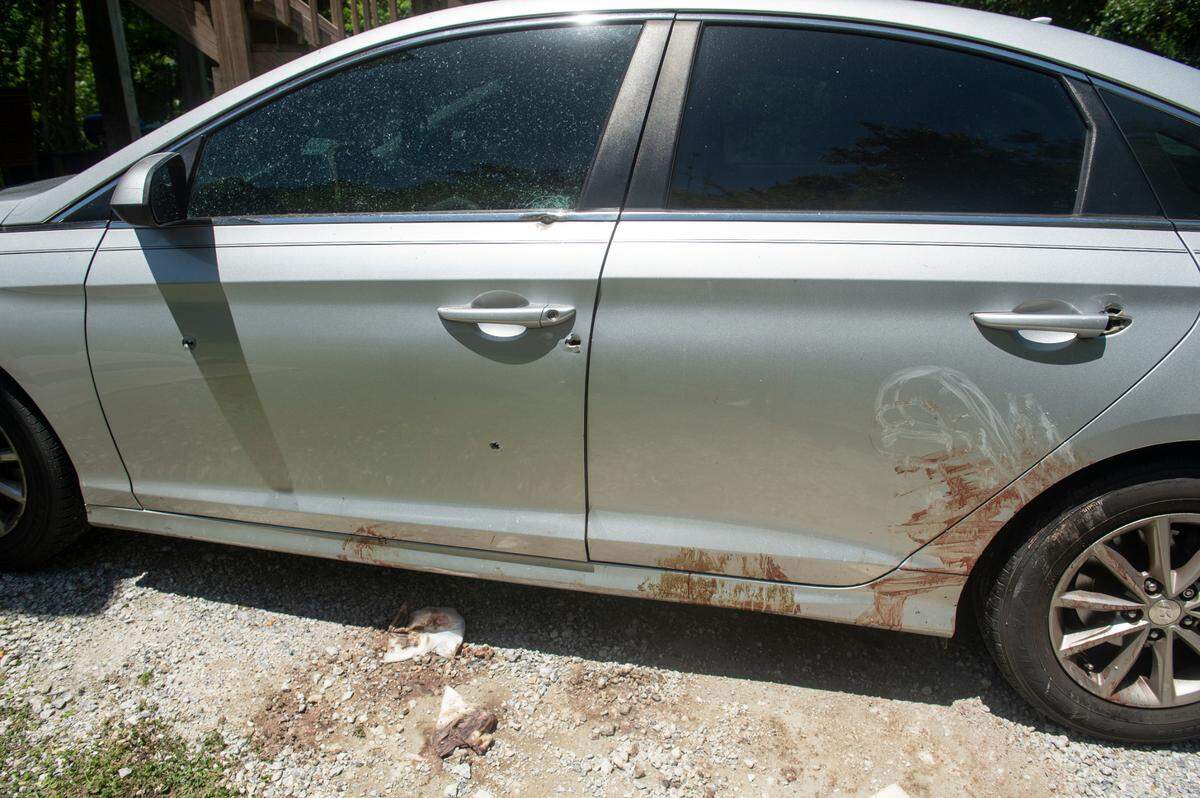
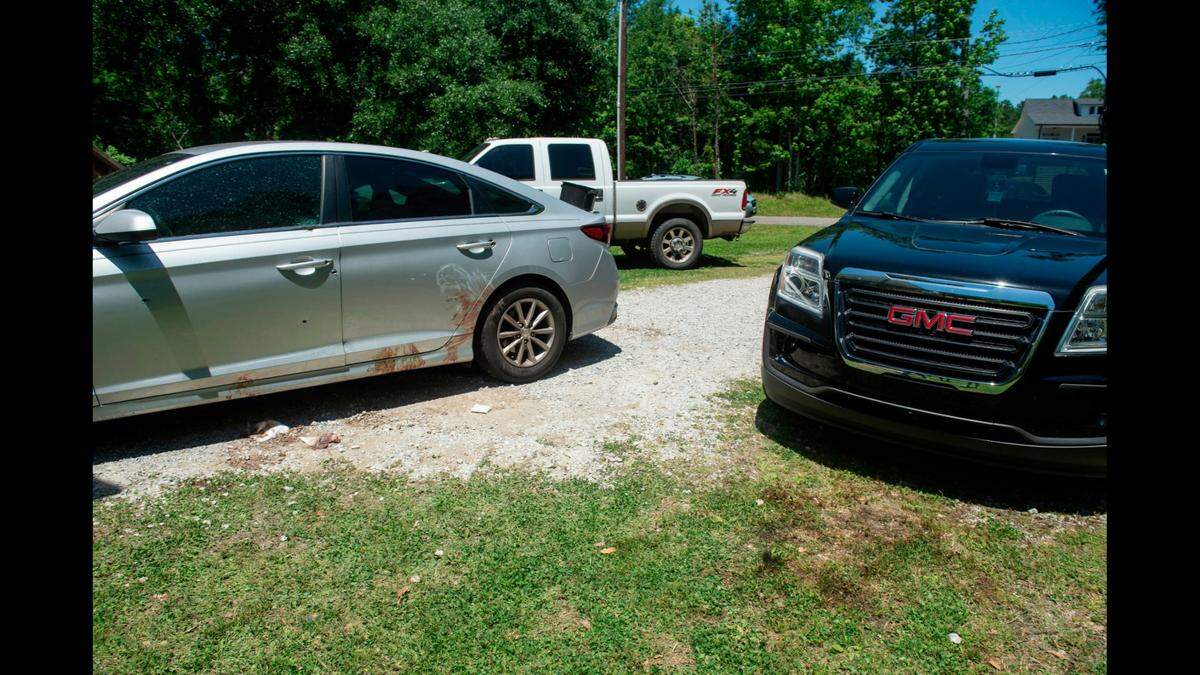
After the shooting, the mother’s car had six bullet holes in it, and blood stained the gravel driveway and grass at the home.
Since the shooting, friends and family have remembered those who died, describing Smith as a beloved senior at Hancock High School who loved music and looked forward to joining the military just weeks after graduating from high school.

At the time of Stamper’s death, she was a junior at Hancock High. She died despite friends’ efforts to revive her before one student picked her up and carried her to a car, where the student and others sped to the nearest hospital to try to save her and others injured in the attack.
Stamper and Smith died of their injuries at University Medical Center in New Orleans shortly after the shooting.
Before the mass shooting, Brand had a history of run-ins with law enforcement involving guns, drugs and domestic violence. That included a domestic violence conviction, according to police records obtained by the Sun Herald through public records requests.
Under federal law, anyone convicted of charges of misdemeanor or felony domestic violence is not allowed to buy or possess a firearm. But in Mississippi, officials routinely shy away from taking away guns from domestic violence offenders even after a conviction. That was the case for Brand.
This story was originally published July 24, 2025 at 10:27 AM.