‘Wasn’t safe for my brother.’ MS family fights for ‘justice’ in death of Black star athlete
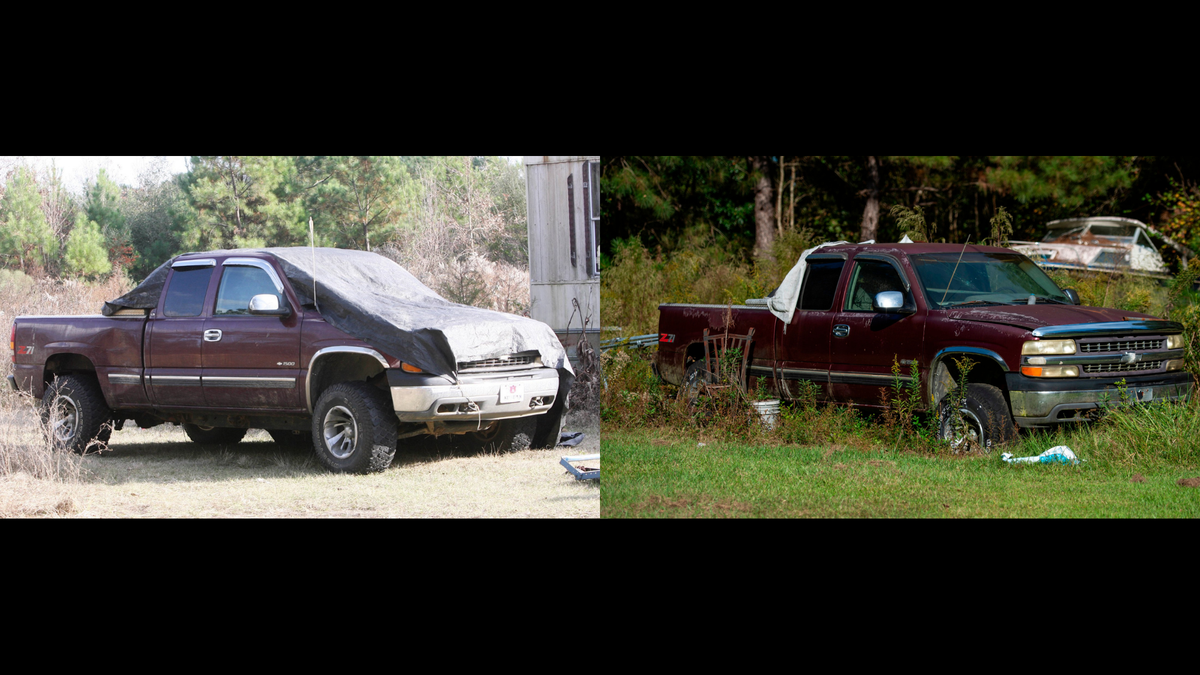
Thirteen years after a gunshot wound to the head killed Billey Joe Johnson Jr., the truck he was driving that day still sits in his father’s yard in rural George County, the keys in the ignition.
His father, Billey Joe Johnson Sr., is preserving it for memories and any shred of evidence that might be left if someone in law enforcement decides to reopen the investigation into the Black teen’s death.
“What we want to do is to get this back into the courts,” his father said when the Sun Herald spent time with the family at their home in the Benndale community. “I don’t think this was a thorough investigation. What we want to do is to get justice for my son.”
Questions about Johnson’s death and the investigation that followed are back in the spotlight in the Center for Investigative Reporting’s new Reveal podcast, “Mississippi Goddamn: The Ballad of Billey Joe.”
During a three-year investigation, Reveal host and journalist Al Letson and colleague Jonathan Jones uncovered flaws in the investigation that has prompted the family to call for further action.
A Black teen’s death in rural Mississippi
The star running back at George County High School died on the cold and brisk morning of Dec. 8, 2008, after sheriff’s Deputy Joe Sullivan, who is white, pulled him over for allegedly running a stop sign and traffic light.
The deputy said he was in his patrol car checking Johnson’s license when he heard a gunshot and glass falling and saw Johnson on the ground outside his truck.
The gunshot came from the 12-gauge shotgun Johnson had in his truck.
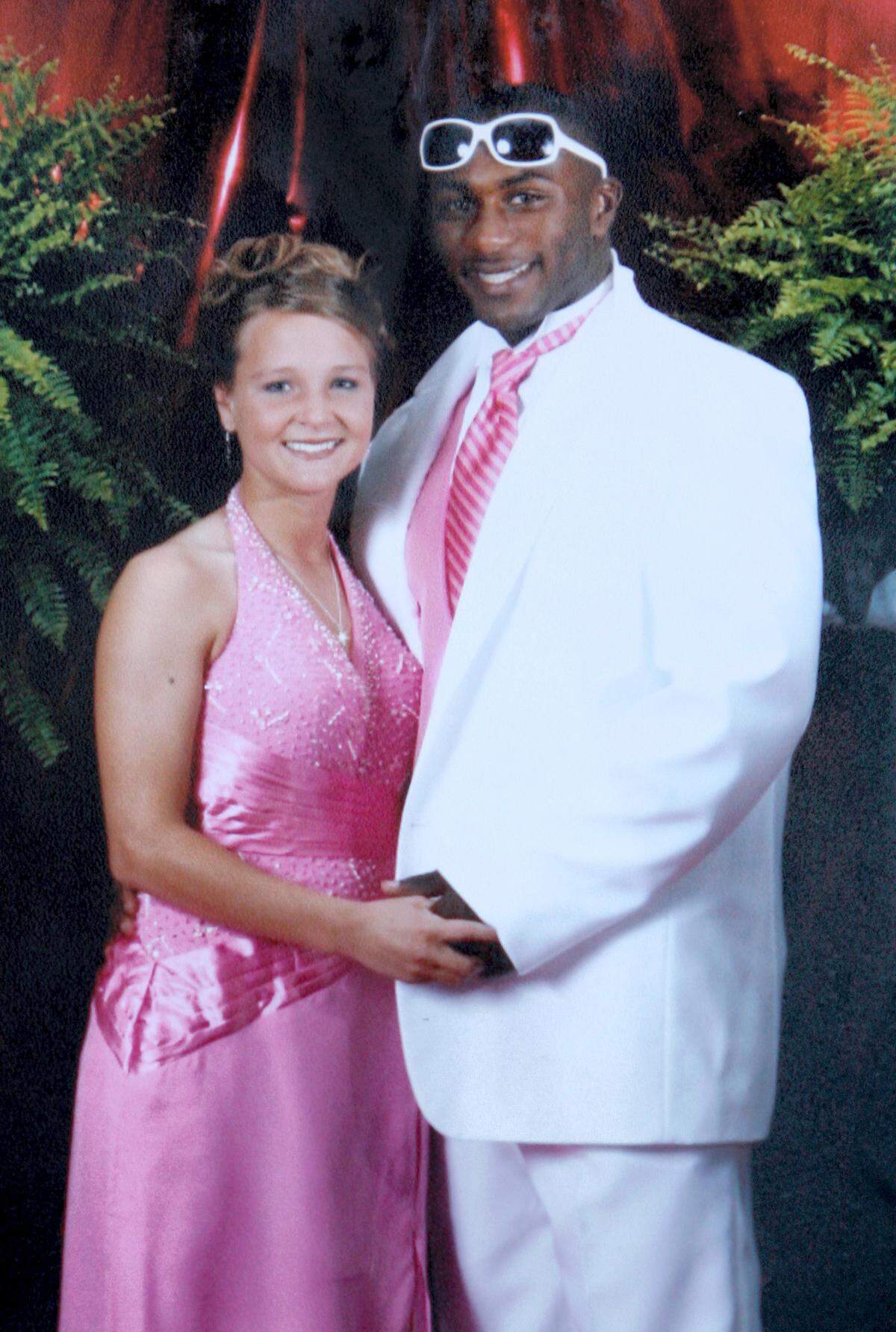
At the time of his death, Billey Joe Jr. was in an on-again, off-again relationship with a white classmate, Hannah Hollingshead, then 17. She now goes by her married name, Hannah Calloway.
Just before the stop, Johnson stopped by the home of his girlfriend’s father, as he had many times before after her father left for work.
When Billey Joe Jr. knocked on the door and later a bedroom window, his girlfriend called her mother to say she thought whoever was banging on the door and window was trying to break in.
Her mother called 911 to report it, and minutes later, Sullivan pulled Johnson over after chasing him for more than a mile.
In a matter of minutes, the teen died of a gunshot wound to the head, his body lying face-up on the concrete. Blood from the wound seeped onto the pavement beneath him.
The stop happened on Highway 26 in Lucedale, a heavily-traveled road in the heart of the old logging community of about 3,000 residents, 97% of whom are white.
The way the investigation was handled is something that still haunts Johnson’s family and many in the Black community because they don’t believe what authorities say happened to the athlete in a state long known for its white supremacy and racial injustice.
Sullivan wrote in his report that he was at his patrol car when he heard a gunshot and breaking glass and then saw Johnson on the ground outside his truck with a shotgun on top of him.
The deputy involved in the investigation did not speak to the Reveal reporters despite their attempts to reach him.
The state’s administrative office of the courts issued a statement on behalf of then-District Attorney Tony Lawrence after the Sun Herald reached out to him for comment.
Lawrence is now a judge in the state court of appeals.
“As a sitting appellate court judge and pursuant to the Code of Judicial Conduct and the Rules of Professional Conduct, Judge Lawrence cannot make any statements,” the statement said.
“When Judge Lawrence left the District Attorney’s office in January 2019, any files or information relating to this matter were retained by the Office of the District Attorney as well as independent state and federal investigative agencies.”
‘It wasn’t safe for my brother’
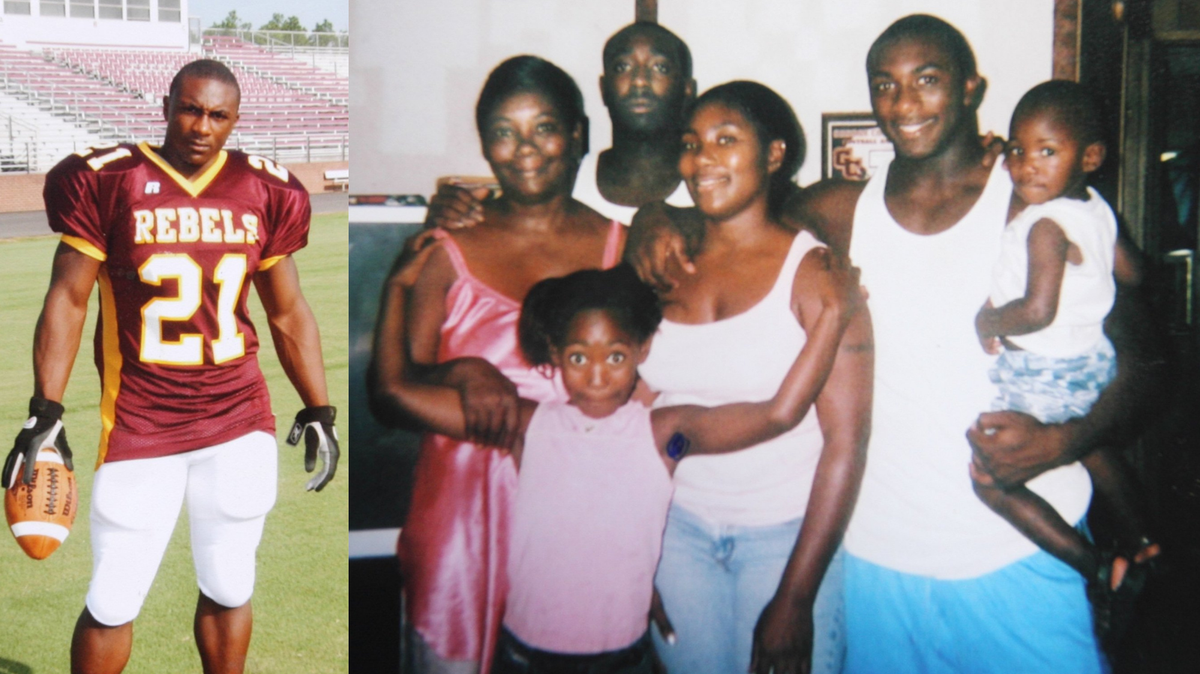
When Billey Joe Jr. died at the age of 17, he left behind his father and mother, Annette, sisters Tiffanie and India, brother Eddie and a host of other relatives and friends.
“That was one of the worst days of my life,” his brother, Eddie Bradley, said. “I just wish, I just wish, I could turn back the hands of time. I wish I had more time with him. I wish I would have told him to leave that girl alone because I always knew there has been prejudice where I was. I always knew it wasn’t safe for my brother, but I just never expected this.”
Initially ruled a suicide, a grand jury later determined the only plausible explanation for Johnson’s death was that Billey Joe died of an accidental shotgun wound to the head during the traffic stop.
The shotgun belonged to Billey Joe. He used it for hunting and had it in the cab of his truck that morning. The grand jury felt like Billey Joe had likely been reaching for the gun to possibly unload it when it accidentally discharged.
Billey Joe’s father also questions the notion that his son accidentally shot himself. He said he had taught his son from the time he was a young boy first learning to hunt to never leave his weapon loaded.
In addition, he said he doesn’t believe the shotgun, with the kick it had when it fired, would have landed on top of his son’s body if the shooting happened the way authorities suggested it did in either scenario.
Prosecutors present evidence to the grand jury and witnesses testify. Included in that grand jury presentation was a computer-generated image of how authorities felt Johnson had died of a self-inflicted gunshot wound.
The family never believed law enforcement’s version of events. But for the first time in more than a decade, the family is hoping they have a real shot at a renewed investigation because of flaws in the investigation unveiled in the ongoing serial podcast.
The Reveal reporters uncovered various inconsistencies and other issues in their investigation, including conflicts of interest among investigators and prosecutors on the case along with troubling autopsy findings and an apparent failure by authorities to corroborate witness statements, follow up on leads and more.
Sullivan, for example, told authorities at the time of the shooting that he was not related to anyone in the county, but it turns out the deputy’s sister-in-law was an assistant district attorney at the time in the same prosecutor’s office investigating the case.
In addition, Billey Joe Jr.’s then-girlfriend initially told investigators that she hadn’t seen or talked to him for at least two weeks. But in a follow-up interview, she told authorities she had seen Billey Joe Jr. three days before his death when they reportedly had a heated exchange during which she alleged Billey Joe Jr. hit her.
Johnson’s family disputes any claims about Johnson allegedly hitting his former girlfriend, something she told MBI Special Agent Joel Wallace, the chief investigator in the shooting.
Johnson’s former girlfriend could not be reached for comment.
‘If you cross this line, I’ll shoot’
As soon as Billey Joe Johnson Sr. learned his son was dead, he loaded up his family in his pickup truck and drove to the crime scene.
From the moment the family got there, Johnson Sr. said he felt like authorities treated him, his family and other Black residents who had started to gather nearby like outsiders, unlike their white counterparts.
The crowd of Black residents swelled to over 100 people, but they had to stand down a hill from the crime scene.
The elder Johnson and his wife had started to head to where their son’s body was when Johnson said a state trooper told them they couldn’t cross a certain line on the ground because that area was considered a crime scene.
The grieving father said he felt like he and his wife had the right to see firsthand what had happened to their son before his body was moved.
Instead, the Johnson family had to stand back and watch as the high school’s white football coach, Al Jones, and another school district employee walked around the crime scene.
Jones later positively identified the remains as that of the young athlete.
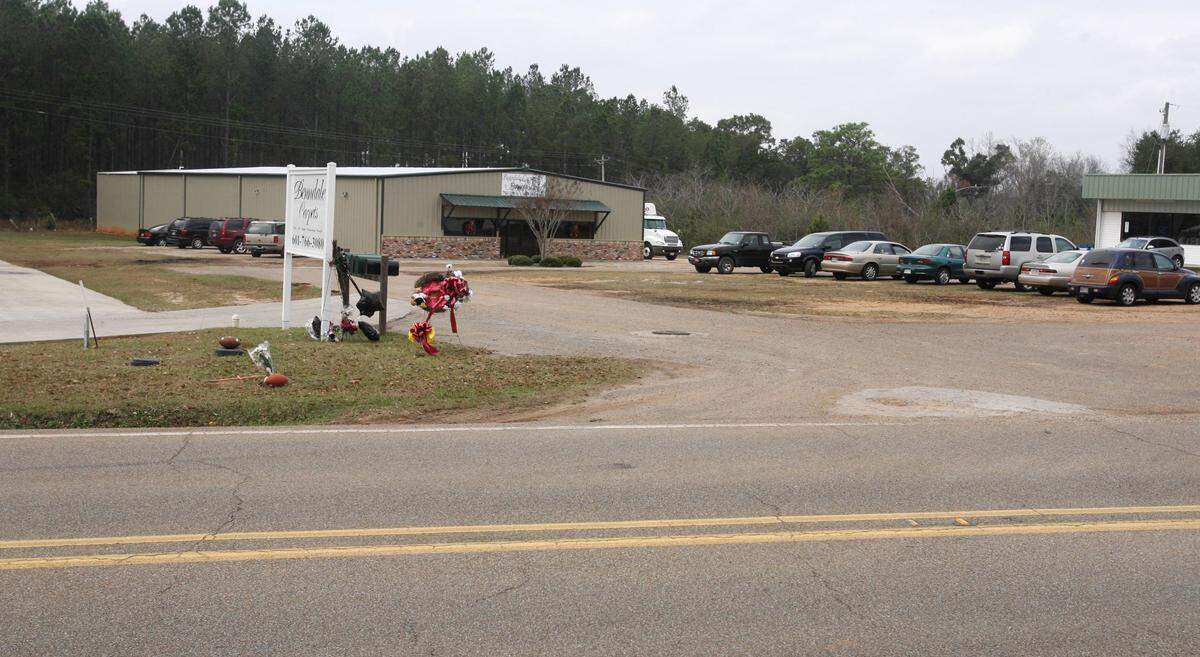
Authorities said at the time they let Jones identify Billey Joe Jr.’s remains because they felt like it would be too hard on the parents to see their son like that.
Johnson Sr. has never been able to accept that reasoning.
“The way I see it, they did me real wrong by not letting me go up there and see my son,” he said. “When I did get back home, my mind was really messed up.”
Nothing about his death made sense
A large oak tree sits near the Johnson family home in rural Benndale.
After Billey Joe Jr.’s father left the scene of his death, he said he later ended up outside sitting in the rain under that big tree just trying to figure what had happened and telling himself, “This is not true. This is not true.”
For about a month, Johnson Sr. found it impossible to sleep.
He kept thinking about how his son was happy and looking forward to playing football on a scholarship at Auburn University, with plans to play professional football in the future.
He couldn’t let go of how authorities were trying to paint his son as suicidal when Billey Joe Jr. had just texted a friend that morning about attending an awards banquet honoring him later that night.
“Nothing made sense,” he said.
India Johnson was the last in her family to see Billey Joe Jr. alive that day.
He woke her up before dawn and gave her a small black wooden cross that he had that she had always wanted. He was smiling and happy and told her he loved her before he left that morning.
The family said he showed no signs of depression, though they say authorities never really questioned them and others about his disposition at the time.
“Why would he be depressed when every college in the United States wanted him?” India Johnson added. “He was happy. He always wanted to go to Auburn and he was going. He wasn’t depressed. He was happy.”
The young football star was incredibly close to his mother and was already telling her that once he started playing professional football, he’d buy her a big brick home one day so that she and his dad would never want for a thing.
The family wouldn’t see their son’s remains until days after his death when his body was sent to a funeral home.
“You know, this here really messed me up,” Johnson Sr. said.
His wife, Annette, struggled for years until her death from a massive heart attack in 2014.
After losing her baby boy, Johnson Sr. said his wife mostly stayed in her room, crying and watching the same video replay of her son playing football.
“She got to where she just couldn’t hardly take it,” her husband explained. “Every time I would leave the house and go somewhere and I (would) come back, she’d be in there watching that (sports) movie and this was going on for years.
“Her heart just couldn’t take it. I would take her to the boats (casinos) to try to relax her mind, but she just wanted to come back home and she just started crying. This went on for years after this happened until her death.”
Her family blames her death on a broken heart. She died at the age of 45.
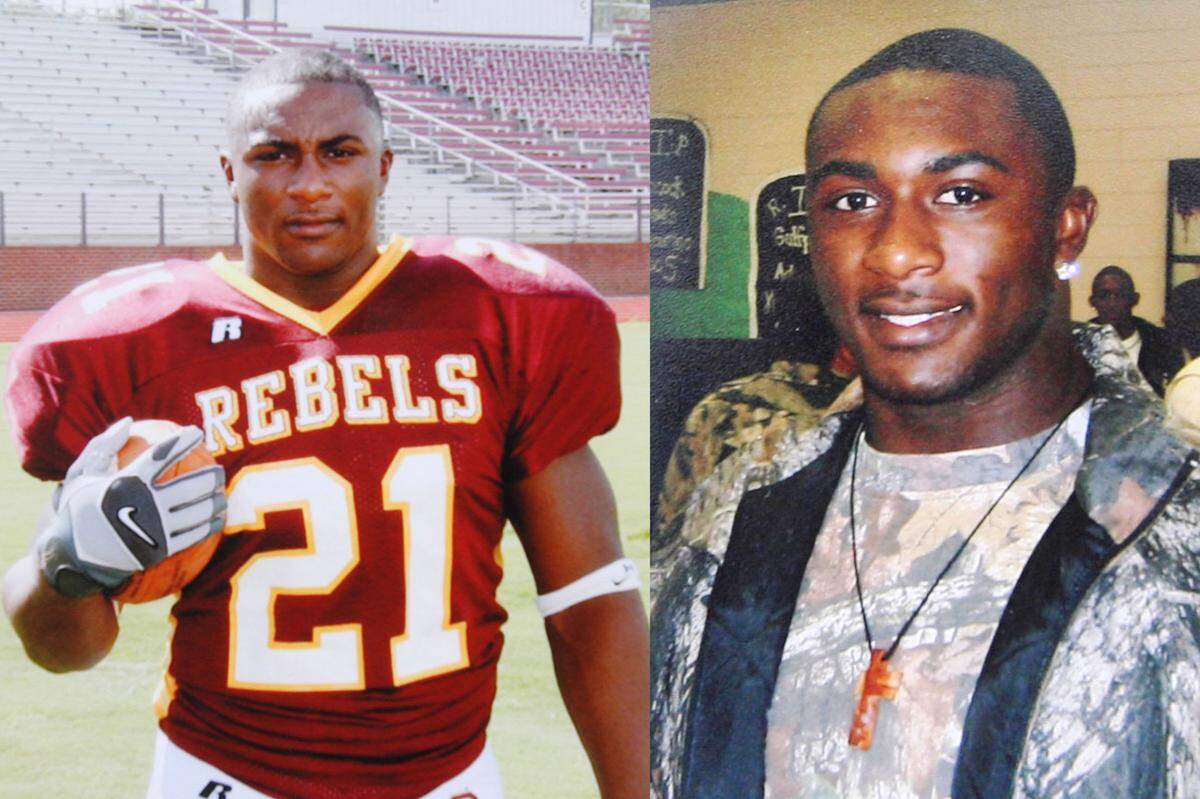
Now, Billey Joe Jr. and his mom are resting next to one another in unmarked graves in rural George County.
Johnson Sr. said he never wanted to get a headstone and concrete overlay in case the day came that someone wanted to exhume his baby boy’s body to try to find out more about what happened to him.
“You know, I just want justice for my son,” Billey Johnson Sr. said.
A family’s fight for the case files
For the Johnson family, trying to get more information about what happened to Billey Joe Jr. wasn’t easy.
Billey Joe’s eldest sister, Tiffanie, made it her mission to get all of the investigation material after they were denied the information by the District Attorney’s Office.
The family cooked and sold fish plates for a month until they raised $1,000 to get help from a Jackson attorney. The family would obtain the information authorities had, including DVD recordings of witness interviews and statements.
The family for years had dealt with reporters who would come in and out of their lives promising to help them, but nothing ever came of it. Tiffanie, though, would eventually share the information she gathered with Letson for the podcast.
For the Johnson family, the question now is who in law enforcement is willing to take a deeper look into what happened to the star athlete, brother, friend and mentor to many.
“Everybody in the community loved him,” India Johnson said. “First, they said he shot himself. Then, they said it was accidental. We don’t see any of that. It’s just not possible.”