4 Mississippi Coast cases involving police brutality or questionable deaths of Black men
Over the last 25 years, cases of alleged criminal wrongdoing by law enforcement officials on the Coast have brought Black communities together in a call for justice.
Coast residents and the NAACP have asked authorities to pursue criminal charges against police officers who have shot and killed or injured Black residents without justification.
A majority of killings did not result in any criminal charges, but others did. In one case, officers were convicted on federal charges in the killing of a man at the Harrison County jail.
Some of the cases took years to prosecute, but resulted in no criminal conviction.
Here’s a look at a few of the cases:
Marcus Malone
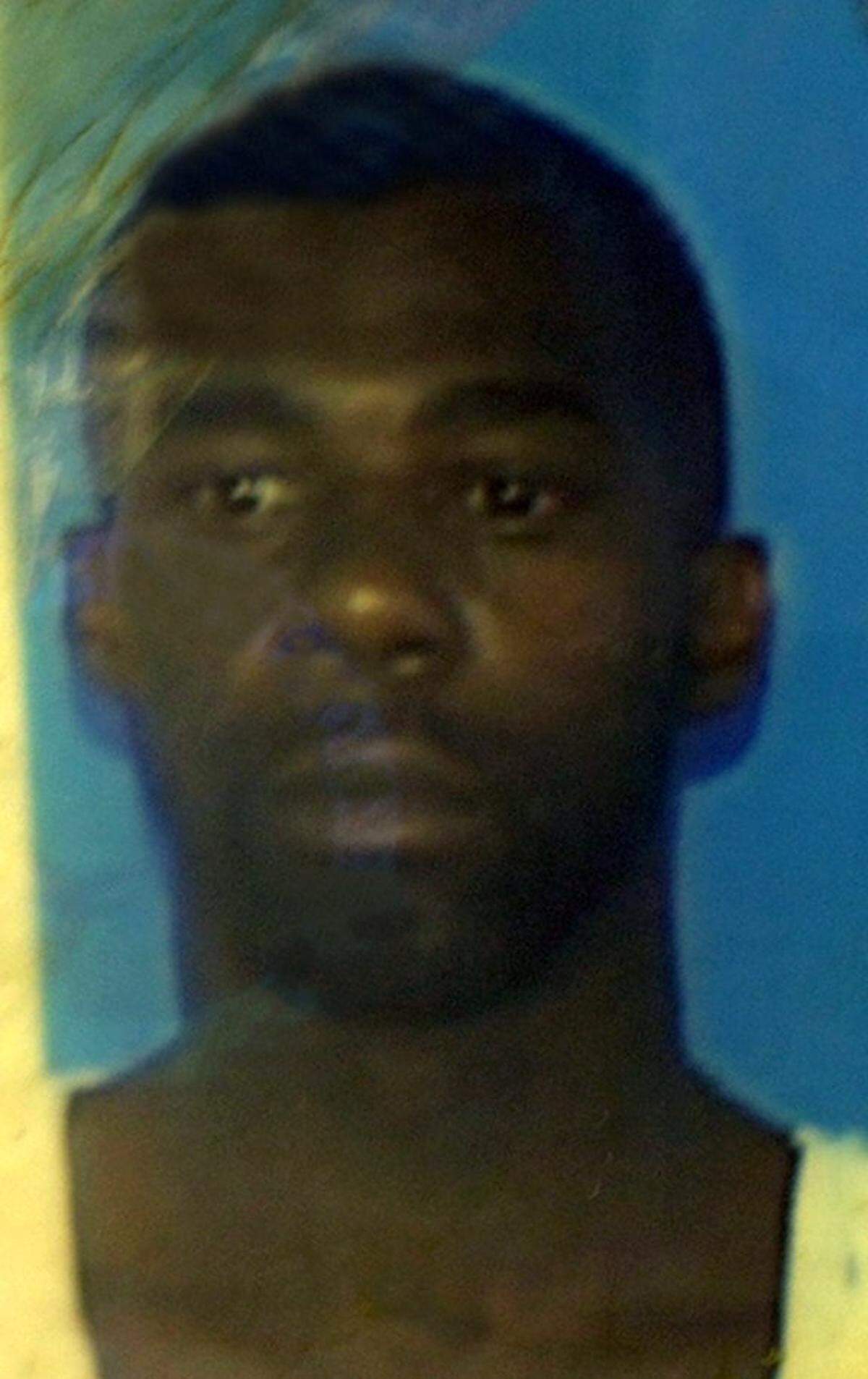
In 1999, the NAACP and Coast residents demanded an investigation into how Marcus Malone died in police custody.
It took two years, two autopsies and ongoing demands for criminal action before a Jackson County grand jury indicted three white police officers on manslaughter charges in the Sept. 13, 1999, death.
Malone, 32, was found dead in a jail cell two hours after then-Moss Point Police reserve officer Steve Strickler stopped him for driving with a broken taillight. Also indicted were then-Moss Point police officers Chris Weeks and Derrick Welton.
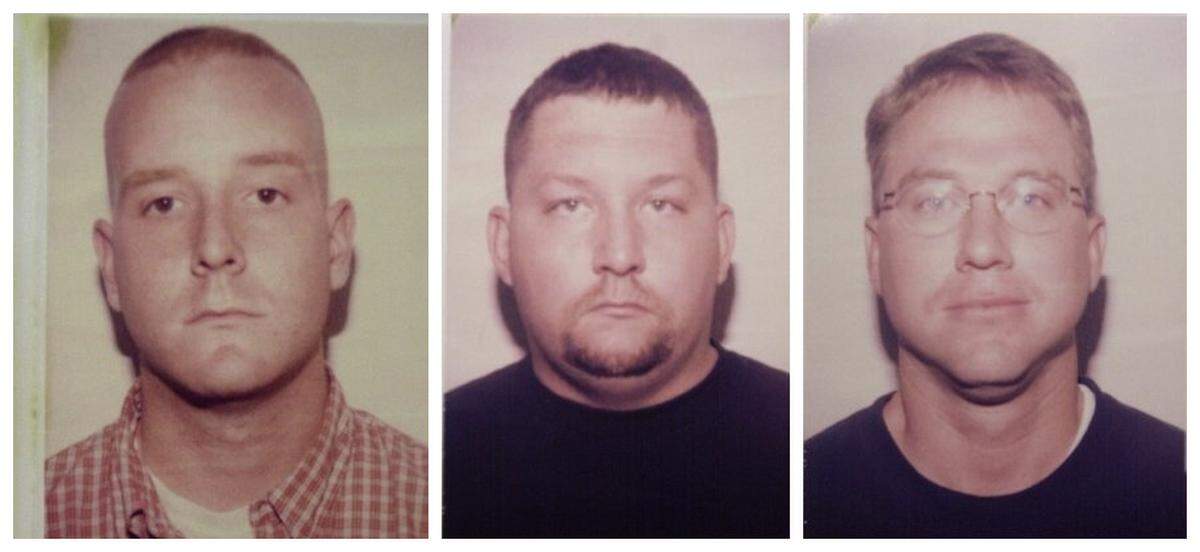
The trio was accused of causing Malone’s death when they allegedly used chokeholds and pepper spray during his arrest, then failed to monitor his condition.
The case went before multiple grand juries before a judge handed down the indictments.
Then-District Attorney Keith Miller took the case before a second grand jury after the NAACP called on him to take a second look at the case.
Strickler went to trial first, and a jury acquitted him. Miller then dismissed charges against the other two officers because he felt his strongest case had been against Strickler. Miller said he could prove that Strickler had been with Malone the entire time.

When Miller dismissed the charges, he explained that there were problems that came up at Strickler’s trial, including differing opinions on Malone’s manner and cause of death.
One pathologist felt Malone died of a lack of oxygen but no foul play occurred, while a second one ruled the death a homicide due to strangulation. A third pathologist that Miller hired felt Malone was already dead by the time police got him to the jail.
In addition, Miller said he dropped the charges because he didn’t think he could prove which of the officers may or may not have put their hands on Malone.
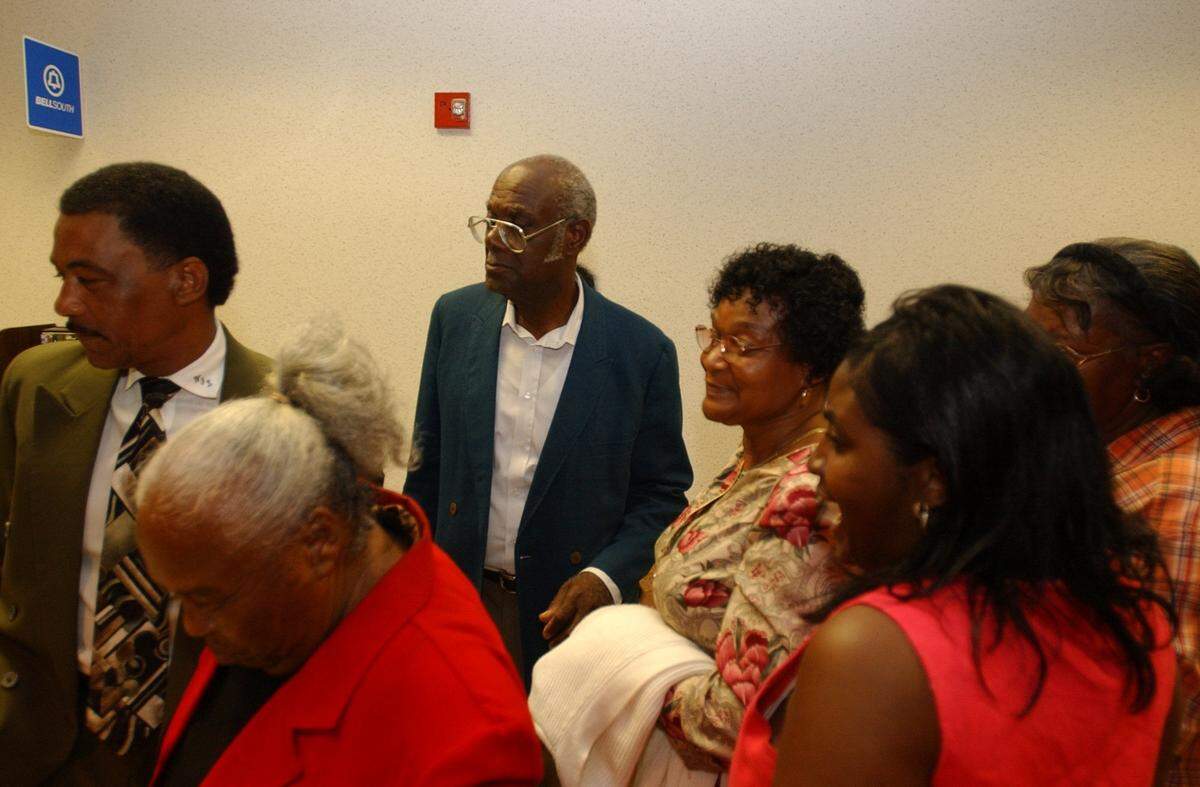
For Jackson County NAACP President Curley Clark, Malone’s death is one that still resonates in his mind and the minds of others in the community.
“Everyone remembers what happened to Marcus Malone,” Clark said.
The Sun Herald reached out to officers charged in Malone’s death, but they declined to comment. All three continue to serve in law enforcement.
Billey Joe Johnson Jr.
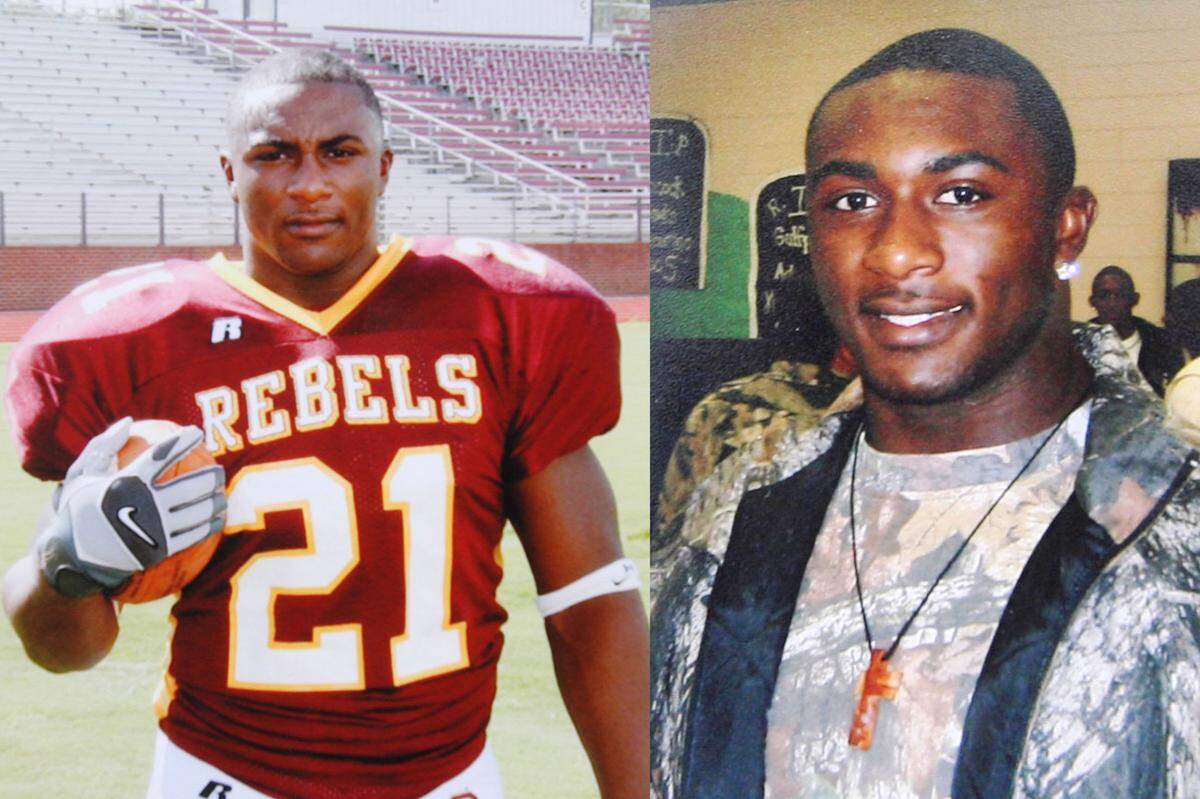
Billey Joe Johnson Jr., a 17-year-old George County High School star athlete, died of a gunshot wound to the head under questionable circumstances during a Dec. 8, 2008, traffic stop.
After being pulled over for allegedly running a stop sign and a red light on Mississippi 26, the star running back died of a gunshot wound to the head. It was initially ruled a suicide.
Deputy Joe Sullivan, who is white, initiated the stop. Johnson was Black and in an on-again, off-again relationship with a white girl at the time.
Prior to the traffic stop, Johnson had stopped by the girl’s father’s home after he left for work, knocked on the door and window, but got no answer and left. The girl saw Johnson leaving in his truck and called her mother to say she wanted to sign charges against Johnson for burglary.
However, a grand jury later heard from eyewitnesses and determined that Johnson had not tried to break into the home, but had simply stopped by to say hi, just as he had done many times in the past when the girl’s father wasn’t home.
In the police report, Sullivan said he was at his patrol car when he heard a gunshot and breaking glass and saw Johnson on the ground outside his truck with a shotgun on top of him.
The grand jury decided, based on witness testimony, that the only plausible explanation for Johnson’s death was he died of an accidental shooting. A grand jury is made of a group of citizens, and testimony before the grand jury is secret.
.JPG "0213_bilo_johnson_14b (1).JPG")
Johnson’s parents, Billey Joe Johnson Sr., and his wife, Annette, did not believe their son killed himself or accidentally shot himself. To this day, his relatives attend rallies against police violence. The latest one of which they attended was in Moss Point over the death of Toussaint Diamon Sims.
The day of Johnson’s death, he had texted a friend about his plans to attend an awards banquet that night to celebrate his promising career in collegiate football, having already received scholarship offers from various universities, including Alabama, LSU and Auburn.
Jessie Lee Williams
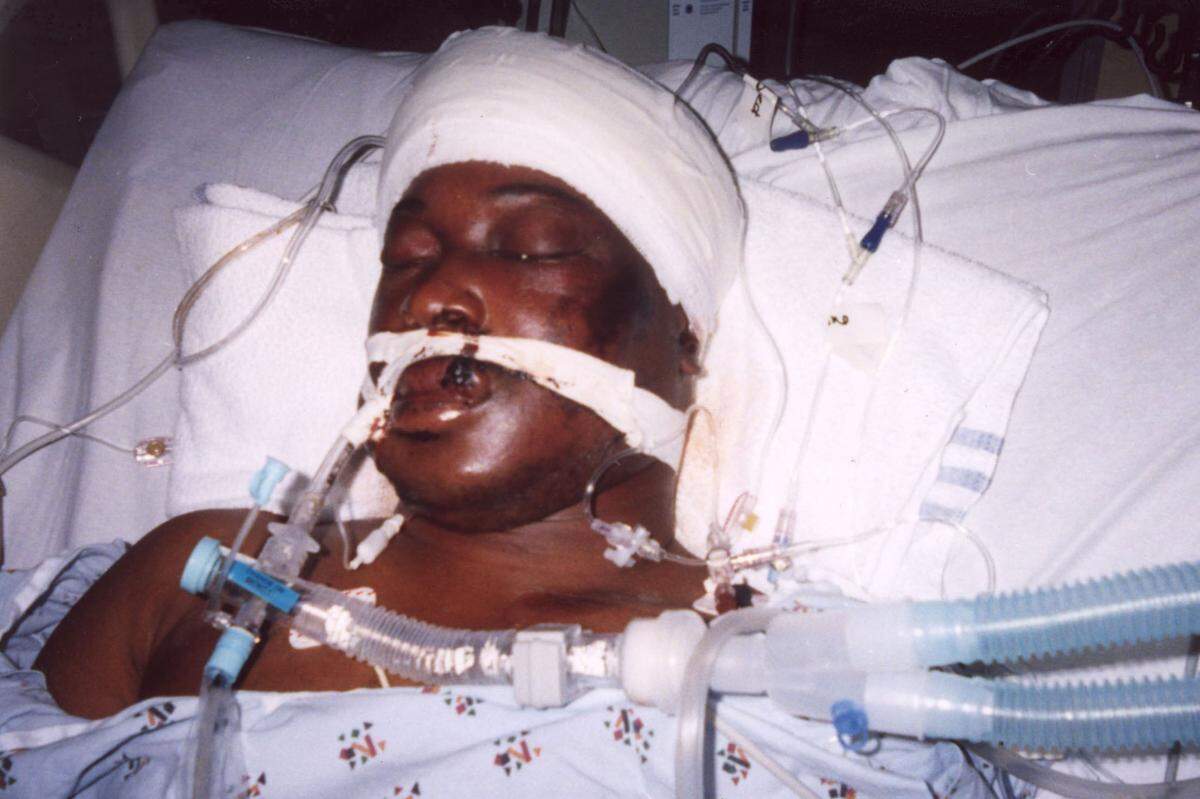
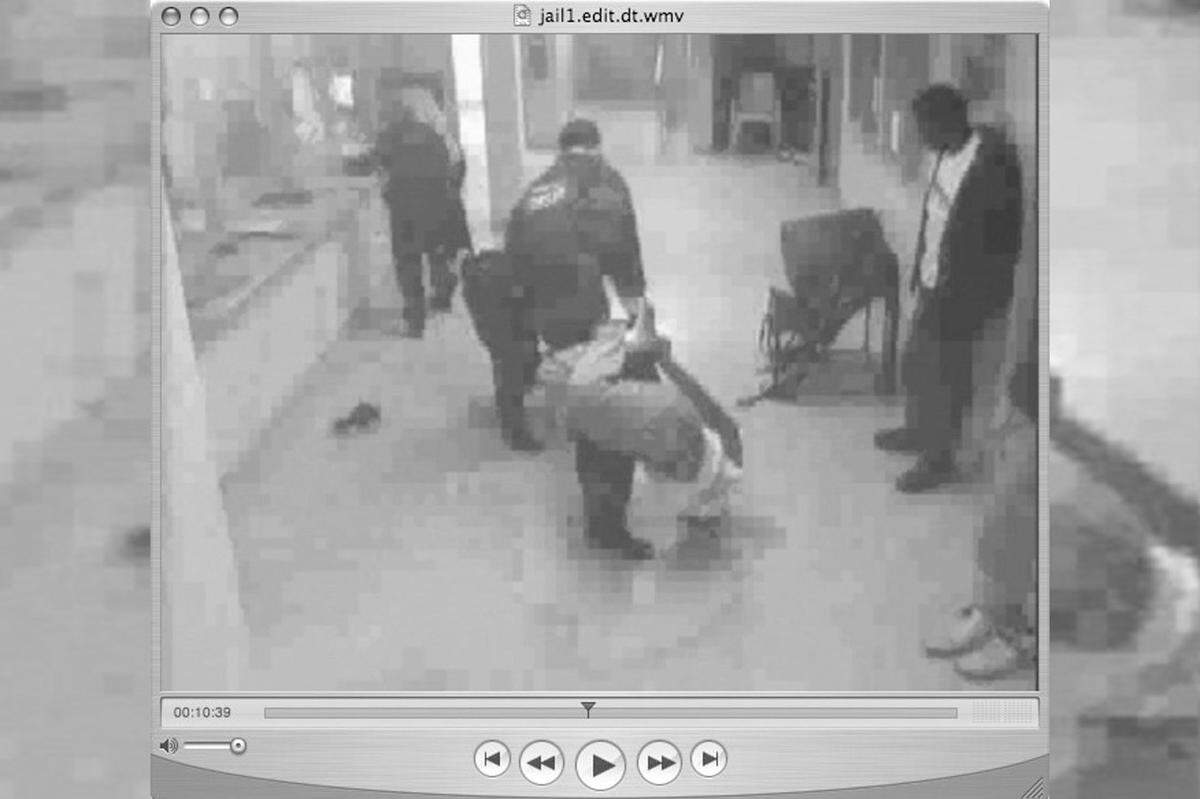
Jessie Lee Williams’ death was captured on surveillance video at the Harrison County jail.
He was arrested on misdemeanor charges on Feb. 4, 2005, and taken to the jail’s booking room, which had surveillance cameras.
The 40-year-old was kicked, slapped, punched, pepper-sprayed under a hood that covered his face, stunned with a Taser, hogtied with handcuffs, wrapped in a blanket, and, as one witness said, “carried like a suitcase” and thrown to the ground on his way to being placed in a restraining chair.
Williams was brain dead when he was finally taken to a hospital. He was taken off of life support and died within 24 hours of of arriving at the hospital.
A jury convicted then Sgt. Ryan Teel of killing Williams and nine other former jailers pleaded guilty to related federal charges in that case.
The Williams’ family filed a wrongful death suit and won the case in federal court.
Otis Ashford
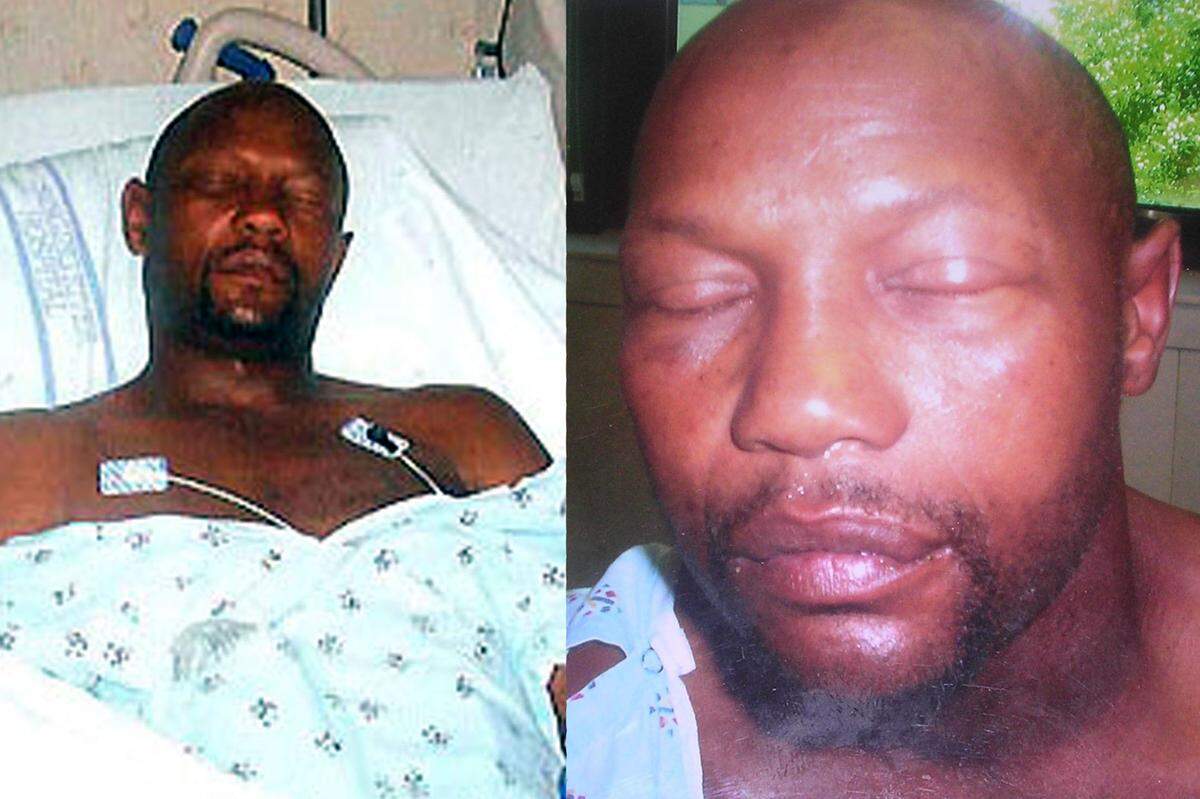
Ashford, then 48, was hospitalized for 24 hours after Moss Point police officers entered his sister’s home without a warrant on April 18, 2008.
Ashford and his sister were at her home on Westpine Drive when they heard a lot of noise and went outside to see what was going on.
A police officer yelled at Ashford to go back inside, but he stayed in a screened-in porch in the front of the house. Ashford told the Sun Herald at the time he was concerned his younger brother might have been the one they saw police officers wrestling with, but it wasn’t him.
Police left with a suspect in tow but returned later, bursting into the front screen door to get Ashford for allegedly interfering with the duties of an officer.
Officers repeatedly used a Taser on him, beat him with a police radio, and sprayed him and his sister with pepper spray.
A grand jury never indicted anyone on criminal charges in the case, and Ashford was arrested on misdemeanor charges of resisting arrest and interfering with the duties of a police officer.
Ashford, with assistance from the NAACP and the ACLU, later sued the Moss Point Police Department and settled the case for $50,000 and an agreement from the police department to review and update its policies and improve training
Though the case was settled, the Moss Point Police Department and city did not admit any wrongdoing.
This story was originally published June 26, 2020 at 5:50 AM.