They prevailed for decades in fight to save South MS wetlands. Now the tide’s turning
AI-generated summary reviewed by our newsroom.
- Gulfport plans a connector road that would destroy 98 acres of wetlands.
- A federal judge has dismissed a lawsuit to stop the project; federal permit still needed.
- City estimates road construction would take three years and cost $48.5 million.
For decades, residents in Gulfport’s Turkey Creek watershed fended off development of wetlands that absorb stormwater, filter pollutants and nurture wildlife.
The wetland acreage sits just south of Interstate 10 and west of U.S. 49 — Gulfport’s busiest commercial corridor. Despite the opposition of residents in the area, Gulfport’s plans are creeping ahead for a connector road that will destroy 98 acres of area wetlands and open hundreds more to development.
About three miles of roadway will extend Airport Road west of U.S. 49, with an overpass over Interstate 10, connecting commercial areas north and south of the interstate, including Gulfport Premium Outlets.
Residents have managed since the 1990s to prevent development of the wetlands. The wooded acres are visible behind all the traffic, hotels, restaurants and shops west of U.S. 49 and south of I-10.
Wetlands development appears more likely today.
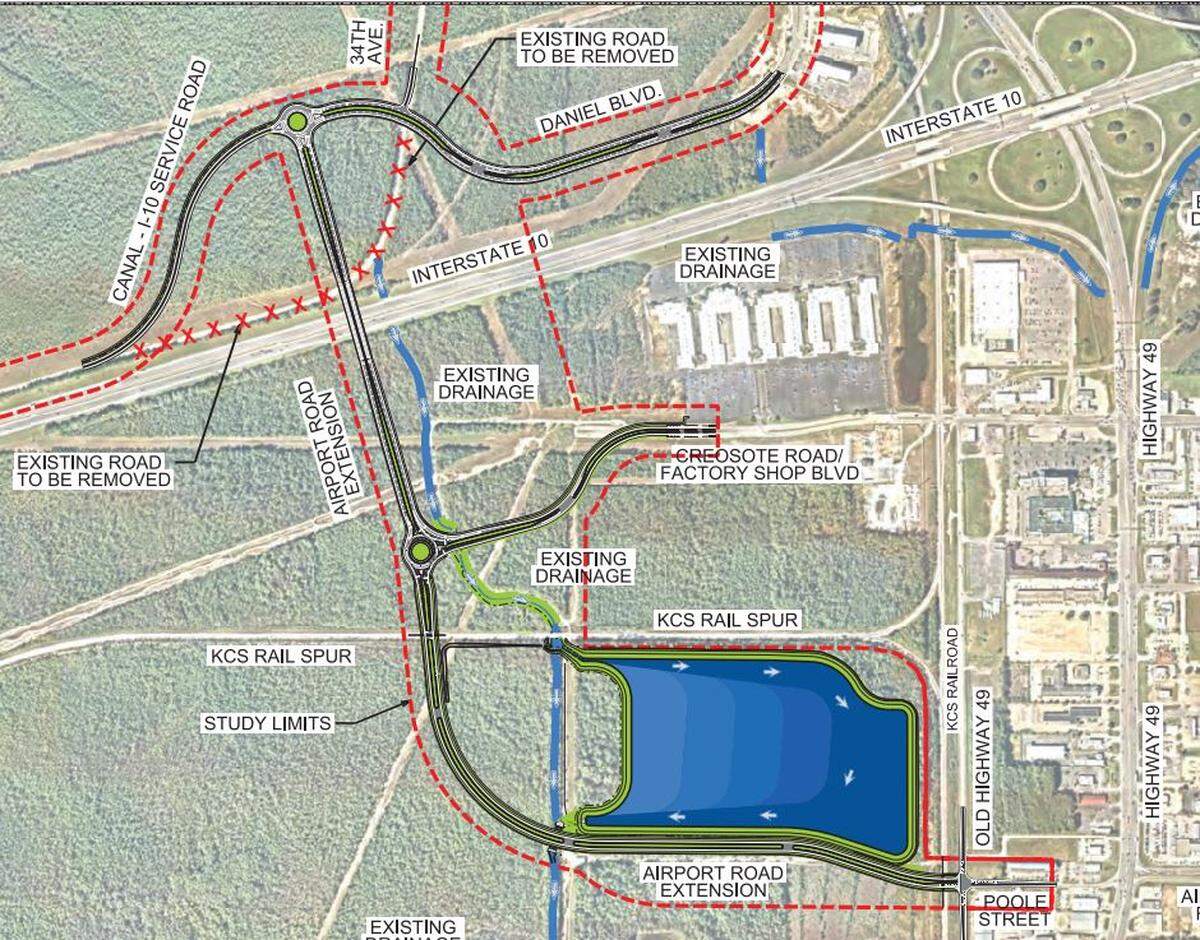
The city has fought off hurdles, including a federal lawsuit filed by environmental groups against the U.S. Department of Transportation, which found the road would have no significant environmental impact. A judge recently dismissed that lawsuit, while the state has approved an environmental permit that will allow construction of the road.
A final environmental permit decision rests with the U.S. Army Corps of Engineers, Vicksburg District. If the project is approved, the city expects road construction to take about three years and cost $48.5 million. A federal grant will cover $20 million, with the city borrowing the rest.
Gulfport says its road project has been designed to improve drainage.
The city has estimated the road will open 380 wetland acres for commercial development, according to the federal lawsuit. Trying to determine how that future development might affect drainage would be “speculative,” the federal judge recently concluded in dismissing the lawsuit.
A Harrison County Court judge recently approved the city’s forced taking of more than 50 acres for a detention pond that will capture stormwater runoff from the road. Federal and state agencies provided funding used to buy the property for conservation less than 10 years ago, but now say it can be sold at a fair price.
The about-face disturbs residents who oppose the project.
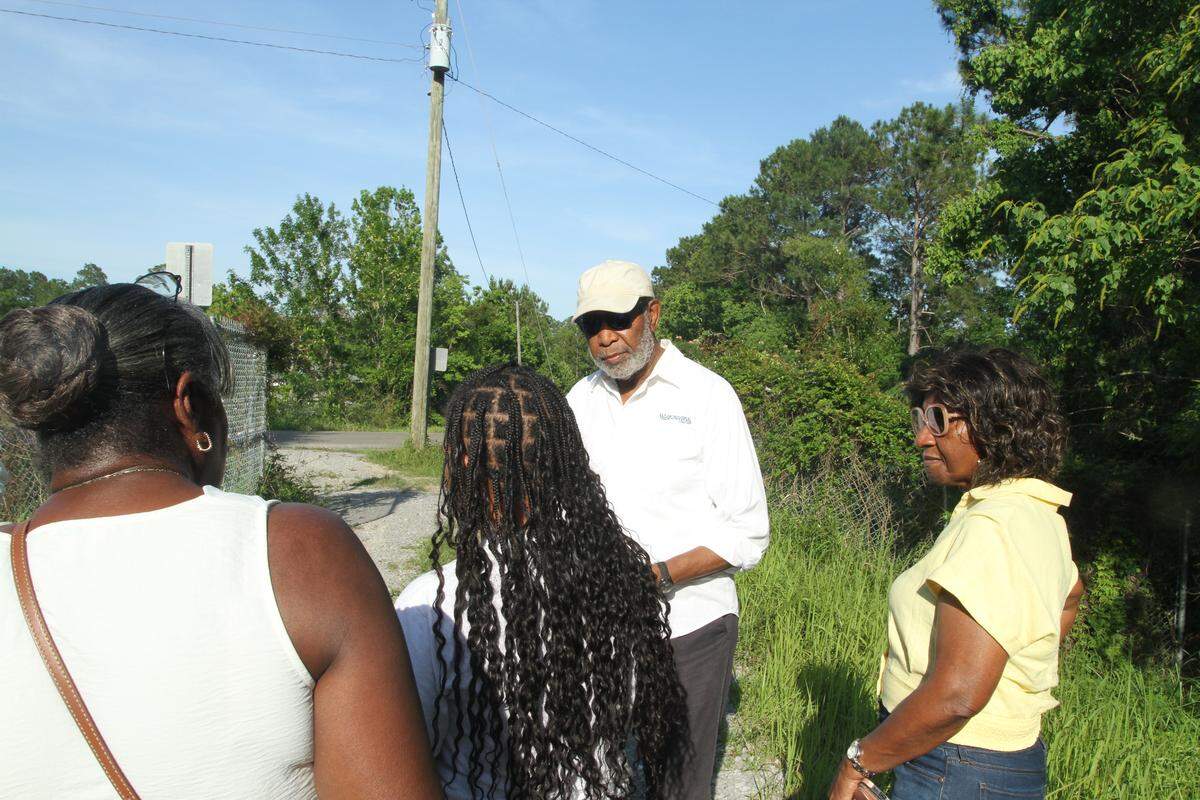
“They’re going to take protected wetlands and destroy them,” said Gulfport resident Kathy Egland, who has long helped lead opposition to development. “This should be a cause for concern for every place in the nation.”
Road opens commercial potential
A Louisiana family, the Wards, has tried since at least the mid-1990s to develop hundreds of acres in the area, most of it wetlands, Sun Herald archives show. The Wards have at various times proposed a shopping center, office park, retail shops and other development.
Community opposition helped kill those efforts.
In 2019, Gulfport received a $20 million grant for a road through the wetlands. The city said the road would improve traffic flow, benefit existing businesses and encourage “new commercial and economic growth.”
In awarding the grant, the federal Transportation Department’s economic analysis concluded with “high confidence” that the project’s cost would exceed its benefits. The agency noted benefits that would include improved safety, a quicker trip in some cases, and access for pedestrians and cyclists.
Residents of subdivisions in the Turkey Creek watershed believe their homes are potentially being sacrificed for economic development. They’ve dealt with flooding in the past and expect it will be far worse if more wetlands are paved.
In a 2024 document, the Mississippi Department of Environmental Quality said previous projects have reduced the Turkey Creek drainage area from 14.35 to 0.39 square miles.
An 2024 Environmental Protection Agency letter to the U.S. Army Corps of Engineers concluded: “Surrounding minority neighborhoods in the Turkey Creek watershed already experience flooding. Replacing these wetlands with impervious surface would decrease flood storage capabilities of the site and may exacerbate flooding of neighborhoods and cause or contribute to water quality problems downstream.
North Gulfport residents persist
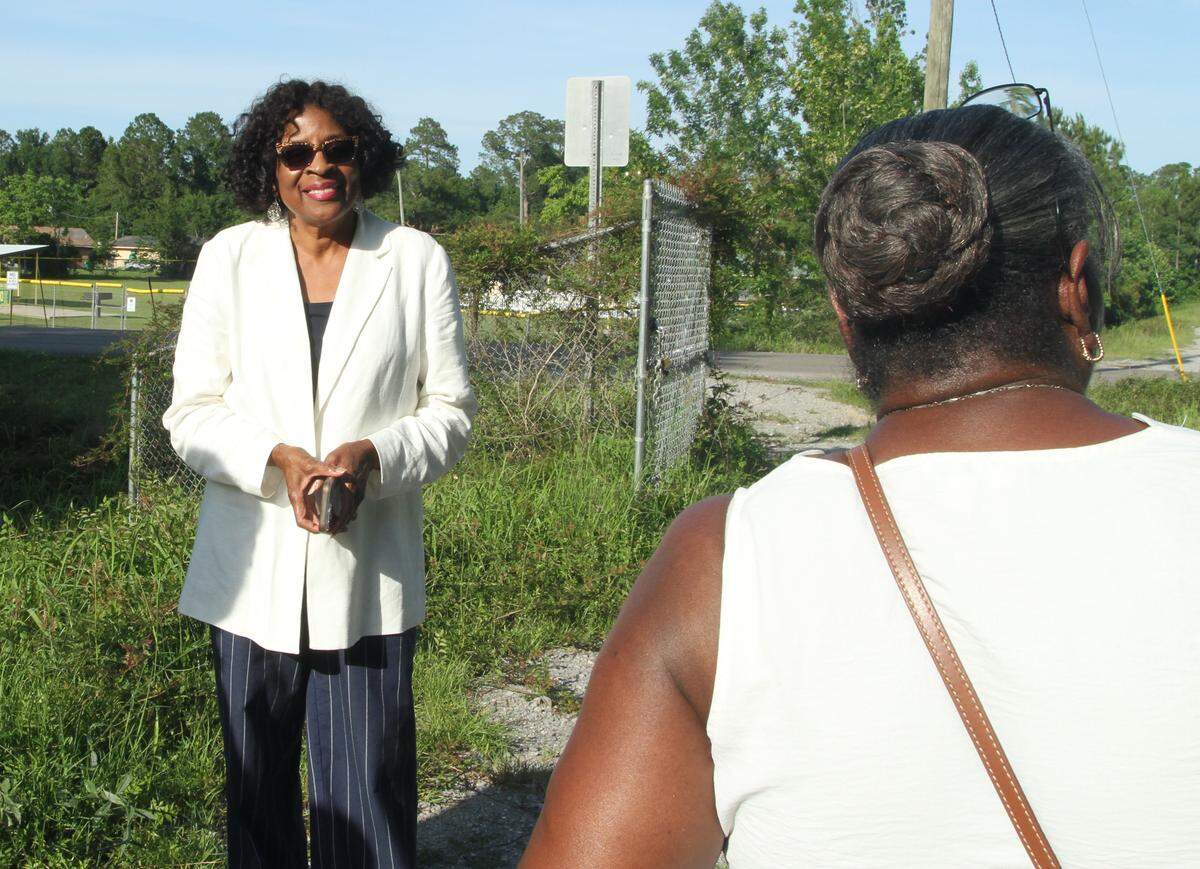
A busload of residents recently showed up in Jackson for a meeting of MDEQ’s Permit Board. The residents left feeling defeated after the board approved an environmental permit for the road project. In 2024, MDEQ staff questioned what impacts future commercial development might have on the wetlands and wanted more information on those plans.
The city says no plans for development are pending. Instead, the city’s website emphasizes the project’s benefits: another route to Premium Outlet Mall, for emergency response and hurricane evacuation, and to navigate the congested area west of U.S. 49 between Airport and Landon Roads.
Joe Spraggins, executive director of the Mississippi Department of Marine Resources, told the MDEQ board that the U.S. Fish and Wildlife Service does not object to the city taking conservation property for a detention pond to catch stormwater runoff from the road. The federal agency just wants to ensure a fair price after supplying the grant money used to buy the property for conservation by the Land Trust for the Mississippi Coastal Plain.
Gulfport took the Land Trust to court to acquire the property through a “quick take,” a type of eminent domain. While the sale has been approved, a judge is allowing the DMR to intervene in the case to make sure the established appraisal of $157,169 is a fair price.
“None of this makes sense,” resident Egland said. “It was federal grant money that put this land in conservation that they are now trying to destroy. It’s mind-boggling.”