K-9 credited with locating plane in Lake Pontchartrain. How discovery unfolded
AI-generated summary reviewed by our newsroom.
- K-9 Ensey alerted searchers to the Cessna fuselage, prompting diver recovery.
- United Cajun Navy coordinated with Coast Guard; NTSB, FAA investigating.
- NTSB will secure wreckage for examination; preliminary facts due in 30 days.
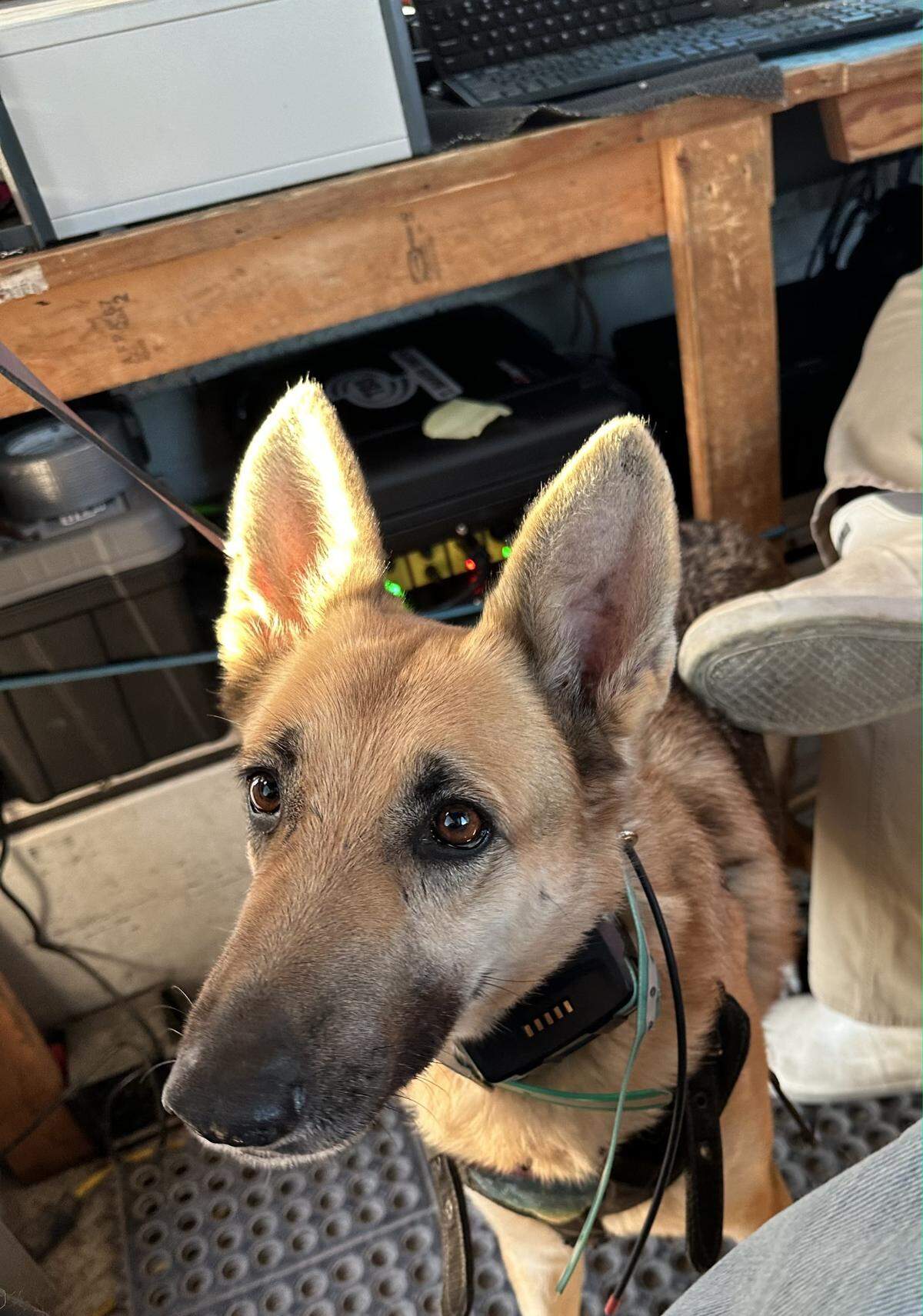
A K-9 named Ensey located the area where the United Cajun Navy found the fuselage on Saturday from a Cessna 172 that plunged Monday evening into Lake Pontchartrain, said the organization’s vice president, Brian Trascher of New Orleans.
The trained cadaver dog, with handler Crystal Fields of nonprofit Team Texas K9s, alerted a search crew to the area. Cadaver dogs can detect human remains in the water through odors that float to the surface.
“The dog will almost try to jump in the water,” Trascher said. “That’s where they anchored and put the diver in.”
A United Cajun Navy diver reached the fuselage Saturday afternoon, Trascher said. The diver did not find the remains of flight instructor Taylor Dickey of Biloxi and private pilot David Michael Jahn of Gulfport in the cockpit seats, but Trascher believes they might be further back in the fuselage.
“I’m convinced if we hadn’t had Ensey,” Trascher said, “we wouldn’t have found the wreckage.”
Cessna crash site turned over to NTSB, FAA
The site has been turned over to the National Transportation Safety Board and Federal Aviation Administration, which are investigating the crash. The NTSB said that a salvage company arranged by the plane’s insurer will retrieve the wreckage.
“Once the plane is recovered, our investigators will move it to a secure facility for further evaluation,” Sarah Taylor Sulick, an NTSB public affairs specialist, said in an email.
Recovery operations will resume only after rough weather clears, Michael Carastro said.
Carastro’s company, Apollo Flight Training & Aircraft Management in Gulfport, owns the Cessna. The plane went missing after departing Gulfport for the training flight to New Orleans. The New Orleans Lakefront Airport lost contact with the plane about 4 miles north of the airport.
Sulick said a preliminary report that contains facts gathered during the initial investigation should be released in 30 days. A final report that details the probable cause of the crash and contributing factors will take 12 to 24 months, she said.
United Cajun Navy helps with other searches
The United Cajun Navy has now assisted the U.S. Coast Guard with several recent searches in South Louisiana, Trascher said. Ensey followed a 12-year-old boy’s scent from his New Orleans home to the lagoon shore where he entered the water.
A United Cajun Navy drone then located the boy’s body in late August after a weekslong search, NOLA.com reported.
Because of the United Cajun Navy’s assets, the Coast Guard requested the organization’s assistance in the Cessna search, Trascher said. The federal agency was aware the group would continue recovery efforts after protocol required that the search be suspended.
The United Cajun Navy was founded after Hurricane Katrina in 2005 and grew more active again after the 2016 floods in and around Baton Rouge. Trascher said the organization now has chapters in 13 to 14 states, including Mississippi. The largest chapters are in Louisiana, Texas and Florida, he said.
He said the United Cajun Navy is transparent with government agencies, including local offices, about when and where they plan to search. They submitted a search grid and plan to the Coast Guard and other agencies before Saturday’s search, he said.
“We’re not here to fight them,” he said. “We’re here to help them.”