
Beach wall debate is intense in one city. Here’s why plan could expand across MS Coast
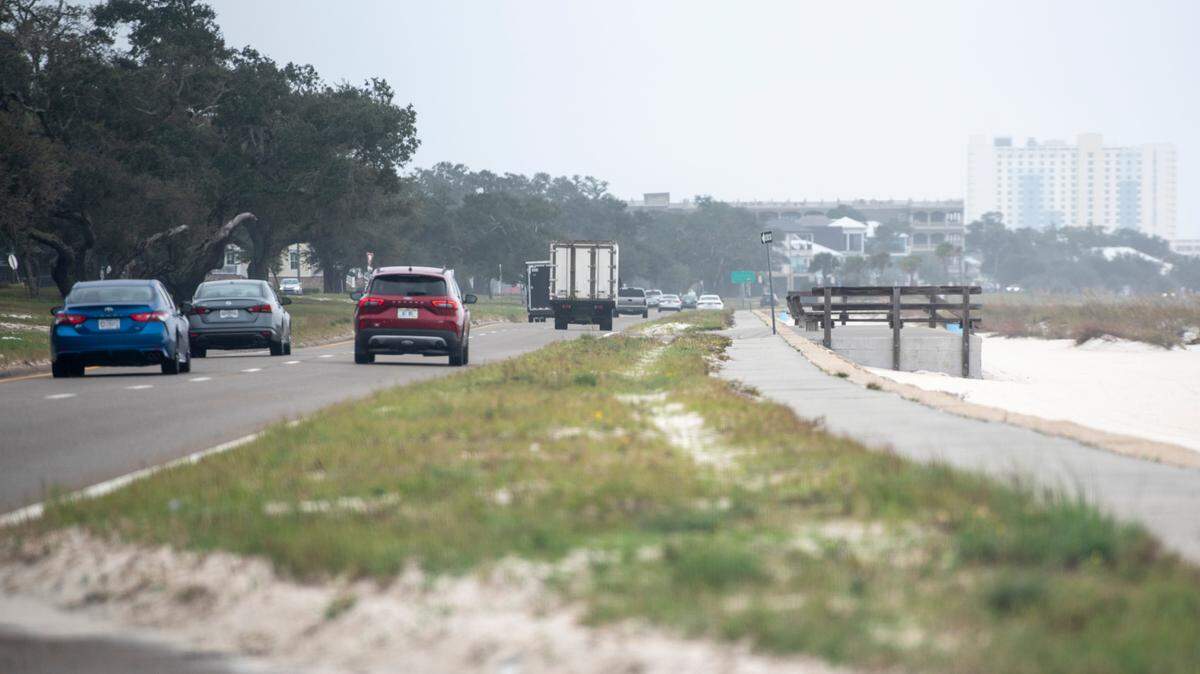
The old seawall is mostly buried now, covered by sand that has risen for decades.
But now it is the focus of a fierce new debate over nostalgia and nature on the Mississippi Coast.
State and local leaders hope to cover the old seawall across all of Harrison County with a wider path and short wall they say will protect Highway 90 from hurricane storm surge and also stop sand from blowing across it.
“The vision,” said Joe Spraggins, executive director of the Mississippi Department of Marine Resources, “is to try to do it across the beach.”
But the idea is dividing and rousing residents in one of the first cities to embrace the project: Pass Christian. Angry at the loss of their old seawall and skeptical the touted benefits will work, some are demanding leaders reject almost $3 million that would expand the new sidewalk and wall throughout the city.
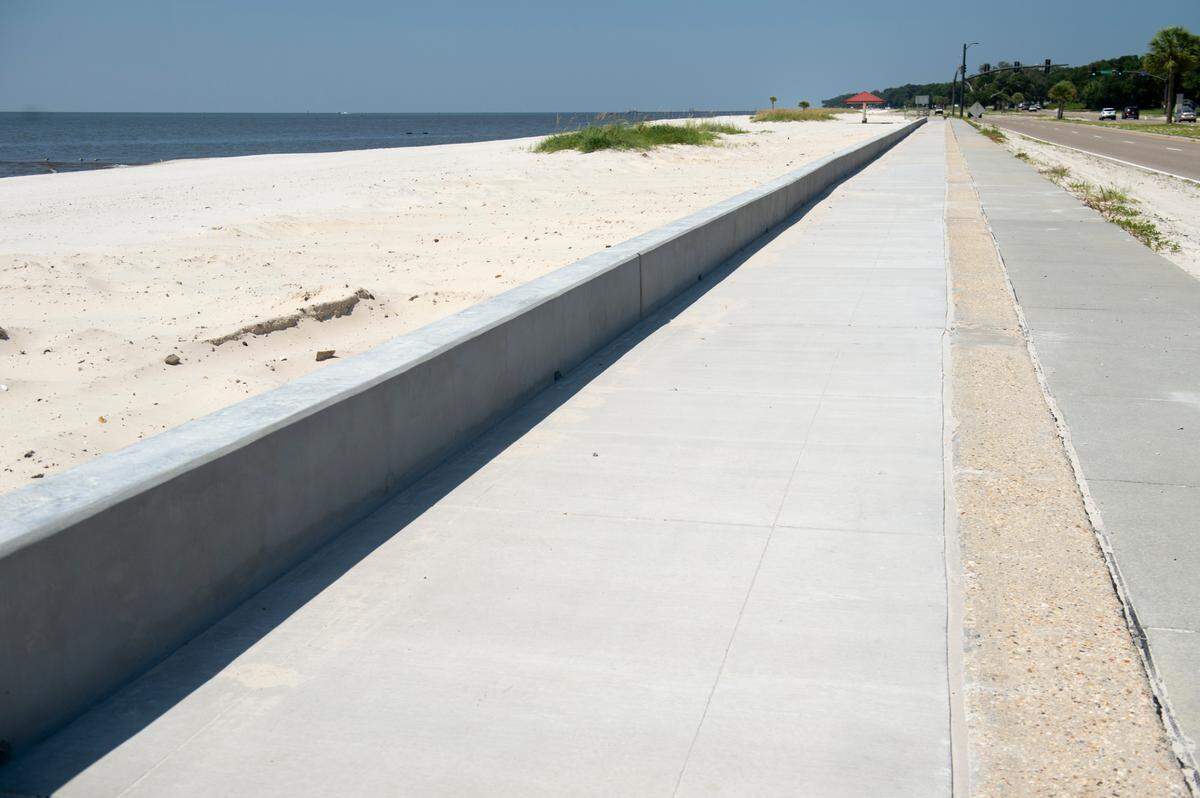
The strife could spread. Gulfport has asked the federal government for $1.5 million to install a similar wall from Anniston Avenue to Debuys Road. One mile already exists in Biloxi. Spraggins said most future grants will go through Harrison County, which controls the beach and is already on board.
Spraggins said the wide path and short wall could stretch through much of the county in five years. He said controversy in Pass Christian would not stop plans in other cities.
The disagreement is a familiar dilemma of coastal towns across the Gulf South that are fighting to save old charm and also embrace modern engineering for rising seas and flooding.
State and county leaders say the new construction is a crucial step to preserve the coast, which is the longest man-made beach in the world, needs costly upkeep and is deeply vulnerable to hurricanes that are getting stronger in the Gulf of Mexico. Others say the old seawall where they crabbed and fished as children has held perfectly fine against sand and storms for almost 100 years.
The reaction in Pass Christian has been strong on both sides. Supporters of the new construction recently mailed postcards pleading with residents to convince city leaders to accept the money and keep building. Crowds packed several Board of Aldermen’s meetings this summer. Some praised the project as a safer walkway that could attract tourists. Others questioned if the money, which comes from a federal grant for conservation, restoration and hurricane protection, made sense for the project at all.
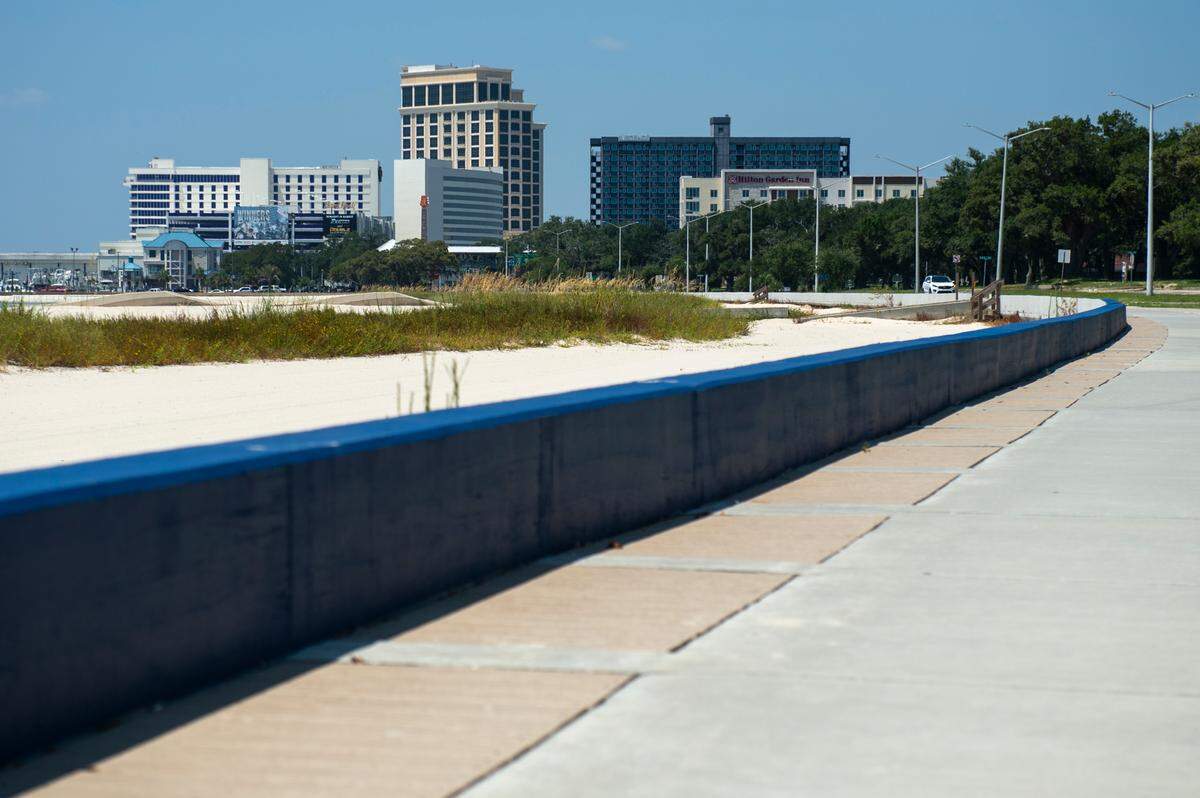
“When Mother Nature kicks up, a little wall isn’t going to do anything,” said Michael Christovich, whose house overlooks the beach from Scenic Drive in Pass Christian.
Local leaders “spin it as there’s massive volumes of sand up and down the entire length of Highway 90,” said Gary Smith, a neighbor. “That’s the part where I first have a problem.”
Others called the windswept sand a real danger, and said the new wall will work.
“I can tell you from personal experience I pulled off Highway 90 to park in one of those bays,” said Marlin Ladner, president of the Harrison County Board of Supervisors. “When I hit that sand it could have caused me to lose control.”
Dave Dennis, another resident, said the project would bring “enormous benefits.”
“The sand that blows on 90 clearly has been a detriment,” he said. “It has been a very expensive issue.”
Sand beaches
Mississippi built its beaches in the 1950s, three decades after the seawall first rose. It pumps in new sand every few years.
Some longtime residents with fond memories of the old seawall are struck by how much has changed. “There’s nine steps on the seawall,” said Biloxi Councilman George Lawrence. “You wouldn’t believe it.”
Residents on both sides are also questioning why the county cannot simply lower the beach. But Harrison County cannot remove the sand, leaders said, because it protects the seawall. Taking away the sand could leave the seawall exposed. Storm surge could flush water through its cracks and beneath Highway 90.
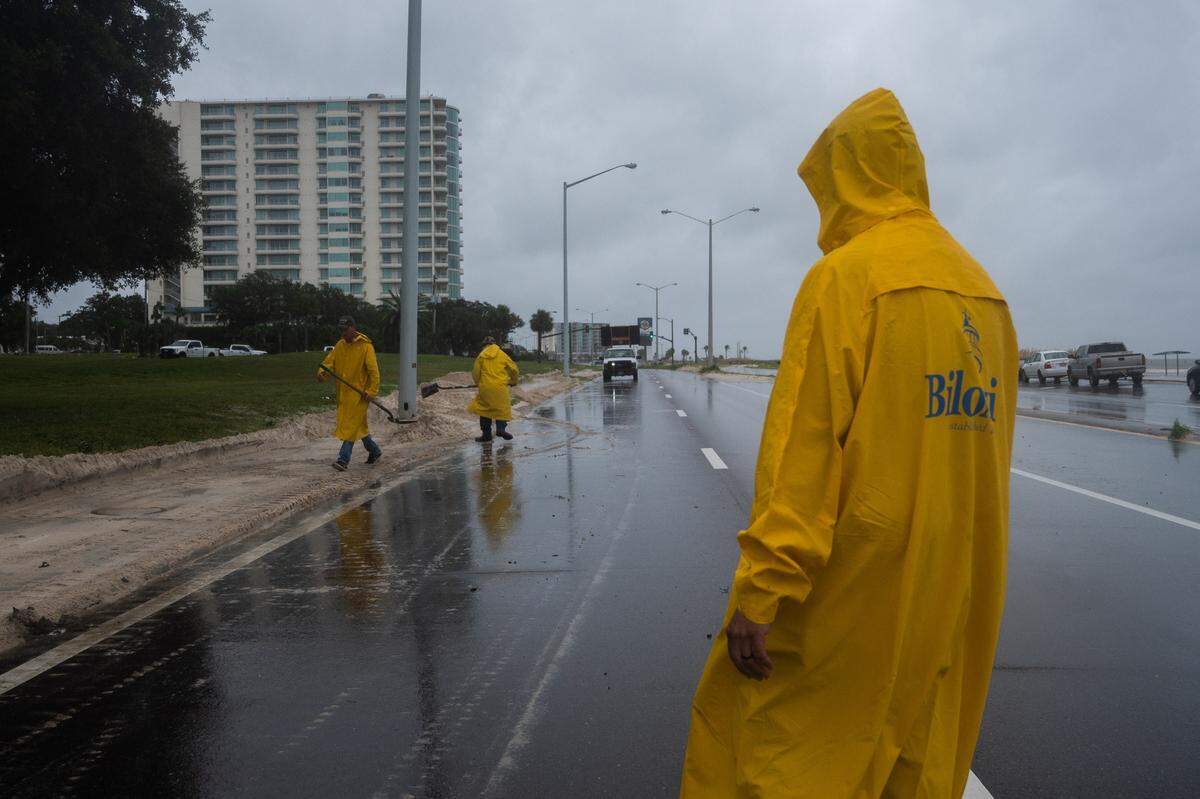
But the sand has grown so high that floods and strong winds carry it to the road, which can lead to traffic accidents and is expensive to clean. Gulfport Police asked residents one day last April to avoid Highway 90 entirely because of sand. State and county leaders say clearing it costs anywhere from $400,000 to over $1 million each year.
Local leaders have long sought to fix the problems. The Mississippi Department of Transportation contracts with a company that sweeps Highway 90 at night twice a month throughout the year, then loads dump trucks to dispose the sand because it is dirty with gas and cannot go back to the beach. Harrison County has created dunes with grasses to stop erosion. They have tried erecting fences. They have added heavier sand.
None of that, they say, has worked as well as a wall.
But some residents are also demanding scientific proof that a flat wall will stop sand or absorb powerful waves better than the current steps.
The Department of Marine Resources has sought compromise in Pass Christian by making the wall shorter than it is in Biloxi and adding more entrances to the beach. Some residents say any wall will still restrict access, because people carrying beach supplies must walk to the stairs instead of stepping onto the sand from anywhere like they currently do.
Project goals
Pass Christian and Gulfport said in grant applications that the project, at its core, would protect Highway 90 from hurricanes and lower the costs of clearing sand. Spraggins said the idea sparked several years ago in discussions with Biloxi over the issue of sand control. Supporters have also said the wider path would make it safer to walk or bike next to the busy highway.
Part of the walkway in Pass Christian is already built, and residents are racing to convince the Board of Aldermen to accept or reject $2.8 million of federal grant money already awarded to the city for the next construction phase before the end of this year.
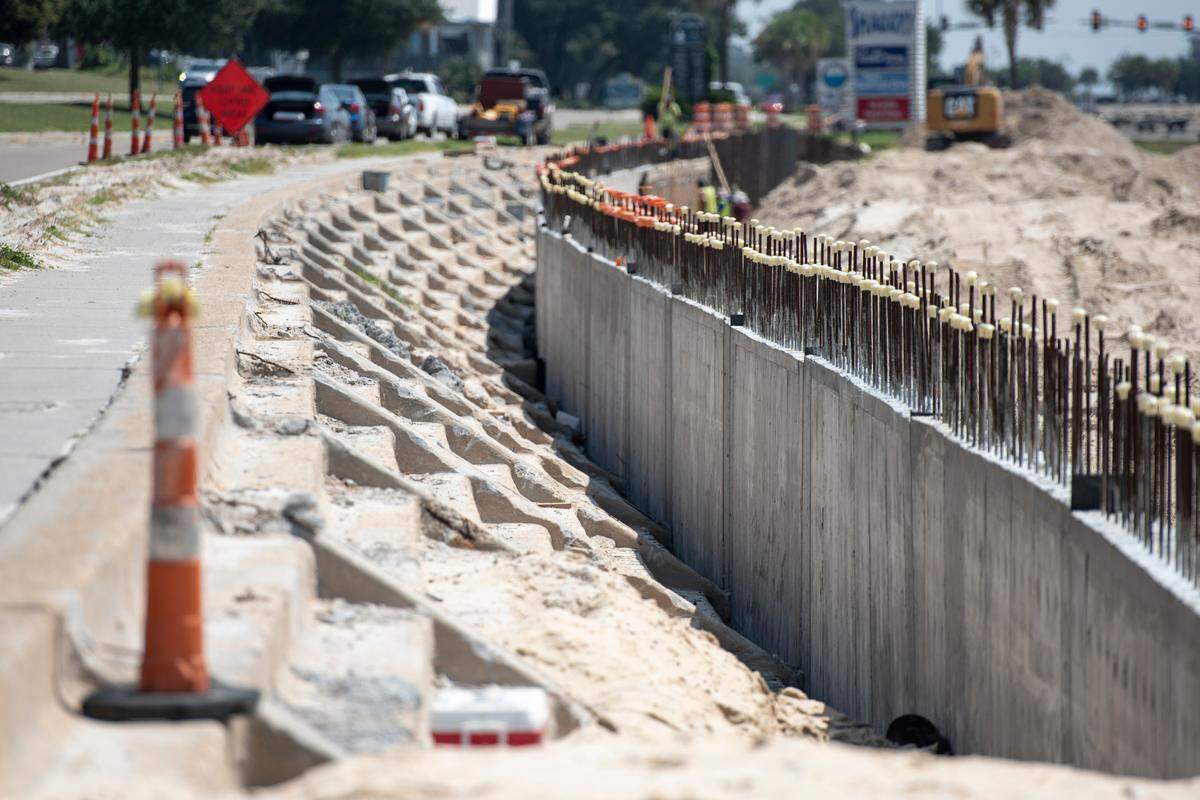
Debate in Pass Christian may be stronger because its waterfront is full of homeowners and is not as developed as some parts of Gulfport and Biloxi.
But it will probably continue. Residents on both sides again filled the Board of Aldermen’s meeting Tuesday night and walked to the podium, one by one, and began their arguments. The Board later voted 3-2 against holding a public hearing on the next construction phase.
“I just hate that this has caused a lot of division in our community,” one resident said. “I’m really sorry about that.”