Coast’s Vietnamese community still comes ‘home’ to East Biloxi 15 years after Katrina
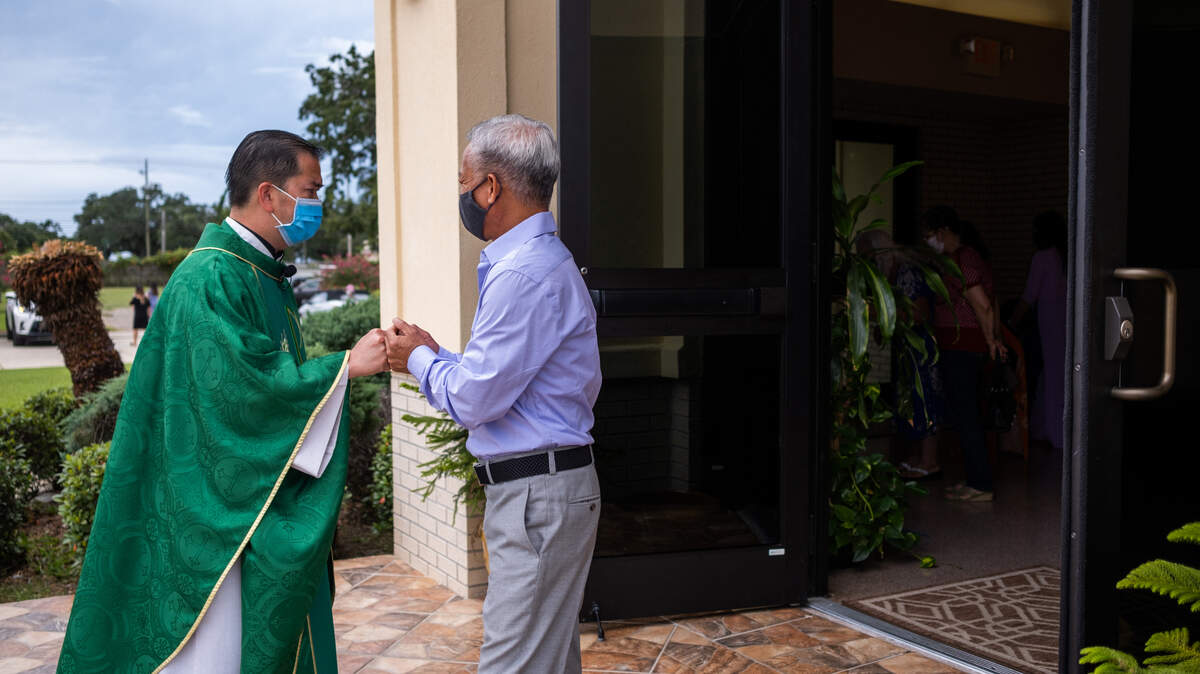
When Jeannette Cressman and Thomas Vu returned to East Biloxi after Hurricane Katrina, they couldn’t find their house.
The area looked “like a war zone,” Vu said.
All that was left was a slab of the foundation.
So they went to church.
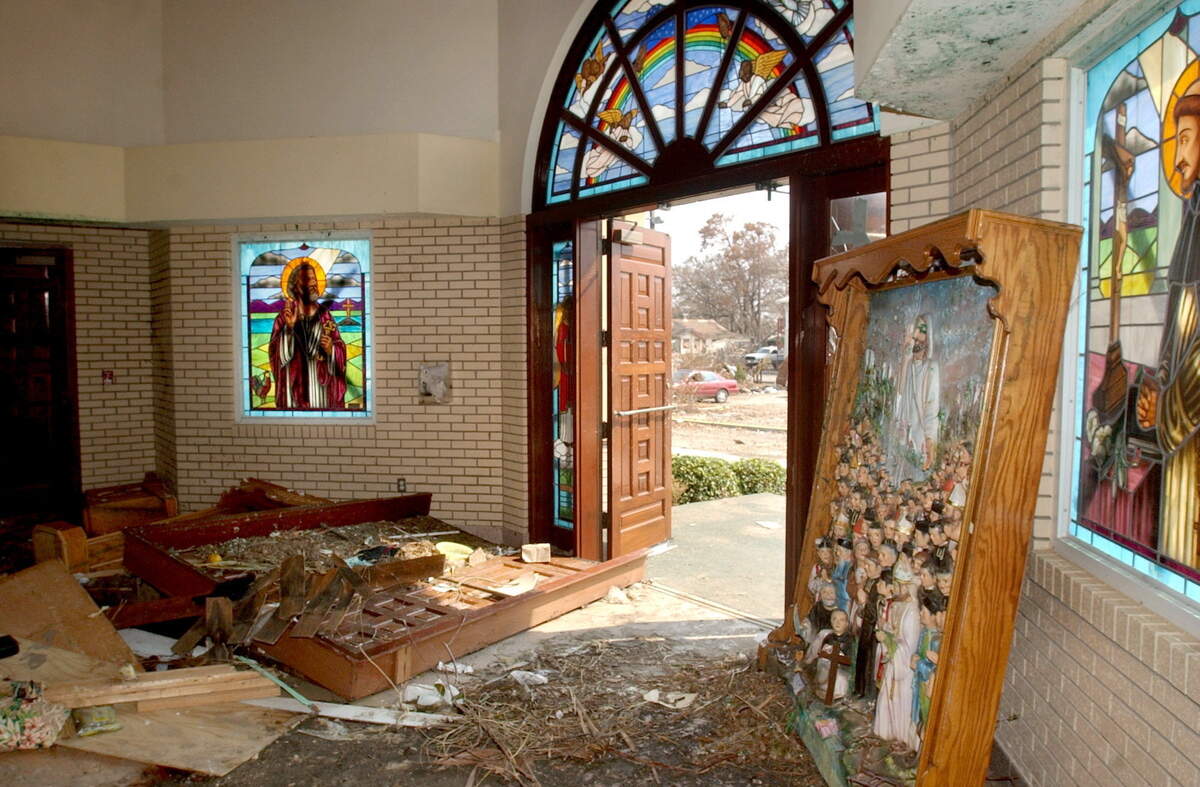
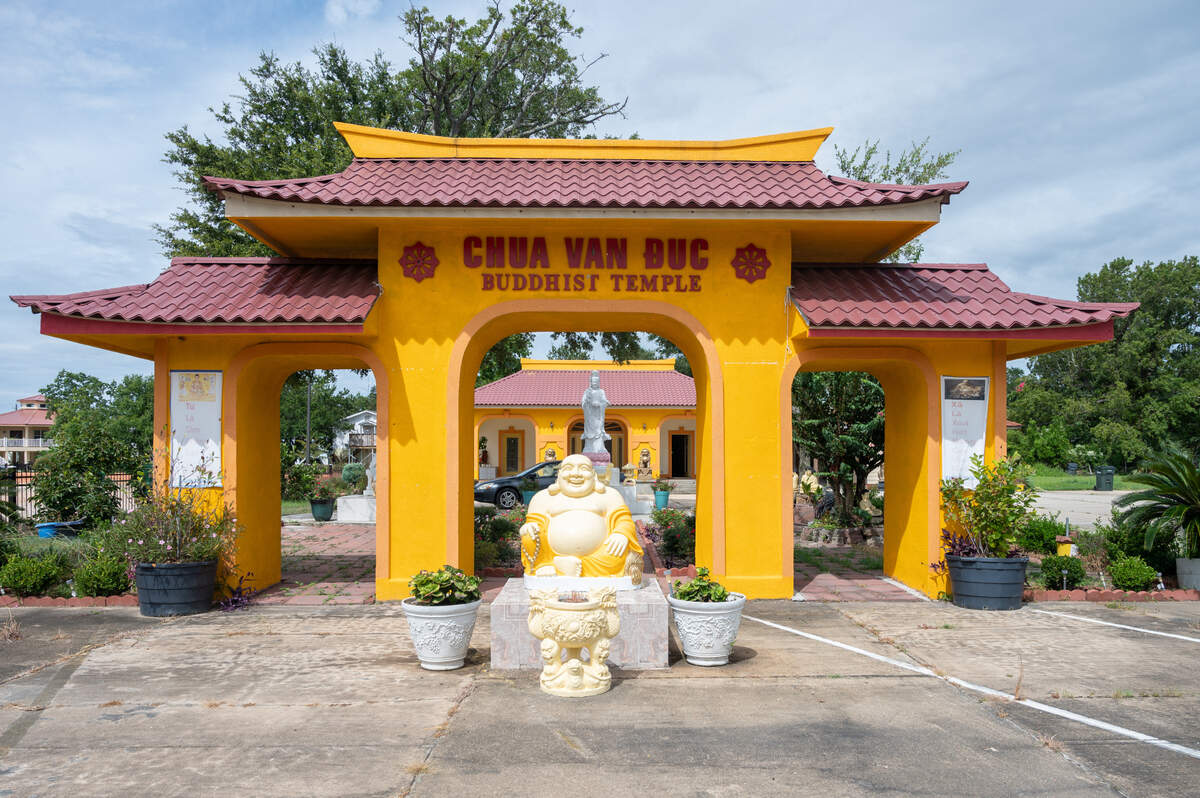
The flood waters had risen almost 10 feet inside the Vietnamese Martyrs Catholic Church, destroying the pews and filling the sanctuary with mud. It was much the same at Chua Van Duc, the Buddhist temple next door. But the frames of both buildings had survived.
At the church, Cressman and Vu picked up clothes to wear. The parishioners held mass outside. They put on boots and picked up buckets and cleaned the sanctuary. Eventually, Cressman and Vu sold their lot and moved to Ocean Springs.
Fifteen years after Katrina, many Vietnamese-Americans have moved on from Biloxi to other parts of the Coast. The neighborhood that was the first stop for Vietnamese immigrants who came to work in Mississippi’s seafood industry starting in the late 1970s is not the community hub it once was. But every Sunday, hundreds of families come to East Biloxi to worship, to see friend and, to check in on each other.
The storm that nearly destroyed Vietnamese Martyrs Church and Chua Van Duc ultimately reinforced their role as community anchors.
“It feels like home here,” Cressman said. “In Ocean Springs, the church is only five minutes from my house. But this feels like home.”
‘A place of their own’
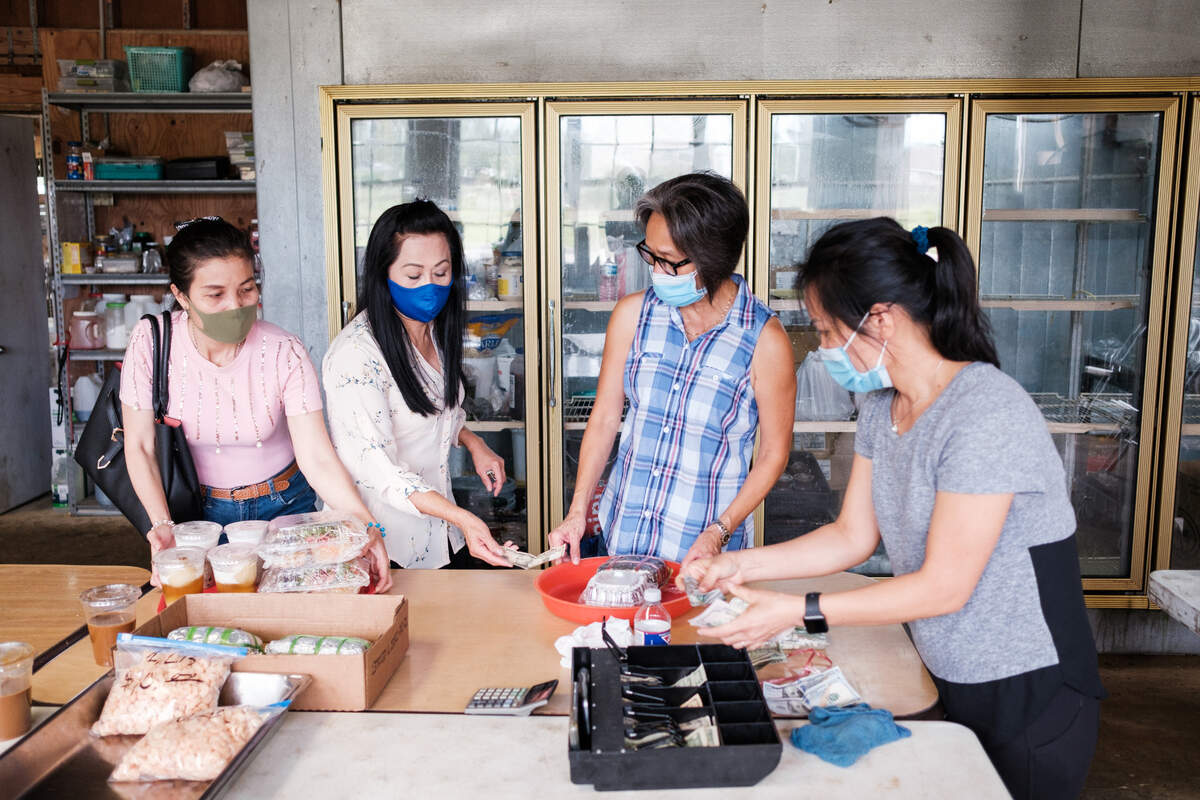
For years, Vietnamese Catholics who worshiped at parishes along the Coast dreamed of having their own church, where they could speak Vietnamese and hold community events.
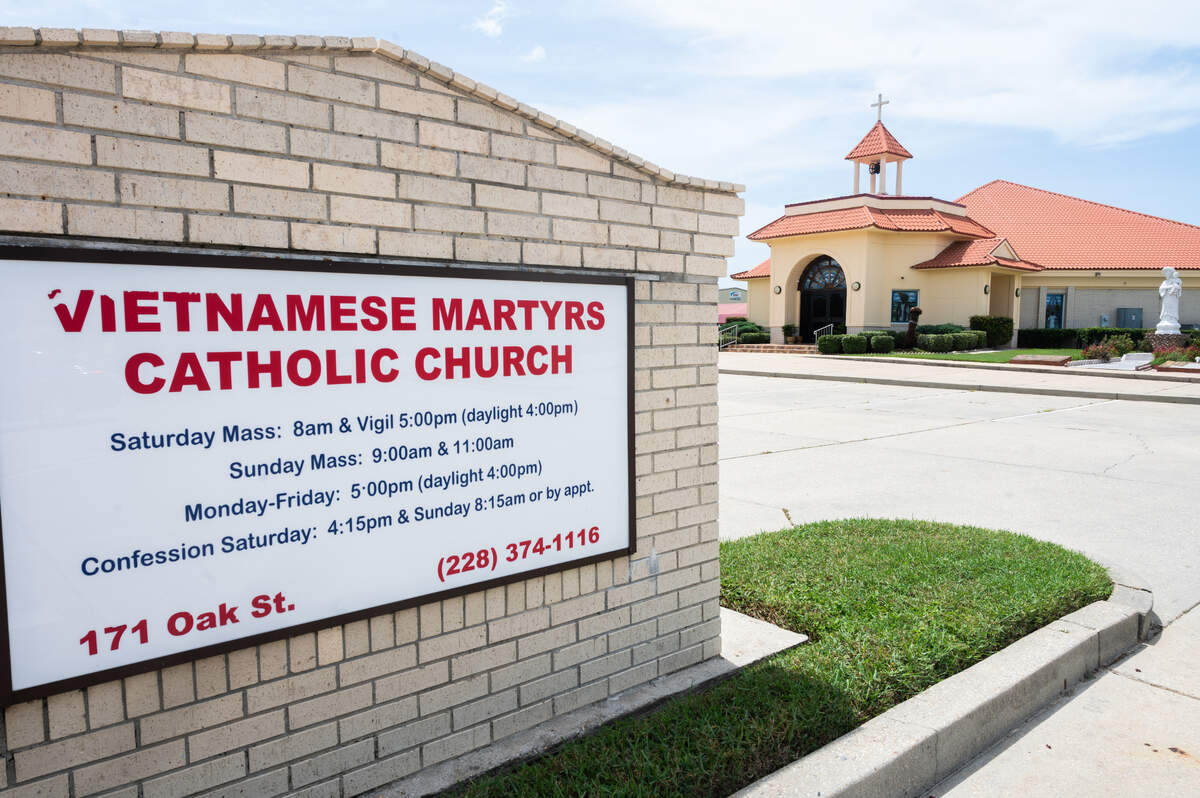
The dream came true in 2000. The community raised most of the $1.2 million it took to build Vietnamese Martyrs, Mississippi’s first all-Vietnamese Catholic church.
“It is a privilege for our people in Biloxi to have a place of their own,” Rev. Dominic Phan told the Sun Herald at the time.
People wanted to live near the church so they could walk to services, said Father John Thang Pham, who has been the pastor at Vietnamese Martyrs since 2016 but has had ties to Biloxi since 2003. East Biloxi and Point Cadet were also home to Vietnamese-owned restaurants, grocery stores, video stores and other small businesses.
Census figures on the Vietnamese community on the Coast can be unreliable, in part because the language barrier and limited outreach prevent some households from responding to the survey, said Daniel Le, branch manager of the Biloxi location of Boat People SOS, a nonprofit that serves Vietnamese Americans.
But everyone agrees that before Katrina, Biloxi was the heart of the Coast’s Vietnamese community, and the census bears that out: in 2000, nearly two-thirds of the 2,900 Vietnamese people counted in Harrison County lived in Biloxi. Community organizations estimated about a fifth of East Biloxi’s population was Vietnamese.
Since 1983, Vietnamese Buddhists had worshiped in an old house just down Oak Street from the Vietnamese Martyrs Church. The large majority of the Coast’s Vietnamese community is Catholic, but leaders of both faiths estimate about 20% are Buddhist, and there are Protestants as well.
The Aug. 28, 2005, grand opening ceremony of the new Chua Van Duc Temple drew 53 visitors from around the country, including 30 monks, and 1,000 local families.
‘They think they will die’
When Katrina made landfall in the early morning hours of Aug. 29, the visitors who had come from California, Virginia and elsewhere for the grand opening of the new temple building were still inside. As the water rose, they stood on tables. Then they punched a hole in the ceiling to climb into the building’s attic.
“They pray and pray,” said Tanya Kennedy, the temple’s president since 2010 and a member since 1994. “They think they will die, because water was almost at the ceiling.”
But everyone survived. The beachfront hotel Kennedy owned and had lived in did not.
Darlene Nguyen, who had grown up attending services at St. Michael’s before Vietnamese Martyrs opened, had evacuated to Atlanta with her family after church on the 28th. She returned to Biloxi later that week.
“When we came back, I know the church was flooded,” Nguyen said. “But it’s hard to describe, because it’s like everything is gone. It’s muddy.”
Four out of every five homes in East Biloxi was “damaged beyond repair,” according to a 2006 report. People left to live with relatives in other cities, or crowded into the homes of family members on the Coast.
The church and temple became distribution centers for donations. Two-hundred families, homeless after the storm, camped out at the temple for a few days.
Henry Huong Le, the San Jose-based founder of the restaurant chain Lee’s Sandwiches, returned to Biloxi, where he had lived in the 1990s, to offer what Kennedy recalls as “whole trucks of Asian food.”
Andrew Bui, now president of the parish council at Vietnamese Martyrs, said young community members who had become doctors and nurses returned to the church to provide medical help. His wife, Trang Pham-Bui, then a journalist at WLOX, helped share information about how to access government assistance.
Almost immediately, Vietnamese Martyrs began holding services again. Many families had scattered around the country, so at first only 50 or 60 people showed up, Nguyen recalled
“We would have a little mass outside the church in the shade,” Nguyen said.
‘They felt their job is to clean it up’
The work to rebuild the church and the temple began almost as quickly as mass restarted.
“When I go out there, I’d see people cutting down trees, cleaning out debris,” Nguyen said. “The old people couldn’t carry stuff, so they do light work. The older ladies would be cooking food for the people while they’re working. Everybody— there was little jobs for little kids, big jobs for big kids.”
Many of the parishioners who dedicated the most time to cleaning and restoring the church were older and passed away in the last few years, Nguyen said.
One, Chien Bui, had lost his home in the storm and was living in a small trailer. Another, Joseph Pham, was staying with relatives. They both went to the church almost every day, Nguyen recalled.
“The church is where they worshiped, and to see it devastated, to see where it was damaged, they felt their job is to clean it up and restore it,” she said. “That’s why they took so much time and effort.”
Kennedy is still grateful for the volunteers who helped rebuild— young people whose names are now lost to history, mostly students from elsewhere in the United States. The women slept inside and the men outside, in the temple’s parking lot.
“I will never forget that,” she said.
It took six to nine months to restore the temple.
Even as people poured time and labor into rebuilding Vietnamese Martyrs and Chua Van Duc, the future of the community was uncertain. Would people come back to the Coast? How much would the government help? Could families return to East Biloxi?
In the end, most people returned to the Coast, but it was too expensive to rebuild in East Biloxi and Point Cadet. New maps created by FEMA after the storm put lots in the neighborhood in flood zones, making insurance costs astronomical. And new regulations requiring high elevations make rebuilding even more costly. Some Vietnamese-owned businesses never reopened, or moved north to D’Iberville to be closer to customers.
According to the 2018 American Community Survey, Biloxi had just 750 Vietnamese residents. Bui said he estimated that 80 or even 90% of the parishioners at Vietnamese Martyrs church had moved to D’Iberville, North Biloxi or Ocean Springs.
“The East is not the same anymore, as you can see by driving around,” Bui said.
Father Thang says some parishioners, especially older people with deep roots in East Biloxi, feel stuck, unable to sell their land and unable to return to the neighborhood, though many of them would love to.
But they can still come back to worship.
“It’s like our main headquarters,” Nguyen said of her church. “You go there, everybody sees each other, everybody knows everybody is doing fine.”
‘Upon this rock’
Today, Vietnamese Martyrs church is stronger than ever, Bui and Nguyen said. Father Thang estimates there are about 1,600 parishioners.
Recently, they needed to expand the parking lot, so the church bought the only lot that separated them from Chua Van Duc. Katrina had washed away the house that once sat there.
Kennedy said more of the temple members left the Coast for other states, like Texas and California. Even so, a few hundred people from as far away as Mobile come to the temple for important ceremonies.
Both Vietnamese Martyrs Church and Chua Van Duc have been affected by the coronavirus pandemic. Father Thang said that when the church was closed, donations plummeted. But now, he’s “back to 85%,” and hundreds of people turn out for mass each weekend. There are three Vietnamese-language services, and a recently added English-language service at 5 p.m. on Sundays, plus mass in Vietnamese every weekday.
Kennedy said she applied for a small business administration loan to help pay bills with donations down since March, and was hoping to get an answer soon.
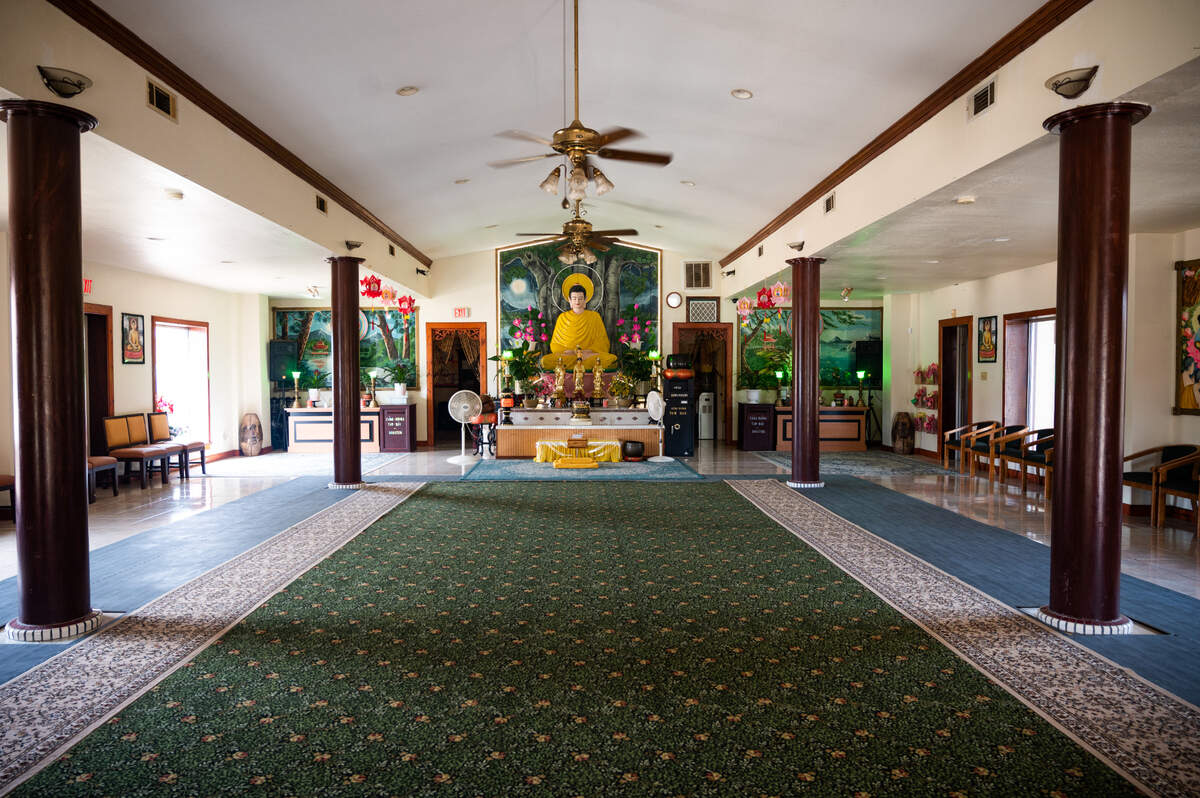
On the Sunday before the 15th anniversary of Katrina, half a dozen women knelt before the statue of the Buddha inside Chua Van Duc. It was the same one that had sat there before Katrina. None of the temple’s Buddha statues had broken in the storm, Kennedy said.
“Unbelievable,” she said, still marveling 15 years later.
The sounds of the speaker system at Vietnamese Martyrs Church, where the 9 a.m. service was under way, floated in through the temple’s open doors, and Catholic prayers mingled with Buddhist chants.
At 11 a.m., a few hundred parishioners at Vietnamese Martyrs wore masks and sat on pews marked to encourage social distancing. Sunlight filtered into the sanctuary through stained glass windows that survived Katrina.
Father Thang’s service described the verse of Matthew in which Jesus says, “You are Peter and upon this rock I will build my Church, and the gates of the netherworld shall not prevail against it.”
The reading for the day was set well in advance by the United States Conference of Catholic Bishops. It was only a coincidence that as the fifteenth anniversary of Hurricane Katrina approached, it seemed to speak to the bedrock strength of a church, a temple, and a community that survived high water.
Clarification: An earlier version of this story quoted the version of Matthew 16:18 contained in the Berean Study Bible, rather than the version used by the United States Conference of Catholic Bishops. Father Thang spoke in Vietnamese, not English, so the article’s description of the verse he cited is not a direct quote. The U.S. Conference of Catholic Bishops uses this version of Matthew 16:18: “You are Peter and upon this rock I will build my Church and the gates of the netherworld shall not prevail against it.”
This story was originally published August 28, 2020 at 5:00 AM.