
Could Biloxi Bacon help in fight against COVID-19? It has a long legend of health benefits
Drum roll, please. I may have stumbled upon a cure and prevention for COVID-19, but in this era of fake and questionable cures and misinformation overload, please understand I write this with tongue in cheek and fishy breath.
But it’s a story worth telling because it involves us. This questionable medical panacea is found at both the back and front doors of the Mississippi Gulf Coast, meaning in our bays and sound.
So here’s the da-dum-da-dum drum roll, followed by (are you ready?) Biloxi Bacon! In these geographically correct times you might also hear it called Bay Bacon.
Long-timers will know what this “bacon” is, but newer folks might scrunch their foreheads.
Biloxi Bacon is a fish, and it has a long history in Biloxi, Bay St. Louis, Pascagoula, in fact all the towns along our Coast. Perhaps that’s why some prefer to call it Bay Bacon, although Biloxi wins hands down in first using the name.
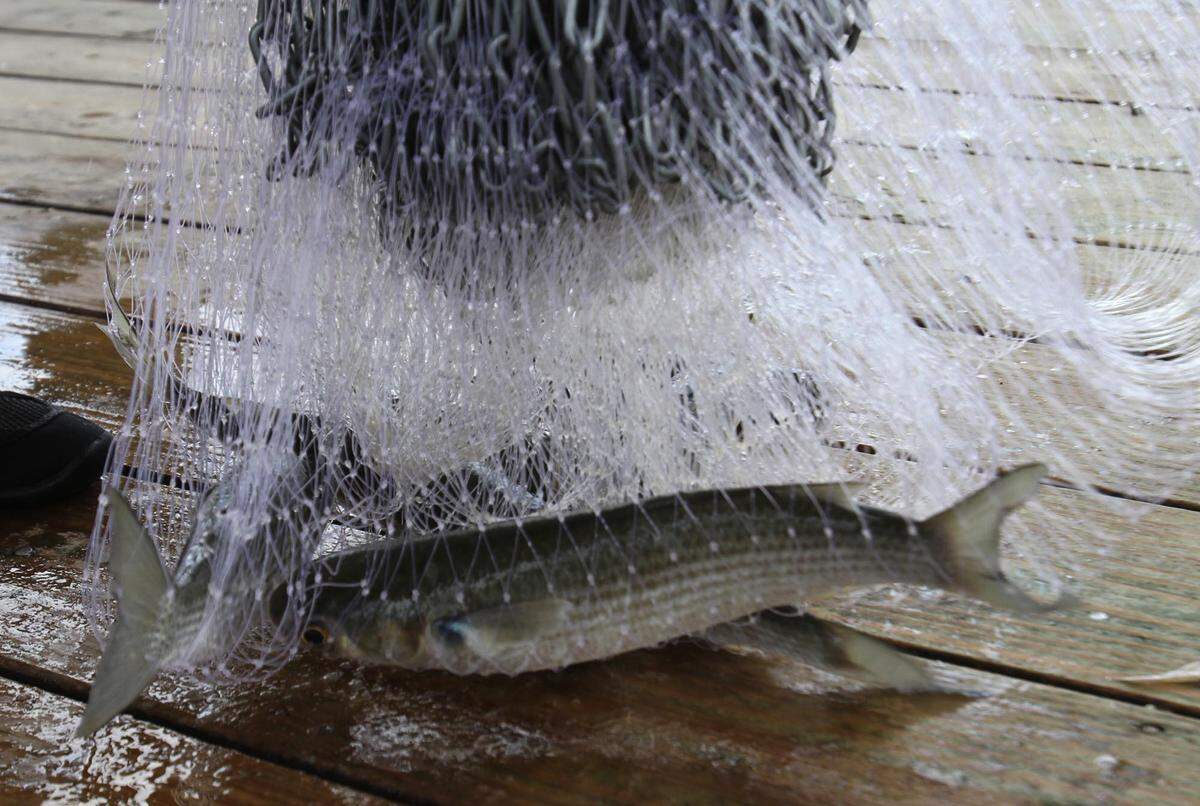
This bacon is in a mullet family also known as pop-eye, silver, striped or black-eyed mullet. This is likely the fish you see making spectacular leaps into the air.
The unsolved mystery of why this species jumps — for joy? for air? To escape predators? — is a whole ’nother story. Today, however, we explore its long-forgotten properties. I’ve written a lot about our mullet over the years, but only just located 120-plus-year-old articles that tout its medical raison d’etre.
This interesting one comes from this newspaper, published July 1905 but without writer credit or identification of the quoted oldest inhabitant:
“’Speaking of theories, I have a theory that the mullet is the great preventative of disease,’ says the oldest inhabitant.
“’I have never heard of a man catching any contagious illness while under the influence of mullet. There is something about Biloxi Bacon which lubricates the system from the wheels of the head to the soles of the feet so that a germ slips up and loses its grip. Eat plenty of mullet and fear not, is my motto.’”
Germs? COVID-19? Why not?
This is not the only mention I’ve located of an early belief about eating mullet for health.
Another article published the next year, 1905, takes exception to histories that do not acknowledge that Biloxi and the Mississippi Coast are older than New Orleans. In defense, this again unnamed newspaper writer states, tongue-in-cheek:
“Christopher Columbus’ voyages had Biloxi as their objective point and Ponce de Leon was, in reality, searching for the Biloxi Bacon which gives perpetual youth and not for the fabled fountain, of which history erroneously speaks, when he came to this country... People writing about Biloxi’s history should take the pains to be accurate.”
Mullet for longevity. Okay!
Yet another early belief has slipped from our collective memories. This one has to do with instilling a siren-like effect on any visitor who comes to the Coast and eats mullet — be it pan-fried, smoked or grilled.
This from November 1899:
“Mr. J.V. Herbelin and family of this city [Biloxi], having sold their personal property here, left last evening for New Orleans, where they expect to reside in the future. Having eaten of the mullet, or Biloxi Bacon, it is only a question of time before they will again return to this city.”
That’s a theme in other early news articles mentioning mullet. Instead of laughing or scoffing, don’t you think we should revive this belief for 21st-Century visitors or for any residents who dare to move away?
Such possibilities aside, there’s serious real history behind Mr. and Mrs. Mullet. During several wars, financial depressions and recessions when food and money were scarce, mullet kept locals from starving to death.
This from the “The War of the Rebellion” official records, extracted from an 1862 report in which a Union officer describes the no-shots-fired surrender of the townsfolk of Biloxi:
“The people appeared to be in a very destitute condition, some wanting shoes, some clothing and others bread.
“One smart-looking lad said to his mother, in the hearing of the officers, ‘I don’t care if I do get taken prisoner,’ to which the other replied, ‘Nor I either for then I shall be sure to get enough to eat.’
“Another chap of rebellious tendencies said, ‘I’ve heard some talk of starving us into submission, but they’ll have to put a blockade on the mullet (some kind of fish) before they can do this.’”
Yet another fascinating quote on the Coast bacon comes from Gulfport co-founder W.H. Hardy, who in 1916 wrote a letter to the editor:
“I want to make a special plea for the mullet, the poor man’s fish. When I came to the Coast 25 years ago to begin the building of the Gulf & Ship Island Railroad, the waters of the Mississippi [Sound] were alive with mullet. The increase in the population along the Coast and the ruthless destruction of the roe mullet accounts for the difference.
“The man who ‘killed the goose that laid the gold egg’ was not half as big a fool as are we, who kill the mullet that lay millions of golden eggs.”
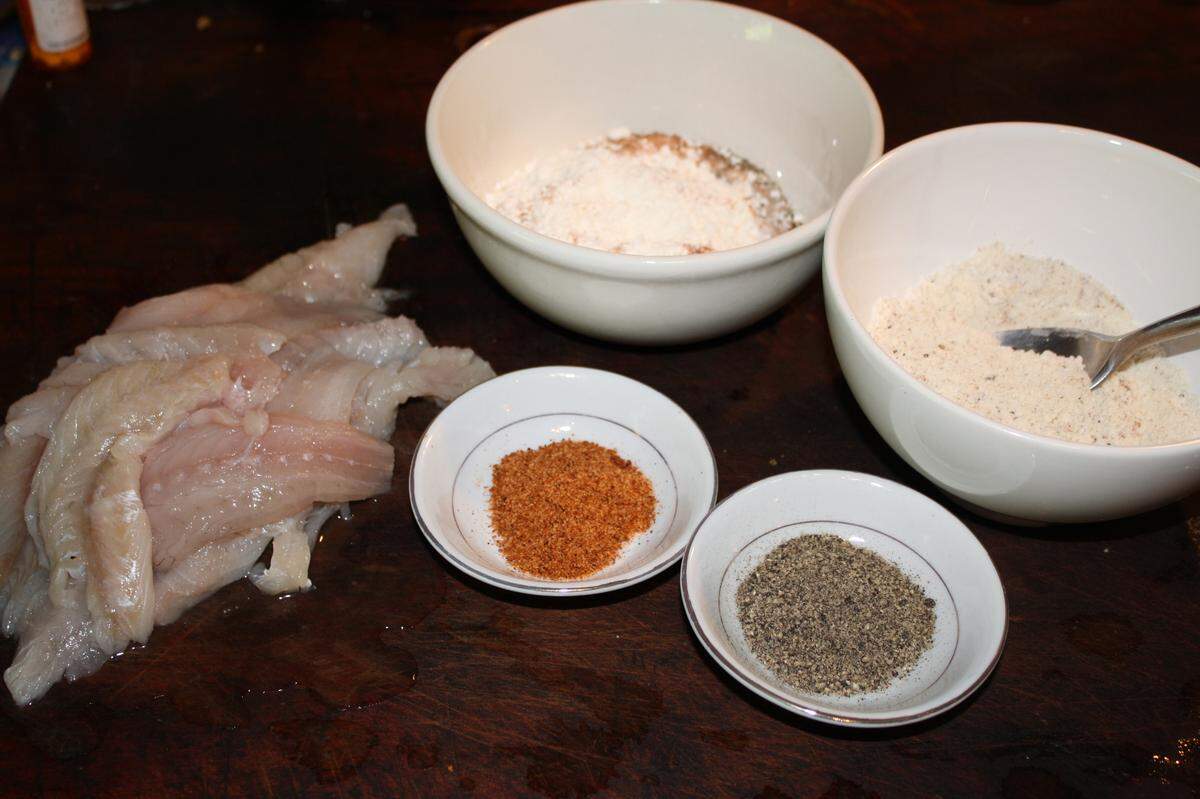
The mullet roe was prized overseas and in this country, and uncontrolled harvesting of the fish eggs (often discarding the fish meat) caused the state to regulate from time to time, although mullet never returned to former numbers. Thankfully, we still have some mullet, and you can find their fillets at local seafood markets.
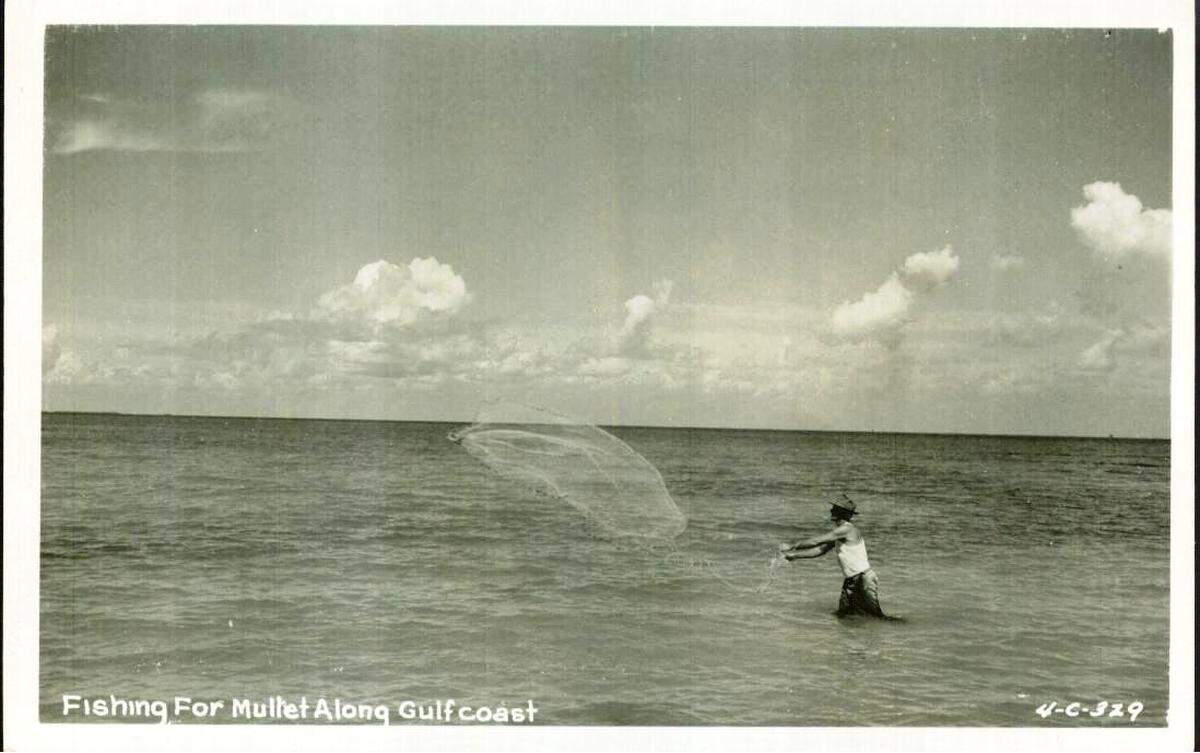
You also may see someone casting a net off a pier, skiff or bank, or from the water wearing waders. Locals call those hand-thrown cast nets “mullet guns.”
When former president Franklin D. Roosevelt visited Pass Christian in June 1915, he supposedly bought a mullet gun.
“The old saying is that if a visitor eats some of our mullet, he will be sure to return,” the newspaper reported about Roosevelt, who did visit here several times.
So there it is again, those fantastic beliefs about mullet miracles. Maybe I’m not so off-base about a possible fishy COVID cure.
Kat Bergeron, a veteran feature writer specializing in Gulf Coast history and sense of place, is retired from the Sun Herald. She writes the Mississippi Coast Chronicles column as a freelance correspondent. Reach her at BergeronKat@gmail.com or at Southern Possum Tales, P.O. Box 33, Barboursville, VA 22923.