MS Coast hospitals are fighting to retain nurses during crippling shortage. Here’s how.
Mississippi Coast hospitals are strengthening their efforts to retain existing nurses as critical staffing shortages plague the state during the coronavirus pandemic.
Lucrative travel nursing contracts, COVID-19 fatigue or more competitive salaries outside of Mississippi have local nurses leaving the area in droves, leading to experimental retainment efforts in South Mississippi.
Memorial Hospital at Gulfport recently rolled out a student loan repayment option for nurses, and Singing River Health System plans to offer an option for nurses to receive their paychecks “on-demand,” or as soon as a day after they work a shift in the new year.
The Pascagoula-based hospital system has recently increased wages and overtime pay for employees and said they’re working on the launch of a few other retainment opportunities for their nurses.
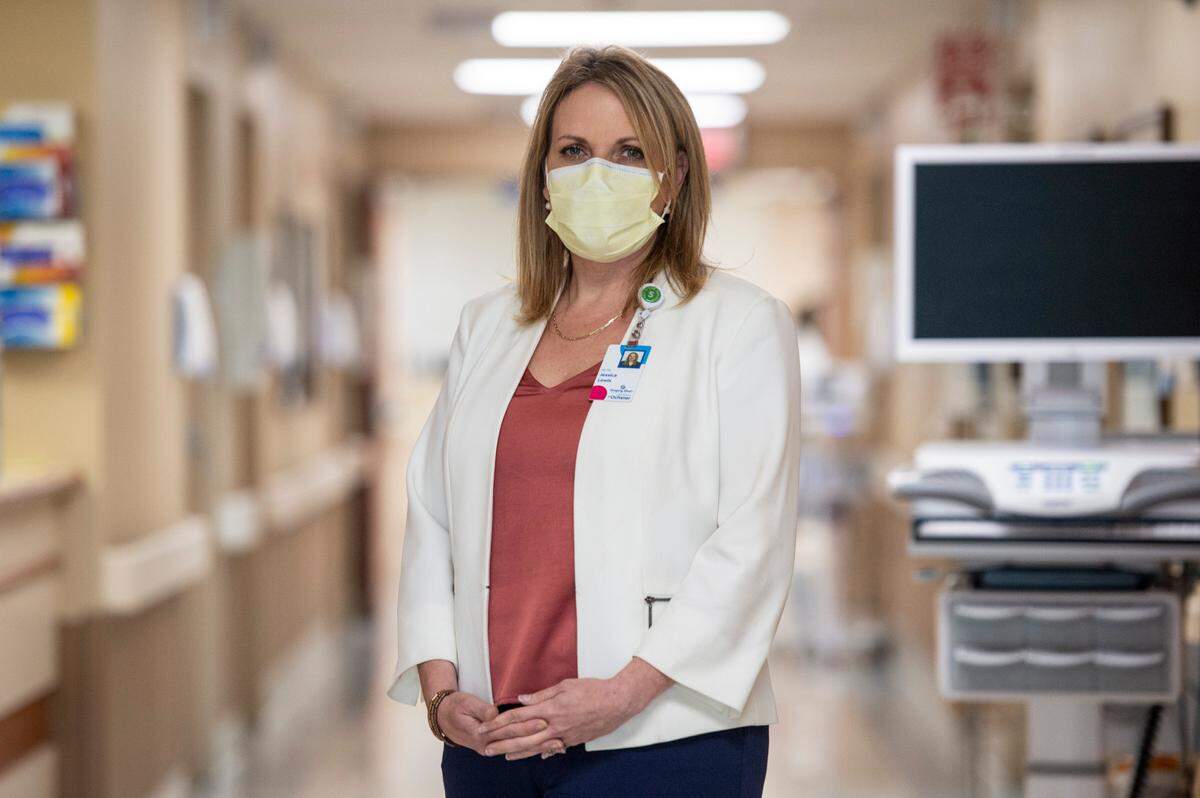
“We just want to make sure people realize we’re working very hard on it,” said Jessica Lewis, Singing River’s executive director of human resources.
Merit Health in Biloxi said they offer existing employees “enjoyable perks and experiences focusing on creating a positive and engaging culture,” but did not specify what incentive programs they are offering.
“We, along with hospitals nationwide, continue to explore ways to recruit and retain health care professionals during these unprecedented times,” Merit marketing manager Amy Bowman said.
Ochsner Health system did not respond to the Sun Herald’s request for nurse retainment plans.
Incentive options to retain nursing staff differ from the sweeping recruitment incentives these hospitals are offering potential nurses. Existing staff do not receive stipends the way new nurses might gather sign-on bonuses at the same health care systems.
Singing River is offering up to $15,000 sign-on bonuses, $2,000 travel incentives, flexible scheduling and other perks for new nurses. Memorial offers pay incentives up to $10,000 for new nurses, pay incentives for short-term contracts and 12 week temporary assignments for up to $80 an hour, among other benefits.
Merit also offers up to $10,000 sign-on bonuses for new nurses, with $2,500 referral bonuses. For an emergency department nurse, Merit offers $16,000 sign-on bonuses for full time day shifts, with $5,000 referral bonuses.
Former Memorial nurse speaks out
Dale Peoples, a registered nurse from Wiggins, took a position in hospital administration during one of the MS Coast’s fatal COVID waves, when more lucrative opportunities were popping up. He had formerly been an emergency room nurse at Memorial Hospital’s campus in Stone County.
“An opportunity presented itself at the right time and before that, I never would have thought about it, because I loved working in the ER. But that opportunity presented itself and it was too much to pass up so I took a salaried job in hospital administration,” he said.
People’s experience isn’t unique — opportunities to leave nursing in Mississippi, a state with mostly non-profit health care systems, for better-paying positions are hot. And before he left hospital bedsides, Peoples said he was able to collect large amounts of overtime pay and other retainment incentives.
“Memorial Hospital made it competitive to keep their nurses,” Peoples said.
“At Memorial, if you were working there already, to keep you there they would offer contracts for full-time employees where if you worked so many extra shifts... they would pay you a large sum of money.”
Peoples said he also received an hourly increase while on the hospital floor.
Memorial’s Human Resources Director Tony Alves said the retention of nurses is a top priority for the health system.
“Our most valuable asset are our employees. To ensure that we continue to provide the absolute best service possible to our community, we are continuously reinvesting in our employees,” he said in a statement to the Sun Herald.
The newest program Memorial offers is the student loan repayment option, which offers inpatient nurses and registered nurses working in long-term care facilities student loan repayments of up to $20,000 for two-year contracts.
The hospital also offers financial add-ons to current salaries, up to $10 extra an hour, and holiday paid time off payouts. That program provides a special one-time payment of up to 80 hours of accrued paid days off.
“The allure of seasonal premium pay also provides our nurses opportunities for a higher pay rate to assist with increased demands, especially in critical shortage areas,” Alves said.
Increased benefits for Biloxi, Singing River nurses
Merit has begun to offer “comprehensive compensation packages” for nurses including tuition reimbursement, flexible scheduling, and sign-on bonuses.
Singing River has held out on student loan repayment options because they’re confident the federal government will soon roll out forgiveness options.
But Lewis said to retain talent, the health care system has spent over $10 million out of pocket on incentives and retention of its workforce in the past six months.
This money has been spent on overtime work rates, mostly. Lewis said a standard nurse works 36 hours a week but if they pull an extra day, Singing River pays nurses in critical areas like the med-surge, ER, ICU, respiratory and labor and delivery units an additional $400 per shift on top of any overtime work rates.
And at the beginning of 2022, Lewis said that Singing River will offer “pay on demand,” a type of short turn-around payment option.
“That means is like if you work today, you can actually take your paycheck out tomorrow if you need it,” Lewis said.
But the hospital is has continued to push for additional support from local and state leaders to address the nursing shortage and sustain talent on the MS Coast while the nursing marketplace remains cutthroat.
But health officials continue to stress the need for state and local leadership’s help to sustain talent in a cutthroat nursing marketplace.
“We’re currently working with our state and local leaders to get...federal money that was designated to be utilized for impacts of COVID,” Lewis said. “We’re really hoping if we can get this money, it’s going to allow us to offer those incentives to our existing employees.
“Right now, the incentive that we’re offering our employees for helping out and pulling the extra shifts and doing extra things is truly coming out of our bottom line as a nonprofit organization.”
This article and live event is supported by the Journalism and Public Information Fund, a fund of the Gulf Coast Community Foundation.
This story was originally published November 21, 2021 at 7:50 AM.