Why isn’t MS united in COVID fight like it was after Katrina? ‘Disaster of our own making.’
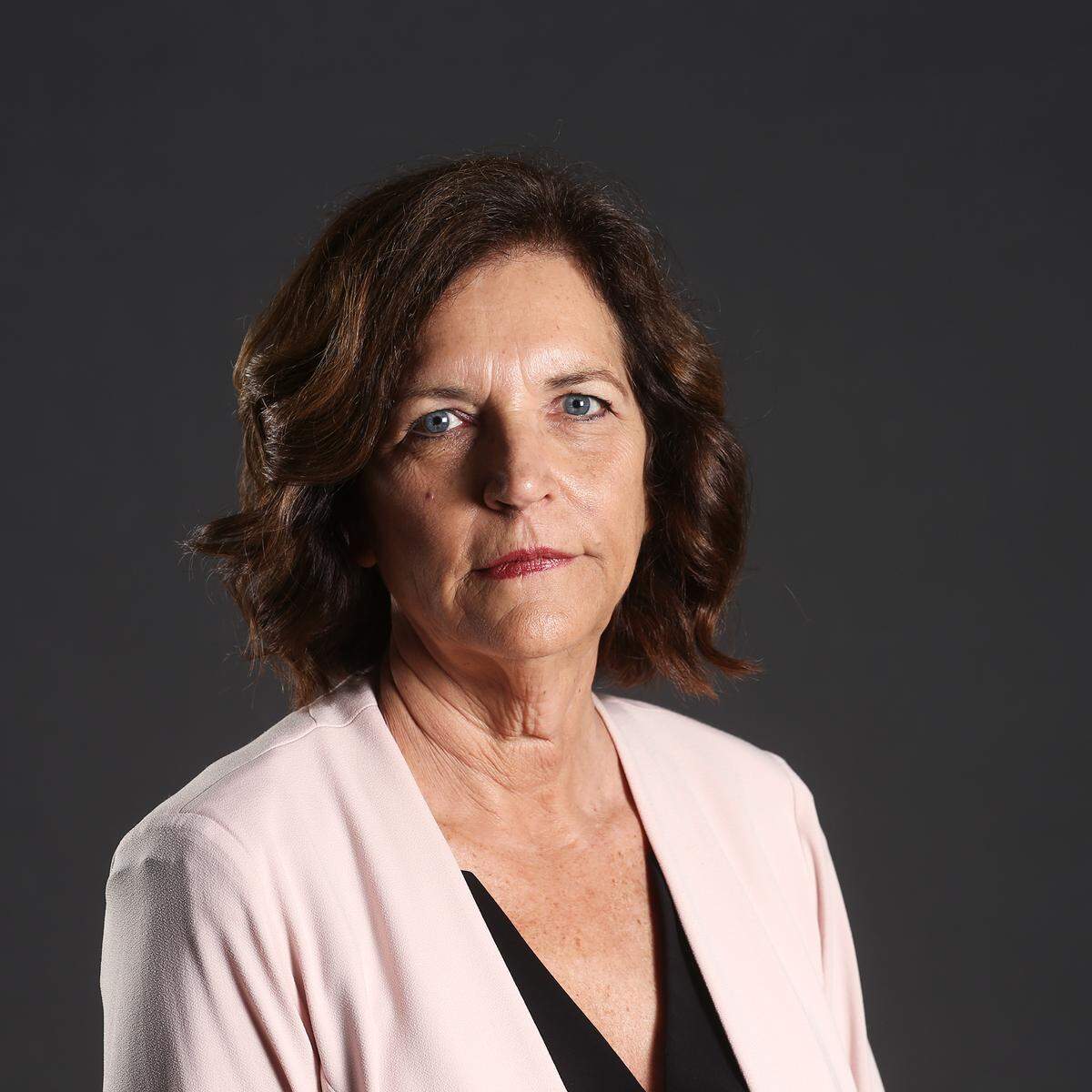
From a parking garage turned into a COVID-19 hospital in Jackson, Dr. LouAnn Woodward let Mississippians know just how disappointed she has been in the state’s pandemic response.
She called record COVID caseloads that have filled Mississippi’s hospitals beyond capacity “a disaster of our own making.”
“We as a state, as a collective, have failed to respond in a unified way to a common threat,” Woodward, dean of the University of Mississippi School of Medicine, said during the news conference Tuesday at University of Mississippi Medical Center. “We have failed to use the tools that we have to protect ourselves, to protect our families, to protect our children and to protect our state.”
“We have an effective and available, and a safe and a free vaccine, that we are not using to its fullest capacity.”
Instead, the state has summoned federal and charitable assistance to supplement a thin and “traumatized” health care staff as the highly contagious delta variant leads to COVID case records in Mississippi. Hospitals are filled with unvaccinated COVID-19 patients, many of them younger than those from earlier spikes.
Two field hospitals will be operating out of the UMMC parking garage by Wednesday, the first already opened with federal health care workers and a second run by Franklin Graham’s nonprofit Samaritan’s Purse.
Samaritan’s set up its first COVID field hospital in Italy and did not anticipate needing them in the United States, Edward Graham, Franklin Graham’s son, said at the news conference.
‘Delta is different,’ killing younger residents
Mississippi State Health Officer Dr. Thomas Dobbs said the latest statistics Tuesday show that unvaccinated residents account for 98% of COVID cases, 93% of hospitalizations and 85% deaths.
“It’s very clear,” Dobbs said. “I think everybody knows that delta is different. Delta is deadly and we’re seeing stuff that we haven’t seen before. We’re seeing a lot of people in ICU — 20s, 30s, 50s.
“Instead of seeing women bury their parents, we’re seeing women bury their children. It’s a sad and heartbreaking thing.”
Both Woodward and Dobbs said the delta variant has not reached its peak. If unvaccinated residents start getting vaccines now, Woodward said, cases might go down in October.
Woodward said she has always been proud of how Mississippians rally after a hurricane or tornado. They show up in devastated areas with food and chain saws.
“Everybody wants to pitch in and help,” she said. “It’s a personal response and, for whatever reason, this has turned into something different than that.
“People have turned it into a political issue. They have turned it into other things that it’s not. We all have the opportunity to rally around this.”
She said vaccination is the only way to stop the surge and help ensure a new variant doesn’t come along that’s worse than delta.
“We do not have to be here,” she said, “but this is where we are. Our health care workforce all across the state is traumatized. We are in trouble. I implore you, if you have not yet gotten vaccinated, please do so right away.”
On Tuesday, a total of 1,623 people were hospitalized across the state. Dobbs has said that 15% of hospitalized COVID patients will die, meaning 243 of those patients won’t be coming home.
Patients stacking up in hospital ERs, hallways
Dobbs said Plan A is vaccination and Plan B, for anyone over the age of 12 who gets COVID-19, is monoclonal antibody treatment to fight off serious illness and hospitalization. Federal workers also are being added statewide to beef up clinics for antibody treatment, which is already widely available.
“If you get COVID,” Dobbs said, “you pretty much need the antibody treatment. It could save your life.”
The Mississippi Emergency Management Agency is working with the U.S. Department of Health and Human Services to bring in health care workers who can staff 250 additional hospital beds and almost 100 ICU beds statewide. He said that 11 hospitals have requested personnel and he hopes staff will arrive by next week.
On the Coast, Singing River Health System has added COVID beds at its Ocean Springs Hospital and hopes to add them at Singing River Health System in Pascagoula when beds are available.
Around the state, ICU patients are being treated in hallways and emergency rooms, and some on high-flow oxygen are being care for in non-tradititional spaces, said Dr. Alan Jones, UMMC’s associate chancellor for clinical affairs.
“In terms of the state of the hospital system,” he said, “we’re standing in a garage with field hospitals. I think that speaks for itself.
“Health care in Mississippi is not good right now, in terms of what we can do, just from the standpoint of being able to care for patients the way we as physicians would expect to care for a patient.”
Staff Writer Mary Perez contributed to this report.