Deeper channel, bigger ships heralded for Gulfport’s port, but questions remain
AI-generated summary reviewed by our newsroom.
- The U.S. Army Corps recommends state port channel deepening to 46 feet.
- Initial cost is $548,216,000; federal share is more than $411 million.
- The report finds a $1.05 return per $1 spent, equal to a 5% return.
A report from the U.S. Army Corps of Engineers says Gulfport’s state port would fetch an additional 5 cents for every dollar spent to deepen and widen the Gulfport Ship Channel for larger ships.
After 3½ years of study, the Corps’ chief engineer has recommended the project to Congress at an initial cost of more than $548 million. The plug was pulled more than a decade ago on a previous plan to deepen the channel because the cost could not be justified. At 36 feet, the channel is too shallow for larger ships stacked with more containers.
State leaders, including Sen. Roger Wicker and Gov. Tate Reeves, are hoping Congress will approve the channel deepening. Both politicians have sent out news releases lauding the chief engineer’s report and recommendations. Wicker said he will push this year for project authorization by Congress. But approval doesn’t guarantee funding.
“The signing of the chief’s report is an important milestone, but it does not authorize construction or establish a construction timeline by itself,” said a statement that Army Corps media relations in Mobile emailed to the Sun Herald. Many steps remain, including engineering and design work that takes an estimated two years.
“At this stage,” the Corps email said, “we do not have a construction start date or a firm timeline for each step.”
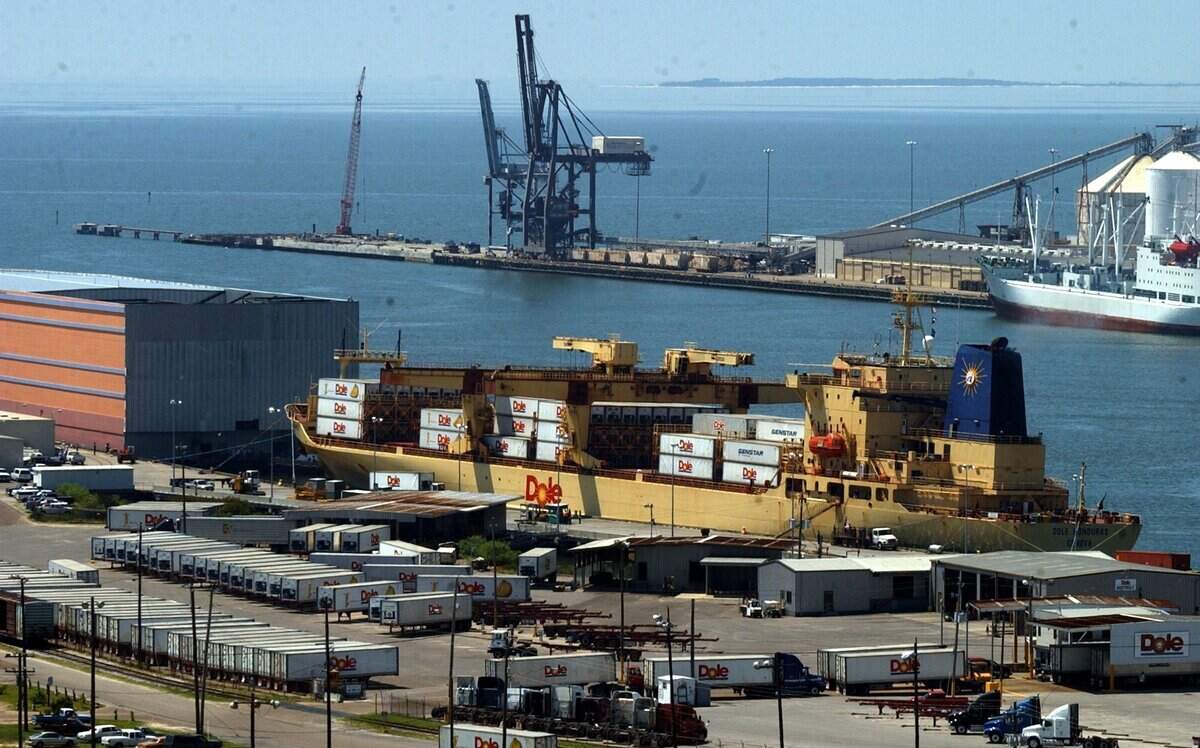
The state is hoping to attract new shipping lines to join longtime cargo carriers Dole, Chiquita and Crowley. Products shipped at the port include bananas, other fruit, cotton, textiles, and paper.
A deeper channel also could mean more rail, truck and barge traffic.
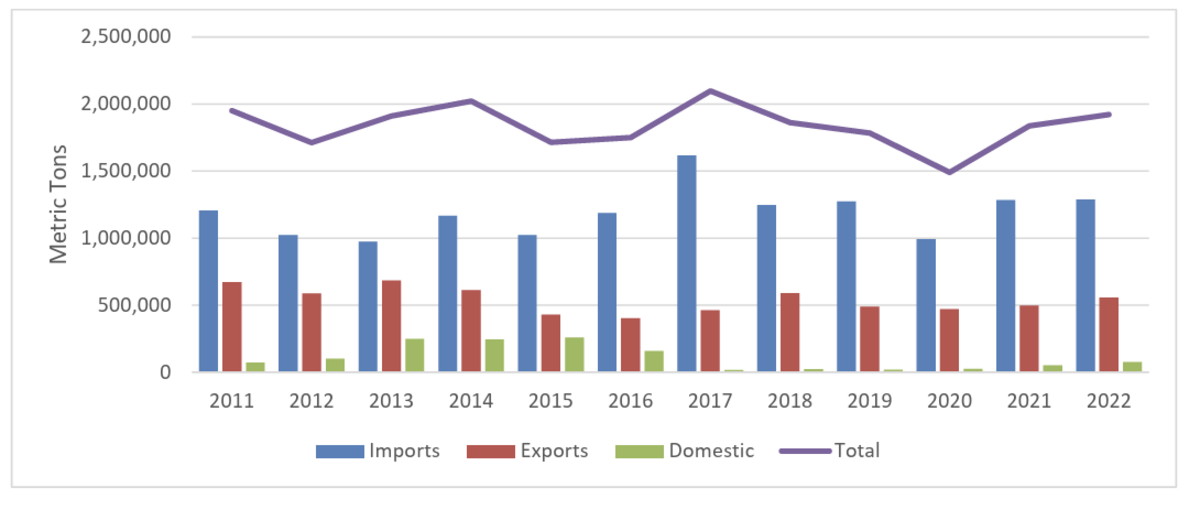
Rail service in Gulfport has been and continues to be upgraded, but is less extensive than competing ports offer in Mobile and New Orleans. The state spent at least $158.5 million on a port connector road to Interstate 10 that was never built. Today, the Mississippi Department of Transportation says it has no funding for the road.
Port CEO Jon Nass said the port can use a truck route that connects to U.S. 49, then the interstate, and can also ship more goods by rail.
The port’s goal is to deepen the channel by 10 feet, to 46 feet, and widen it by 50 feet. The initial cost in 2025 dollars is estimated at $548,216,000, with the federal government paying 75% and the state picking up the remainder. But other costs also will be involved, including $17 million a year the federal government would need to spend on channel operation and maintenance, including annual dredging.
Optimistically, Nass said, channel deepening could begin in as little as five years.
“While there are steps to go and certainly more work to do, not getting to this point would have been a real hindrance to our ultimate goals,” Nass said. “But on top of that, I believe that this is probably one of the harder parts of this very significant and difficult process, so meeting this threshold after three and a half years of work is incredibly significant.”
Port restoration begins after hurricane
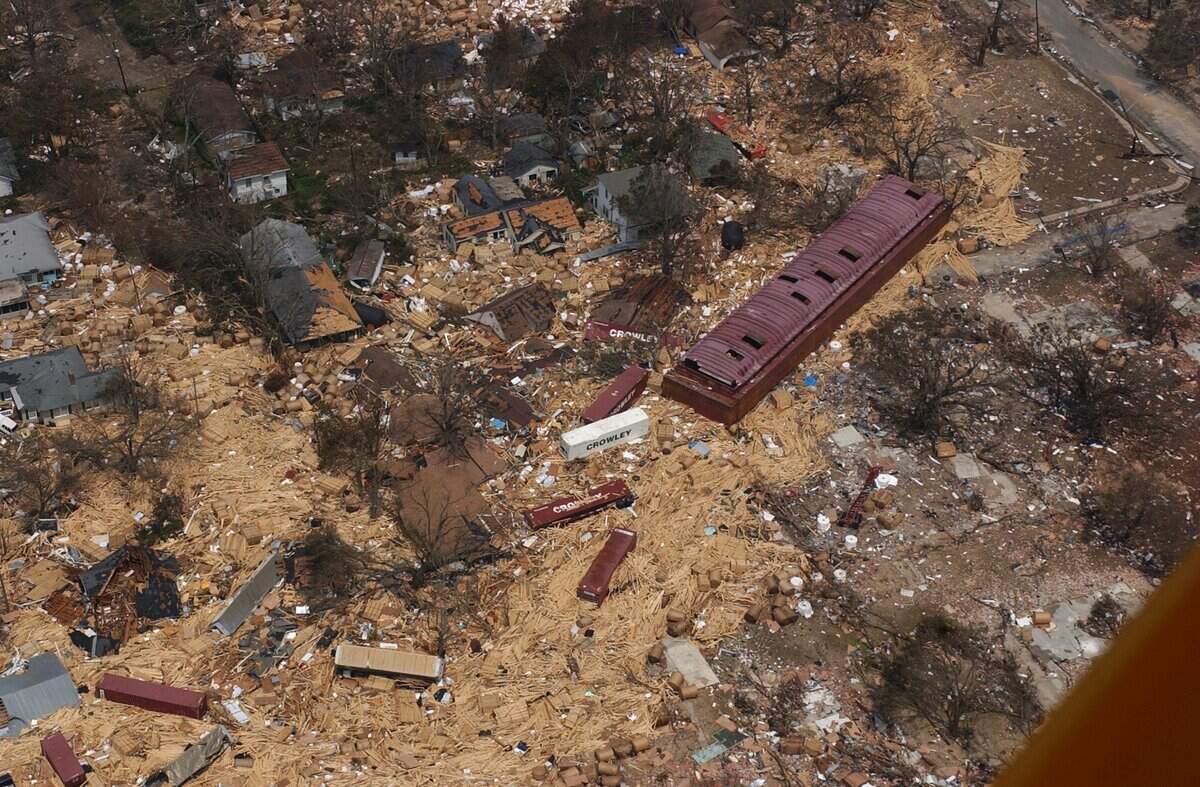
Hurricane Katrina essentially flattened the state port in August 2005. In the ensuing years, the state developed ambitious plans for its expansion.
In July 2009, dignitaries sweated in the shade under a tent pitched on the state port’s West Pier in Gulfport as Gov. Haley Barbour announced what he called, “the biggest economic development project in state history.”
He talked about the thousands of jobs and millions of dollars an expanded port would deliver. A deeper channel was an essential element of the plan, one that would accommodate larger ships from an expanded Panama Canal.
With the promise of high-paying union jobs, Mississippi diverted $570 million from federal Hurricane Katrina recovery funds meant for housing to expand and elevate the West Pier.
Two years later, Barbour conceded to Coast business leaders that the mega-port he had envisioned would not be completed in his lifetime.
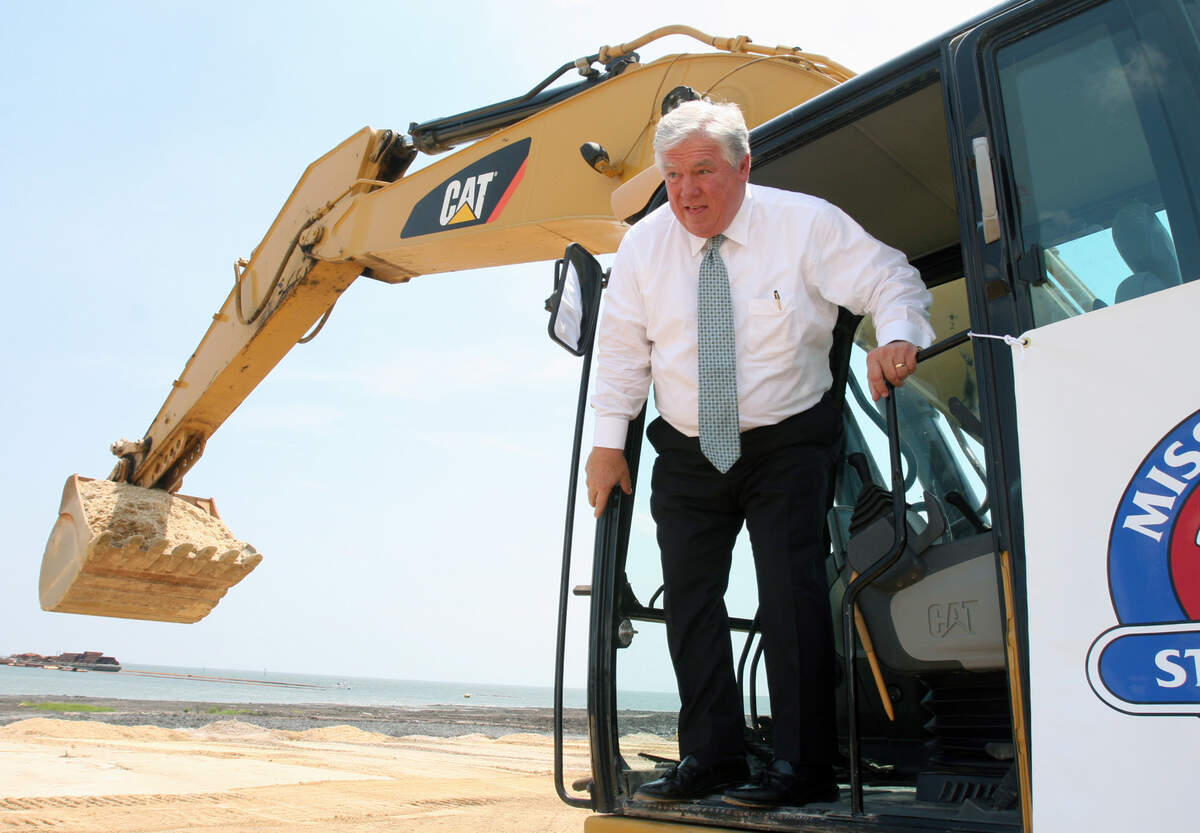
Several years into the project, port officials admitted that Gulfport lacked the market and population base to handle those larger ships. A federal-cost benefit analysis, one of many precursors to funding for a deeper channel, was suspended without the public’s knowledge. The channel would not be deepened after all, residents learned in the summer of 2012.
Succeeding Barbour, Gov. Phil Bryant was hoping to hold onto the tenants the port already had and create the 1,300 jobs needed to satisfy federal requirements in exchange for the Katrina recovery money.
But when all was said and done, the port’s workforce shrunk.
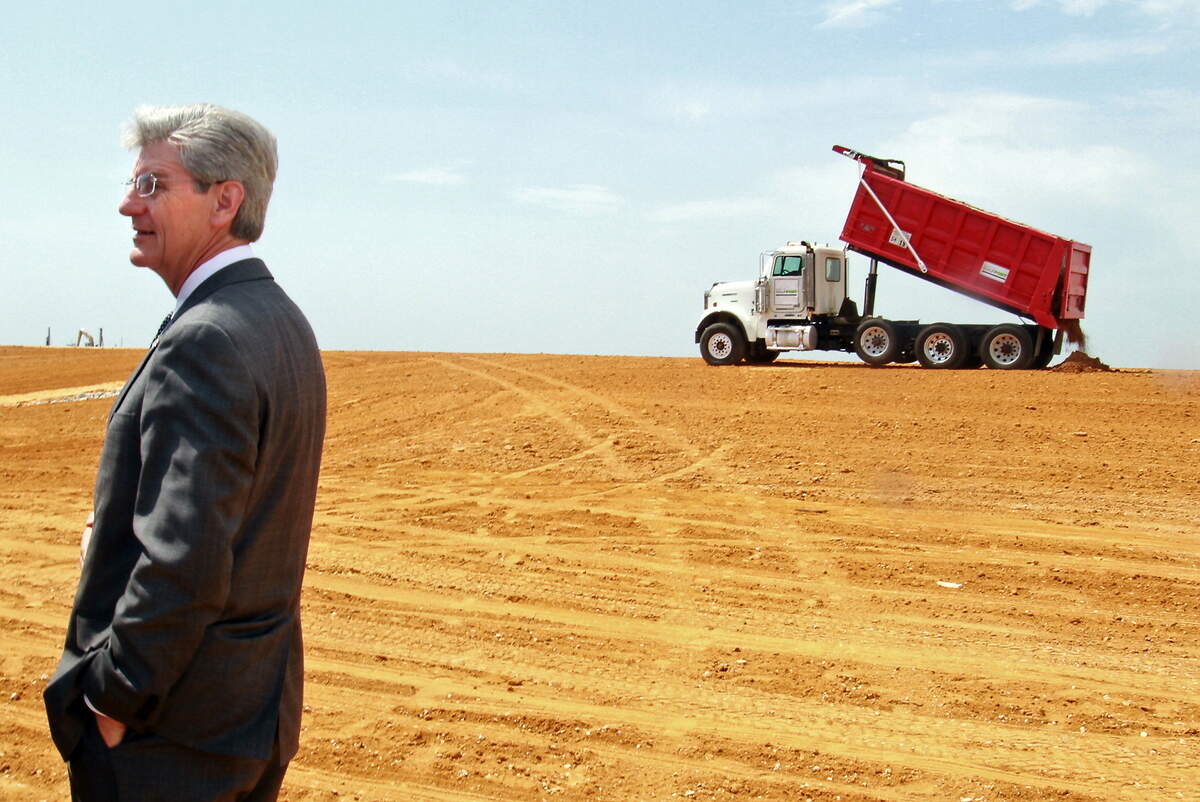
In 2019, the state met its job requirements because the federal government allowed the port to count jobs at Island View Casino Resort, which leases port property on the Mississippi Sound. The 262 higher-paying maritime jobs that the port created wound up costing almost $2.2 million per job, based on a a federal report the Sun Herald reviewed at the time.
Channel deepening push continues
Today, Jon Nass can’t say how many of maritime jobs the port offers. He referred the question to the International Longshoremen’s Association, Local 1303 in Gulfport. ILA president Darius N. Johnson did not respond to a telephone messages from the Sun Herald.
Nass emphasized that jobs paying more than $46 an hour are worth pursuing. He also downplayed the fact that the port operates at a loss. The port posts an operating loss, he said, because it must account for depreciation of assets. On a cash basis, he said, the port is in good shape.
The port serves the same companies that have shipped cargo there for decades: Dole, Chiquita and Crowley. Carriers are looking for inexpensive, fast and reliable shipping options, Nass said.
“That’s the key to growing freight,” he said, “and 46 feet of water is absolutely essential to that.” He said Ports America, a stevedore company that loads and unloads ships, has been shipping military equipment, including Abrams tanks, from its leased West Pier space and is investing millions to attract new container business.
The port was designated in 2015 as a Strategic Seaport for military cargo and equipment shipments.
The port also has longtime tenant Chemours, which ships and stores ilmenite ore. Other tenants lease space at the port, including the National Oceanographic Administration; Ocean Aero, maker of autonomous underwater and surface vehicles; and the University of Southern Mississippi’s Marine Research Center.
“A great deal of time and effort has been invested in growing the port,” Nass said. “It is a huge economic driver for the Coast, and this improvement, it’s almost incalculable what an economic benefit that will bring to the region.”