State funding many economic development projects in South MS. Seven stand out
AI-generated summary reviewed by our newsroom.
- Legislature is receiving $477M for South MS development projects through 2033.
- Panel reviews 87 new applications for 2026 after no disbursements in 2024 and 2025.
- Six flagship projects target cyber, maritime, aerospace, rail, tech parks and housing.
Gulf Coast business leaders want to see millions in special economic development funds spent to create high-paying jobs and to leverage private investment in South Mississippi.
The grant money comes from a settlement the Gulf states reached with BP and related companies over the 2010 oil catastrophe. The Mississippi Legislature controls the funding — a total of $477 million arriving in annual increments of about $30 million through 2033.
Over four years, the Legislature has doled out more than $200 million to projects in the six southernmost counties of Mississippi. The funding has produced only a few projects that promise the kind of transformative economic impact the business community envisioned.
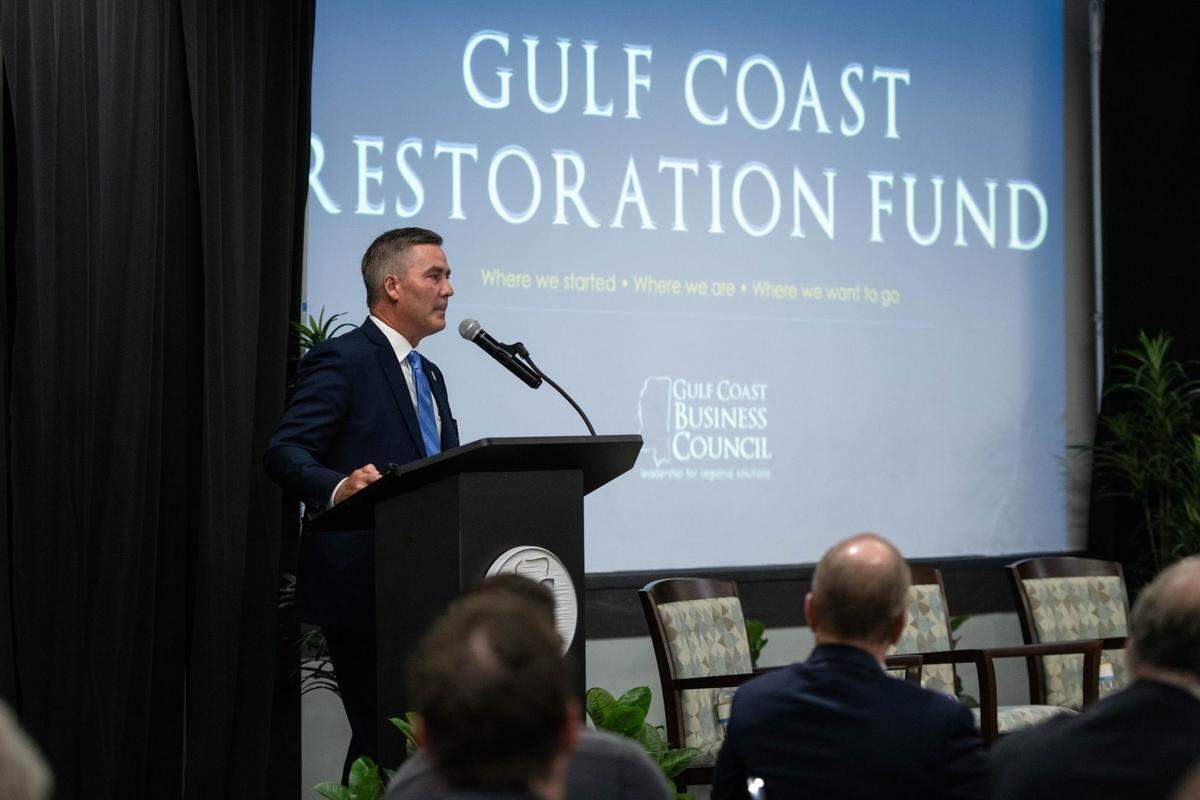
“We’ve seen more small projects coming from cities and counties that aren’t bad projects, necessarily,” said Jamie Miller, president and CEO of the Gulf Coast Business Council. “They just have very little economic impact regionally.”
Legislators have acknowledged that they have tried to spread the money around their districts. For example, funding has gone to a park in Picayune and a hospital cafeteria in Lucedale.. In some instances, the money has been used to fill budget holes, including for a road extension in Biloxi and a public safety building in Bay St. Louis.
No projects were funded in 2024 or 2025 because of overspending in previous years.
A Coast advisory panel is looking at a new round of 87 applications for the Legislature to consider in 2026. Jamie Miller is chairing the panel. He has a unique skill set for the job, having previously served as executive director of the Mississippi Development Authority, which administers the GCRF program.
A Gulf Coast Business Council review of the projects for 2025 concludes:
“While the total volume of applications and funding requests reflect the level of need and ambition across the region, few of the 2026 submissions could be classified as transformational. As we move forward, the Gulf Coast Business Council remains committed to fostering bigger, bolder ideas—projects that not only meet today’s needs but shape tomorrow’s economy.”
Economic development that works in South MS
Here is a list of the projects, among dozens approved since 2020, that Miller believes are on the right track to grow the Coast economy. Matching funds for each project represent what has been reported to the Mississippi Development Authority and can include other public funds, private funding, or both.
Mississippi Cyber and Technology Center: The Legislature has provided a total of $20 million in GCRF funding over several years for the Cyber Center, an initiative led by Mississippi State University that had $17.8 million in matching funds. The center is being built outside Keesler Air Force Base. It will provide training, research and outreach in the growing cybersecurity field. The project is designed to strengthen Keesler’s mission and establish South Mississippi as a national hub for cybersecurity. Multiple partners are involved, including Keesler.
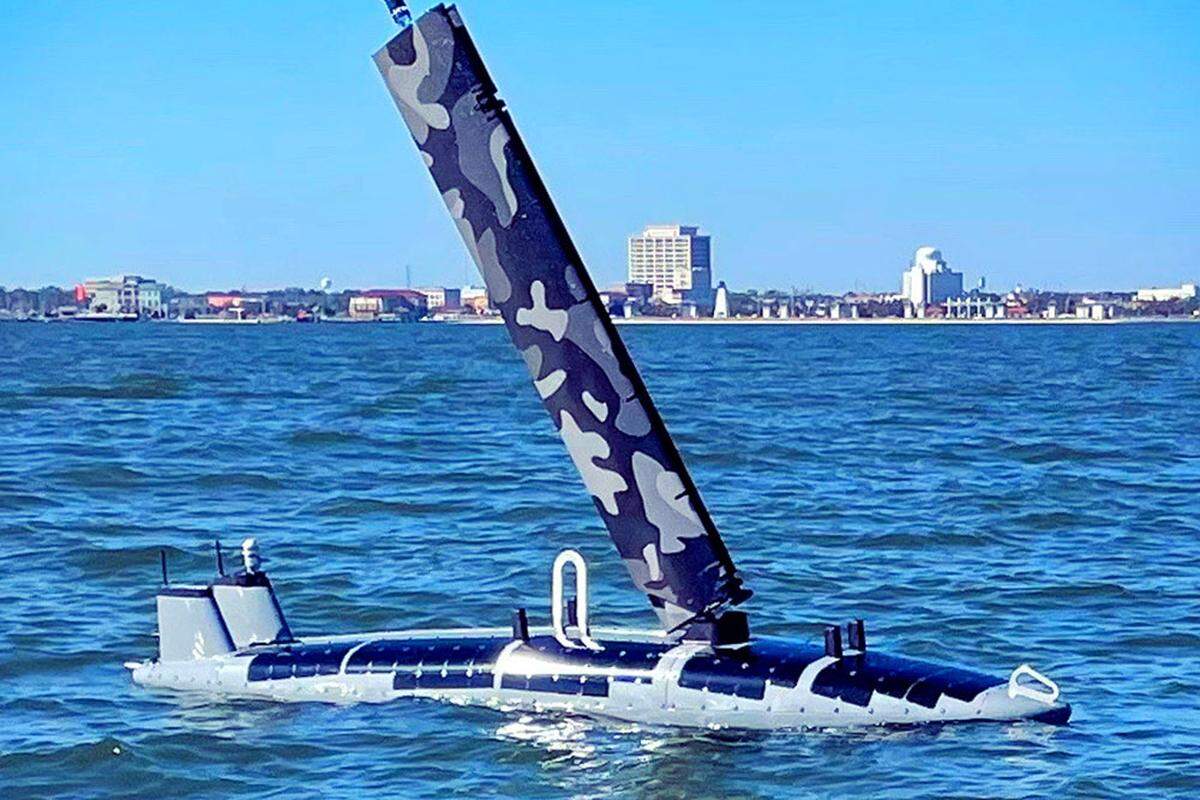
Ocean Enterprise: The University of Southern Mississippi project has received $11.5 million. USM is partnering with federal and industry organizations on research and development of uncrewed maritime systems and technology. The program, which had $20,193,535 in matching funds, is helping develop the blue economy and already bringing high-paying private industry jobs to South Mississippi.
Aviation and Aerospace Workforce Academy: Pearl River Community College has received $1.9 million in GCRF funds for an academy and hangar in Kiln, near Stennis International Airport and Stennis Space Center. Facilities have been completed and the program is training students for aviation and aerospace jobs, with a goal of building a workforce that attracts private industry. The project included $8,084,941 in matching funds.
North Rail Connector: The Port of Pascagoula has received $6.6 million from GCRF for rail improvements that add capacity at the port’s Bayou Casotte Harbor, connecting its rail line with rail owned by Mississippi Export Railroad, which crosses over the Escatawpa River in Moss Point. The project offers $8.9 million in matching funds.
Stennis Technology Park: The Hancock County Port and Harbor Commission received $4 million from GCRF for the park, which is being developed in three phases on 20 acres with $9,296,266 in matching funds. The first phase is almost complete. The park is designed for industries that serve the blue economy, and aerospace and aviation technology, including unmanned systems. It is designed to attract capital investment, grow the tax base and create good-paying jobs.
Pearl River County Technology Park: The Pearl River County Board of Supervisors is using $1.8 million from GCRF to develop a technology park on 30 acres the county owns across from Picayune Municipal Airport. The project includes a $650,000 match. Capitalizing on its proximity to Stennis and easy access to metropolitan areas, the county hopes to attract companies that specialize in advanced technologies and aerospace. Pearl River, its grant application said, hopes the park will help lift wages in the area.
Gulfport Town Center: While numerous cities have received funding for downtown revitalization, this Gulfport Redevelopment Commission project stands out for the amount of housing it will create downtown and the private investment. The mixed-use development, has been allocated $10.5 million in GCRF funds over two years, with $94.6 million in other funding sources. The development will include 136 apartments, a 294-space parking garage to be turned over to the city, retail shops, a rooftop bar and a 115-room Tribute Portfolio by Marriott hotel at the northwest corner of U.S. 90 and 49.