MS grocery tax is falling and the gas tax is rising. Will we save money or not?
AI-generated summary reviewed by our newsroom.
- Mississippi lowers grocery tax from 7% to 5% starting July 1, 2025
- Gasoline tax increases in phases, reaching 27 cents per gallon by 2027
- Top state income tax rate drops from 4.7% in 2024 to 4.4% in 2025
Tax rates change in Mississippi on July 1, when the tax on gasoline rises and taxes on food and personal income decrease.
House Bill 1 shook up parts of the tax code for the first time in decades, increasing the gas tax that had held since 1987 and reducing the sales tax on groceries for the first time since 1992.
Mississippi had the highest state sales tax on groceries and the second lowest tax on gasoline before this bill passed.
These are the new rates:
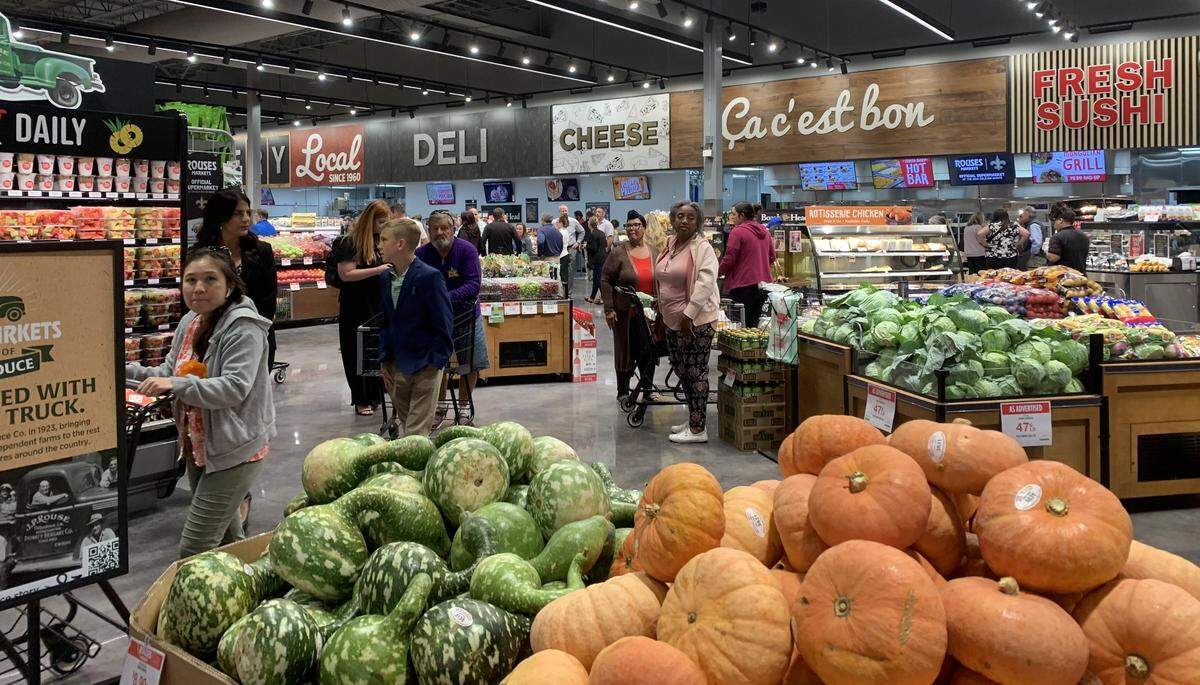
Grocery tax: Decreases July 1 from 7% to 5%. It applies to food and drink for human consumption that would be eligible for purchase with food stamps. Some of the items that will not be taxed at the lower rate are alcoholic beverages, vitamins, hot foods to go and pet food. It does include sodas, chips and other foods that may be something to look at and fix in a future bill, said Sen. Scott DeLano, R-Biloxi.
Most states do not tax groceries, but DeLano said that doesn’t reflect on what shoppers pay.
Louisiana, for example, doesn’t have a state tax on groceries, but New Orleans, Slidell and most cities and parishes in Louisiana can, and do, tax groceries. The new tax rate puts Mississippi in the middle of what people in other states pay.
“The way the bill was written, it holds the cities harmless for the 2% of sales tax that’s not collected under this bill,” DeLano said. The rate of sales tax diverted back to the cities will be adjusted so the local cities still collect the same as they did under the higher rate, he said.

Gas tax: Increases in phases:
▪ Current rate: 18 cents per gallon
▪ July 1, 2025 — 21 cents per gallon
▪ July 1, 2026 — 24 cents per gallon
▪ July 1, 2027 — 27 cents per gallon
After that, increases in the gas excise tax will be tied to inflation.
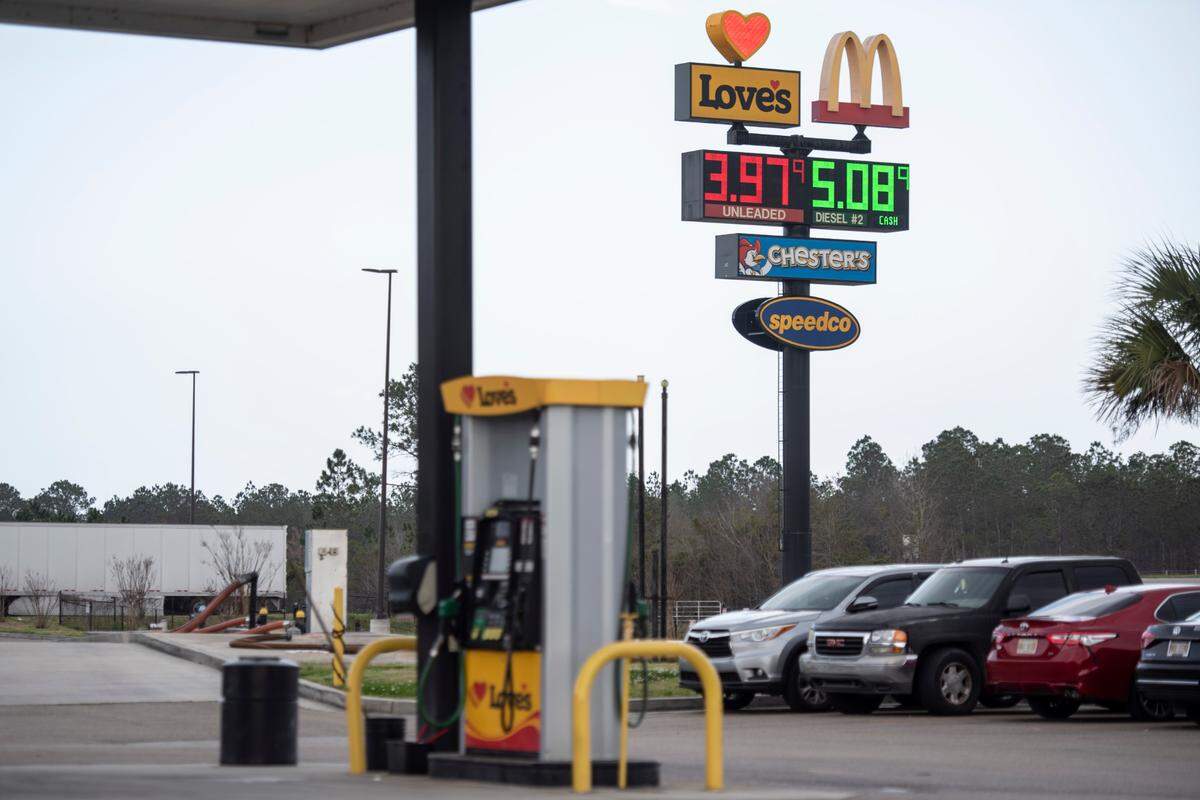
California has the highest gas tax in the country at 61.2 cents per gallon. With the federal tax of 18.4 cents per gallon, local sales taxes and other taxes and fees, about 90 cents per gallon is tacked on to the price of gasoline.
Even with the 3 cents a gallon increase, Mississippi would still have the lowest average gas price in the country this week, according to AAA’s Fuel Prices website. On Wednesday, the average price per gallon of regular gas in Mississippi was $2.63. The next lowest was $2.69 in Tennessee.
The week of Jan. 27 was the last time any state but Mississippi had the lowest gas price in the country, and the average price of a gallon of gas in the Gulfport-Biloxi-Pascagoula area typically is lower than the state average.
Income tax: The top individual tax rate will drop from 4.7% in 2024 to 4.4% in 2025.
The first $10,000 of taxable income will remain tax free.
The current plan is to eventually phase out personal income tax in Mississippi. The HB 1 rate reduction schedule is:
▪ 3.75% in 2027
▪ 3.5% in 2028
▪ 3.25% in 2029
▪ 3% in 2030
Rate reductions could continue if financial and legislative conditions allow.
Will changes save us money?
The new tax rates could be a benefit for many people:
Gas tax: Additional expense of $30.16 per year
A driver who spends $50 a week on gas, paying $2.60 a gallon, will spend under the higher tax rate 58 cents more per week, $2.32 a month and $30.16 a year.
Grocery tax: Savings of $208 a year
A family that spends $200 a week on groceries will save $4 a week in sales tax, which saves $208 a year.
Income tax: Savings of $120 a year
An individual earning $50,000 a year will pay $120 less in Mississippi state income tax in 2025 compared to 2024 under the lower rate.
Under these scenarios, the person would save almost $300 a year under the new tax codes.
How will it all work?
The change in tax rates will be rather seamless for consumers at the stores and gas stations, but a bit of a challenge for the convenience store clerks and smaller businesses.
“There’s a lot of confusion on the city side and the retailer side,” DeLano said. The larger grocery stores have electronic point of sale systems that will handle whether the tax rate is 5% or 7%. For stores that don’t have these systems, the state Department of Revenue provided procedures on the new grocery tax.
“We are excited to be able to administer this reduction to help provide relief on the cost of groceries to Mississippi families,” said MDOR Commissioner Chris Graham.
The system will be based on the SNAP food stamp program. Supermarkets and other food retailers already have the grocery items coded in their system for food stamp exemptions so adjusting it should be straightforward, said Greg Duke, MDOR director of business tax.
The state will contact many of the stores and grocery associations individually to provide information.