Chemours discharges white plume in MS Coast waterway; environmental agency investigating
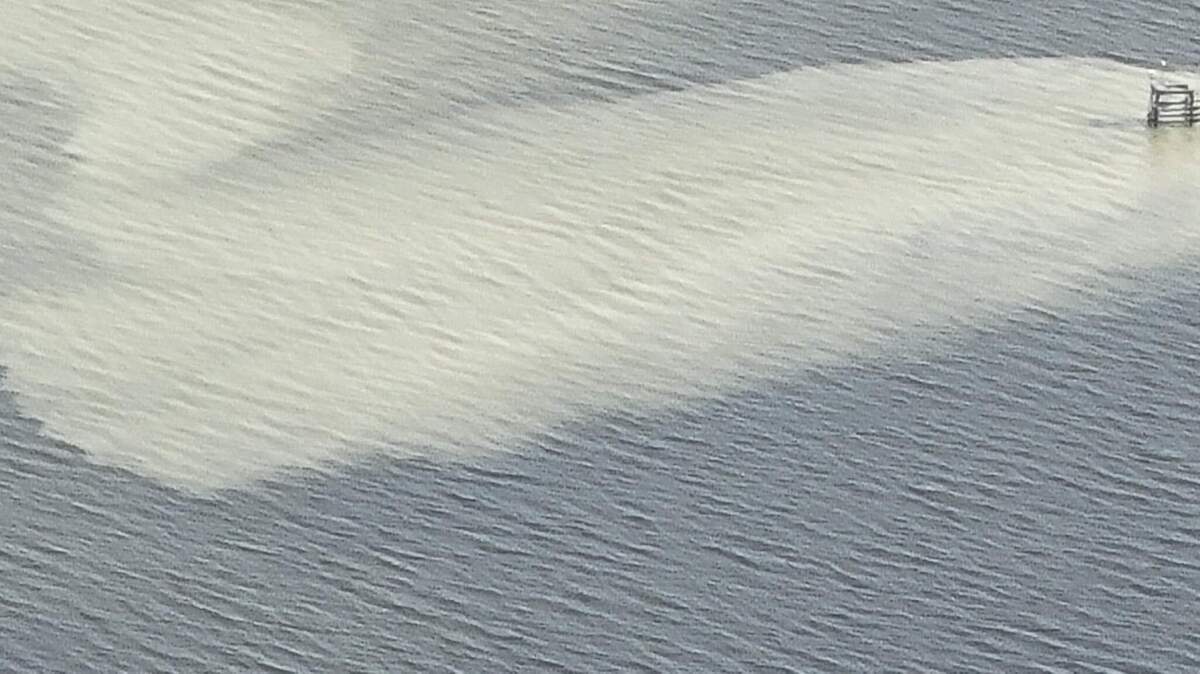
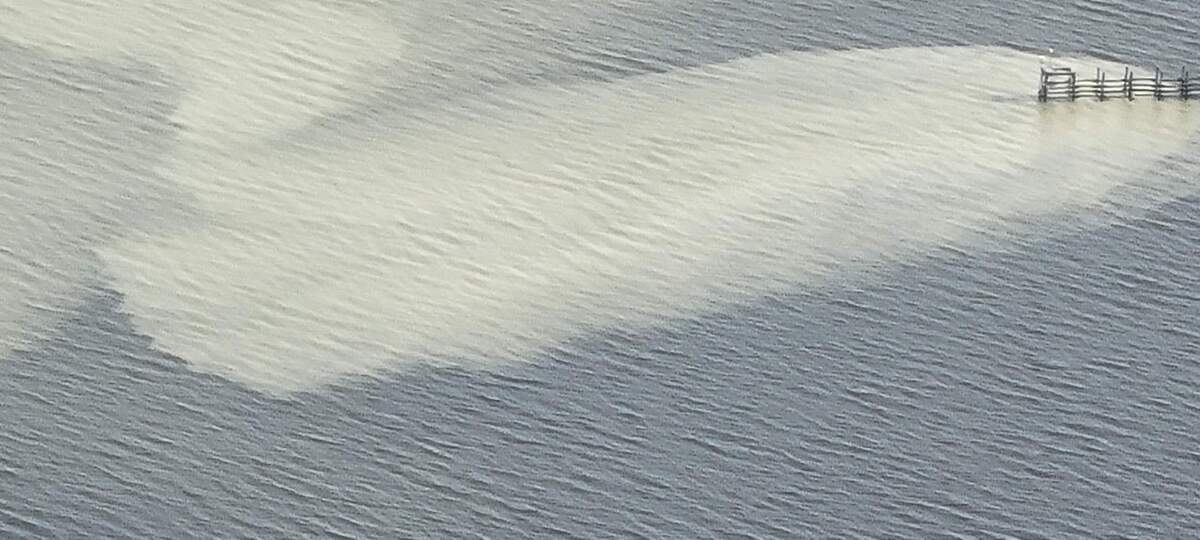
The Mississippi Department of Environmental Quality has been investigating an accidental discharge Feb. 1 from the Chemours plant in DeLisle, which created an unusual white plume visible in the Bay of St. Louis.
Chemours has a permit to discharge treated wastewater into the bay. But the accidental discharge also contained an excessive amount of titanium dioxide, a white pigment that Chemours manufactures, a letter from the company to DEQ says.
“MDEQ determined that the discolored discharge did not pose a threat to human health or the environment,” communications director Jan Schaefer said by email. She later added, “To be clear, MDEQ has made no assertion that the release was compliant with permit conditions or other applicable regulations. Therefore, we cannot comment further on things that may involve possible enforcement until those decisions/actions are final.”
Executive Director Chris Wells told the Sun Herald that the incident is still under review, “We’re still evaluating whether any further action needs to be taken,” he said.
While its permit expired in September 2024, Chemours is operating under its old permit and waiting for approval of its timely application for a new one, MDEQ and Chemours said by email.
The titanium dioxide that Chemours manufactures at its DeLisle plant — known by the chemical formula TiO2 — is used to whiten and brighten everything from paint to sunscreen.
Diamondhead resident Paulette Snyder saw and photographed the white plume while flying over the bay that Saturday morning in a single-engine airplane that her husband was piloting.
“You could see it flowing,” Snyder said. “I just thought it was really wild to see this white streak. But they say this product is in everything and it’s not harmful.”
DeLisle plant releases statement
Titanium dioxide does not dissolve in water. Chemours has confirmed that the titanium dioxide discharged would settle at the bottom of the bay.
“The floor of the bay is sampled quarterly to ensure there is no adverse impact to the aquatic environment,” communications leader Jess Loizeaux wrote in an email. “It’s also important to note that TiO2 is a naturally occurring mineral that is abundantly found in the earth’s crust and is non-hazardous.”
Chemours’ permit required the plant to report the discolored discharge, verbally and in writing, which Chemours did. The subject line of the Chemours letter to MDEQ, dated Feb. 5, referred to the discharge as a “turbidity upset.”
The permit defines an “upset” as “an exceptional incident” involving “unintentional and temporary noncompliance” with discharge parameters.
MDEQ conducted its investigation by evaluating the reports from Chemours and speaking with plant employees, Schaefer said in an email.
Chemours reports to MDEQ
Chemours emailed a statement to the Sun Herald. It said, in part:
“The increased visibility resulted from a disturbance of sediment during our operations, which caused the discharge to have a ‘cloudier-than-usual’ appearance. This issue has since been resolved and (the) discharge has returned to normal. It’s important to note that this non-hazardous discharge, while it was more visible than normal, remained within the permitted discharge limits set by MDEQ.”
Chemours’ letter to MDEQ said equipment washdown sent an excessive amount of the titanium dioxide into treatment ponds, compromising the settling process. A mechanical failure contributed, the letter said.
This story was originally published February 24, 2025 at 5:00 AM.