
Chemours pays thousands of dollars in MS Coast air pollution fine. What to know.
A South Mississippi chemical company has paid a nearly $34,000 fine for air pollution that went beyond specified limits.
The Chemours Co. FC LLC, which operates a plant in Pass Christian that was previously known as Dupont DeLisle, agreed to the fine in late June, according to a written order from state Department of Environmental Quality.
Chemours self-reported to the state that material from a stack test on Oct. 28, 2021, went beyond emission limitations.
In a statement sent Tuesday to the Sun Herald, Chemours said the materials were detected during routine testing.
“During regular emissions stack testing, we noticed a slight exceedance outside required permit levels. A safe shutdown was immediately taken and MDEQ was notified,” the statement reads. “Corrective action was taken during the shutdown. Emissions testing performed after corrective actions were taken indicated all emissions were compliant with permits. Improved process diagnostic instrumentation has been installed to prevent reoccurrence of this issue. Two follow-up tests, in December 2021 and February 2022, showed the emissions were back below permitted levels.”
DEQ spokesperson Jan Schaefer said there was no immediate health threat in October to people living around the plant, which makes titanium dioxide pigment. A short-term release ”while in violation of the permit ... does not mean that levels of particulate matter in the immediate vicinity of the facility posed any acute or chronic health risks,” she told the Sun Herald.
Particulate matter, according to the EPA, are “small solid particles and liquid droplets that are found in the air.” Common examples of this are dust, dirt or smoke, but they can be made up of hundreds of different chemicals or materials.
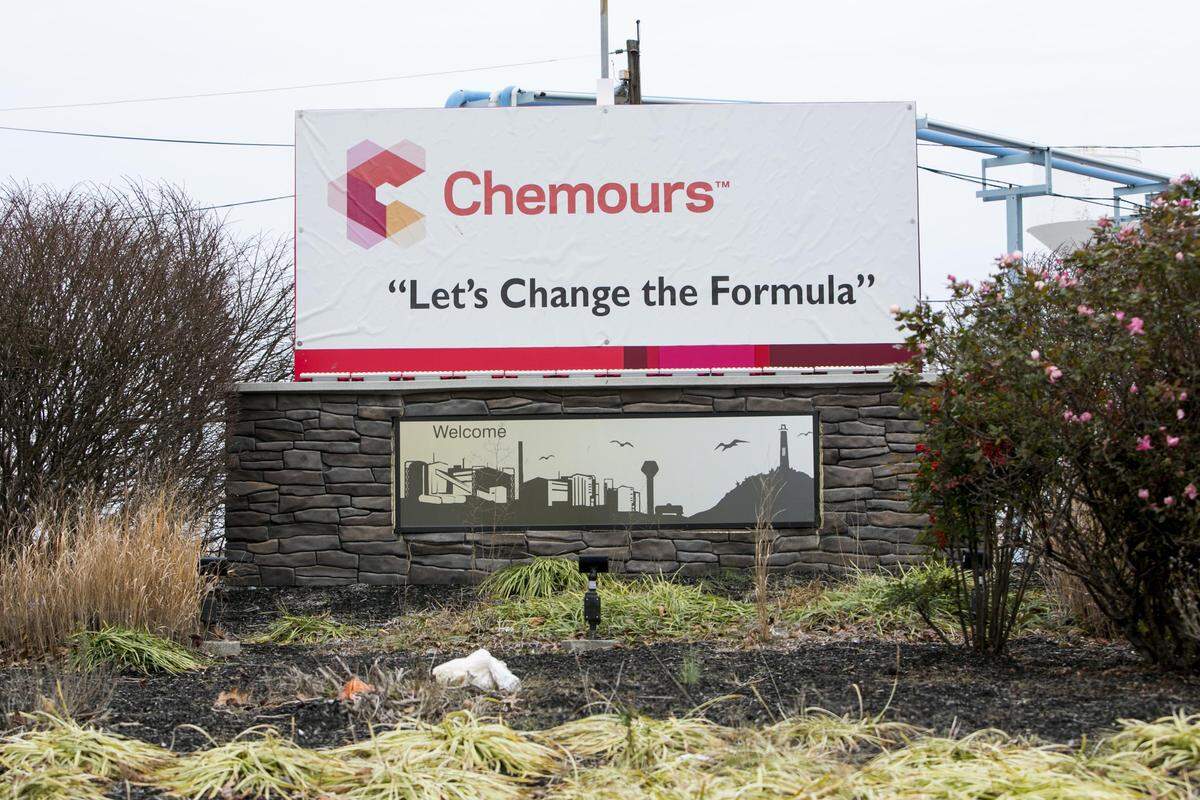
Chemours paid a penalty of $33,750 to the state on July 19.
The penalty was a “negotiated penalty,” which are “case specific and fact specific,” Schaefer said. “In negotiating the penalty for any case, MDEQ considers factors such as the type of violation and the length of time out of compliance.” She said the money will go into a state pollution emergency fund.
Schaefer said the DEQ would have learned of the stack testing violations even if the company did not self report.
Chemours has paid no other fines or penalties to the state in recent years, Schaefer said.