
Singing River and 17 other MS hospitals must return millions in Medicaid funds. Why?
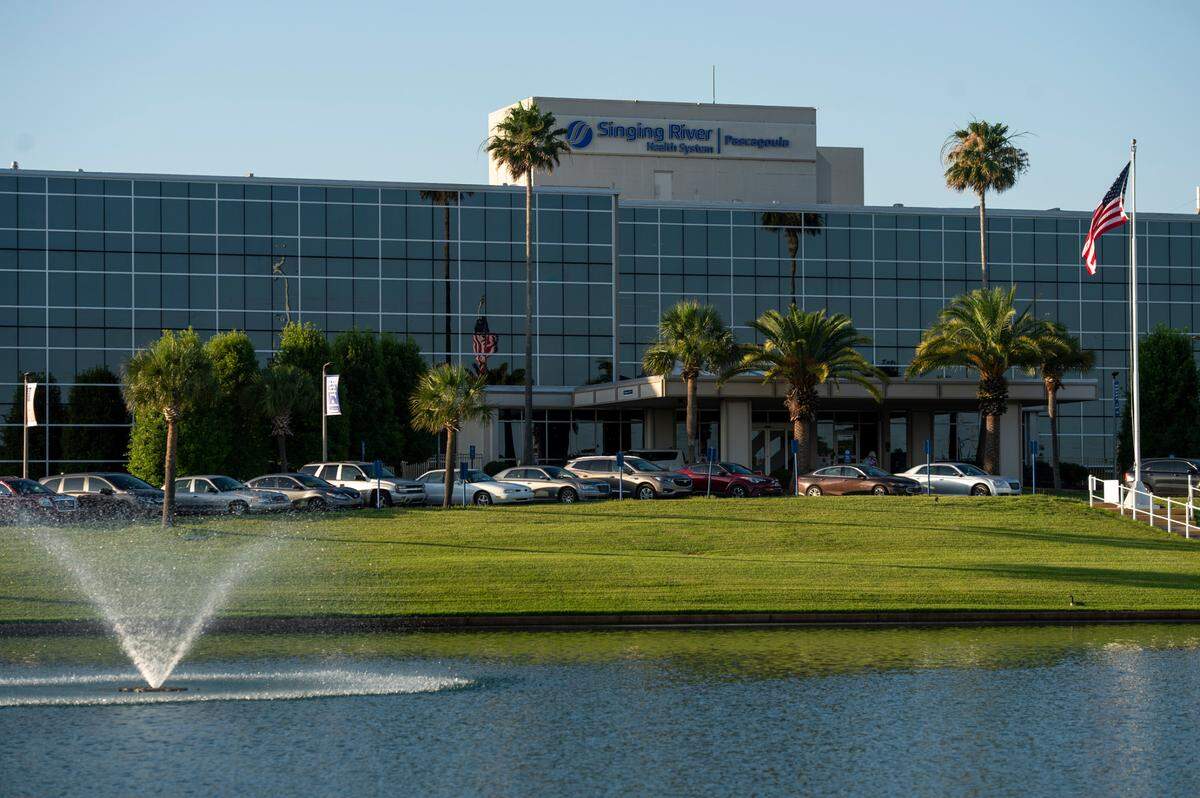
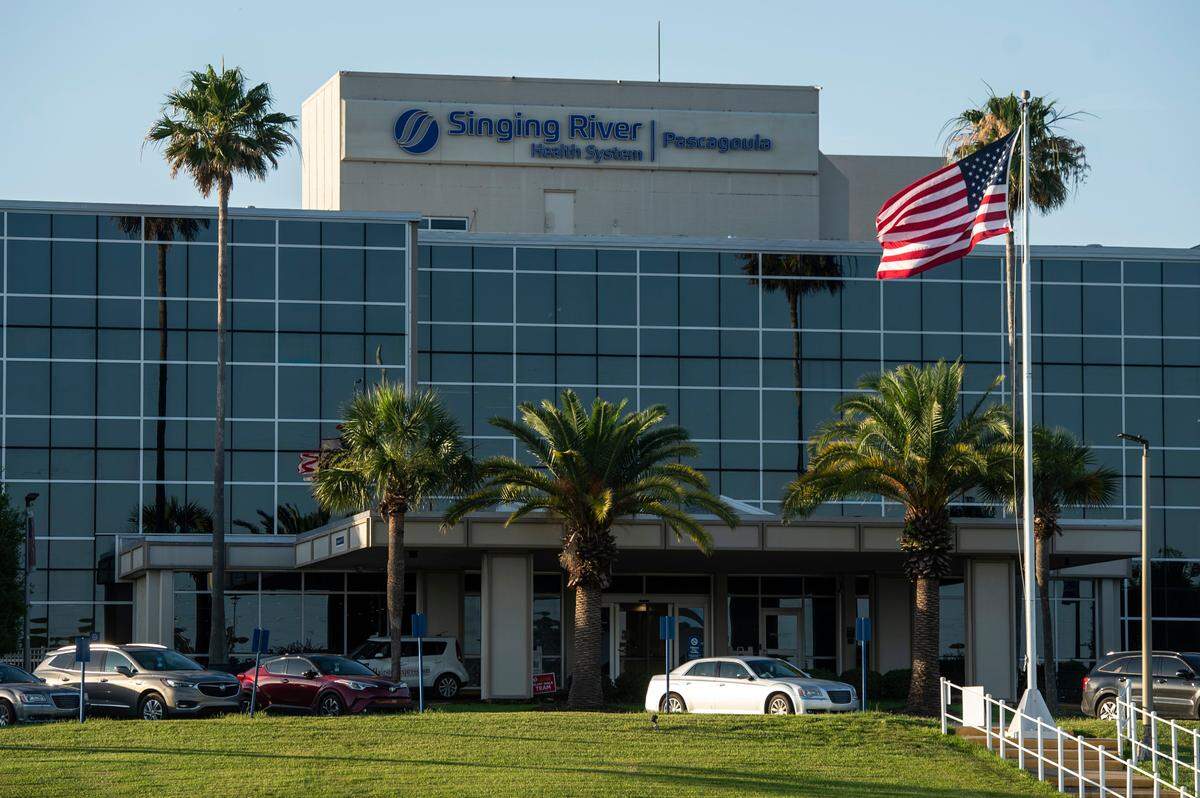
A 2017 policy change is wreaking financial havoc on more than a dozen Mississippi hospitals, including Singing River Health system based in Pascagoula, hospital officials say.
Last week, Singing River administrators presented a plan to the Jackson County Board Supervisors for selling the hospital or merging it with a larger health system. Among Singing River’s reasons for proposing a sale is the financial challenge posed by a change in federal policy.
The new rule altered the amount of eligible funding for treatment of Medicaid and uninsured patients. Audits of these payments have now shown some hospitals, including Singing River, were overpaid.
The audits could force the hospital to return as much as $27.8 million it previously received in Medicaid funding over three years, according to figures Singing River provided to the Sun Herald.
This year alone, the rule change will cost 18 Mississippi hospitals approximately $40 million, according to a Mississippi Hospital Association estimate.
Why do MS hospitals have to return funding?
Since the 1990s, Singing River has received substantial funding each year through a program known as “Disproportionate Share Hospital” (DSH) payments because it treats a disproportionately high number of patients who are uninsured or on Medicaid — providing care that would otherwise not be profitable.
Federal regulation stipulates that the amount a hospital receives through this program each year cannot exceed the amount it spends on “uncompensated care.”
In 2017, the Centers for Medicare and Medicaid Services (CMS) announced a change in its method of calculating hospitals’ uncompensated care costs. According to the new rule, payments made by Medicare and private insurers for the care of Medicaid-eligible and uninsured patients are factored into the calculation, resulting in a lower final figure for uncompensated care costs — and reducing the amount of eligible DSH funding for hospitals.
Each year’s DSH payments to Mississippi hospitals are calculated by an accounting firm contracted by the state, Myers & Stauffer. The firm then conducts an audit of each round of payments 3 years later.
“Now what’s happened is that same contractor has come back and audited what they calculated, and found that their calculations were in error, and they’re asking for the money back,” said Richard Roberson, general counsel of the Mississippi Hospital Association.
Singing River officials say the audit’s retroactive application of the new federal rules is unfair to the hospital.
“They calculated the distribution based on one set of criteria and now they’re auditing it based on different criteria,” Roberson said.
The impact will be felt across the Mississippi health care industry, which is already in turmoil.
“It would be bad in any year but it’s especially bad coming out of COVID, where the hospitals have seen their costs skyrocket,” Roberson said.
Some Mississippi hospitals could benefit from the recoupments. Because the state’s share of DSH funding is supplied by Mississippi hospitals, the recouped funds will be “re-allocated to other hospitals which incurred higher uncompensated care costs than their estimated DSH payment,” said Matt Westerfield, a spokesperson for the Mississippi Division of Medicaid, in an email.
How much does Singing River owe?
In May, the state Medicaid office sent Singing River a letter informing the hospital of the results of its audit of the 2018 DSH payment of $10.3 million.
The hospital is now required to pay back nearly $8 million, because the federal rule change was not factored into the calculation of the original payment.
In the letter, the hospital was given 30 days to appeal the decision to recoup the funds. Singing River was warned in the letter that such an appeal would not delay the recoupment that will be deducted from future DSH payments if the hospital does not pay the funds back directly.
Singing River spokesperson Shannon Wall said in an email that the hospital has not “officially decided whether there is a legitimate cause to appeal the recoupment request.”
Acting CEO Tiffany Murdock, however, asserted in last week’s Jackson County supervisors’ meeting that the hospital was already pursuing legal action to appeal the DSH recoupment.
According to Singing River’s calculations, in the coming years, the hospital will again be on the hook for additional recoupments of $8.6 million and $3.9 million from its respective 2019 and 2020 DSH grants of $11.6 million and $7.5 million.
Singing River could also have to pay back some of the $18.2 million in DSH funds it received in 2017. The state Medicaid office has not yet sought to recoup its $7.4 million overpayment for 2017.
“We are hopeful that the Division of Medicaid will decide to not include Medicare and private insurance payments related to services furnished prior to June 2, 2017 in the 2017 uncompensated care calculation,” Singing River said in a statement to the Sun Herald.
No Medicaid expansion in Mississippi
A primary reason the change in federal policy is having such a substantial impact on hospitals like Singing River is the state’s continued refusal to implement the Affordable Care Act’s expansion of Medicaid.
“Medicaid expansion is absolutely the biggest single reason why hospitals are struggling, no doubt,” Roberson said, adding that expanding Medicaid would lessen Mississippi hospitals’ dependence on the DSH program.
Roberson said that the federal government has reduced DSH payments since the passage of the Affordable Care Act because funding was redirected toward the Medicaid expansion, leaving states like Mississippi to absorb the DSH cuts without seeing the expanded Medicaid coverage that was meant to offset them.
Prior to the COVID-19 pandemic, the Mississippi Hospital Association calculated that Medicaid expansion would infuse an annual $250 million into state hospitals, which were at that time losing $11 million a month.
This story was originally published June 15, 2022 at 5:50 AM.