
Hancock Whitney to drop overdraft and other charges, following banking drift away from fees
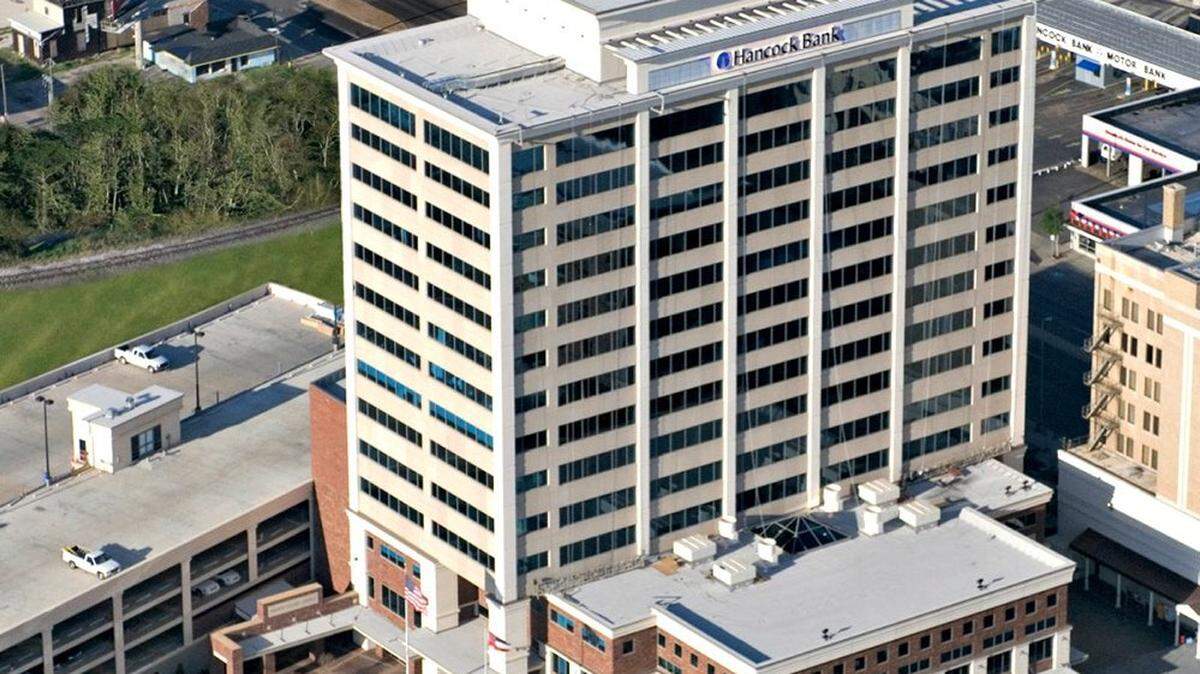
Hancock Whitney Bank will no longer charge clients fees when their accounts slip into the red, making it the latest bank to ditch the charges that are a lucrative revenue stream but also a widespread source of consumer complaints.
The Gulfport, Mississippi-based bank said last week that the fees for nonsufficient funds and some overdraft charges would be eliminated by the end of this year.
The bank said it will also be introducing services later this year to give customers earlier access to their pay in order to avoid overdrafts and the need to resort to payday lenders.
The bank — which has 237 branches in Louisiana, Mississippi, Alabama, Florida and Texas — said it expects to cut a total of about $11 million in charges by the time it phases in the changes by the end of this year.
John Hairston, Hancock Whitney president and CEO, said in a prepared statement announcing the changes that banking practice was changing.
“Today the financial industry has entered a new era in banking designed to provide customers with the tools needed to help them manage their overall finances, and we believe these changes are another step towards achieving that goal,” Hairston said in the statement.
In a report at the end of last year, the Consumer Financial Protection Bureau, a federal government watchdog, said that banks in general relied too much on overdraft and nonsufficient fund charges for their profit. The agency also said that customers suffered as a result.
The agency said it would be increasing its scrutiny of banks that rely too much on such fees and was looking to take more actions, such as those taken against TD Bank and TCF Bank, which were ordered to make restitution to customers who had been overcharged.
Citibank, Capital One, Bank of America, Regions Bank and Wells Fargo are among the large banking groups to announce that they have or will soon be eliminating overdraft and nonsufficient fund fees.
The consumer protection agency noted that smaller banks did not depend as much as larger groups on the charges.
Chris Ferris, CEO of Fidelity Bank in New Orleans, said that technology also has helped drive down overdraft charges.
“It’s easier for customers to manage their finances now from a digital perspective,” he said. “In the last two years, that has really accelerated with the pandemic as well as the flow of stimulus money.”
Fidelity also still charges some overdraft and nonsufficient fund fees but plans to eliminate them this year.