Be careful in your MS Coast yard. Bites from these 5 bugs could make you really sick
Sure, mosquitoes and cockroaches are among Mississippi’s most well-known nuisances, but several other species of critters can be really dangerous to humans.
The following insect species could be really harmful to humans, and you should take care to avoid them altogether.
Kissing Bugs
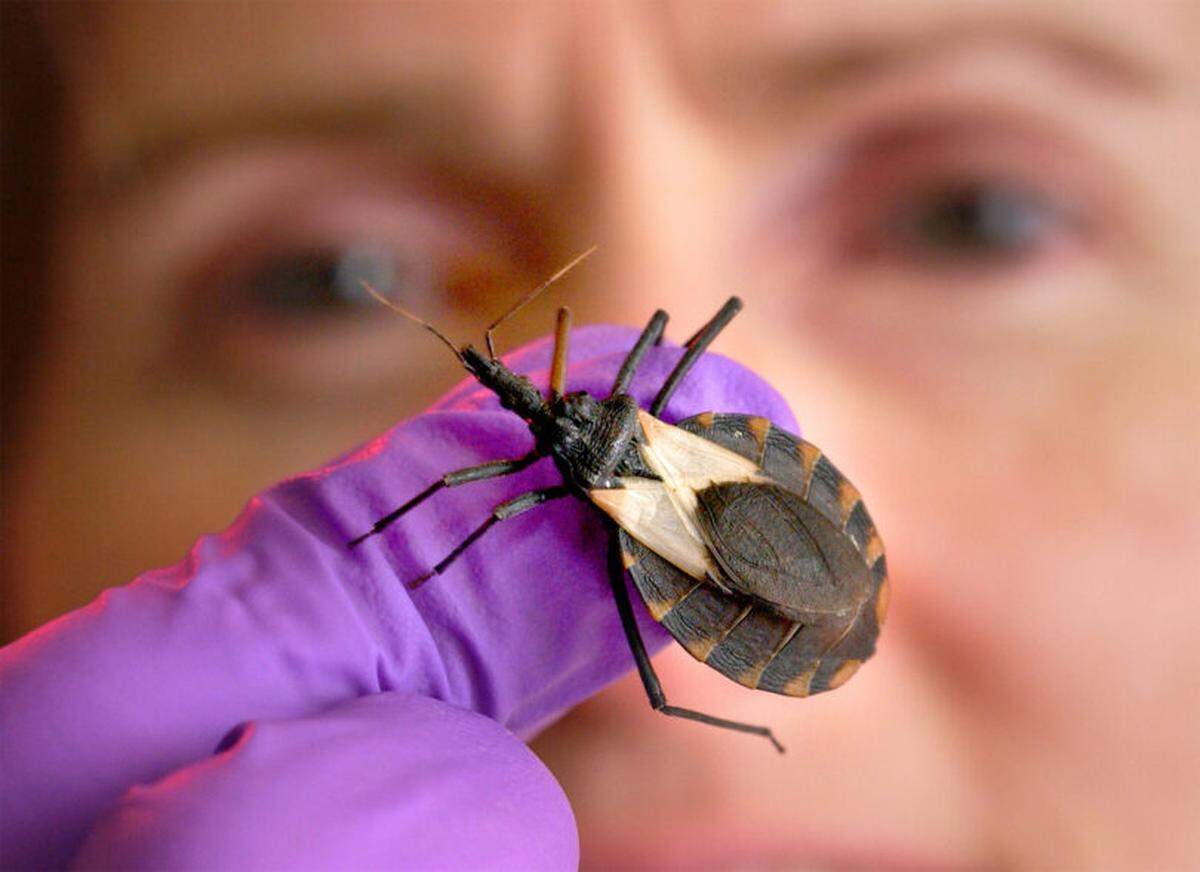
Kissing Bugs, also known as Triatominae, have been around for thousands of years. They are usually tannish-brown, have a flatter body, and feature a black and tan striped border around their bodies.
They have been getting recent attention because of their connection to Chagas disease. Although the chances of Mississippi residents contracting the disease are low, it can be quite serious.
The disease has two phases: the acute phase and the chronic phase. The acute symptoms mimic flu-like symptoms with fever, fatigue, body aches and digestive issues.
The chronic phase, on the other hand, has long-lasting effects and has grave symptoms.
Heart failure
Difficulty and pain swallowing (dysphagia)
Acid reflux
Cough
Weight loss
Constipation
Abdominal pain
Black Flies
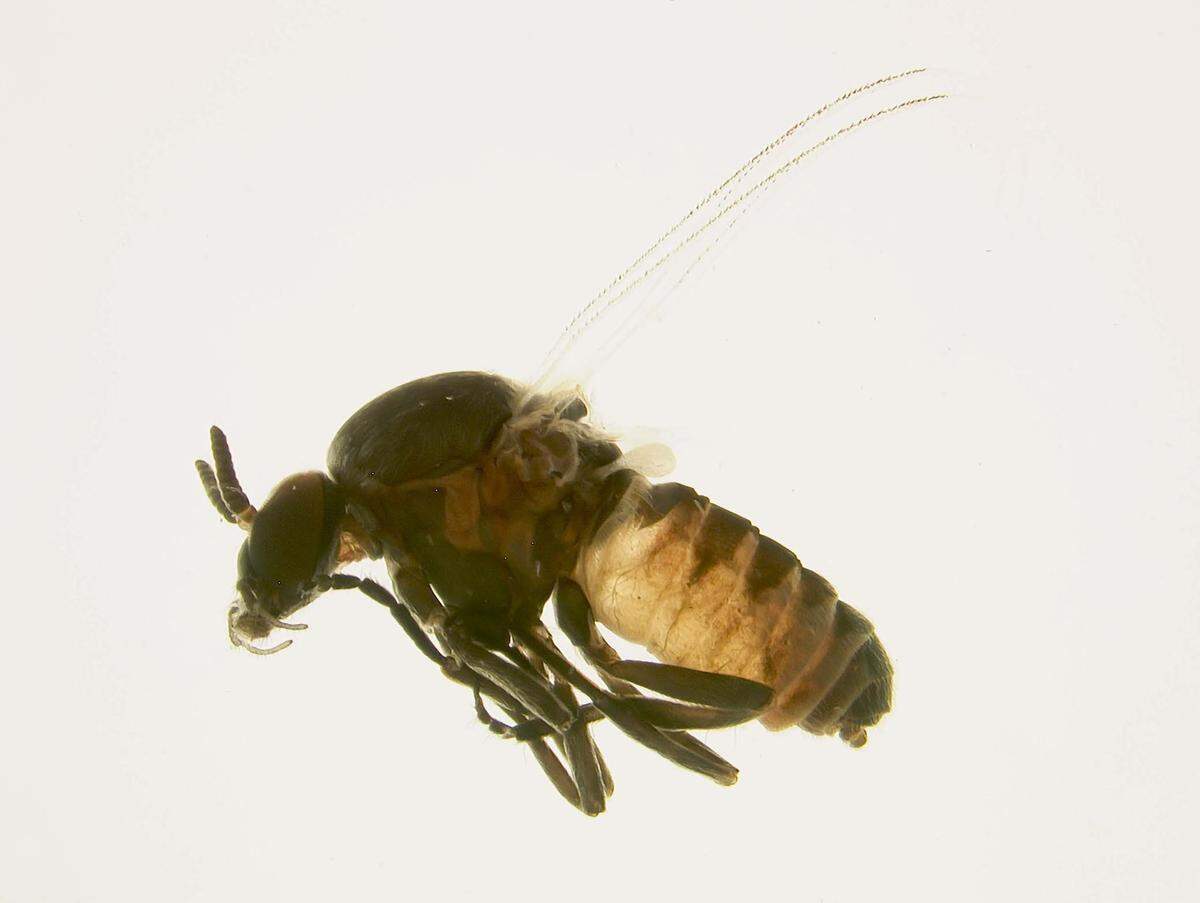
Black flies, also known as buffalo or turkey gnats, are blood-sucking insects that can be found in Mississippi, usually near clean, fast-moving water sources. They are about 2 to 5 millimeters long and are commonly dark gray or black with broad wings, short antennae, and a humpback.
Black flies can only transmit disease to livestock, but their bites on humans can be painful and highly prone to infection. The resulting symptoms of the bites are sometimes called “Black Fly Fever” and can make you pretty sick.
Swelling of the lymph nodes
General flu-like symptoms
Painful, itchy lesions on the skin
Swellings the size of a golf ball
Bite site symptoms include pruritus (itching), burning sensation, edema (swelling), and erythema (redness)
Urticaria (itchy raised skin rash)
In more severe cases, cellulitis (hot, red, swollen and painful skin infection)
Cow Killers (Eastern Velvet Ant)
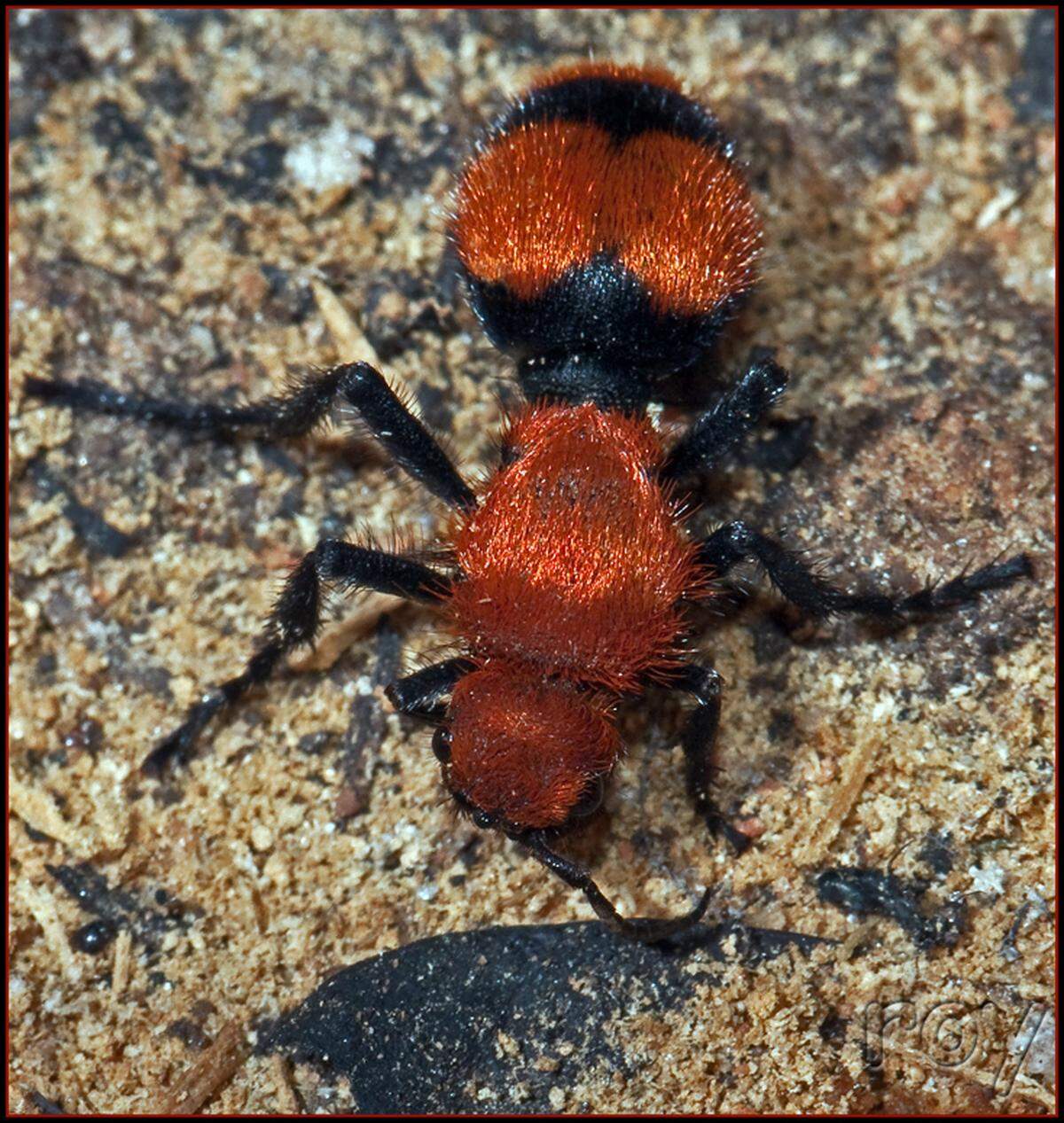
This wasp is also called the Easter Velvet Ant (which may be confusing because it is not, in fact, an ant). It has a bright red and black body, covered in velvety hairs. They can reach about one inch long, but only the males have wings. The females, although wingless, possess a powerful stinger while the males don’t.
This insect’s sting is incredibly painful and gets its name because its sting has been rumored to kill cattle (although this is an exaggeration of its actual effects). Its sting is rated as a 3 out of 4 on the Schmidt Pain Scale.
The sting causes immediate pain with swelling and redness and it can cause nausea, vomiting, headaches and confusion.
Blister Beetle
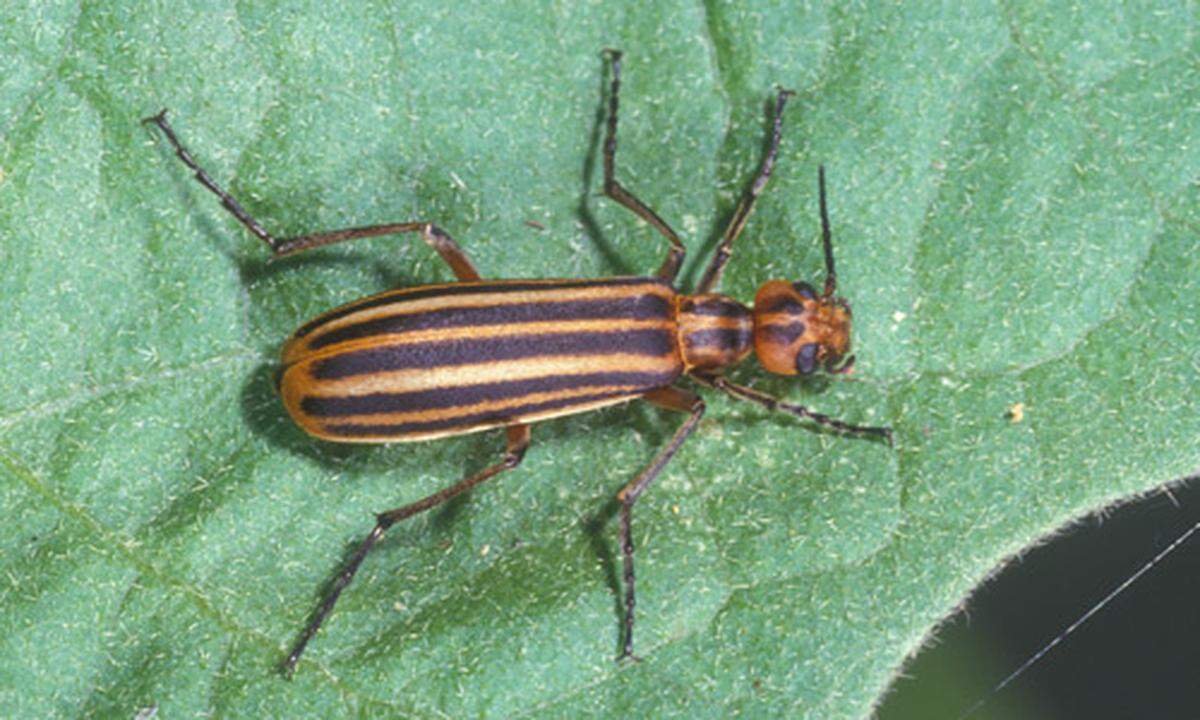
Often prevalent in alfalfa fields, these pests are most abundant from July to August and tend to thrive in drier conditions.
They are fairly small and have oval-shaped bodies, long legs and unusually narrow necks. Colors can vary and they come in shades of black, brown, gray and some brighter variations.
These bugs are considered dangerous mostly because of cantharidin, a chemical that causes painful blisters when it comes in contact with the skin.
Ingesting these bugs can be extremely dangerous and potentially fatal causing abdominal pain, vomiting and blood in the urine. They also pose a significant threat to livestock and horses, even in small numbers.
Southern Yellow Jacket
This (actual) wasp is aggressive and territorial and is prone to sting seemingly unprovoked. They guard their nest intensely and can sting multiple times before dying.
Unlike other wasps, the Southern Yellow Jacket makes its nest near the ground so unsuspecting victims can be surprised when they are stung.
The symptoms of their sting are similar to other flying insects (redness, swelling and itching) but for those who are allergic the sting can be catastrophic.