
Tim Lockley: Pharaoh ants plague our kitchens in search of food
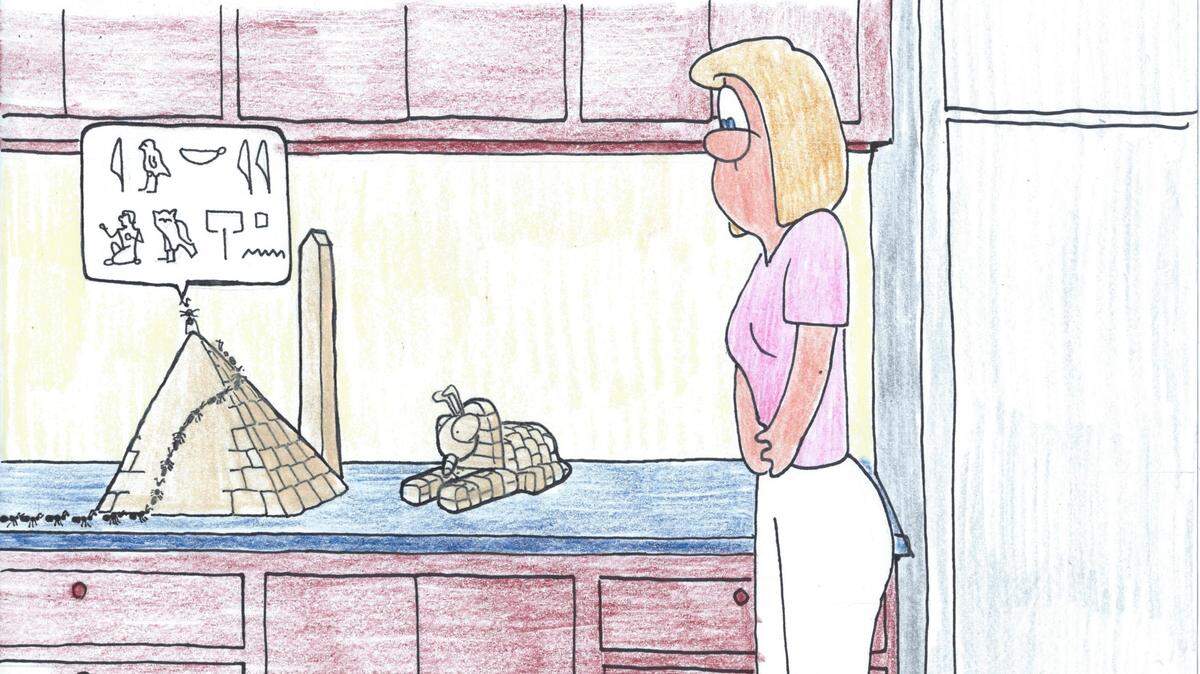
Pharaoh ants (Monomorium pharonis Linn.) are, arguably, the most ubiquitous ant species in the world. They were first described in 1758 from specimens acquired in Egypt. From their location and their ability to make life miserable for us humans, they were thought to be one of the Biblical plagues set upon ancient Egypt.
These ants are quite small, ranging from 1.5 to 2 millimeters, and are a light reddish-yellow in color. Their point of origin is in question. Initially, they were thought to have come from tropical Africa, but in recent years, India or Malaysia have surfaced as possible sites. Because they have spread so far throughout the world, where they came from probably will never be known for certain.
There's generally only one reason why pharaoh ants invade your home, and that's food. They are quite fond of sweets but they will readily recruit to fats and proteins. Under drought conditions, they will congregate around water supplies, usually in the kitchen or bathroom.
Pharaoh ants develop large colonies that are composed of numerous separate nesting sites, each having one or more queens. These different nests make controlling pharaoh ants difficult, since each can "bud off," developing different colonies. Because of this ability, this ant requires a special type of control measure. The traditional method of spraying the ants with insecticides seems to cause the various nests to scatter, establishing new colonies throughout your house. Controlling them is time consuming and, unfortunately, not always successful.
Our only advantage is that they are a tropical ant and they've not had the time to evolve an ability to survive a temperate winter, even mild ones like we have down here.
Because of that, they rely on us to feed and water them. This means that, over time, baits can work. There are commercial baits available that have been designed specifically for pharaoh ants (Max Force and Terro brands, for example). If you use a bait, read and follow the directions. Place the bait everywhere the ants are active. In most instances, if you return to the traps in a couple of hours, you'll see them feeding on the bait. Replace depleted bait stations as it becomes necessary. Depending on the size of the infestation, control could take months to achieve.
Besides baiting, you'll need to do a few other things to ameliorate the problem. Look for routes the ants follow. Try to seal up the entry points. Probably the most important thing you can do is keep your kitchen clean. Be especially diligent around your oven, trash can and countertops (the worst infestation I ever saw was in a dishwasher). The less of your food they have to eat, the more bait they will have to consume and the faster they will die.
If you are unsuccessful in managing the infestation, your only other recourse is to hire a professional to do the job.
Tim Lockley, a specialist in entomology, is retired from a 30-year career as a research scientist for the U.S. Department of Agriculture. For answers to individual questions, please send a stamped, self-addressed envelope to Tim Lockley, c/o Sun Herald, P.O. Box 4567, Biloxi, MS 39535.
This story was originally published December 24, 2015 at 4:24 PM with the headline "Tim Lockley: Pharaoh ants plague our kitchens in search of food ."