
Coast Chronicles: An ode to the fallen leaf
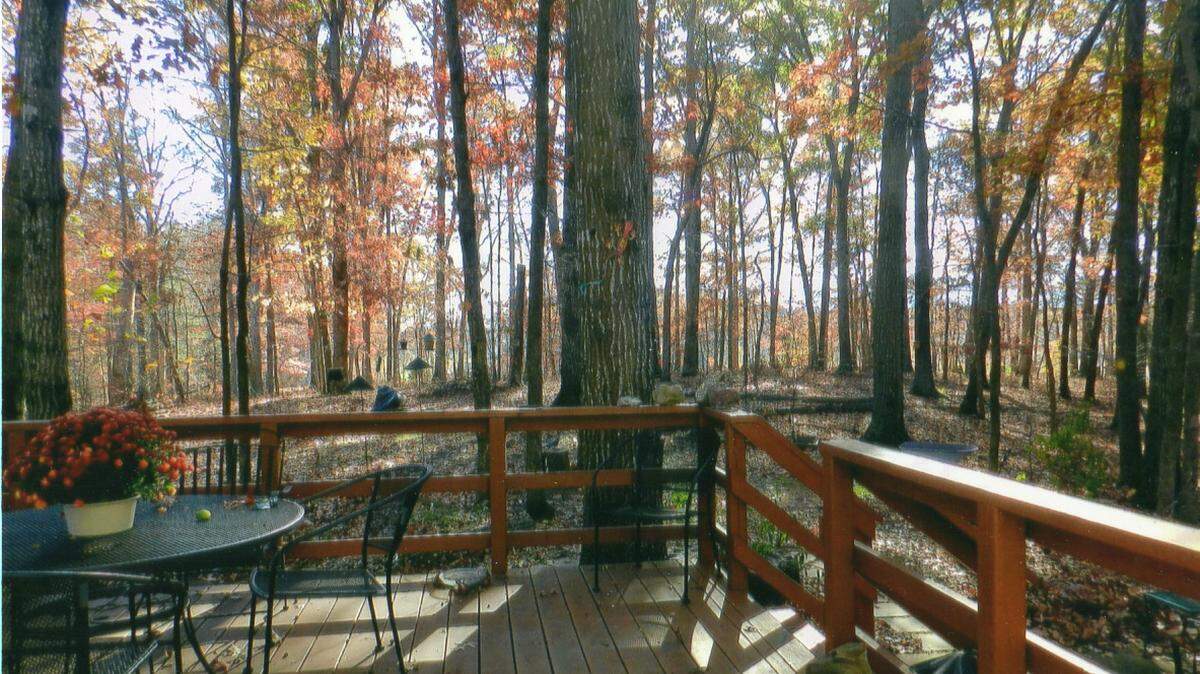
The physics of falling leaves is fascinating, but not necessarily something the denizens of the Mississippi Coast contemplate. The autumn season of hibernating plants and falling tree leaves espoused in so many famous poems and books is not the autumn of our Coast.
We must travel elsewhere if we want to experience a region that is not mostly evergreen, or where seasonal hints are little more than shorter days and temperate temperatures. We must go elsewhere if we want to experience piles of large, dry, crackling leaves that spin like tops in the wind.
So here I sit "elsewhere" as I write this, my laptop perched on a table in front of a large glass patio door swung open to invite the refreshing breeze. Leaves drop on the large wooden deck, making a light crunch-plunk sound.
I've already swept the deck off once this morning. The rest of the yard, however, I will let build up as a sea of brown until the leaves become so thick I'm forced to get out the strong leaf blower to avoid tripping over hidden rocks and whole flowerbeds.
Virginia is a different world to this person who has spent much of her life on the Coast, where evergreen azaleas, magnolias and pines reign and Live Oaks shed in spring. Today, as more leaves cascade down as fast as rain, I can study the emerging outline of a small ridge of mountains. The range was hidden all summer by a dense green that is now yellow, dark orange and brown ... and flying away.
I missed Virginia's "peak," as locals call the week of best leaf color, because I was on the Gulf, reveling in our own unique brand of October. Now it is November in Virginia, and I am here, my muscles aching in anticipation of the work ahead to herd the fallen leaves on this little woodys hill.
I have always been a leaf recycler, even at my Biloxi house, but that is an impossibility here. I bag some for friends who have vegetable gardens that benefit from mulch, but there are far too many leaves to pile up for my own natural compost.
Bagging them as refuse is out of the question for I am of the school that dead leaves are important to the natural cycle of things. They decompose and put nutrients back into the soil to grow healthier trees.
Because I've never faced an over-leafed quandary on the Coast, I've had to experiment in Virginia. Now, I make one large compost pile from leaves gathered near the house to prevent tripping over unseen objects and as a fire preventative. The rest of the leaves get blown back into the woods, where Mother Nature intended them. The labor is rewarding and invigorating on crisp autumn days.
Interestingly, my leaves are a bit like watchdogs. If a nefarious person were walking up my hill through the woods, I'd hear crunching leaves. Likewise, I'm alerted to foraging deer and squirrels.
When I realized I'd write about leaves today, I did a bit of research. I found several claims that 75 percent of America's autumn refuse -- household and yard trash collected by local governments -- is leaves. Yikes, that's scary, if true. Our landfills are overburdened enough without being leafed up.
That may be the case with city folks with trees, and if I bagged all my leaves, that 75 percent would be true on this rural hill. But I've noticed some folks compost and others burn. Personally, I find the acrid smell of burning leaves unpleasant and obviously dangerous in this time of windy dryness.
Why destroy Mother's Nature's self-feeding plan? A dead leaf, after all, is chuck-full of nutrients. Simply put, leaves are the powerhouse of trees, or the tree's food factory.
Ever wondered why most leaves are flat? That's so they can take best advantage of sunlight. Leaves are green in the summer because of the pigment chlorophyll, as we all learned in school science. Chlorophyll converts the energy of sunlight into a chemical energy that the tree uses as food.
Trees live and breathe through their leaves, and that is why they go dormant in autumn when leaves shed. That is also why I find ways to respect my fallen leaves, rather than disdain them for the added challenges. In the short time it has taken me to write this, the deck is again buried in a crisp, brown coat of leaves. Crunch. Crunch.
Kat Bergeron, a veteran feature writer specializing in Gulf Coast history and sense of place, is retired from the Sun Herald. She writes the Coast Chronicles column as a freelance correspondent. Reach her at BergeronKat@gmail.com or c/o Sun Herald Newsroom, P.O. Box 4567, Biloxi MS 39535-4567.
This story was originally published November 14, 2015 at 6:54 PM.