Is this common bush in your MS yard? It can kill birds & be toxic to pets, small children
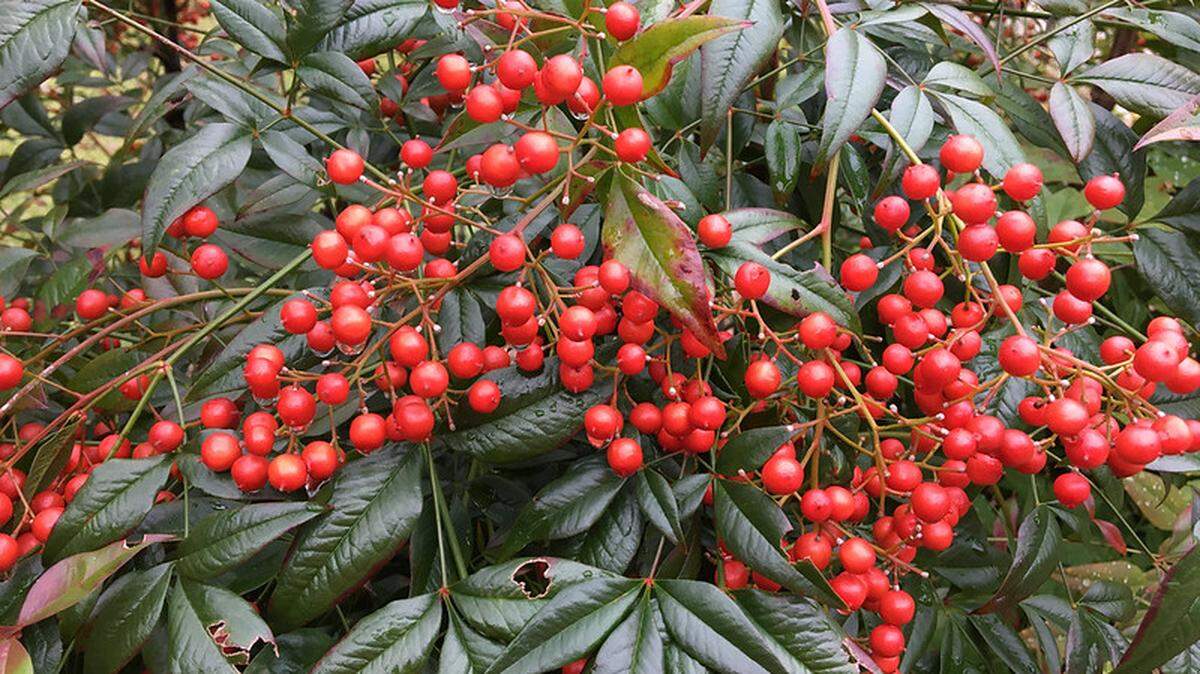
Winter is often full of muted, dull colors and frigid temperatures. But one common yard bush brings the color back into the dreary season. However, its beauty comes with a price, as it is actually toxic to certain wildlife and humans.
Here’s what to know about the invasive bush, how to identify it and remove it from your yard.
What is the Nandina bush and why is it toxic?
According to Southern Living, the Nandina bush is an evergreen shrub that is native to China, India and Japan and thus, in the U.S., it is non-native and invasive.
The bushes are frequently used to spruce up a dull landscape or lackluster yard, but the beautiful red berries on the Nandina bush are toxic to birds, humans and other animals.
“Nandina berries contain a tiny amount of cyanide along with other alkaloids that produce hydrogen cyanide (HCN) which is a highly toxic substance to all humans and animals,” said Steve Bender with Southern Living.
Bender said that although a few berries can make birds very sick, it will rarely kill them, but a lot at once could cause a fatal overdose. But they don’t normally look for berries first.
However, according to Mary Michaela Parker at Mississippi State University: “Berries are typically not the first food source birds seek out. They hunt for seeds, insects, plants, and nuts to provide them with nutrients to survive. If those food sources are not readily available, they will eat berries in small amounts.”
And if the berries are poisonous to birds, they are toxic to pets, too. Bender said to keep your pets far away from the Nandina bush, but if you suspect your pet has consumed Nandina berries, it is best to call your veterinarian immediately.
And worst of all, if you think a small child has ingested any, call a doctor or take them to a hospital.
Here’s more about how to identify Nandina bushes and how to protect your yard:
How to identify it
If you are trying to see if you have a Nandina bush in your yard or trying to avoid mistakenly planting one, here’s how they look:
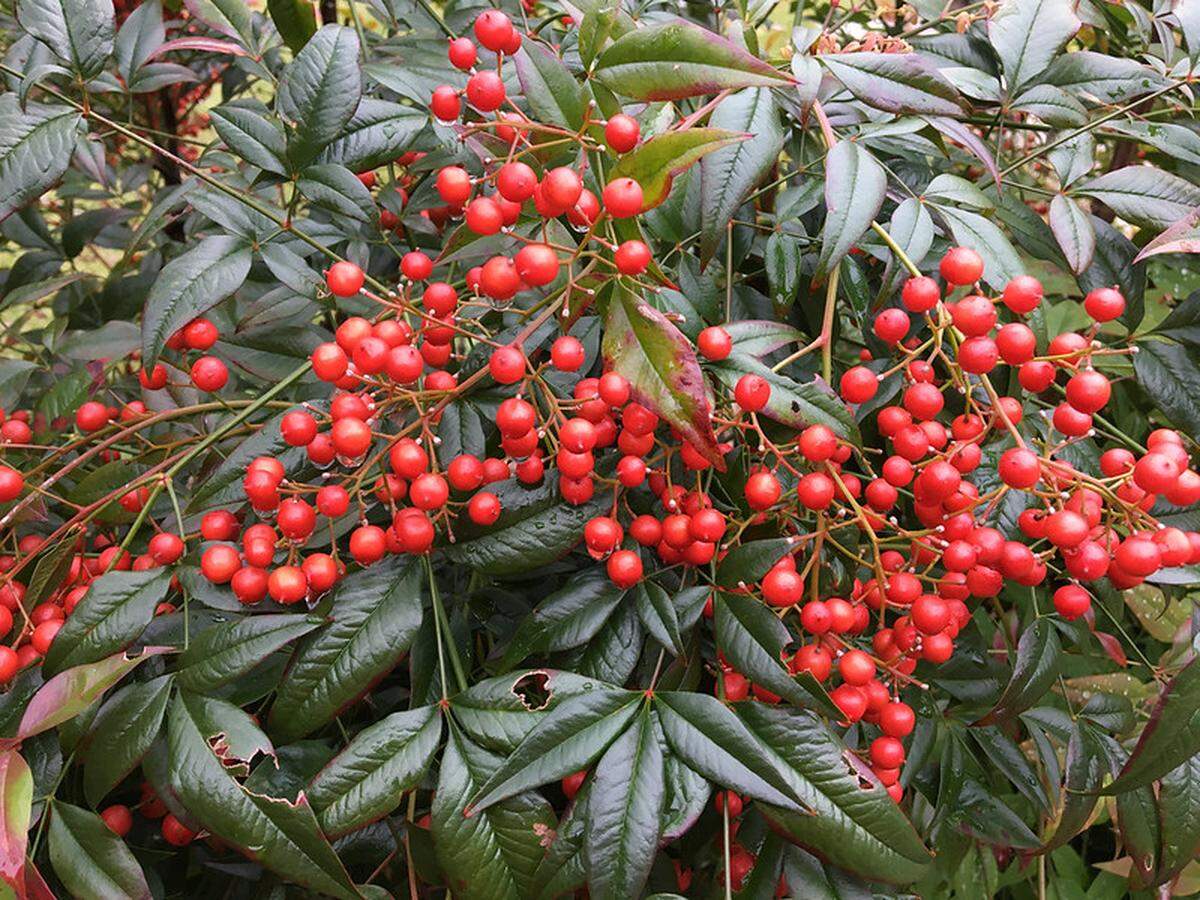
The U.S. Forest Service said that the Nandina bush is “tall, with relatively slender, unbranched stems.” It can grow up to seven feet tall and has leaves that are 20 to 30 inches long. Once the bush grows berries, the berries can be bright red in color or have a purple tint.
How to remove it from your yard
Sure, they’re pretty, but they are also toxic, so if you’re looking for ways to remove the Nandina bush, here’s what to do:
Remove the berries
Bender recommended pruning the berries or cutting the flowers off of the shrub completely, so that berries won’t grow back.
Remove the whole shrub
Removing the whole Nandina bush from your yard is also an option, but it could be a pretty taxing task.
“Seedlings and small plants can be hand-pulled or dug up—just know that it’s difficult to remove every inch of the root system, and you may have to do it again if a new sprout pops up,” said Bender.
Bender recommended purchasing herbicide and spraying the remnants of the plant and roots if you can’t quite dig it all up to remove it.
If your yard looks bare after removing the bush and you miss the color, consider planting a holly bush that isn’t toxic to wildlife.
Do you have more questions about yard bushes? Let me know in the comments or email me at cmadden@mcclatchy.com.